

A heart-rate wearable becomes more useful when it fits your routine, stays comfortable through the day, and works with the apps and training equipment you already use. This shortlist covers children’s watches, slim fitness trackers, smart rings, and an armband for indoor cycling and running. Three portable monitor extenders are also assessed as workspace companions for viewing fitness dashboards on a larger display, though they do not measure heart rate themselves.
How The Shortlist Stacks Up
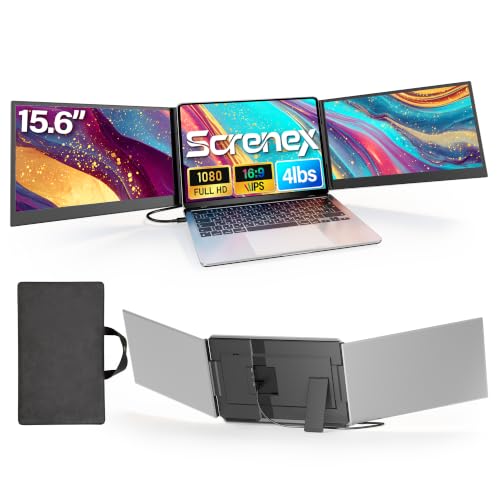
Screnex 15.6-inch Triple Portable Monitor, FHD IPS, One-Cable Setup for Laptops

Screnex 15.6-inch FHD IPS Detachable Clip-On Dual-Screen Laptop Extender

Screnex 14.2-inch Portable Monitor

BIGGERFIVE Vigor Plus Kids Watch
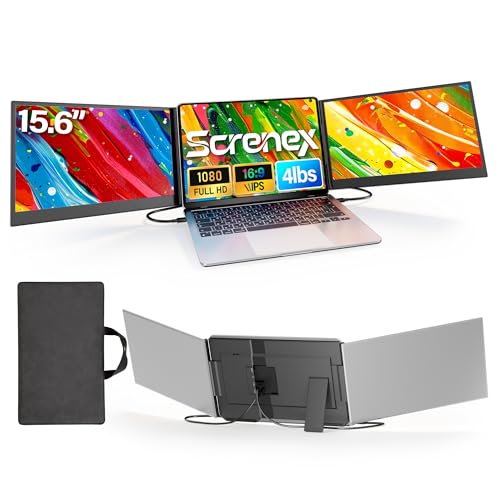
Screnex 15.6-inch Triple Portable Monitor, FHD IPS, USB-C and HDMI

FITVII Smart Ring for Android and iOS
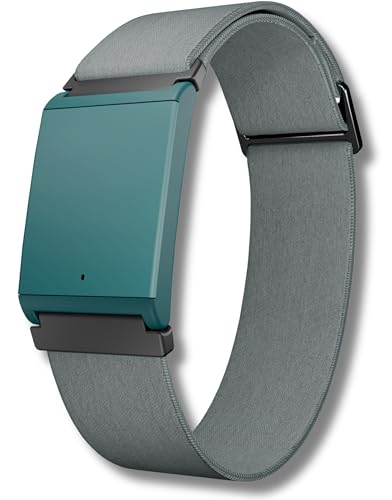
POWR LABS Rechargeable Bluetooth and ANT+ Heart Rate Armband
MorePro 24/7 Heart Rate and Activity Tracker
Inside Each Recommended Option
Three screens can make a crowded digital workspace feel much more manageable. The Screnex 15.6-inch Triple Portable Monitor expands a 13-to-17.3-inch laptop into a multi-panel setup, which is useful for keeping messages, documents, and fitness dashboards open without constant tab switching.
Its FHD IPS panels and one-cable setup suit a desk where neatness matters. The honest catch is that this is a display accessory, not a wearable that measures heart rate, so it belongs beside your tracker rather than replacing one.
Strong Points
- Adds two 15.6-inch panels to a compatible laptop.
- Uses one cable for a tidier multi-screen workspace.
- FHD resolution provides a practical balance for office applications.
- IPS panels suit frequent viewing angles at a desk.
Practical Considerations
- It does not contain a heart-rate sensor.
- The three-panel arrangement needs more desk space than a single extender.
- Laptop dimensions and connection options need to be checked before setup.
The Right Fit
This display fits remote workers and analysts who want more room for fitness data, communications, and documents on laptops from 13 to 17.3 inches.
A Better Fit Elsewhere
Choose the Screnex 14.2-inch Portable Monitor instead when your priority is a smaller secondary screen rather than a full triple-screen arrangement.
Unlike the triple-panel setup, this Screnex model offers a more portable route to a second screen. Its detachable, clip-on design fits 14-to-17-inch laptops, making it a practical companion for hotel desks, shared workspaces, and trips where carrying two conventional monitors would be awkward.
The ultra-slim body and matte textured finish should handle travel more gracefully than a rigid desktop panel. It still cannot track heart rate, and the four display positions may not suit every desk or laptop edge.
Noteworthy Benefits
- Offers four positioning modes for different work styles.
- Folds into a slimmer shape for transport.
- The matte surface helps reduce distracting reflections and visible fingerprints.
- One-cable operation supports a cleaner setup.
- Works across Windows, Mac, Android, and Chrome environments.
Small Caveats
- Heart-rate data requires a separate wearable.
- Clip-on positioning depends on the laptop’s thickness and edge shape.
Feature Snapshot
Built With In Mind
Traveling professionals get a flexible second display for reviewing training dashboards while working away from a permanent office.
Another Choice May Suit
The Screnex 15.6-inch Triple Portable Monitor fits creators who need two additional panels rather than a detachable dual-screen arrangement.
A smaller panel can be easier to live with than a full workstation. The Screnex 14.2-inch Portable Monitor weighs 1.87 pounds and measures 0.27 inches thick, so it sits neatly between a travel screen and a fixed desktop display.
Students can keep research notes beside lecture materials, while remote workers can place a chat window opposite a spreadsheet. You still need another wearable for heart-rate readings, and the smaller size gives you less room for complex creative tools.
The Case For It
- The 1.87-pound weight remains practical for mobile use.
- The 0.27-inch profile supports easier packing.
- FHD 1080P resolution handles documents, meetings, and data review.
- An IPS panel offers a sensible everyday viewing format.
Things To Weigh
- It offers one added screen instead of the triple-panel flexibility of the 15.6-inch model.
- There is no heart-rate sensor in the display.
- Compact dimensions may feel restrictive for video timelines or complex spreadsheets.
Who It Suits Best
Students and frequent travelers benefit from the light, narrow profile when they need one extra screen instead of a permanent desk arrangement.
Where A Sibling Pick Shines
The Screnex 15.6-inch FHD IPS Detachable Clip-On Dual-Screen Laptop Extender suits people who prefer a larger panel and more placement options.
The BIGGERFIVE Vigor Plus gives children a way to track steps, heart rate, and sleep without depending on a nearby phone. Its 1.5-inch display gives small fingers more room to tap, while the location-tracking feature can help parents keep track of a child during school, errands, or outdoor play.
The phone-free design is particularly useful for children who are not ready to manage their own smartphone. Heart-rate and sleep readings should be treated as general wellness information, not medical assessments.
Real Benefits
- Tracks heart rate, steps, sleep, and daily activity.
- Works without a phone for basic tracking functions.
- IP68 water resistance supports swimming, showering, and ordinary wet weather.
- Ten sport modes cover common activities.
- A vibrating alarm offers a discreet school or household reminder.
Honest Caveats
- The watch is intended for ages five through 15.
- Some app and location features still need a connected phone or caregiver setup.
Core Details
Made For
Families with children ages five to 15 benefit from a colorful, phone-independent activity watch with a relatively large display.
Consider Something Else
The MorePro 24/7 Heart Rate and Activity Tracker is a better fit for an adult who wants customizable watch faces and broader everyday style choices.
Two additional 15.6-inch IPS panels give creative professionals room to separate timelines, references, and communication windows. The Screnex 15.6-inch Triple Portable Monitor supports USB-C and HDMI connections, making it relevant to mixed laptop setups that do not rely on one port type.
Its 178-degree viewing angle helps when panels sit to the side of a laptop, which is useful in a compact studio. You will still need a separate wearable for heart-rate data, and three screens can overwhelm a modest desk.
Where It Delivers
- Two 1080p IPS panels support detailed creative work.
- Wide viewing angles help with off-axis positioning.
- USB-C and HDMI options support different laptop ports.
- The free-standing arrangement leaves the laptop screen available.
- Compatibility covers Windows, Mac, and Chrome environments.
Possible Compromises
- It does not record heart rate or activity metrics.
- The full setup occupies substantial desk space.
- Port and laptop compatibility need confirmation before purchase.
Best Suited To
Video editors and designers gain useful screen separation for timelines, reference files, and chat windows during long editing sessions.
Look Elsewhere
The POWR LABS Rechargeable Bluetooth and ANT+ Heart Rate Armband is the practical choice for people whose priority is live workout heart-rate broadcasting.
For people who dislike wearing a watch on the wrist, a ring offers a quieter way to gather wellness information. The FITVII Smart Ring records heart rate, heart-rate variability, blood-oxygen trends, stress indicators, and blood-pressure trends before syncing the data to its app.
It supports Android and iOS without a subscription, which simplifies the ongoing ownership decision. These readings are intended for everyday wellness tracking and should not replace clinical evaluation or professional guidance.
What Earns Its Place
- Continuous heart-rate tracking works without a wrist display.
- Heart-rate variability helps describe changes between heart-rate readings over time.
- Blood-oxygen and blood-pressure trends add useful wellness context.
- Stress monitoring gives you another way to observe daily patterns.
- The app operates without a recurring subscription.
Details To Watch
- A ring provides less immediate feedback than a watch with a visible display.
- Blood-pressure and oxygen readings are trend information, not diagnostic measurements.
- Phone compatibility and sizing need attention before ordering.
Feature Facts
Who Will Love This
Minimalist trackers and sleep-focused routines benefit from a discreet wearable that gathers several wellness metrics without a watch face.
Reach For A Different Pick
The MorePro 24/7 Heart Rate and Activity Tracker is easier to choose for people who want an immediate glance at activity data and customizable watch faces.
This armband is built for workouts where a live heart-rate signal matters. The POWR LABS armband connects through Bluetooth and ANT+, allowing it to broadcast to a Peloton bike or app while also sharing data with another compatible device.
That dual connection is useful for indoor cycling sessions that begin on the bike and continue into a running app or Strava activity. The armband form factor is easier to keep in place than a loose wrist strap during movement.
Everyday Perks
- Bluetooth and ANT+ support a broad range of training platforms.
- Supports Peloton, Wahoo, Strava, Zwift, Garmin Connect, Apple Health, and Google Fit.
- The rechargeable design avoids disposable batteries.
- Arm placement provides a steadier option for some workouts.
Potential Drawbacks
- It focuses on workout broadcasting rather than all-day wellness tracking.
- It needs compatible apps or equipment and does not offer the broad display functions of a smartwatch.
Technical Reference
Built With In Mind
Peloton riders, runners, and indoor cyclists benefit from simultaneous heart-rate broadcasting to compatible equipment and tracking apps.
Swap It Out
The FITVII Smart Ring is a better fit for passive, around-the-clock wellness tracking rather than focused workout broadcasts.
The MorePro tracker combines a slim 1.47-inch display with continuous heart-rate and activity monitoring. Its large selection of watch faces and customizable dial makes it easier to wear with office clothes, workouts, or casual settings than a purely utilitarian fitness tracker.
That balance suits someone who wants to glance at activity throughout the day without committing to a bulky smartwatch. It offers less of a screen-free experience than a ring, and some advanced wellness readings remain general trend data.
The Good Stuff
- Provides continuous heart-rate and activity tracking.
- The 1.47-inch display offers a readable view without a large smartwatch body.
- More than 300 watch faces allow frequent visual changes.
- A custom dial function supports a more personal appearance.
- The slim profile works across office, exercise, and casual clothing.
Less Ideal Details
- A screen-equipped watch is bulkier than a smart ring.
- Heavy customization may be unnecessary for people who prefer a simple display.
Key Product Details
Whose Shelf It Belongs On
Adults who want visible heart-rate trends, activity records, and plenty of display choices get a balanced option for work and daily wear.
Not Your Match
The BIGGERFIVE Vigor Plus Kids Watch is the better fit for a child who needs phone-independent activity tracking and location features.
What to Match With Your Training Life
A wearable becomes useful when its measurement style and connection method suit your day. A screen-rich tracker works well for glancing at activity, while a ring or armband offers a more focused experience during sleep or workouts.
Form factor and wearing comfort
A watch provides immediate visual feedback, while a ring disappears beneath everyday clothing. An armband places the sensor on the upper arm, which can feel secure during cycling or running. For long wear, compare the available sizing and think about how often you will sleep with the device on.
Data versus immediate feedback
Smart rings can gather continuous wellness trends without showing notifications on your wrist. Watches suit people who want step counts, heart rate, and activity information at a glance. Neither format should be treated as a diagnostic device, so any concerning change still belongs in conversation with an appropriate specialist doctor.
Connections and workout platforms
Bluetooth and ANT+ are wireless standards used to send heart-rate data to compatible equipment. The POWR LABS armband supports an extensive platform list, which makes it attractive for mixed indoor and outdoor training. Confirm that your bike, phone, or fitness service supports the same protocol before ordering.
Phone dependence
The BIGGERFIVE Vigor Plus performs many basic functions without a nearby phone. Other wearables may use a phone for syncing, location, notifications, or detailed history. Your app ecosystem and willingness to charge two devices can influence which format makes sense.
Common Mistakes in Wearable Selection
Pitfalls Shoppers Hit
Choosing by appearance alone can hide an important compatibility issue. Check your phone system and training apps first, then compare the wearable’s connection methods with the equipment you already use. Look closely at display size and nighttime comfort as well, since a bulky watch may become irritating during sleep.
What Separates Premium From Basic
A higher-tier device may add a larger display, more sensors, broader app support, or a more durable case. Those additions help only when you use the relevant features, so paying more makes sense for demanding athletes or people who value a polished appearance and detailed daily history. Basic trackers remain sensible for straightforward step and heart-rate goals.
Frequently Asked Questions
Which wearable is best for continuous heart-rate tracking?
The MorePro 24/7 Heart Rate and Activity Tracker is a practical choice for visible, around-the-clock monitoring, while the FITVII Smart Ring suits people who prefer a less noticeable form. Your comfort and need for immediate feedback should guide the decision.
Does a smart ring work without a smartphone?
The FITVII Smart Ring supports Android and iOS phones and does not require a subscription. A phone is still needed for app syncing and viewing the collected wellness information.
Can I use a heart-rate monitor with Peloton?
The POWR LABS Rechargeable Bluetooth and ANT+ Heart Rate Armband supports Peloton bikes and apps through Bluetooth. Its ANT+ connection also allows compatible devices to receive the same workout data.
Is a heart-rate armband better than a smartwatch?
An armband focuses on broadcasting heart-rate data during exercise, while a smartwatch also provides a display and broader daily tracking features. The armband suits dedicated training, whereas the smartwatch is more useful for general all-day use.
Which option works best for children?
The BIGGERFIVE Vigor Plus Kids Watch is designed for ages five to 15 and tracks heart rate, steps, and sleep without requiring a phone for basic use. Caregivers should still review the connected features and setup requirements.
Final Verdict
The POWR LABS armband leads for focused workouts, the FITVII ring wins on discreet wellness tracking, and the MorePro tracker balances daily visibility with customization. The BIGGERFIVE watch serves younger users, while the Screnex displays can complement your setup by giving fitness data more room. Choose the device that fits your activity, comfort, and connected devices, then give it a consistent routine.
