

A protein bar has to earn its place in your bag, whether you need a desk-break breakfast, a gym-day snack, or something quick between errands. The options here range from maple-glazed doughnut and blueberry cobbler flavors to peanut butter, cookies and cream, and double chocolate, with most providing 18 or 20 grams of protein per bar. Your best choice comes down to the flavor you will actually look forward to eating and the nutrition details that fit your routine.
A Side-By-Side Look

ONE Maple Doughnut Protein Bar
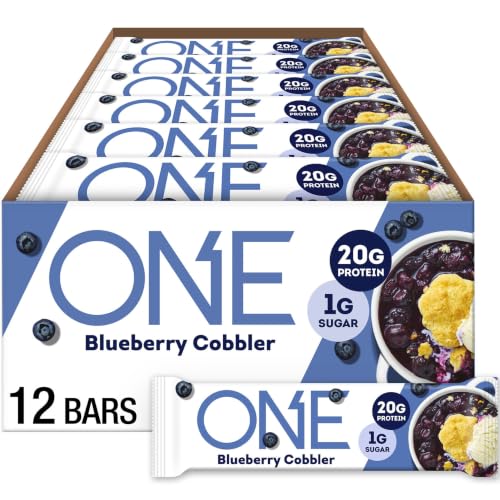
ONE Blueberry Cobbler Bars

ONE Birthday Cake Protein Bars

ONE Cookie Dough Protein Bars

ONE Reese’s Peanut Butter Protein Bar

ONE Hershey’s Double Chocolate Protein Bars

ONE Hershey’s Cookies ‘n’ Creme Protein Bars

ONE REESE’S Peanut Butter Chocolate Protein Bars
Inside Each Recommended Option
The maple-glazed doughnut profile gives this bar a more playful character than the chocolate options. It seems suited to a quick desk breakfast or a snack beside your gym gear, especially when you want something that tastes like a treat rather than a nutrition chore.
Each bar supplies 20 grams of whey isolate protein, a concentrated form of whey protein. Compared with the 18-gram Hershey’s-inspired selections later in the list, this option gives you a slightly higher stated protein amount, which may suit shoppers who prioritize that number.
What Helps Most
- Twenty grams of whey isolate protein per bar.
- The maple doughnut flavor offers a change from ordinary chocolate choices.
- Gluten-free labeling works well for shoppers who avoid gluten.
- Twelve individually listed bars suit a two-week rotation.
Trade Offs
- One gram of sugar may not suit plans built around very low-sugar snacks.
- Maple and doughnut flavors will not appeal to anyone who prefers fruit or cocoa.
Key Specs
Made For
This bar fits commuters, gym-goers, and office workers who prefer a maple-doughnut taste with 20 grams of protein.
Another Choice May Suit
ONE Blueberry Cobbler Bars may suit you better when you want a fruit-forward flavor instead of maple and doughnut.
Blueberry cobbler gives this 12-bar box a useful break from the chocolate-heavy choices. It appears particularly useful for someone who wants a fruit-scented option for a lunchbox, office drawer, or long afternoon between meetings.
The stated 20 grams of whey isolate protein and 1 gram of sugar closely match the maple doughnut bar. The meaningful difference is flavor direction rather than nutrition, so your decision may come down to whether you prefer berry dessert notes over maple sweetness.
Advantages To Know
- Twenty grams of protein per bar support a filling snack routine.
- Blueberry cobbler flavor stands apart from cake and chocolate varieties.
- Gluten-free labeling and one gram of sugar suit certain snack priorities.
Small Caveats
- Flavor availability is less useful to you if berry-style bars are not appealing.
Built With In Mind
This option fits commuters and office workers who want a fruit-forward protein bar for a quick meal or snack.
Look Elsewhere When
ONE Maple Doughnut Protein Bar may fit your routine better when you prefer maple sweetness over berry flavor.
Birthday cake flavor turns a practical snack into something that feels more like a small treat. You might reach for one after a demanding shift, as a pre-workout bite, or whenever a plain protein bar sounds unappealing.
The formula matches the blueberry and maple options with 20 grams of whey isolate protein and 1 gram of sugar. Unlike the Hershey’s-inspired bars farther down, the appeal comes from vanilla-style cake flavor rather than layered chocolate and cookie pieces.
Bright Spots
- Birthday cake flavor offers a cheerful alternative to standard chocolate bars.
- Twenty grams of protein make it a substantial breakfast or snack option.
- One gram of sugar may suit lower-sugar snack preferences.
- Gluten-free labeling widens its potential everyday appeal.
- The 12-count package supports regular desk or gym-bag rotation.
Possible Compromises
- Vanilla and cake flavors may not satisfy you when you want rich cocoa.
- The 12-bar package occupies more space than carrying a few loose snacks.
Core Details
The Right Fit
This flavor suits office workers, commuters, and families who want a sweet 20-gram protein snack with a birthday-cake profile.
Reach For A Different Pick When
ONE Hershey’s Double Chocolate Protein Bars may serve you better when cocoa flavor matters more than cake notes.
Cookie dough flavor gives you another reason to choose a protein bar besides the protein count. It appears useful for afternoon slumps, post-workout snacks, and keeping something familiar-tasting in a desk drawer.
Each bar provides 20 grams of whey isolate protein and 1 gram of sugar. That places it with the maple, blueberry, and birthday cake options nutritionally, leaving chocolate enthusiasts looking toward the later Hershey’s-inspired choices.
What Works In Its Favor
- Cookie dough flavor works for shoppers who enjoy familiar dessert flavors.
- Twenty grams of protein make it a practical pre- or post-workout bite.
- Gluten-free labeling suits people who avoid gluten.
Details To Watch
- Cookie dough lacks the berry profile of ONE Blueberry Cobbler Bars.
- One gram of sugar may not meet stricter low-sugar preferences.
- You may prefer a layered chocolate bar when you want more cocoa intensity.
Who Should Grab It
This option suits gym-goers and desk workers who want a sweet cookie-dough snack with 20 grams of protein.
Swap It Out When
ONE Birthday Cake Protein Bars may fit you better when vanilla-style cake flavor sounds more appealing than dough.
Peanut butter flavor brings a rich, familiar note that works well for gym bags and lunchboxes. For your routine, this appears like a dependable choice when you want a substantial bar without reaching for an overly novelty flavor.
The stated protein total is 18 grams per bar, two grams below the 20-gram maple, blueberry, birthday cake, and cookie dough options. Its 3 grams of sugar are higher than the 1 gram listed for those four bars, so compare those figures when sugar is a priority.
A Favorable Mix
- Eighteen grams of whey isolate protein per bar.
- Peanut butter flavor gives the box broad everyday appeal.
- Gluten-free labeling supports gluten-free snack routines.
- Twelve bars make it easy to stock several bags or drawers.
Worth Noting
- Three grams of sugar may not suit stricter low-sugar preferences.
Feature Snapshot
Built With In Mind
This bar suits fitness-focused snackers and commuters who prefer peanut butter flavor over fruit or cake notes.
Where A Sibling Pick Shines
ONE Maple Doughnut Protein Bar may suit you better when 20 grams of protein and 1 gram of sugar per bar are your priorities.
Double chocolate is the straightforward choice for a chocolate-focused desk drawer or training bag. The flavor feels more direct than blueberry cobbler or birthday cake, which may make this bar easier to use as a routine snack.
Each 2.12-ounce bar provides 18 grams of whey isolate protein. The box is kosher and gluten free, so its appeal extends to shoppers who want chocolate flavor with those dietary attributes.
Benefits That Matter
- Eighteen grams of protein per bar in a familiar chocolate format.
- Kosher and gluten-free labeling adds useful dietary details.
Where It May Fall Short
- The 18-gram protein amount is below the 20 grams offered by four earlier selections.
- Double chocolate will not suit you if fruit, cake, or nut-butter flavors are your preference.
Quick Facts
Who Will Love This
This double-chocolate option suits chocolate-focused commuters and gym-goers who want kosher and gluten-free labels.
Consider Something Else When
ONE REESE’S Peanut Butter Chocolate Protein Bars may serve you better when peanut butter is the flavor you want most.
Cookies and cream brings a balanced mix of cookie sweetness and creamy chocolate flavor. It appears especially useful for commuters and office workers who want the visual and flavor cues of a candy-style snack without abandoning a protein bar format.
The box provides 18 grams of whey isolate protein per bar and carries gluten-free labeling. You’ll notice the protein figure is two grams below the maple, blueberry, birthday cake, and cookie dough bars, so this choice leans more heavily on flavor preference.
The Upside
- Cookies and cream flavor bridges cookie and chocolate preferences.
- Eighteen grams of whey isolate protein per bar.
- Gluten-free labeling broadens the range of daily snack routines.
Less Ideal Details
- Lower stated protein content than the four 20-gram dessert-flavor bars.
- Cookie pieces or a layered texture may not suit you if you prefer a smooth, simple bar.
Whose Shelf It Belongs On
This option suits commuters, students, and office workers who prefer cookies-and-cream flavor with 18 grams of protein.
Not Your Match When
ONE Blueberry Cobbler Bars may fit your snack rotation better when you prefer fruit flavor over cookie and chocolate notes.
Peanut butter and chocolate make this layered bar a rich choice for a desk drawer, lunchbox, or post-workout snack. It may appeal to you most when you want the familiar combination of nut-butter and cocoa flavors in a portable format.
Each 2.12-ounce bar supplies 18 grams of protein with 2 grams of sugar. That sugar figure sits below the 3 grams listed for ONE Reese’s Peanut Butter Protein Bar and above the 1 gram listed for the maple and blueberry selections.
What Pays Off
- Layered peanut butter and chocolate gives this option a rich dessert profile.
- Eighteen grams of protein and 2 grams of sugar provide clear nutrition figures.
Trade-Offs To Consider
- The 18-gram protein amount is below the four 20-gram alternatives.
- Peanut ingredients rule it out for anyone with a peanut allergy.
- Two grams of sugar may not suit stricter low-sugar preferences.
Important Details
Made For
This bar suits chocolate and peanut-butter fans who want a layered 18-gram snack with 2 grams of sugar.
Skip It When
ONE Hershey’s Double Chocolate Protein Bars may suit you better when peanut ingredients are not part of your snack routine.
What To Look For In A Daily Protein Bar
Start With The Protein Source
Whey isolate is a concentrated form of whey protein, and the bars here use it as their stated protein source. Check the amount per serving rather than relying on the number printed across the front of the box, because the choices range from 18 to 20 grams.
Compare Sugar And Dietary Labels
Sugar totals range from 1 to 3 grams across the list, giving you a useful distinction when that number affects your decision. Gluten-free labeling appears throughout, while kosher labeling is specified for the double chocolate option.
Match The Flavor To Your Routine
A flavor you look forward to eating may matter more than a tiny difference in protein totals. Fruit, maple, cake, cookie dough, peanut butter, and double chocolate each suit different preferences, so choose based on what belongs naturally in your lunchbox, gym bag, or office drawer.
Mistakes Worth Dodging
Common Shopping Slip Ups
Do not assume every bar with a familiar flavor has identical nutrition, because the protein and sugar figures differ across these options. Read the package for allergens and dietary labels, especially when you carry snacks for other people.
Wrong Turns To Avoid
Avoid judging a bar solely by its dessert-like flavor. Protein amount, sugar, gluten-free labeling, package count, and your own ingredient needs all influence whether it becomes a useful everyday purchase.
What Separates Premium From Basic
What The Higher Tier Buys
A higher-tier bar may offer a more elaborate flavor profile, such as layered peanut butter chocolate, rather than simply a larger protein number. That distinction matters when texture and variety are what encourage you to choose a protein snack consistently.
The Case For Spending Up
Paying more can be worthwhile when a specific flavor or layered format replaces a snack you would otherwise skip. The practical upgrade is a bar you enjoy enough to keep in rotation, not a label on the package.
Frequently Asked Questions
Which protein bars in this list have the most protein?
The maple doughnut, blueberry cobbler, birthday cake, and cookie dough bars each provide 20 grams of protein per bar. The peanut butter and Hershey’s-inspired choices provide 18 grams.
Which option has the lowest stated sugar amount?
The maple doughnut, blueberry cobbler, birthday cake, and cookie dough bars list 1 gram of sugar per bar. The layered Reese’s Peanut Butter Chocolate option lists 2 grams, while the Reese’s Peanut Butter Protein Bar lists 3 grams.
Are these bars suitable for gluten-free snack routines?
The listed options carry gluten-free labeling. You should still check the current package and your personal dietary requirements, especially when managing allergies or choosing food for someone else.
Which bar is the best fit for peanut butter fans?
ONE Reese’s Peanut Butter Protein Bar provides the more direct peanut-butter choice. The layered Reese’s Peanut Butter Chocolate option adds chocolate to the flavor profile for people who want both flavors together.
How many bars come in each package?
Each product in the list contains 12 bars. The Hershey’s Double Chocolate and layered Reese’s Peanut Butter Chocolate bars are each listed at 2.12 ounces per bar.
Final Verdict
Your strongest choice depends on flavor and nutrition priorities, since all eight bars are portable, boxed in sets of 12, and positioned for everyday snacking. The four 20-gram options lead on stated protein, while the Hershey’s-inspired bars offer more familiar candy-inspired flavors. Pick the one whose taste and nutrition details make it easiest to keep in your routine.
