

You’ll love these five Minnesota wild rices for tonight: Spicy World Black Wild Rice for bold nutty flavor, Thousand Lakes for pure 100% wild grain, Red Lake Nation for community-harvested authenticity, Moose Lake for hand-harvested freshness and low arsenic, and the 100% All Natural NON-GMO 5 lb for pantry-ready value. They cook in 45–60 minutes or faster provided soaked, store best airtight, and pair with soups, salads, or turkey, and you’ll find more tips ahead.
| Spicy World Minnesota Black Wild Rice 24oz |

| Gourmet Pick | Origin: Minnesota-grown | Packaging Size: 24 oz (1.5 lb) resealable bag | Product Form: Dried whole wild rice (long grain/black hull) | VIEW LATEST PRICE | Read Our Analysis |
| Thousand Lakes Minnesota Wild Rice (15 oz) |
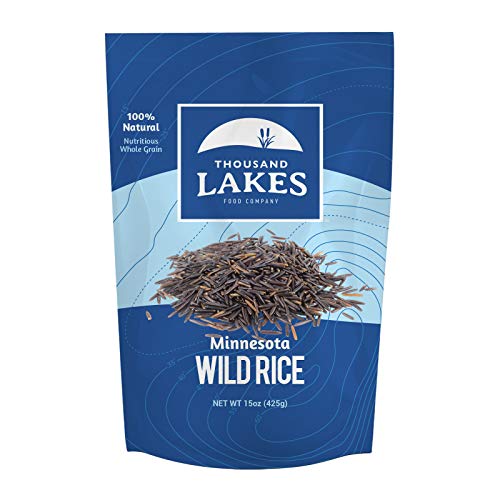
| Versatile Staples | Origin: Minnesota-grown | Packaging Size: 15 oz resealable pouch | Product Form: Dried whole wild rice (black hull, 3/8″ grain) | VIEW LATEST PRICE | Read Our Analysis |
| Red Lake Nation 100% Natural Wild Rice (1 lb) |

| Indigenous Choice | Origin: Minnesota-grown (Chippewa Native American–grown) | Packaging Size: 1 lb (16 oz) bag | Product Form: Dried cultivated wild rice (whole) | VIEW LATEST PRICE | Read Our Analysis |
| Moose Lake Minnesota Hand-Harvested Wild Rice (16 oz) |

| Health-Focused Pick | Origin: Minnesota-grown (hand-harvested) | Packaging Size: 16 oz (1 lb) package | Product Form: Dried hand-harvested wild rice (long-grain) | VIEW LATEST PRICE | Read Our Analysis |
| 100% All Natural NON-GMO Minnesota Wild Rice 5lbs |

| Bulk & Non-GMO | Origin: Minnesota / Great Lakes–sourced | Packaging Size: 5 lb resealable bag | Product Form: Dried whole grain wild rice | VIEW LATEST PRICE | Read Our Analysis |
More Details on Our Top Picks
Spicy World Minnesota Black Wild Rice 24oz
Whenever you love hearty, flavorful grains and want a pantry staple that cooks reliably, Spicy World Minnesota Black Wild Rice 24oz is a top pick for cooks who value taste and convenience. You’ll notice the long black grains that look striking in the bag and on the plate. Packaged in the USA, the resealable 24 ounce bag keeps freshness and makes storage easy. This all natural wild rice brings rich, nutty flavor and firm texture that lifts salads, pilafs, stir fries, and side dishes. You can rely on gourmet quality, regular rotation, and simple cooking for family meals.
- Origin:Minnesota-grown
- Packaging Size:24 oz (1.5 lb) resealable bag
- Product Form:Dried whole wild rice (long grain/black hull)
- Dietary Attributes:All-natural
- Flavor / Texture:Hearty, rich flavor; long-grain appearance
- Common Culinary Uses:Pilafs, stir-fries, salads, side dishes, rice dishes
- Additional Feature:Resealable heavy bag
- Additional Feature:U.S.-packaged freshness
- Additional Feature:Gourmet premium quality
Thousand Lakes Minnesota Wild Rice (15 oz)
Should you want a hearty, all-natural wild rice that cooks into firm, nutty grains and suits family meals or special dinners, Thousand Lakes Minnesota Wild Rice is a strong pick. You’ll get a 15-ounce resealable pouch of 100% wild rice grown in Minnesota, with a three eighths inch grain and black outer hull that gives deeper flavor and longer cook time. It’s kosher and all natural with no preservatives or added salt. You can use it in soups, salads, stuffings, casseroles, or with turkey, chicken, fish, or game. Keep in mind proteins and fiber are higher than white rice.
- Origin:Minnesota-grown
- Packaging Size:15 oz resealable pouch
- Product Form:Dried whole wild rice (black hull, 3/8″ grain)
- Dietary Attributes:All-natural; no preservatives; higher protein; low fat
- Flavor / Texture:Nutty, robust (implied for pilafs, soups, etc.)
- Common Culinary Uses:Soups, stews, casseroles, side dishes, stuffing, salads
- Additional Feature:Kosher certified product
- Additional Feature:18-month best-if-used
- Additional Feature:Single-ingredient purity
Red Lake Nation 100% Natural Wild Rice (1 lb)
In case you care about supporting Native-grown food and want wild rice that tastes like real lake harvests, Red Lake Nation 100% All Natural Minnesota Cultivated Wild Rice is a great pick for you. You’ll get a one-pound bag of Minnesota-grown rice tended by Chippewa hands, so it feels personal and rooted. It cooks into a nutty, pleasant textured grain that holds up in soups, bowls, and salads. It’s naturally gluten free and non-GMO, grown in free-flowing lakes and rivers with no arsenic concerns. You’ll feel good cooking it, sharing it, and appreciating who grew it and how.
- Origin:Minnesota-grown (Chippewa Native American–grown)
- Packaging Size:1 lb (16 oz) bag
- Product Form:Dried cultivated wild rice (whole)
- Dietary Attributes:Naturally gluten-free; Non‑GMO
- Flavor / Texture:Nutty flavor; pleasant texture
- Common Culinary Uses:Salads, side dishes, general cooking (versatile)
- Additional Feature:Chippewa Native–grown
- Additional Feature:Naturally non-GMO
- Additional Feature:No arsenic claim
Moose Lake Minnesota Hand-Harvested Wild Rice (16 oz)
Should you want a hearty, naturally gluten-free grain that’s packed with vitamins, fiber, and a nutty flavor, Moose Lake Minnesota Hand-Harvested Wild Rice (16 oz) is a smart pick you’ll reach for again and again. You’ll like that it’s hand-harvested from free-flowing lakes, non-GMO, and free of arsenic. It brings vitamins A, C, E plus magnesium and phosphorus for energy and bone support. High fiber aids digestion and heart health, while low calories and notable protein help with weight and muscle. Use it in soups, salads, stuffings, casseroles, muffins, or beside roasted duck for cozy meals.
- Origin:Minnesota-grown (hand-harvested)
- Packaging Size:16 oz (1 lb) package
- Product Form:Dried hand-harvested wild rice (long-grain)
- Dietary Attributes:Naturally gluten-free; Non‑GMO
- Flavor / Texture:Nutty flavor; pleasant texture
- Common Culinary Uses:Soups, stuffing, casseroles, side dishes, salads, muffins
- Additional Feature:Hand-harvested sourcing
- Additional Feature:High-antioxidant claims
- Additional Feature:Includes recipes
100% All Natural NON-GMO Minnesota Wild Rice 5lbs
Provided that you care about clean, hearty food that supports heart health and satiety, this 5 pound bag of all natural Minnesota wild rice is a smart pick for home cooks and health-minded families. You’ll get a resealable 5 lb bag of NON-GMO whole grain wild rice grown and harvested in Minnesota near the Great Lakes. It’s gluten free, rich in fiber and complete protein, and offers antioxidants that support cholesterol management. You can cook it in a rice cooker, Instant Pot, or stovetop, then use it in salads, soups, casseroles, or as a nutty, chewy side. A 90-day guarantee backs it.
- Origin:Minnesota / Great Lakes–sourced
- Packaging Size:5 lb resealable bag
- Product Form:Dried whole grain wild rice
- Dietary Attributes:Gluten-free; NON‑GMO Project verified; no preservatives
- Flavor / Texture:Nutty taste; chewy texture
- Common Culinary Uses:Salads, soups, casseroles, standalone or as ingredient
- Additional Feature:NON‑GMO Project verified
- Additional Feature:5 lb resealable bag
- Additional Feature:90-day satisfaction guarantee
Factors to Consider When Choosing Organic Dried Wild Rice
When you pick organic dried wild rice, start by checking where it’s grown and whether the farm follows strict organic rules so you know it’s responsibly sourced. You’ll also want to look at the certification, nutrition facts, and the rice’s flavor and texture because those affect both your health and how the dish will turn out. Finally, consider cooking time requirements since some varieties need longer soaking or simmering and that will change how you plan meals.
Origin And Sourcing
Provided that you care about flavor and the planet, being aware where your organic dried wild rice comes from matters a lot. You should check cultivated versus hand harvested labels because paddies and natural waterways yield different tastes and impacts. Next, verify the geographic origin so you avoid rice from areas with industrial runoff and reduce contamination risk. Look for clear farming and water source info that shows sustainable, free flowing waters and ethical harvesting to protect habitats. Also seek traceability details like harvest year, region, and processing location to confirm freshness and rotation. Finally, whenever available, confirm third party testing for purity, non GMO status, and arsenic screening to back up supplier claims and give you confidence in each bag.
Organic Certification Status
Because organic certification shows more than a label, you’ll want to check it carefully before you buy organic dried wild rice. Look for an accredited certifier seal and a certifier code or name on the package so you know a third party inspected the farm and supply chain. Certification covers field practices and post-harvest handling, so certified rice should be grown, processed, stored, and packed to avoid contamination. Notice wording differences on the label: 100% organic, organic, and made with organic ingredients mean different things. Also know organic doesn’t automatically mean non-GMO unless a non-GMO verification appears. Finally, recall certifier standards can vary across countries, so choose brands that name their certifier and explain their annual inspections.
Nutritional Profile
Now that you’ve looked at organic certification and what it guarantees, it’s helpful to see what you’re actually getting on your plate. Wild rice gives you more protein than most white rices, about 6 to 7 grams per cooked cup. That helps you feel fuller and supports muscle repair. You also get 2 to 3 grams of fiber per cup, which aids digestion and steady energy. Fat is very low, usually under 1 gram, and what’s there is mostly the healthier unsaturated type. You’ll pick up minerals like magnesium, phosphorus, and zinc, plus B vitamins such as niacin and folate. Compared with refined white rice, wild rice brings more antioxidants and a denser mix of micronutrients per calorie.
Flavor And Texture
Whenever you cook organic wild rice, you’ll notice a bold, nutty taste and a firm, chewy bite that feel more grown-up than plain white rice. You’ll taste earthy, toasty, sometimes smoky hints that stay with each forkful. Because the grain keeps its own flavor, you’ll want sauces that support rather than bury it. Texture comes from the outer hull, so grains stay long and separate instead of sticky. Pay attention to freshness and storage since old rice can taste stale and hydrate unevenly, making it tougher. You’ll also find wild rice holds broths and dressings well while still asserting its nuttiness. Selecting fresh, well stored rice and pairing it thoughtfully, you’ll enjoy both bold flavor and pleasing chew every time.
Cooking Time Requirements
Whenever you plan meals with organic dried wild rice, give time its proper place so dinner doesn’t feel like a guessing game. You’ll usually simmer rinsed wild rice 45 to 60 minutes after a quick rinse, or shorten that by soaking 1 to 4 hours or overnight to shave off 10 to 30 minutes and even out the texture. Use about 1 cup rice to 3 or 4 cups water so kernels cook through without turning mushy. Simmer gently with the pot partially covered and check after 40 minutes; cooked grains split slightly and feel tender inside with a chewy bite. Should you cook at high altitude, add 5 to 15 minutes and test for tenderness rather than trusting the clock.
Packaging And Freshness
After you’ve planned cooking times, consider about how the rice arrives at your kitchen and how you’ll keep it fresh. Choose resealable or airtight packaging like zip-top pouches, vacuum-sealed bags, or tins to block moisture and pests. Check for a clear production or pack date and a best by period, usually 12 to 24 months, so you know how fresh it is. Inspect seals for punctures, tears, or swelling since damage invites contamination. Prefer opaque or UV-protective packaging or an inner lining to protect delicate oils and flavor from light. Take note package weight and storage guidance so you match size to use rate. For larger bags, plan strict airtight storage after opening to preserve quality and prevent waste.
Sustainability Practices
At the time you care about where your wild rice comes from, look for producers who show how they harvest and protect the waterways that grow it. You’ll want clear reminders on hand harvesting versus mechanical methods, and proof they follow harvest windows so birds and fish aren’t startled. Check certifications and third party audits that verify rotational harvests, seedbed protection, and limits on annual take to keep populations healthy. Also weigh water use and watershed stewardship claims, since good growers manage water levels and prevent upstream pollution. Look for habitat and biodiversity steps like shoreline vegetation protection, wetland buffers, and limits on motorized gear. Finally prefer transparent supply chains with traceability, local community involvement, and fair labor practices so stewardship lasts.
