

About 60% of shoppers say shelf-stable meals are key for busy weeks and emergencies. You want a dry vegetable soup that tastes like real food, stores well, and cooks fast, so you can grab dinner or top up a survival kit without fuss. I’ll walk you through five top picks for 2026 and what makes each one worth keeping on the shelf.
| Alessi Split Pea Soup 6 Ounce |

| Authentic Comfort | Product Type: Dry soup mix | Vegetable Content: Mixed vegetables (with pasta) | Preparation Required: Rehydrate/cook (ready in <15 minutes) | VIEW LATEST PRICE | Read Our Analysis |
| Deluxe Dried Vegetable Soup Mix – 4 lb Jug |

| Bulk Pro Pick | Product Type: Dehydrated vegetable soup mix | Vegetable Content: Dehydrated vegetables (carrot, onion, celery, bell pepper, tomato) | Preparation Required: Rehydrate/cook (long-term storage, used in recipes) | VIEW LATEST PRICE | Read Our Analysis |
| Campbell’s Chunky Soup Savory Vegetable Soup 18.8 Oz Can |
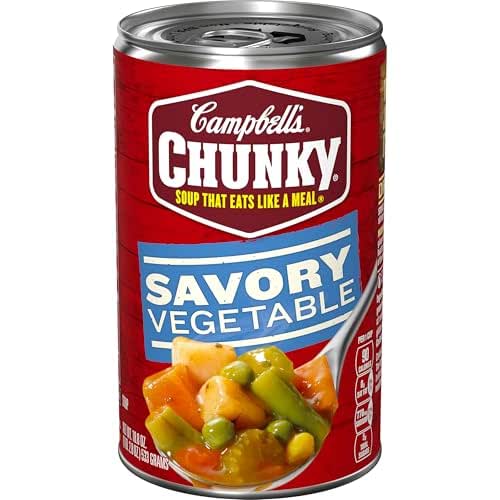
| Hearty Ready-to-Eat | Product Type: Canned (ready-to-heat) vegetable soup | Vegetable Content: Mixed vegetables (potato, carrot, corn, green beans, peas) | Preparation Required: Heat before serving (microwave/stovetop) | VIEW LATEST PRICE | Read Our Analysis |
| Knorr Vegetable Soup & Recipe Mix (1.4 oz) |

| Quick & Versatile | Product Type: Dry recipe/soup mix | Vegetable Content: Vegetable pieces (carrot, onion, tomato, leek, peas) | Preparation Required: Combine with water and cook (~20 minutes) | VIEW LATEST PRICE | Read Our Analysis |
| Campbell’s Condensed Vegetarian Vegetable Soup 10.5 Ounce Can |

| Pantry Staple | Product Type: Condensed canned vegetable soup | Vegetable Content: Mixed vegetables (carrots, potatoes, green beans, corn, peas) | Preparation Required: Add water to condensed soup and heat | VIEW LATEST PRICE | Read Our Analysis |
More Details on Our Top Picks
Alessi Split Pea Soup 6 Ounce
Provided that you want a quick, hearty Italian-style soup that’s ready in under 15 minutes, Alessi Split Pea Soup is a smart pick – it’s a 6-ounce dry mix that delivers thick, comforting split-pea flavor with vegetables, pasta, and select spices, making it ideal for cold nights or busy weeknights. You’ll appreciate the authentic Italian profile and the easy preparation that gets dinner on the table fast. The mix yields a hearty consistency that warms you up, and its convenience makes it pantry-friendly. In case you enjoy this, discover other varieties in Alessi’s Authentic Italian Soups collection.
- Product Type:Dry soup mix
- Vegetable Content:Mixed vegetables (with pasta)
- Preparation Required:Rehydrate/cook (ready in <15 minutes)
- Serving Use Cases:Cold-weather hearty bowl; quick meal
- Packaging Size/Format:6 ounce packet
- Convenience / Shelf Stability:Shelf-stable, quick prep
- Additional Feature:Traditional Italian flavor
- Additional Feature:Thick, hearty consistency
- Additional Feature:Ready under 15 minutes
Deluxe Dried Vegetable Soup Mix – 4 lb Jug
Provided that you cook for a group, run a small food business, or want a reliable pantry staple for camping and emergencies, this 4 lb jug of Deluxe Dried Vegetable Soup Mix is the smart pick-its restaurant-size packaging and premium blend of carrot, onion, celery, bell pepper, and tomato make it easy to flavor large batches of soups, sauces, and rice without fuss, and it’s shelf-stable, all‑natural, non‑GMO, gluten‑free, no‑MSG, and OU kosher. You’ll appreciate the 64 oz jug with handle for scooping and service. Use it in dips, meats, ramen, omelets, or emergency kits; it’s made in the USA and stores for years.
- Product Type:Dehydrated vegetable soup mix
- Vegetable Content:Dehydrated vegetables (carrot, onion, celery, bell pepper, tomato)
- Preparation Required:Rehydrate/cook (long-term storage, used in recipes)
- Serving Use Cases:Soups, sauces, dips, meals, camping, emergency supply
- Packaging Size/Format:4 lb (64 oz) jug with handle
- Convenience / Shelf Stability:Shelf-stable, long-term storage
- Additional Feature:Restaurant-gallon jug
- Additional Feature:Long-term storage
- Additional Feature:Certified Kosher (OU)
Campbell’s Chunky Soup Savory Vegetable Soup 18.8 Oz Can
Should you want a hearty, ready-to-eat option that’s often found in pantry staples, Campbell’s Chunky Savory Vegetable Soup – sold as a single 18.8 oz can – is a solid pick for lunches, workdays, or quick camp meals. You’ll get potatoes, carrots, corn, green beans, and peas in a tomato-based broth that’s filling and flavorful. It’s labeled vegetarian/vegan-friendly, so you can rely on it for plant-based convenience. Heat it in a microwave-safe bowl or warm on a stovetop before serving. The single-can packaging makes it easy to stash, grab, and enjoy with minimal prep.
- Product Type:Canned (ready-to-heat) vegetable soup
- Vegetable Content:Mixed vegetables (potato, carrot, corn, green beans, peas)
- Preparation Required:Heat before serving (microwave/stovetop)
- Serving Use Cases:Lunch or meal on-the-go; home/work/outdoor
- Packaging Size/Format:18.8 oz can
- Convenience / Shelf Stability:Shelf-stable canned good, ready when heated
- Additional Feature:Microwaveable ready-to-serve
- Additional Feature:Chunky potato pieces
- Additional Feature:Vegetarian/vegan-friendly
Knorr Vegetable Soup & Recipe Mix (1.4 oz)
In case you want a quick, no-fuss soup that also doubles as a versatile seasoning, Knorr Recipe Mix Vegetable (1.4 oz) is a smart pick – it makes about 4 cups of vegetable soup in roughly 20 minutes and can be used for dips, sauces, or to improve other dishes. You’ll find carrots, onions, tomatoes, leeks, and green peas in the mix, and it contains no artificial flavors. Use it as a simple soup base, stir it into sauces, or fold it into hot spinach-and-artichoke or creamy vegetable dips. It’s a handy, family-friendly flavor booster.
- Product Type:Dry recipe/soup mix
- Vegetable Content:Vegetable pieces (carrot, onion, tomato, leek, peas)
- Preparation Required:Combine with water and cook (~20 minutes)
- Serving Use Cases:Quick family soup, dips, or recipe seasoning
- Packaging Size/Format:1.4 oz packet
- Convenience / Shelf Stability:Shelf-stable dry mix, quick to prepare
- Additional Feature:Makes 4 cups
- Additional Feature:Multiuse as dip mix
- Additional Feature:No artificial flavors
Campbell’s Condensed Vegetarian Vegetable Soup 10.5 Ounce Can
Provided you want a familiar, easy-to-make pantry staple, Campbell’s Condensed Vegetarian Vegetable Soup delivers-just add an equal part of water, heat, and you’ve got a warm, veggie-packed bowl featuring carrots, potatoes, green beans, corn, and peas in a tomato base. You’ll get 2.5 servings from a 10.5-ounce recyclable, non-BPA lined can, and each 8-ounce prepared serving has about 80 calories. It’s condensed for quick prep and fits Campbell’s family-favorite lineup. Customize with avocado, herbs, or pair with crackers, a salad, or sandwich. Use it as a standalone meal or a hearty starter.
- Product Type:Condensed canned vegetable soup
- Vegetable Content:Mixed vegetables (carrots, potatoes, green beans, corn, peas)
- Preparation Required:Add water to condensed soup and heat
- Serving Use Cases:Meal starter or standalone bowl; pair with sides
- Packaging Size/Format:10.5 oz can (condensed)
- Convenience / Shelf Stability:Shelf-stable condensed can, requires water and heating
- Additional Feature:Condensed format (add water)
- Additional Feature:Recyclable non-BPA can
- Additional Feature:80 cal per prepared serving
Factors to Consider When Choosing Dry Packaged Vegetable Soups
At the time you pick a dry packaged vegetable soup, check ingredient quality initially so you’re not surprised by fillers or artificial additives. Consider preparation time and packaging size to match your schedule and how many servings you’ll need. Also weigh flavor versatility and nutritional content so the soup fits both your taste preferences and dietary goals.
Ingredient Quality
Look for soups that keep whole or large-cut dehydrated vegetables-diced carrots, peas, corn-because they rehydrate with better texture, flavor, and more intact nutrients than fine powders. You’ll want ingredient lists that name real vegetables (carrot, onion, tomato) rather than vague terms like “vegetable solids” or “natural flavors.” Check nutrition facts for sodium and added sugars; high levels often mean reliance on preservatives and flavor enhancers instead of quality produce. Favor short, simple ingredient lists with no artificial colors, flavors, or MSG to keep taste and nutrition closer to fresh vegetables. Also watch for added fats, starches, or thickeners (hydrogenated oils, modified food starch) that alter mouthfeel and hint at lower vegetable content.
Preparation Time
Ingredient quality matters, but preparation time will determine whether a soup actually fits your weeknight routine. Check the package cook or rehydration time-mixes run from instant (under 5 minutes) to quick-cook (10–20 minutes) or long simmering (30+ minutes)-and match that to your schedule. Take note whether the mix needs pre-soaking, boiling, or staged simmering; those steps add active or passive time. Identify whether the contents are dehydrated vegetables only (rehydrate fast) versus dried pasta or legumes, which need longer to reach proper texture. Keep in mind recommended resting time after cooking-5–15 minutes-to thicken and meld flavors. Finally, compare stovetop and microwave instructions: microwave saves active time but can change texture, so choose what balances speed and results.
Flavor Versatility
Though a soup mix might taste great straight from the packet, choose blends with a neutral or balanced vegetable base so you can adapt them easily-tomato, onion, carrot, and celery let you add proteins, grains, herbs, or global flavors without clashing. Pick mixes that rehydrate cleanly; whole dehydrated vegetables and powdered broths allow you to adjust texture through adding fresh veg, cream, or starches. Avoid concentrated or heavily spiced bases (strong curry, smoky, intensely herbed) because they lock you into one profile. Low-sodium or lightly seasoned options give you control to fine-tune salt, acid, heat, or sweetness for different cuisines. Finally, milder broths-clear or light tomato-serve as better canvases should you wish to convert a single mix into varied regional styles.
Nutritional Content
Once you’re choosing a dry packaged vegetable soup, focus initially on the nutrition label and serving size because reconstituted soups often pack 600–1,200 mg of sodium per serving unless marked low-sodium. Check calories, then compare protein and fiber per prepared serving-aim for roughly 3–6 g protein and 2–4 g fiber to stay satisfied. Review total and saturated fat, keeping saturated fat under about 2 g per serving since vegetable soups should be low in unhealthy fats. Scan the ingredient list and %DV for vitamin A, vitamin C, potassium, and iron to gauge nutrient density. Finally, observe added sugars and preservatives; choose blends with whole dehydrated vegetables and minimal additives for the cleanest profile.
Packaging Size
Now that you know how nutrition and serving size affect what’s in your bowl, consider how the package size will affect how you use and store the soup. Pick single-serving pouches or small cans unless you eat soup rarely or want portable options for lunch, travel, or camping. Choose family-size cans or multi-pound jugs whenever you cook often or feed several people to avoid constant repurchasing. Check prepared yield-small 1–2 oz mixes can stretch to 4 cups, while bulk containers yield many quarts-to prevent waste. For long-term storage or emergency kits, prefer large, shelf-stable containers with airtight seals. Finally, favor resealable packaging whenever you plan to use portions over time; it reduces spoilage and saves space.
Dietary Restrictions
Whenever choosing dry packaged vegetable soups, pay close attention to ingredient lists and nutrition panels so the soup fits your dietary needs and allergies. Check allergen statements for milk, soy, wheat/gluten, tree nuts, peanuts, and shellfish – dry mixes often use wheat thickeners, dairy powders, or soy flavorings. Should you follow vegetarian or vegan diets, confirm there’s no meat bouillon, gelatin, or dairy and prefer explicit vegan/vegetarian labels. For low-sodium needs, compare sodium per serving; choose products labeled “low sodium” or “reduced sodium.” In case you have gluten intolerance or celiac disease, look for “gluten-free” certification and avoid wheat, barley, rye, malt, and shared-facility warnings. For low-FODMAP, keto, or low-carb plans, review carbs, fiber, and avoid high-FODMAP ingredients like onion, garlic, added sugars, and starchy thickeners.
Storage Stability
Because dry soups can sit on your shelf for months or years, check labeled shelf life and store them in cool, dark, dry conditions (about 50–70°F and under 60% humidity) to preserve flavor and nutrients. Most unopened dehydrated vegetable soups stay stable 1–5 years if stored properly, but packaging matters: pick metal cans, foil pouches with oxygen absorbers, or vacuum-sealed jars to block moisture and oxygen. After opening, move contents to an airtight container and follow the manufacturer’s recommended use window-typically weeks to months-to avoid staleness or contamination. Take note powders, added fats, and freeze-dried bits can shorten stability; inspect for off-odors, discoloration, clumping, or insects before use and discard anything suspect.
