

Picture you packed a stadium picnic where guests grab French’s single-serve packets from the handful and the condiment table never runs dry. You’ll want mustard that’s consistent, bright, and fits the task-whether you need squeezable jars for sandwiches, bulk seeds for pickles, or organic ground for dressings. Keep going to see five top picks for 2026 and the quick buying guide that makes choosing simple.
| French’s Classic Yellow Mustard Packets (500 Count) |

| Best for Takeout | Product Type: Individual single-serve mustard packets | Mustard Variety: Classic yellow mustard | Culinary Use: Condiment for burgers, hot dogs, sandwiches, to-go orders | VIEW LATEST PRICE | Read Our Analysis |
| Simply Organic Ground Yellow Mustard Seed (3.07 oz) |
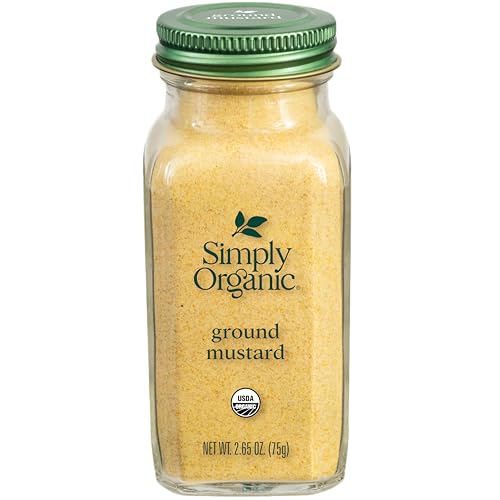
| Best Organic Spice | Product Type: Ground yellow mustard seed (spice) | Mustard Variety: Yellow mustard seed (Sinapis alba) | Culinary Use: Making mustard, pickling, sauces, dressings, spice blends | VIEW LATEST PRICE | Read Our Analysis |
| McCormick Gourmet Organic Yellow Mustard Seed 2.12 oz (Pack of 2) |

| Best for Homemade Mustard | Product Type: Whole yellow mustard seed (organic, pack of 2) | Mustard Variety: Yellow mustard seed (organic) | Culinary Use: Pickles, relishes, salads, marinades, whole-grain mustard | VIEW LATEST PRICE | Read Our Analysis |
| The Spice Way Yellow Mustard Seeds (6 oz) |

| Best for Pickling & Cooking | Product Type: Whole yellow mustard seed (6 oz bag) | Mustard Variety: Yellow mustard seed (whole) | Culinary Use: Pickling, ground mustard, cooking with vegetables/meats, sauces | VIEW LATEST PRICE | Read Our Analysis |
| French’s Classic Yellow Mustard 14 oz |

| Best Everyday Classic | Product Type: Squeeze bottle classic yellow mustard | Mustard Variety: Classic yellow mustard | Culinary Use: Table condiment for BBQs, everyday meals, sandwiches | VIEW LATEST PRICE | Read Our Analysis |
More Details on Our Top Picks
French’s Classic Yellow Mustard Packets (500 Count)
Should you serve food to crowds or run a delivery-focused kitchen, French’s Classic Yellow Mustard Packets (500 count) are the practical choice-each 7 g packet delivers the familiar bright, tangy mustard your customers expect and fits easily into takeout orders, catering trays, or concession lines. You’ll appreciate the stone-ground blend of whole, premium mustard seeds that gives consistent taste and color. Packaged for foodservice, these single-serve packets pair well with burgers, hot dogs, sandwiches, and sides. They’re gluten- and dairy-free, with no high-fructose corn syrup, artificial flavors, or dyes, so they meet many dietary preferences.
- Product Type:Individual single-serve mustard packets
- Mustard Variety:Classic yellow mustard
- Culinary Use:Condiment for burgers, hot dogs, sandwiches, to-go orders
- Packaging Size/Format:500 packets, 7 g each (single-serve)
- Ingredient Purity / No Unwanted Additives:No high-fructose corn syrup, no artificial flavors/dyes/coloring; stone-ground
- Professional / Foodservice Suitability:Formulated for chefs and foodservice, ideal for delivery/takeout
- Additional Feature:Single-serve convenience
- Additional Feature:7 g per packet
- Additional Feature:Tailgating/takeout friendly
Simply Organic Ground Yellow Mustard Seed (3.07 oz)
Provided you want a reliably mild, tangy foundation for homemade mustards, pickles, or dressings, Simply Organic Ground Yellow Mustard Seed delivers a sharp flavor without overpowering other ingredients. You’ll get 3.07 ounces of organic, non-irradiated ground Sinapis alba that brings mild heat and bright acidity to sauces, curries, spice blends, and vinaigrettes. Because Simply Organic works directly with growers and pays fair prices, you’re supporting transparent sourcing whenever you buy this kosher-certified spice. The compact bottle fits your spice rack and lets you control intensity and texture in recipes, giving you a clean, consistent yellow-mustard base every time.
- Product Type:Ground yellow mustard seed (spice)
- Mustard Variety:Yellow mustard seed (Sinapis alba)
- Culinary Use:Making mustard, pickling, sauces, dressings, spice blends
- Packaging Size/Format:3.07 oz jar/bottle (ground)
- Ingredient Purity / No Unwanted Additives:Organic, non-irradiated (no additives implied)
- Professional / Foodservice Suitability:Trusted organic spice brand for culinary uses and recipes
- Additional Feature:Certified organic
- Additional Feature:Kosher certified
- Additional Feature:Non-irradiated
McCormick Gourmet Organic Yellow Mustard Seed 2.12 oz (Pack of 2)
Provided that you want an organic, non‑GMO option with a bright, pungent bite, McCormick’s Gourmet Organic Yellow Mustard Seed (2.12 oz, pack of 2) delivers sharp tanginess that’s ideal for pickles, spice rubs, and homemade whole‑grain mustard. You’ll get #1 grade seeds certified organic and non‑GMO in two small, handy jars. Use them whole or grind for dressings, marinades, and sausages; they mellow with cooking and brighten roasted or braised meats. They also add zip to potato, chicken, and bean salads. Bear in mind that the listed weight is per pack, so plan quantities accordingly.
- Product Type:Whole yellow mustard seed (organic, pack of 2)
- Mustard Variety:Yellow mustard seed (organic)
- Culinary Use:Pickles, relishes, salads, marinades, whole-grain mustard
- Packaging Size/Format:2.12 oz per pack, pack of 2 (whole seeds)
- Ingredient Purity / No Unwanted Additives:Organic, non-GMO (premium grade seeds)
- Professional / Foodservice Suitability:Gourmet grade organic seeds for cooking and recipe use
- Additional Feature:Pack of two
- Additional Feature:#1 grade seeds
- Additional Feature:Non-GMO
The Spice Way Yellow Mustard Seeds (6 oz)
Choose The Spice Way Yellow Mustard Seeds (6 oz) provided you cook often and want pure, versatile mustard seeds you can grind, pickle, or toss into sauces and rubs. You’ll get whole seeds grown in the USA by growers with 30 years’ experience using hand-picking and sun-drying, then grinding at their facility as needed. The package contains only pure seeds-no preservatives, additives, MSG, fillers, or GMOs-and arrives packed fresh in a resealable bag to keep flavor intact. Use them for pickling, homemade ground mustard, veg and meat dishes, sauces, spice blends, and authentic regional recipes.
- Product Type:Whole yellow mustard seed (6 oz bag)
- Mustard Variety:Yellow mustard seed (whole)
- Culinary Use:Pickling, ground mustard, cooking with vegetables/meats, sauces
- Packaging Size/Format:6 oz resealable bag (whole seeds)
- Ingredient Purity / No Unwanted Additives:No preservatives, no additives, non-GMO, no fillers
- Professional / Foodservice Suitability:Grown and packed for culinary use, suited for authentic recipes
- Additional Feature:Grown in USA
- Additional Feature:Resealable bagged
- Additional Feature:Sun-dried tradition
French’s Classic Yellow Mustard 14 oz
Should you want a reliable, no-frills mustard for everyday meals and backyard BBQs, French’s Classic Yellow delivers a tangy kick and smooth texture in a handy 14 oz squeeze bottle. You’ll appreciate that it’s made in the USA from stone-ground, #1 grade mustard seeds and contains no artificial flavors or colors. The squeeze format makes portion control effortless for hot dogs, burgers, and sandwiches, and it’s a simple way to enhance tuna-try 2 tablespoons in a 12 oz can of light tuna. The 14 oz size feels convenient for household use, durable in the fridge and ready anytime you are.
- Product Type:Squeeze bottle classic yellow mustard
- Mustard Variety:Classic yellow mustard
- Culinary Use:Table condiment for BBQs, everyday meals, sandwiches
- Packaging Size/Format:14 oz squeeze bottle (prepared mustard)
- Ingredient Purity / No Unwanted Additives:No artificial flavors, no artificial colors; stone-ground
- Professional / Foodservice Suitability:Household/foodservice-friendly squeeze bottle for frequent use
- Additional Feature:Squeeze-bottle dispensing
- Additional Feature:Made in USA
- Additional Feature:Household-sized portion
Factors to Consider When Choosing Yellow Mustards
Upon selecting a yellow mustard, you’ll want to weigh flavor intensity and whether the seed formulation gives you a smooth or grainy texture. Check for organic certification and ingredient transparency so you know what you’re putting on your food. Also consider packaging type for freshness and ease of use.
Flavor Intensity
Because the heat of yellow mustard comes from both seed type and preparation, pay attention to seed variety, grind, acid and resting time to get the intensity you want. You’ll find yellow mustard ranges from mild and tangy to moderately sharp; ground yellow seeds are gentler than brown or black ones. Mix powder with water or vinegar and let it sit-longer resting develops more heat. Higher acidity (vinegar or lemon) increases bite, while sweeteners soften it, so adjust balance to taste. Particle size matters: whole or coarse seeds give a diffuse, milder profile; finely ground mustard hits bolder and faster. Also consider serving temperature-heat mellows pungency, cold preserves sharpness-so match intensity to your dish and preference.
Seed Formulation
Now that you know how seed type, grind and acidity shape mustard’s heat, look at the seed formulation itself-whole, cracked, or finely ground-and how those choices affect texture, flavor release and shelf life. You’ll choose whole seeds for slow-release pungency and visual texture; they keep longer because volatile compounds stay trapped until you bite or chew. Coarsely cracked or stone-ground seeds give a fuller, oilier mouthfeel and pronounced aroma soon after opening, thanks to exposed oils and larger particles. Finely milled powders create smooth sauces with immediate, consistent heat but lose volatile sharpness faster, shortening peak freshness. Balance is key: blends of whole and ground seed deliver stable shelf life with bright, immediate flavor. Prefer recently milled or coarser formulations for the freshest punch.
Organic Certification
Should you prefer to limit synthetic pesticides and GMOs in your condiments, look for certified organic yellow mustard-third-party seals like USDA Organic confirm that the seeds, vinegars, and any spices were grown and processed under organic standards. You’ll want to check labels carefully: “100% organic” means every ingredient is organic, “organic” means at least 95% is organic, and “made with organic ingredients” requires 70% organic content but can’t display the organic seal. Organic certification covers the whole ingredient chain and processing, not just marketing. Certification entails audits, record‑keeping, and compliance with handling rules, so you get verified practices rather than claims. Choosing organic mustard can reduce your exposure to residues from synthetic agrochemicals used in conventional seed production.
Ingredient Transparency
Should you’ve checked organic seals, the next step is to read labels closely for ingredient transparency so you know what’s actually in your yellow mustard. Check the ingredient list for seed type-yellow/white, brown, or black-since variety dictates heat and flavor. Note seed form and processing (whole, ground, stone-ground) plus salt, vinegar, or oil amounts to gauge texture and acidity. Look explicitly for additives or fillers like sugars, high‑fructose corn syrup, preservatives, artificial colors, or flavorings to judge purity. Verify allergen and cross‑contamination statements and whether the label declares gluten‑, dairy‑, or nut‑free status when you have restrictions. Prefer clear certifications or third‑party verification: organic, non‑GMO, kosher, or non‑irradiated claims.
Packaging Type
While choosing yellow mustard, consider how the packaging matches your use: squeeze bottles give quick, controlled dispensing for home meals, single‑serve packets work best for takeout or travel, resealable pouches keep whole seeds or bulk ground mustard fresher through limiting air, glass jars and tins protect flavor and let you inspect the product, and bulk tubs lower cost per serving for high‑volume use but demand careful storage to avoid oxidation. Pick squeeze bottles provided that you want fast, portioned application at the table. Use packets for consistent, portable servings. Choose resealable pouches to extend seed or ground freshness between uses. Opt for glass or tins whenever appearance and flavor protection matter. Buy bulk tubs only provided that you’ll store and rotate inventory properly to maintain quality.
Shelf Stability
Packaging affects freshness, but shelf stability determines how long a mustard stays good whether it’s sealed, opened, or stored in bulk. You’ll want to observe moisture: mustard seeds and powders are low-moisture (<10%), which slows microbial growth and extends shelf life. Acidity is your ally-prepared mustards with pH around 3.0–3.5 block most pathogens and molds. Check formulations: added water raises spoilage risk, while higher oil increases rancidity potential after opening. Choose airtight, opaque jars or resealable bags to limit oxygen, light, and moisture; properly packaged mustards can last 6–24 months depending on recipe. Store cool, dry, and dark, refrigerate emulsified or low-acid types after opening, and use “best by” dates plus senses to decide disposal.
Culinary Versatility
Because yellow mustard’s flavor is mild and its textures range from smooth to coarse, it’s one of the most adaptable condiments in your kitchen-you can smear it on sandwiches, whisk powdered mustard into dressings, bloom whole seeds in oil for curries, or fold it into marinades without overwhelming other ingredients. You’ll reach for ground or powdered mustard whenever you need a quick, soluble kick that activates with liquid for emulsified dressings, sauces, and marinades. Whole seeds give pickles, relishes, or tempering a pleasant crunch and visual appeal. Use its acidity and enzymatic heat to cut through rich, fatty components and to stabilize mayonnaise-style dressings and dips. Because it’s less pungent than brown or black mustard, it blends smoothly into spice rubs and mild dishes where a gentle mustard hint is desired.
Dietary Restrictions
Upon selecting yellow mustard for special diets, check the label and certifications so you know what’s actually in the jar. In case you need gluten-free products, look for certification or make certain ingredients list no wheat, barley, or malt – and watch for cross-contamination warnings from shared facilities. For lactose intolerance or milk allergy, confirm there are no milk-derived additives and seek dairy-free labeling. Avoid high-fructose corn syrup and artificial colors or flavors provided you follow a clean-label regimen. Choose certified organic or explicitly non-irradiated mustard whenever you want to steer clear of pesticides, synthetic additives, or irradiation. And should you have seed or mustard allergies, skip mustard entirely and watch for cross-contact statements on packaging.
