

Funny enough, you’ll stumble on this roundup just as you’re pondering how to replace anchovies without losing depth. You’ll find five top vegetarian “fish” sauces that use kombu, shiitake, miso, and soy to create salty, savory, umami-packed layers for Thai, Vietnamese, and fusion dishes. I’ll point out which are concentrated, heat-stable, low-sodium, or gluten-free—so you can pick the right substitute and get cooking.
| Thai Kitchen Premium Fish Sauce (23.66 fl oz) |
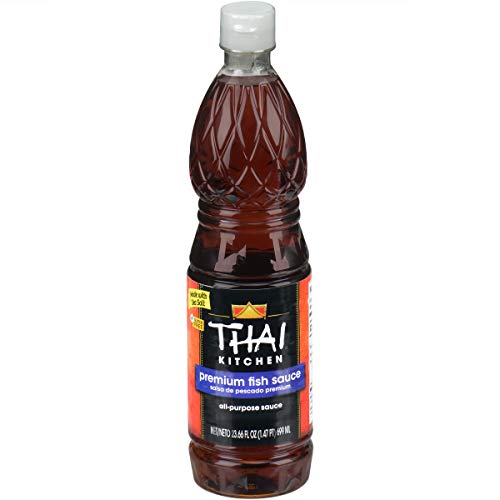
| Professional Pantry Pick | Bottle Size / Weight: 23.66 fl oz | Use Cases / Applications: Dressings, marinades, curries, stir-fries, soups, noodles, vegetables, tacos | No MSG / Clean Label Claim: MSG-free | VIEW LATEST PRICE | Read Our Analysis |
| Red Boat Phamily Reserve Premium Fish Sauce (8.45 fl oz) |

| Ultra-Premium Umami | Bottle Size / Weight: 8.45 fl oz | Use Cases / Applications: Sauces, marinades, dressings, soups, broths, fried rice, vegetables | No MSG / Clean Label Claim: No additives/preservatives (implies no MSG) | VIEW LATEST PRICE | Read Our Analysis |
| VIVID KITCHEN Bulgogi Sauce (8.6 oz) |

| For Korean BBQ Fans | Bottle Size / Weight: 8.6 oz | Use Cases / Applications: Marinade, finishing sauce, stir-ins for vegetables/noodles, dipping, topping for rice | No MSG / Clean Label Claim: No MSG | VIEW LATEST PRICE | Read Our Analysis |
| VIVID KITCHEN Kimchi Salsa – Korean-Mexican Fusion Condiment |

| Fusion Flavor Boost | Bottle Size / Weight: 7.6 oz | Use Cases / Applications: Dip, topping, marinade, finishing sauce, grilling accompaniment | No MSG / Clean Label Claim: No MSG | VIEW LATEST PRICE | Read Our Analysis |
| Red Boat Fish Sauce 8.45 Fluid Ounce |

| Pure First-Press | Bottle Size / Weight: 8.45 fl oz | Use Cases / Applications: Seasoning, marinades, dressings, stir-fries, soups | No MSG / Clean Label Claim: Described as pure/extra virgin (no additives implied) | VIEW LATEST PRICE | Read Our Analysis |
More Details on Our Top Picks
Thai Kitchen Premium Fish Sauce (23.66 fl oz)
Choose Thai Kitchen Premium Fish Sauce (23.66 fl oz) provided you need a bold, professional‑size condiment that brings authentic Thai umami to large‑batch cooking. You’ll find four simple ingredients — anchovy, sea salt, water, sugar — from fresh‑pressed, fermented anchovies filtered and pressed for clarity. It’s intense and complex, letting you swap it for salt or soy to enhance meats, broths, curries, stir‑fries, dressings, and marinades. Take into account it’s dairy‑, MSG‑and gluten‑free. The large bottle suits back‑of‑house use; check the use‑by date for peak flavor. You’ll lean on it to deepen Thai and fusion recipes.
- Bottle Size / Weight:23.66 fl oz
- Use Cases / Applications:Dressings, marinades, curries, stir-fries, soups, noodles, vegetables, tacos
- No MSG / Clean Label Claim:MSG-free
- Fermented / Traditional Preparation:Fermented (fresh-pressed salted anchovies in original)
- Culinary Flavor Focus:Intense, complex salty umami
- Gluten / Allergen Notes:Gluten-free; dairy-free
- Additional Feature:Professional-size bottle
- Additional Feature:Fresh-pressed anchovies
- Additional Feature:Inspires recipe creativity
Red Boat Phamily Reserve Premium Fish Sauce (8.45 fl oz)
Should you want the deepest umami from a single-ingredient fish sauce, reach for Red Boat Phamily Reserve — a initial-press, 50°N sauce made only from sea salt and black anchovies from Vietnam’s Phú Quốc, slowly fermented for a year in wooden barrels. You’ll get concentrated savory depth thanks to its high protein (50°N) and lack of water dilution; the maker selects the best barrel annually for this 8.45 fl oz premium. Use it sparingly in sauces, marinades, dressings, soups, stocks, fried rice, and roasted vegetables. It’s gluten-, sugar-, and preservative-free, Paleo/Whole30/Keto friendly.
- Bottle Size / Weight:8.45 fl oz
- Use Cases / Applications:Sauces, marinades, dressings, soups, broths, fried rice, vegetables
- No MSG / Clean Label Claim:No additives/preservatives (implies no MSG)
- Fermented / Traditional Preparation:Slowly fermented one year in wooden barrels (traditional Vietnamese technique)
- Culinary Flavor Focus:High-umami, concentrated savory (higher protein)
- Gluten / Allergen Notes:Gluten-free; no soy; sugar-free; no preservatives
- Additional Feature:50°N high-protein
- Additional Feature:Phú Quốc origin
- Additional Feature:Year-long barrel fermentation
VIVID KITCHEN Bulgogi Sauce (8.6 oz)
Should you want an authentic Korean bulgogi flavor without artificial additives, VIVID KITCHEN Bulgogi Sauce delivers a rich, savory blend of soy, garlic, and sesame with a touch of sweetness—made in Korea and free of MSG and preservatives. You’ll get a thick, pourable sauce in an 8.6 oz bottle that’s ready to use straight from the pantry. Use it to marinate plant-based proteins or meats, finish grilled vegetables, stir into noodles, drizzle over rice, or serve as a dipping sauce. Its smooth, balanced profile suits everyday meals and weekend BBQs, offering clean, traditional flavor with convenient packaging.
- Bottle Size / Weight:8.6 oz
- Use Cases / Applications:Marinade, finishing sauce, stir-ins for vegetables/noodles, dipping, topping for rice
- No MSG / Clean Label Claim:No MSG
- Fermented / Traditional Preparation:(Korean-style sauce built on traditional bulgogi flavors; fermented elements implied by soy/garlic/sesame base)
- Culinary Flavor Focus:Rich, savory with garlic, sesame and subtle sweetness
- Gluten / Allergen Notes:No MSG, clean ingredients (no artificial preservatives) — typical soy-based sauce (check label for gluten if sensitive)
- Additional Feature:Thick pourable texture
- Additional Feature:Authentic Korean flavor
- Additional Feature:No artificial preservatives
VIVID KITCHEN Kimchi Salsa – Korean-Mexican Fusion Condiment
In case you love bold, tangy flavors with a spicy kick, VIVID KITCHEN Kimchi Salsa is perfect for vegetarians and flexitarians who want a Korean twist on Mexican dishes; it’s plant-based, probiotic-rich, and comes in mild and hot options so you can match heat to the meal. You’ll get real kimchi flavor from naturally fermented ingredients without MSG or artificial preservatives in a 7.6 oz bottle. Use it as a dip, topping, marinade, or finishing sauce for tacos, burritos, burgers, grilled items, stir‑fries, and sandwiches. It brightens everyday cooking and entertaining with versatile, fermented depth.
- Bottle Size / Weight:7.6 oz
- Use Cases / Applications:Dip, topping, marinade, finishing sauce, grilling accompaniment
- No MSG / Clean Label Claim:No MSG
- Fermented / Traditional Preparation:Contains real kimchi flavor from natural fermented ingredients (probiotics)
- Culinary Flavor Focus:Tangy, spicy kimchi-forward (Korean–Mexican fusion)
- Gluten / Allergen Notes:Plant-based; no MSG; no artificial preservatives (probiotic-containing)
- Additional Feature:Mild and Hot options
- Additional Feature:Contains probiotics
- Additional Feature:Korean–Mexican fusion
Red Boat Fish Sauce 8.45 Fluid Ounce
In case you want authentic, intense umami without additives, Red Boat Fish Sauce (8.45 fl oz) delivers with its 100% pure, initial-press, extra-virgin composition—perfect for elevating marinades, dressings, stir-fries, and soups. You’ll appreciate its straightforward seasoning power: it adds depth and savory complexity without masking other ingredients. Use it sparingly to enhance balance and layer flavors in vegetarian dishes that want fish-sauce-like umami. The label clearly states purity and initial-press production, so you know what you’re getting. Manufactured by Kreyenhop & Kluge GmbH & Co. KG in Oyten, Germany, it’s a reliable pantry staple.
- Bottle Size / Weight:8.45 fl oz
- Use Cases / Applications:Seasoning, marinades, dressings, stir-fries, soups
- No MSG / Clean Label Claim:Described as pure/extra virgin (no additives implied)
- Fermented / Traditional Preparation:First-press / extra virgin (traditional fish-sauce production method implied)
- Culinary Flavor Focus:Umami, depth for seasoning
- Gluten / Allergen Notes:100% pure first-press (no additives; standard fish-sauce composition — gluten not indicated)
- Additional Feature:First-press extra virgin
- Additional Feature:100% pure composition
- Additional Feature:European manufacturer labeled
Factors to Consider When Choosing Vegetarian Fish Sauces
At the time of picking a vegetarian fish sauce, consider how the flavor profile balances salty, sweet, and acidic tones so it complements your dishes. Check ingredient transparency and whether the umami comes from mushrooms, seaweed, soy, or fermented grains, and observe the fermentation and processing methods used. Also compare sodium and total salt content to match your dietary needs.
Flavor Profile Balance
Although you’re replacing anchovy-driven umami, a good vegetarian fish sauce still needs a clear balance of savory, salty, sweet, and acidic subtleties so it lifts rather than overwhelms a dish. You’ll look for dominant umami from fermented soy, shiitake, miso, or seaweed, tempered with moderate salt. A light sweetness—mirin, rice syrup, or sugar—rounds edges while a touch of vinegar or citrus brightens the finish. Pay attention to marine or fermented aroma: toasted nori or kelp extracts should be subtle, not abrasive. Consider concentration and texture—dilute concentrates for dressings, use lighter versions liberally in soups and stir-fries. Finally, check sodium levels and adjust recipes so saltiness doesn’t mask the layered umami.
Ingredient Transparency
Ingredient transparency matters because the ingredients and processes determine both flavor and what you can safely eat, so look for full, specific lists that name components like soy protein, kelp, shiitake, miso, salt, and yeast extract rather than vague terms such as “natural flavors.” You should check labels for the type and source of umami contributors—kombu, shiitake extract, miso, or fermented soy—as they shape depth and allergen risk. Prefer products that disclose processing aids and additives like hydrolyzed vegetable protein, MSG, or preservatives so you can avoid concealed allergens. Verify whether manufacturers list percentages or order ingredients by weight; higher placement means greater contribution. Finally, seek clarity on production methods—fermented, hydrolyzed, concentrate, or blended—as those influence flavor complexity, sodium, and free glutamates.
Umami Source Alternatives
Balance matters: pick umami sources that match the flavor profile and dietary needs of your dish, since different alternatives (miso, kombu, shiitake, nutritional yeast, and fermented vegetable seasonings) contribute distinct glutamates, nucleotides, iodine, and texture. Use miso sparingly—1–2 teaspoons per serving—to add concentrated savory depth without overpowering. Simmer a 5–10 g piece of kombu for 20–30 minutes to infuse natural glutamic acid and iodine into broths. Rehydrate 5–10 g shiitake or add 1–2 teaspoons of shiitake powder to introduce guanylate compounds that synergize with glutamates. Sprinkle 1 tablespoon of nutritional yeast for quick cheesy umami in sauces and dressings. Try fermented vegetable-based seasonings (soy-free or tamari-free) if avoiding soy or wheat; they act like fish-sauce substitutes at comparable ratios.
Sodium And Salt Content
Those umami-packed alternatives can help cut back on salt, but you still need to watch sodium whenever choosing a vegetarian fish sauce. Labels vary: expect about 300–1,200 mg sodium per tablespoon, and some list nutrition per teaspoon, which can make sodium seem lower. Since salt often acts as preservative and flavor enhancer, low-sodium versions replace it with mushroom extract, miso, or seaweed to keep taste. Should you’re limiting sodium, pick products labeled “low sodium” (around 140 mg or less per serving) or calculate portions so the meal stays within your daily limit. To reduce sodium without losing flavor, dilute the sauce with water, citrus, or vinegar and add garlic, ginger, or toasted sesame oil.
Fermentation And Processing
At the time you’re choosing a vegetarian fish sauce, pay close attention to how it’s fermented and processed because those steps shape the sauce’s umami depth, aroma, and stability. You’ll find producers use plant bases—soy, mushrooms, seaweed, fermented paste, or grains—where enzymes from koji, lactic bacteria, or controlled yeasts break proteins and carbs into glutamates, inosinate/guanylate, and sugars that create savory complexity. Fermentation can run days to months; longer fermentations usually yield deeper, more complex flavors, while short lacto-ferments taste fresher. After fermentation, manufacturers press or centrifuge, then filter and often pasteurize to extract and stabilize the liquid. Blends with kelp, kombu, salt (commonly 10–25% w/w), and fermented extracts recreate briny, fish-like character without anchovies.
Dietary And Allergen Labels
Whenever you’re choosing a vegetarian fish sauce, read labels carefully to confirm it’s truly plant-based and safe for your dietary needs; look for clear “vegetarian” or “vegan” claims and scan allergen statements for soy, wheat/gluten, nuts, sesame, or mustard. You ought to verify gluten-free certification or a tested gluten-free statement in case you have celiac disease, since many soy-based substitutes contain wheat. Check ingredient lists for added MSG, sulfites, or artificial preservatives and observe any “no added” claims in case you’re sensitive. Also watch manufacturing warnings about cross-contact—”made in a facility that also processes fish/shellfish” can pose risk for severe seafood allergies. Whenever uncertain, contact the manufacturer for sourcing and testing details before buying or serving.
Culinary Versatility
Now that you’ve learned how to read labels and spot allergens, consider about how you’ll actually use a vegetarian fish sauce in the kitchen. Look for blends that balance salty, umami, and sweet annotations—they adapt across dressings, marinades, soups, stir-fries, and dipping sauces. Check bases like soy, mushrooms, seaweed, fermented beans, or miso, since they determine compatibility with Thai, Vietnamese, Japanese, or fusion dishes. Pick thicker or reduced versions for finishing and glazing, and thinner, saltier ones for broths, vinaigrettes, and quick sauces. Verify heat- and acid-stability—fermented soybean- or seaweed-based sauces hold up in high-heat stir-fries and long braises better than fresh-ingredient condiments. Mind sodium concentration and dilution ratios; taste and adjust, since concentrations vary from fish-based equivalents.
