

You may suppose a single scoop of matcha could change your whole day, and that feeling is not far off. You’ll find five plant based matchas here that serve different moods and routines, from creamy ceremonial powders to a gentle everyday blend for lattes and smoothies. I’ll guide you through flavor, texture, caffeine, and how each works with plant milks and simple whisking, so you can pick one that suits your ritual.
| Umami Leaf Organic Ceremonial Matcha (Uji Kyoto) |

| Traditional Excellence | Grade: Ceremonial grade | Origin (Japan): Uji, Kyoto | Harvest / First Flush: First harvest, spring-picked | VIEW LATEST PRICE | Read Our Analysis |
| MAISON MATCHA Organic Ceremonial Grade Matcha Powder |

| Everyday Ritual | Grade: Ceremonial grade | Origin (Japan): Shizuoka | Harvest / First Flush: First harvest (first flush) | VIEW LATEST PRICE | Read Our Analysis |
| YULU Everyday Blend Matcha Powder (30g) |
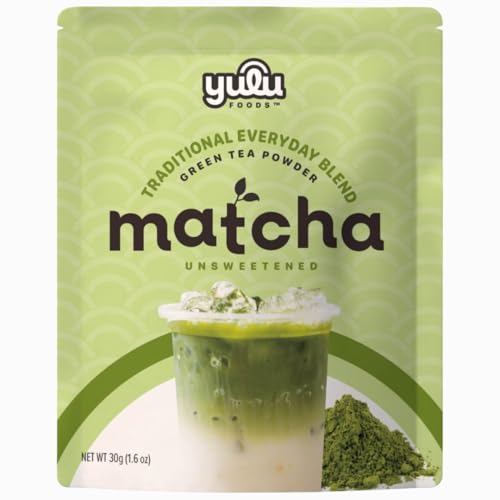
| Daily Café-Style | Grade: Ceremonial blend (ceremonial quality) | Origin (Japan): Top tea-growing regions of Japan | Harvest / First Flush: First harvest tea leaves | VIEW LATEST PRICE | Read Our Analysis |
| Matchabar Ceremonial Grade Japanese Matcha Powder (30g) |

| Energy-Focused Pick | Grade: Ceremonial grade | Origin (Japan): Nishio | Harvest / First Flush: First harvest (young leaves) | VIEW LATEST PRICE | Read Our Analysis |
| FKRO Organic Ceremonial Grade Matcha (30g) |

| Single-Origin Freshness | Grade: Ceremonial grade | Origin (Japan): Tenryū, Shizuoka | Harvest / First Flush: First harvest | VIEW LATEST PRICE | Read Our Analysis |
More Details on Our Top Picks
Umami Leaf Organic Ceremonial Matcha (Uji Kyoto)
At the moment you want a ceremonial matcha that feels like a small ritual in your kitchen, Umami Leaf Organic Ceremonial Matcha is the choice for people who value purity and tradition. You’ll notice its Uji, Kyoto origin and spring initial harvest right away. It’s shade-grown and hand-picked, using time-honored Japanese methods that give a lively emerald color and smooth texture. You get pure umami, balanced L-theanine and caffeine, plus antioxidants like EGCG. It’s USDA Organic, additive-free, and sealed in a premium 40 g tin. Use it for ceremonies, lattes, smoothies, or cooking with precise serving suggestions included.
- Grade:Ceremonial grade
- Origin (Japan):Uji, Kyoto
- Harvest / First Flush:First harvest, spring-picked
- Processing / Texture:Shade-grown, hand-picked, smooth texture
- Functional Compounds (Caffeine & L-theanine):Contains caffeine and L-theanine (balanced)
- Recommended Uses:Traditional ceremonies, lattes, smoothies, culinary
- Additional Feature:USDA Organic certified
- Additional Feature:Sealed premium tin
- Additional Feature:Imperial-ceremony heritage
MAISON MATCHA Organic Ceremonial Grade Matcha Powder
Whenever you want a ceremonial matcha that feels like a small, calm ritual every morning, MAISON MATCHA fits that need nicely. You get organic ceremonial grade powder from Shizuoka, Japan, grown in volcanic soil that gives a clean taste. It’s made from initial flush leaves of the Yabukita cultivar, stone ground into a bright green, creamy powder. You’ll notice natural sweetness, low bitterness, and minimal astringency. Use it for usucha or a latte, and enjoy the whisking ritual for focused calm. It’s unsweetened, contains caffeine and L-theanine, and comes in an 80 g pouch for about 40 servings.
- Grade:Ceremonial grade
- Origin (Japan):Shizuoka
- Harvest / First Flush:First harvest (first flush)
- Processing / Texture:Stone-ground from tencha; smooth, creamy texture
- Functional Compounds (Caffeine & L-theanine):Naturally contains caffeine and L-theanine
- Recommended Uses:Traditional usucha, everyday lattes
- Additional Feature:JAS certified
- Additional Feature:80 g abundance pouch
- Additional Feature:Ichigo Ichie ritual focus
YULU Everyday Blend Matcha Powder (30g)
Provided that you want a smooth, everyday matcha that feels like a treat without the fuss, YULU Everyday Blend is a great choice for busy folks who still care about quality. You’ll notice the bright green color and ultra-fine powder right away, and it mixes without clumps whether you whisk it traditionally or stir it into milk for a latte. It comes from shade-grown, initial harvest leaves in top Japanese regions, so the flavor stays clear and authentic. You get café-quality refinement with lower caffeine, which means gentle energy that fits your routine and comforts you daily.
- Grade:Ceremonial blend (ceremonial quality)
- Origin (Japan):Top tea-growing regions of Japan
- Harvest / First Flush:First harvest tea leaves
- Processing / Texture:Ultra-fine, finely milled powder; smooth texture
- Functional Compounds (Caffeine & L-theanine):Low caffeine for gentler stimulation (contains caffeine/L-theanine)
- Recommended Uses:Traditional whisked matcha, lattes (hot/iced)
- Additional Feature:Ultra-fine milling
- Additional Feature:Café-quality everyday
- Additional Feature:Low-caffeine profile
Matchabar Ceremonial Grade Japanese Matcha Powder (30g)
Should you want a matcha that feels both powerful and clean, Matchabar Ceremonial Grade Japanese Matcha is a great pick because it uses initial-harvest, shade-grown leaves from family farms in Nishio, Japan and is blended under the care of a certified tea maestro. You’ll notice a bright, smooth flavor that’s easy to love. It’s ceremonial grade, non-GMO, gluten-free, vegan, and calorie free. It gives you higher caffeine and calming L-theanine so energy stays steady. The 30 g tin is crafted by founders who built MatchaBar from a cafe into a movement, so you get quality and care in every scoop.
- Grade:Ceremonial grade
- Origin (Japan):Nishio
- Harvest / First Flush:First harvest (young leaves)
- Processing / Texture:Matcha-specific machinery; ceremonial grind; smooth powder
- Functional Compounds (Caffeine & L-theanine):Higher caffeine with L-theanine for sustained focus
- Recommended Uses:Traditional preparation and lifestyle energy-ceremonial sipping, lattes
- Additional Feature:Tea-master certified
- Additional Feature:Family-farmed Nishio
- Additional Feature:Higher-caffeine formula
FKRO Organic Ceremonial Grade Matcha (30g)
Should you want a matcha that feels like a calm, focused lift for your day, FKRO Organic Ceremonial Grade Matcha is a great pick. You’ll notice bright green powder from Tenryu, Shizuoka, grown by the Yoshi family since 1915. It’s single Saemidori cultivar, shaded three weeks and hand-picked using organic methods. They harvest small batches and air‑fly them monthly so your cup tastes fresh. The texture is creamy and smooth, with natural sweetness and refined umami. Use it for usucha, lattes, or smoothies; you’ll get a gentle caffeine uplift without jittery spikes, which helps you stay steady.
- Grade:Ceremonial grade
- Origin (Japan):Tenryū, Shizuoka
- Harvest / First Flush:First harvest
- Processing / Texture:Creamy, smooth texture; finely milled
- Functional Compounds (Caffeine & L-theanine):Gentle, energy-boosting caffeine (contains L-theanine)
- Recommended Uses:Usucha (thin tea), lattes, smoothies
- Additional Feature:Single Saemidori cultivar
- Additional Feature:Air-flown monthly
- Additional Feature:Grown by Yoshi family
Factors to Consider When Choosing Plant Based Matchas
Whenever you choose a plant based matcha, start checking origin and terroir because the growing region shapes aroma and body. You’ll also want to observe harvest timing and grade since young spring leaves and ceremonial quality give smoother, sweeter flavor. Finally look for organic certifications and a balanced flavor profile so you get clean, consistent taste without unwanted bitterness.
Origin And Terroir
Should you care about flavor, start with where your matcha comes from and how it was grown, because soil, elevation, and local weather shape everything you taste. You’ll notice volcanic soils often give cleaner, mineral notes, while clay rich ground produces rounder sweetness. Sunlight patterns and rainfall change chlorophyll and L theanine levels, so cooler, misty spots tend to make brighter green leaves and more umami. Shade growing techniques concentrate chlorophyll and L theanine, which raises sweetness and cuts bitterness in the powder. Whenever farmers pick small batches at hand from specific fields, terroir shows up as finer mouthfeel and deeper complexity compared with bulk blends. Pay attention to region and farming style to find matcha that feels honest and alive.
Harvest Timing
You can taste where a matcha comes from, and that same sense of place will shape the moment it’s picked. Whenever you choose matcha, look for premier harvest ichibancha for a sweet, bright cup with higher L-theanine and vivid green color. Later harvests like nibancha and sanbancha tend to be coarser and bittery, so they suit baking and cooking better. Also pay attention to how long leaves were shaded before harvest. Longer shading, usually two to four weeks, enhances umami and softens astringency. Keep in mind fresh grind matters too. Antioxidants and volatile flavors peak right after harvest and fade over weeks without proper storage. Finally, accept that seasonal weather shifts can change harvest timing and alter caffeine and catechin levels year to year, affecting taste.
Organic Certifications
Because certified organic tells a clear story about how your matcha was grown and handled, it’s a smart initial check whenever you’re shopping. Look for third party seals like USDA Organic, JAS, or EU Organic on the label. These marks prove farms avoided synthetic pesticides, herbicides, and fertilizers. They also limit irradiation and GMOs, so you get clearer purity standards than unlabeled products.
Organic rules usually demand documented farm to pack traceability and routine inspections. That means you can often find origin and handling records should you care where your matcha comes from. Check packaging for certifier names, certification numbers, or logos, then verify them on the certifier database. Keep in mind organic status won’t promise flavor or ceremonial grade.
Grade And Quality
As you select matcha, consider of grade and quality as the twin guides that decide how it will taste and feel in your cup. You’ll want ceremonial grade for drinking straight because it uses the youngest shaded initial harvest leaves, hand-picked and stone ground into an ultra-fine powder. Look for bright emerald green and a clump-free silky texture since dull or brownish powder means lower quality or oxidation. Freshness matters too so choose small-batch harvests stored away from light and air and drink within weeks to months of milling. Organic cultivation and careful shading raise L-theanine and chlorophyll while cutting pesticide risk. Proper processing removes stems and veins for smooth sweetness and minimal bitterness, giving you a calm, clean matcha experience.
Flavor Profile Balance
Whenever you cup matcha, pay close attention to how sweetness, umami, astringency, and bitterness sit together, since a well-balanced profile makes every sip feel calm and bright. You want bright emerald color and ultra-fine texture because they usually mean higher chlorophyll and amino acids that lean sweet and savory rather than harsh. Notice initial-harvest leaves for softer, sweeter notes and later harvests for more astringency. Let texture guide you too since fine powders disperse evenly, avoiding bitter pockets. Taste for moderate astringency and low harsh bitterness; too much astringency often signals lower quality or rough processing. Lastly, trust your palate: choose matcha that feels smooth, rounded, and lively in the mouth so each cup comforts and lifts you.
Caffeine And L‑Theanine
As you choose a matcha, consider how caffeine and L‑theanine will affect your day, since they work together to shape both your energy and calm. You’ll get both in typical ceremonial servings of about 1 to 2 g, which means roughly 25 to 70 mg caffeine and 6 to 20 mg L‑theanine. L‑theanine eases tension and supports focused attention by promoting alpha brain waves, so it softens caffeine’s edge. Since you sip the whole leaf powder, caffeine absorbs more slowly than coffee, giving steadier energy that can last three to six hours with less crash. Pay attention to the ratio of L‑theanine to caffeine, since higher relative L‑theanine brings calmer focus. Also track total daily stimulants, because multiple servings add caffeine linearly.
Texture And Solubility
You’ve just learned how caffeine and L-theanine shape your energy and focus, and that rhythm matters. Now consider texture and solubility because they change how enjoyable your cup feels. Ultrafine, stone-ground powders under 50 microns mix evenly and give a smooth mouthfeel. Bright vivid green powders usually come from young, chlorophyll-rich leaves and dissolve more readily in water or plant milk. Low moisture matcha resists clumps, so you won’t need to sift as much. In case powder has higher lipids from older leaves, it could float in cold drinks unless it’s ultrafine milled or you use an emulsifier. Whisk hot water in a W motion at 70 to 80°C for silkiness, and use a blender or frother for cold creamy drinks to get steady suspension.
Packaging And Freshness
Because matcha breaks down fast whenever it meets light, heat, or air, how it’s packed matters a lot for taste and color. You want opaque, airtight tins with inner seals or small resealable pouches so sunlight and oxygen stay out. Vacuum-sealed or nitrogen-flushed packs are even better; check the label for those words. Choose 30 to 40 gram formats to avoid long exposure after opening. Look for a packing or roast date, not just a best-by, so you can pick fresh harvests. After opening, keep matcha in its sealed container in the fridge, or transfer to an insulated jar away from strong smells, moisture, and temperature swings. Cold-chain storage also helps preserve that bright green color and rich umami flavor you love.
