

Once you swapped supermarket soy for a small-batch organic bottle and your stir-fry tasted like a restaurant dish, you knew there was no going back. You’ll find five organic soy sauces that lift marinades, dressings, and simple weeknight meals with deeper umami and cleaner ingredients. I’ll walk you through choices that balance salt, age, and packaging so you can pick a bottle that fits your pantry, cooking style, and values.
| Kikkoman Lite Soy Sauce 64-Ounce Bottle |

| Lower-Sodium Pick | Bottle Size / Volume: 64 oz (2 qt) | Brewing / Production Method: Brewed (Kikkoman standards) | Primary Ingredients: (Implied) soy-based (soybeans/wheat/salt typical) | VIEW LATEST PRICE | Read Our Analysis |
| Kikkoman Soy Sauce 1.25 qt |

| All-Purpose Classic | Bottle Size / Volume: 40 oz (1.25 qt) | Brewing / Production Method: Naturally brewed and aged | Primary Ingredients: Water, wheat, soybeans, salt | VIEW LATEST PRICE | Read Our Analysis |
| Yamaroku Tsuru Bisiho Aged Japanese Soy Sauce (18oz) |

| Artisan Premium | Bottle Size / Volume: 18 oz (532 ml) | Brewing / Production Method: Traditional brewed and barrel-aged (4 years, kioke) | Primary Ingredients: Soybeans, wheat, salt, water | VIEW LATEST PRICE | Read Our Analysis |
| Aloha Shoyu Original Blend Soy Sauce (24 oz.) |
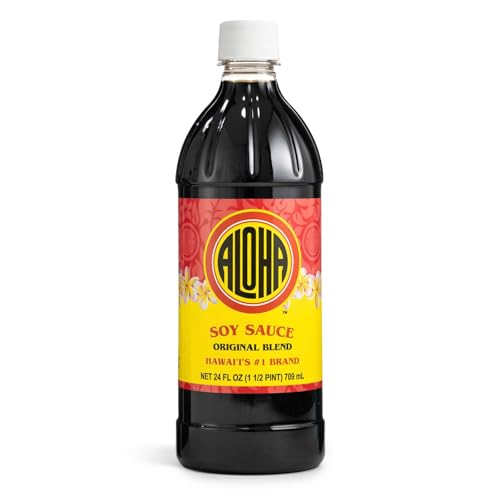
| Island Favorite | Bottle Size / Volume: 24 oz | Brewing / Production Method: Fermented (blend reflecting Japanese/Hawaiian tradition) | Primary Ingredients: Water, wheat gluten, salt, sugar, fermented soybeans | VIEW LATEST PRICE | Read Our Analysis |
| Kikkoman Naturally Brewed Soy Sauce 15 oz |

| Pantry Staple | Bottle Size / Volume: 15 oz | Brewing / Production Method: Naturally brewed | Primary Ingredients: (Implied) soy-based (naturally brewed soy sauce ingredients) | VIEW LATEST PRICE | Read Our Analysis |
More Details on Our Top Picks
Kikkoman Lite Soy Sauce 64-Ounce Bottle
Provided that you want a low-sodium option that still brings big flavor to your kitchen, Kikkoman Lite Soy Sauce in the 64-ounce bottle is a smart pick you’ll reach for again and again. You’ll notice rich umami that lifts both Asian and Western recipes, so you can season stir fries, marinades, soups, and salads with confidence. Because it has 38% less sodium than regular soy sauce, you’ll feel better offering it to family and guests. It’s brewed in the USA to Kikkoman quality standards and is certified Kosher, so you can trust its consistency and care.
- Bottle Size / Volume:64 oz (2 qt)
- Brewing / Production Method:Brewed (Kikkoman standards)
- Primary Ingredients:(Implied) soy-based (soybeans/wheat/salt typical)
- Flavor Profile / Taste Notes:Rich umami, general seasoning
- Uses / Culinary Applications:General seasoning for Asian and Western dishes
- Certifications / Positioning:Certified Kosher; reduced sodium (38% less)
- Additional Feature:38% less sodium
- Additional Feature:64 oz economy bottle
- Additional Feature:Brewed in USA
Kikkoman Soy Sauce 1.25 qt
Should you want a kitchen staple that’s reliable for everyday cooking, Kikkoman Soy Sauce in the 1.25 quart bottle is a smart choice. You’ll find it naturally brewed from water, wheat, soybeans, and salt, and aged for a fuller taste. It pours a reddish brown color and gives dishes a complex flavor without hiding what you cooked. Use it for marinades, dipping, finishing, and general seasoning because it lifts aroma and color as well as taste. It’s certified Kosher and popular with vegans, so you can feel good about keeping this versatile, fantastic tasting bottle on hand.
- Bottle Size / Volume:40 oz (1.25 qt)
- Brewing / Production Method:Naturally brewed and aged
- Primary Ingredients:Water, wheat, soybeans, salt
- Flavor Profile / Taste Notes:Complex flavor, delicate aroma, enhances foods without masking
- Uses / Culinary Applications:All-purpose: cooking, marinades, dipping, finishing
- Certifications / Positioning:Certified Kosher; vegan-friendly; naturally brewed
- Additional Feature:Naturally brewed & aged
- Additional Feature:Vegan-friendly popularity
- Additional Feature:40 oz tabletop size
Yamaroku Tsuru Bisiho Aged Japanese Soy Sauce (18oz)
Should you love bold, soulful flavors and want a soy sauce that feels like a small piece of Japanese history, Yamaroku Tsuru Bishio Aged Japanese Soy Sauce is a great pick for you. You’ll taste deep, rounded umami from soybeans, wheat, salt, and water, with no preservatives or colorings. It ages in 100-year-old wooden kioke barrels for about four years, a rare craft used among only one percent of makers. Use it on sushi, grilled fish, ramen, tofu, or even a drizzle on vanilla ice cream for a caramel twist. The crane symbol reminds you of care and tradition.
- Bottle Size / Volume:18 oz (532 ml)
- Brewing / Production Method:Traditional brewed and barrel-aged (4 years, kioke)
- Primary Ingredients:Soybeans, wheat, salt, water
- Flavor Profile / Taste Notes:Deep, full, rounded umami; sweet-salty, mellow
- Uses / Culinary Applications:Sushi/sashimi, tofu, grilled fish, ramen, teriyaki, special drizzling uses
- Certifications / Positioning:Artisanal/traditional production; no additives/preservatives; premium
- Additional Feature:Barrel-aged 4 years
- Additional Feature:Kioke (wooden) barrels
- Additional Feature:No additives/preservatives
Aloha Shoyu Original Blend Soy Sauce (24 oz.)
Should you love a slightly sweet, mellow soy sauce that still has a rich umami kick, Aloha Shoyu Original Blend is often the right pick for home cooks who want a versatile, island-style bottle on their shelf. You’ll notice a smooth, savory flavor with minimal acidity that works for dipping, marinating, or cooking. Made in Hawaii since 1946, it mixes Japanese influence with local tradition. It balances soy, sugar, and fermented bean depth, so it brightens grilled Hawaiian chicken and lifts simple salads like spinach and carrot. Ingredients include wheat gluten, sugar, caramel coloring, and gentle preservatives.
- Bottle Size / Volume:24 oz
- Brewing / Production Method:Fermented (blend reflecting Japanese/Hawaiian tradition)
- Primary Ingredients:Water, wheat gluten, salt, sugar, fermented soybeans
- Flavor Profile / Taste Notes:Sweet, light, smooth, savory, minimal acidity
- Uses / Culinary Applications:Cooking, dipping, marinating; pairs with grilled Hawaiian dishes and salads
- Certifications / Positioning:Heritage Hawaiian production since 1946; contains preservatives (sodium benzoate, potassium sorbate)
- Additional Feature:Made in Hawaii
- Additional Feature:Includes sugar for sweetness
- Additional Feature:Contains preservatives (sodium benzoate)
Kikkoman Naturally Brewed Soy Sauce 15 oz
Should you want a reliable, everyday soy sauce that fits into an organic-minded kitchen, Kikkoman Naturally Brewed Soy Sauce, 15 oz delivers familiar flavor and steady quality. You’ll find its naturally brewed process gives a balanced umami that won’t overpower your meals. You can reach for it whenever you’re seasoning stir fries, marinades, soups, or simple rice. The 15 oz bottle is compact at 9 by 3.2 by 1.7 inches, so it stores easily. You’ll appreciate its consistent taste and trusted name as you cook. It’s practical, friendly, and blends into many recipes without fuss.
- Bottle Size / Volume:15 oz
- Brewing / Production Method:Naturally brewed
- Primary Ingredients:(Implied) soy-based (naturally brewed soy sauce ingredients)
- Flavor Profile / Taste Notes:Classic naturally brewed soy sauce flavor
- Uses / Culinary Applications:General use as naturally brewed soy sauce (cooking/seasoning)
- Certifications / Positioning:Naturally brewed; standard Kikkoman positioning
- Additional Feature:Compact 15 oz bottle
- Additional Feature:Naturally brewed label
- Additional Feature:Slim package dimensions
Factors to Consider When Choosing Organic Soy Sauces
If you pick an organic soy sauce, check the organic certification and ingredient list so you know what’s really inside. Also watch the sodium level and whether the sauce was naturally brewed and fermented, because those things affect taste and health. Finally, look at the packaging and sustainability practices since they tell you how the product was made and how it impacts the planet.
Organic Certification Status
Should you care about what goes into your food, organic certification gives you real proof that the soybeans, wheat, and any added ingredients were raised and handled without synthetic pesticides, GMOs, or prohibited fertilizers. Whenever you shop, look for a trusted seal like USDA Organic, EU Organic, or JAS Organic. Those logos mean a third party inspected farms and facilities and checked traceability from field to bottle. Certification also covers handling and segregation so your organic batch stays pure. Take note labels carefully because 100% organic differs from organic at 95 percent or made with organic ingredients under 95 percent. Also keep in mind certification won’t tell you about sodium, fermentation method, aging, or every additive, so check ingredient lists and specific claims before you buy.
Ingredient Transparency
Should you care about what goes into your food, ingredient transparency helps you trust the soy sauce you buy and enjoy. You want a short ingredient list with things you recognize, like organic soybeans, organic wheat, water, and salt. Avoid vague terms such as natural flavors or spices. Also look for clear organic certification and note which ingredients are fully certified versus made with organic ingredients. Labels that state additives or say no additives help you decide quickly. Check for batch codes, production dates, or traceability statements so you can trace ingredients back to farms or processors. If available, read third party testing or a certificate of analysis to confirm non GMO claims and residue or heavy metal levels.
Sodium And Salt Levels
Should you care about your salt intake, soy sauce can sneak a lot of sodium into a meal, so it helps to know what to look for on the label. You’ll see ranges around 800 mg to 1,000 plus mg per tablespoon, so check numbers provided you’re watching sodium. Low sodium versions cut about 25 to 50 percent, yet still add a fair amount. Tamari sometimes runs a bit lower than regular soy, but producers vary. For cooking, try halving the sauce or diluting with water, broth, vinegar, or citrus to keep flavor while lowering salt. In the event you need strict control, add up sodium from all ingredients because one tablespoon can eat a big piece of your daily limit.
Brewing And Fermentation
Anytime you pick an organic soy sauce, the way it’s brewed makes a big difference in flavor and quality, so pay heed to fermentation and aging. You’ll want naturally brewed sauces that use koji and slow lactobacillus and yeast action over months. That process turns proteins and starches into savory amino acids and sweet sugars, and gives you deeper umami and fragrant cues than chemical shortcuts. Traditional koji on steamed soy and roasted wheat remains central, and longer aging, often six to twenty four months, lets Maillard reactions build richer, rounded flavors and darker color. Watch for controlled salt and temperature, since typical brines near fifteen to twenty percent keep microbes safe while letting good fermentation happen. Organic labels also mean no synthetic preservatives or GMOs in the culture.
Packaging And Sustainability
Whenever you pick an organic soy sauce, packaging matters just as much as the label on the neck, because it protects flavor and shows how the maker believes about the planet. You should favor dark or amber glass bottles since they cut UV damage and keep taste intact without extra preservatives. Also watch for recyclable glass or PET marked with a resin code like PET 1 to ease recycling and cut contamination. Look for clear signals about PCR content and materials so you know the product’s real footprint. Refillable jars, bulk dispensers, and concentrated formats lower waste and shipping emissions, and they often save money. Finally check caps and seals; lightweight, separable lids and tamper tabs enhance recyclability in local systems and help close the loop.
