

Like finding a secret spice jar in your grandmother’s kitchen, organic sesame seeds can change a meal in one shake. You’ll want options that match how you cook, from creamy tahini to a bright sushi finish. I’ll show practical picks for big batches, neat shakers, bold black seeds, and value buys so you can pick the right texture, roast, and packaging for every dish and pantry.
| Terrasoul Organic Hulled Sesame Seeds (2 lb) |
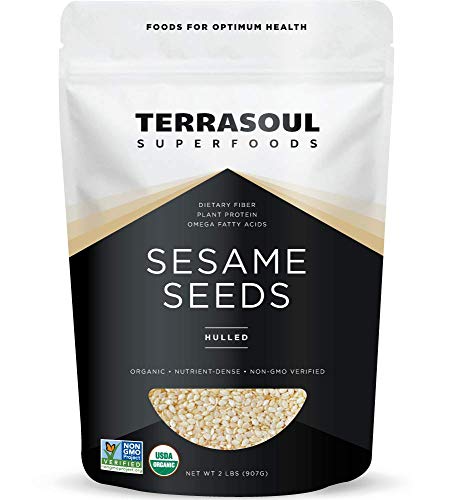
| Best Bulk Pick | Seed Type: Hulled white sesame seeds | Organic Certification: Certified Organic | Culinary Uses: Tahini, raw recipes, baking, sprinkling, sauces, dressings | VIEW LATEST PRICE | Read Our Analysis |
| Amazon Grocery Sesame Seeds 20 oz (Packaging May Vary) |

| Budget-Friendly Choice | Seed Type: (White) sesame seeds | Organic Certification: (Packaging note only) – product described as sesame seeds (packaging may vary); assume standard (not explicitly labeled organic in summary) | Culinary Uses: Seasoning, baking, cooking, toasting | VIEW LATEST PRICE | Read Our Analysis |
| McCormick Whole White Sesame Seeds 16 oz |

| Professional/Pro Chef Pick | Seed Type: Whole white sesame seeds | Organic Certification: (Not explicitly labeled organic in summary) | Culinary Uses: Garnish, coating, tahini, baking, sushi, stir-fries, salads, breads, desserts | VIEW LATEST PRICE | Read Our Analysis |
| Badia Organic Black Sesame Seeds (2.5 oz) |

| Best for Visual Impact | Seed Type: Whole black sesame seeds | Organic Certification: 100% Certified Organic | Culinary Uses: Baking, salads, stir-fries, sushi, fish, breads, sauces, garnishing | VIEW LATEST PRICE | Read Our Analysis |
| Morton & Bassett Organic Black Sesame Seeds (2.3 oz) |

| Premium Organic Option | Seed Type: Whole black sesame seeds | Organic Certification: Organic | Culinary Uses: Baking, cooking, garnishing | VIEW LATEST PRICE | Read Our Analysis |
More Details on Our Top Picks
Terrasoul Organic Hulled Sesame Seeds (2 lb)
Provided that you care about clean, simple ingredients and want a versatile pantry staple, Terrasoul Organic Hulled Sesame Seeds are a great choice for home cooks and health-minded bakers. You’ll find a mild, nutty flavor that blends easily into tahini, dressings, baked goods, and raw dishes. They’re certified organic, non GMO, raw, gluten free, vegan, and Earth Kosher, so you can trust their quality. Since they offer calcium, protein, omega 6, and antioxidants, they support nutritious meals without fuss. Sourced globally with fair wages in mind, they help you cook well while caring about people.
- Seed Type:Hulled white sesame seeds
- Organic Certification:Certified Organic
- Culinary Uses:Tahini, raw recipes, baking, sprinkling, sauces, dressings
- Packaging Size / Net Weight:2 lb (32 oz)
- Storage / Packaging Feature:Bulk bag (sourced for freshness) – standard sealed package
- Dietary / Allergen Notes:Non-GMO, raw, gluten-free, vegan; contains protein, calcium, omega-6
- Additional Feature:Raw, minimally processed
- Additional Feature:Budget-friendly bulk size
- Additional Feature:Sourced globally for freshness
Amazon Grocery Sesame Seeds 20 oz (Packaging May Vary)
Should you want a simple, pantry-ready seed that lifts everyday meals, Amazon Grocery Sesame Seeds 20 oz is a great pick for home cooks and bakers who use sesame often. You get a full 20 ounce container that fits in a shelf or drawer. Packaging could differ during a brand shift from Happy Belly, but the seeds stay the same. You can toast them for nuttier depth, sprinkle them on salads, fold them into dough, or stir them into sauces. Amazon Grocery bundles familiar grocery staples so you can trust consistency. Thanks for trusting these small but powerful seeds.
- Seed Type:(White) sesame seeds
- Organic Certification:(Packaging note only) – product described as sesame seeds (packaging may vary); assume standard (not explicitly labeled organic in summary)
- Culinary Uses:Seasoning, baking, cooking, toasting
- Packaging Size / Net Weight:20 oz
- Storage / Packaging Feature:Single container (packaging may vary)
- Dietary / Allergen Notes:(No specific dietary certifications listed in summary)
- Additional Feature:Packaging may vary
- Additional Feature:Transition from Happy Belly
- Additional Feature:Single convenient container
McCormick Whole White Sesame Seeds 16 oz
In case you cook for a busy family, run a small café, or like to batch-prep meals, McCormick Whole White Sesame Seeds in the 16 ounce container are a smart choice that lets you add nutty crunch without constantly restocking. You’ll appreciate the flat-sided bottle that saves space and the lid with a spoon and shaker for fast, neat work. These hulled white seeds taste mild and crunchy, and toasting them brings out more nuttiness. Use them on fish, salads, bread, sushi, or make tahini and dukkah. Store sealed in the pantry for months or freeze for longer shelf life.
- Seed Type:Whole white sesame seeds
- Organic Certification:(Not explicitly labeled organic in summary)
- Culinary Uses:Garnish, coating, tahini, baking, sushi, stir-fries, salads, breads, desserts
- Packaging Size / Net Weight:16 oz
- Storage / Packaging Feature:Bottle with flat sides; lid with spoon/shaker; large-size container
- Dietary / Allergen Notes:Kosher; no MSG added
- Additional Feature:Lid with spoon/shaker
- Additional Feature:Chef/professional size
- Additional Feature:Detailed oven-toasting instructions
Badia Organic Black Sesame Seeds (2.5 oz)
Should you love bold, toasty flavors and want an organic seed that lifts everyday dishes, Badia Organic Black Sesame Seeds are a great pick for home cooks and bakers who care about quality and taste. You’ll notice rich, nutty, earthy nuances and a crunchy texture that stands out in salads, sushi, breads, and stir-fries. These whole seeds come in a 2.5 oz resealable bottle, so you can keep them fresh and reach for them often. They’re 100% certified organic and grown without synthetic pesticides. With higher protein than white sesame, they pack flavor and nutrition into small, versatile seeds.
- Seed Type:Whole black sesame seeds
- Organic Certification:100% Certified Organic
- Culinary Uses:Baking, salads, stir-fries, sushi, fish, breads, sauces, garnishing
- Packaging Size / Net Weight:2.5 oz
- Storage / Packaging Feature:Resealable bottle
- Dietary / Allergen Notes:Grown without synthetic pesticides/additives (organic); higher protein note
- Additional Feature:Resealable bottle packaging
- Additional Feature:Family-owned brand legacy
- Additional Feature:Earthy, pronounced flavor
Morton & Bassett Organic Black Sesame Seeds (2.3 oz)
Whenever you’re someone who cares about clean labels and tasty meals, Morton & Bassett Organic Black Sesame Seeds make a smart pantry pick. You’ll find a 2.3 oz resealable jar of whole black seeds that stay fresh and easy to use. Because they’re organic, non GMO, gluten free, and salt free, you can add them freely to baking, cooking, and garnishing without worry. They give nutty flavor and striking visual contrast to salads, rice, breads, and desserts. You’ll appreciate the simple jar and reliable brand. Use them toasted or raw to lift both taste and appearance.
- Seed Type:Whole black sesame seeds
- Organic Certification:Organic
- Culinary Uses:Baking, cooking, garnishing
- Packaging Size / Net Weight:2.3 oz
- Storage / Packaging Feature:Resealable jar
- Dietary / Allergen Notes:Non-GMO, gluten-free, salt-free
- Additional Feature:Resealable jar packaging
- Additional Feature:Salt-free seasoning
- Additional Feature:Gourmet seasoning brand
Factors to Consider When Choosing Organic Sesame Seeds
At the time you pick organic sesame seeds, check the certification so you know they meet strict standards and were grown without synthetic pesticides. Pay attention to seed variety and color because white, brown, and black seeds bring different flavor, aroma, and nutrition to your dishes. Also look at packaging and roast date to make sure the seeds are fresh and their nutritional benefits are preserved.
Organic Certification Status
Because you want seeds that match your values and give reliable results, checking organic certification is a smart initial step. You should look for a certifier seal and a certification number on the package so you can verify the producer with the agency. Certification means seeds were grown without synthetic pesticides, herbicides, or GMOs and that an accredited body checked the farm. Standards usually demand documented practices, soil care, and input records to keep traceability. Recall imported seeds might follow different regional rules, so verify the program behind the seal. Inspections happen annually and producers must stay compliant, so check that the certificate is current. Taking these steps helps you trust both quality and integrity.
Seed Variety And Color
Pick the seed color that fits how you cook and how you want your food to feel. You’ll notice white hulled seeds look lighter and blend quietly into sauces and baked goods. They weigh less per cup after milling, so recipes might need small adjustments for texture and oiliness. Black seeds keep their hulls, so they bring more fiber, some extra minerals, and a bolder presence on the plate. Brown seeds sit between the two, offering crunch and visual warmth whenever toasted. Choose white for smooth pastes and pale pastries, black for contrast and hearty Asian dishes, and brown whenever you want mild intensity with texture. As you swap varieties, be gentle with measurements and expect changes in mouthfeel and nutrition.
Flavor And Aroma
Taste the difference through paying attention to aroma and how seeds are prepared, because those two things shape everything you’ll feel on the plate. You’ll notice hulled white seeds offer a milder, buttery note and a lighter scent, while black or unhulled seeds bring darker, earthier, slightly bitter tones. Toasting changes everything. Should you roast at moderate heat until fragrant, nutty pyrazines bloom and the smell becomes irresistible. Freshness matters a lot. In case seeds smell soapy or cardboard-like, oils have gone rancid and the flavor will disappoint. Also consider about form. When seeds are ground into tahini or paste, oils are released and aroma intensifies, so the same seed can taste much stronger once milled.
Nutritional Profile Comparison
You noticed how aroma and preparation shape what you taste, and the same care matters whenever you choose seeds for nutrition. Whenever you compare nutritional profiles, start with calories and macros. One tablespoon runs about 50 to 60 calories, mostly from healthy fats, with roughly 1.5 to 2 grams of protein and 4 to 5 grams of fat. Next look at minerals. Seeds give calcium, iron, magnesium, phosphorus, and zinc in useful amounts, and larger servings add up fast. Also consider plant compounds. Lignans like sesamin and sesamolin and phytosterols bring antioxidants and possible benefits, yet levels differ across seed type and processing. Finally bear in mind processing effects: hulled seeds lower fiber and minerals, and toasting shifts antioxidant levels and fat stability. Choose what fits your needs.
Packaging And Freshness
Upon bringing home organic sesame seeds, how they’re packaged makes a big difference in how long they stay fresh and tasty. You’ll want resealable or airtight packaging like zip-top bags or jars with tight lids so air can’t speed rancidity. Also look for opaque or dark containers because light wakes up the oils and creates off-flavors. Check the packed-on or production date and choose the most recent batch to get peak flavor. Should you be able, pick vacuum-sealed or nitrogen-flushed packs because they cut oxygen and stretch shelf life compared with plain packaging. Before buying, inspect seals for damage and avoid any package with moisture or condensation since trapped water can lead to mold and spoilage. These choices protect your seeds and peace of mind.
Culinary Versatility
Consider about how a single jar of organic sesame seeds can lift many dishes, and you’ll see why choosing the right type matters. You’ll pick hulled white seeds whenever you desire a mild, creamy note that melts into tahini, dressings, and baked goods. Choose unhulled or black seeds whenever you seek bold, earthy flavor and striking contrast on savory plates. Toasting for 3 to 10 minutes deepens nuttiness and adds crunch, so you’ll finish salads, stir fries, and breads with more impact. Use ground sesame or finely milled seeds to create creamy sauces and help emulsify dressings, while whole seeds provide texture and visual appeal. Pair seeds with lemon, vinegar, or oil to cut richness and add protein and calcium to plant based meals.
Price And Sourcing
Whenever you’re shopping for organic sesame seeds, price and sourcing go hand in hand because cost often tells a story about how the seeds were grown and moved. You’ll notice organic usually costs 10–30% more than conventional, and that difference often covers certification fees and gentler farming methods. Watch per-ounce pricing closely since bulk bags lower cost, but consider shelf life and how quickly you’ll use them to avoid waste. Check origin and import details because distant sourcing raises shipping and handling, which shows up in the final price. Favor sellers who itemize certification or fair-trade premiums so you know your money supports ethical practices. Finally, add shipping, storage, and spoilage into the total cost of ownership.
