

You want good miso soup that’s quick and tastes real, and you deserve options that fit your day. Start with gentle white miso for a mild, slightly sweet bowl that soothes, or pick a restaurant-style packet whenever you want richer depth and bits like tofu or aburaage. Travel-friendly sachets keep your pantry lean, while dashi pouches lift homemade miso to savory heights. I’ll show the best choices for taste, label clarity, and ease so you can find the one that feels like a small, steady comfort.
| Kikkoman Instant Shiro Miso Soup 3 ct 1.05 oz |

| Clean & Classic | Format: Single-serve packets (3 packets) | Preparation: Add hot water, stir | Use Case: Quick lunch/light meal/snack/on‑the‑go | VIEW LATEST PRICE | Read Our Analysis |
| Sushi Chef White Miso Soup Mix 0.50-Ounce Packets (Pack of 24) |

| Bulk Convenience | Format: Single-serve packets (0.50‑oz each, pack of 24) | Preparation: Add hot water (instant mix) | Use Case: Convenient single‑serve/instant miso soup | VIEW LATEST PRICE | Read Our Analysis |
| Chaganju Japanese Dashi Stock Pack (8g ×15) |

| Umami Powerhouse | Format: Dashi stock packets (8g × 15) | Preparation: Add packet to water, boil/simmer (or sprinkle as seasoning) | Use Case: Base for miso soup, broths, hot pots, sauces, seasoning | VIEW LATEST PRICE | Read Our Analysis |
| Kikkoman Instant Tofu Miso Soup (9 Pockets) |
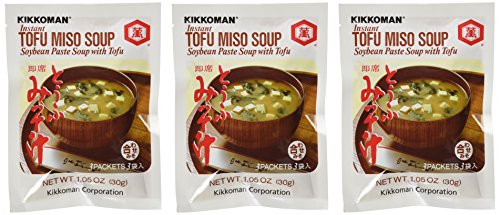
| Protein-Packed Pick | Format: Single-serve packets (9 packets total) | Preparation: Mix packet with 2/3 cup boiling water | Use Case: Portable, on‑the‑go instant soup | VIEW LATEST PRICE | Read Our Analysis |
| Marukome Instant Restaurant-Style Miso Soup (36 Meals) |

| Variety Pack Favorite | Format: Single-serve packets (36 meals, 36 packets) | Preparation: Add hot water to single-serve packet | Use Case: Everyday quick meal or soup accompaniment / stockpiling | VIEW LATEST PRICE | Read Our Analysis |
More Details on Our Top Picks
Kikkoman Instant Shiro Miso Soup 3 ct 1.05 oz
Should you want a fast, comforting bowl that feels homemade whenever you don’t have time, Kikkoman Instant Shiro Miso Soup is a great pick. You’ll find three packets totaling 1.05 ounces, so you can grab one for a quick lunch or take one on the go. You add hot water, stir, and in minutes you have a clean, subtle, savory broth. You’ll taste white miso with soft pieces of fu, tender seaweed, and bright green onions. You’ll appreciate how simple prep connects to real comfort, and how Kikkoman’s other miso options let you mix things up.
- Format:Single-serve packets (3 packets)
- Preparation:Add hot water, stir
- Use Case:Quick lunch/light meal/snack/on‑the‑go
- Japanese Culinary Role:Shiro (white) miso soup
- Shelf/Pack Convenience:Small retail pack (3 packets) – pantry friendly
- Ready Time:Minutes (instant)
- Additional Feature:White (shiro) miso base
- Additional Feature:Includes fu pieces
- Additional Feature:Subtle, clean savory
Sushi Chef White Miso Soup Mix 0.50-Ounce Packets (Pack of 24)
Should you want a quick, comforting bowl of miso without fuss, the Sushi Chef White Miso Soup Mix is a great pick for busy folks or anyone who loves simple convenience. You get 24 half ounce packets, so you’ll have plenty on hand for rushed mornings or cozy evenings. Each packet makes an instant white miso soup that’s mild and soothing, and you’ll appreciate the single serve format whenever you don’t want to measure or waste. The product is made in the United States and ships in a compact 8.2 × 5.7 × 4.9 inch box measuring 1.1 pounds.
- Format:Single-serve packets (0.50‑oz each, pack of 24)
- Preparation:Add hot water (instant mix)
- Use Case:Convenient single‑serve/instant miso soup
- Japanese Culinary Role:White (shiro) miso soup mix
- Shelf/Pack Convenience:Bulk retail pack (24 single‑serve packets) – pantry friendly
- Ready Time:Minutes (instant)
- Additional Feature:Single-serve packets
- Additional Feature:Bulk 24-count pack
- Additional Feature:US origin packaging
Chaganju Japanese Dashi Stock Pack (8g ×15)
In case you want a quick way to lift everyday meals into something cozy and deeply savory, the Chaganju Japanese Dashi Stock Pack (8g × 15) is made for you. You’ll find tea bag style pouches that make broth fast and tidy. Drop one into 600 ml water, boil, simmer two to three minutes, then remove. You can also tear a packet to season rice or noodles for extra umami. Made in Kyoto with kelp, bonito, shiitake, tea, and more, it contains wheat, soy, and fish. It has no artificial colors or flavors and makes a thoughtful pantry gift.
- Format:Dashi stock packets (8g × 15)
- Preparation:Add packet to water, boil/simmer (or sprinkle as seasoning)
- Use Case:Base for miso soup, broths, hot pots, sauces, seasoning
- Japanese Culinary Role:Dashi (Japanese soup stock) for miso and other dishes
- Shelf/Pack Convenience:Multi‑pack tea‑bag style pouches (15) – pantry friendly
- Ready Time:Few minutes (bring to boil, simmer 2–3 minutes)
- Additional Feature:Multi-ingredient umami blend
- Additional Feature:Tear-open seasoning option
- Additional Feature:Kyoto (Yamasan) craftsmanship
Kikkoman Instant Tofu Miso Soup (9 Pockets)
In case you like quick meals that still feel mindful and satisfying, Kikkoman Instant Tofu Miso Soup is a great pick for busy days and travel. You’ll find three outer packs, each with three single-serve packets, totaling nine pockets that fit a drawer or bag. You mix one packet with 2/3 cup boiling water in a mug or bowl, and you get real white and red miso with firm tofu. It’s portable and comforting whenever you need warmth and a savory lift. You can also try Kikkoman’s other flavors to keep your routine fresh.
- Format:Single-serve packets (9 packets total)
- Preparation:Mix packet with 2/3 cup boiling water
- Use Case:Portable, on‑the‑go instant soup
- Japanese Culinary Role:Miso soup (white + red miso blend) with tofu
- Shelf/Pack Convenience:Multi‑packet retail (9 single‑serve packets) – pantry friendly
- Ready Time:Minutes (instant with boiling water)
- Additional Feature:Blend white + red miso
- Additional Feature:Real firm tofu pieces
- Additional Feature:2/3 cup water ratio
Marukome Instant Restaurant-Style Miso Soup (36 Meals)
Whenever you want a reliable, everyday miso soup that’s easy to stash and gentle on the stomach, this Marukome Instant Restaurant-Style pack is a smart pick. Whenever you get 36 single-serving packets, four flavors with nine each. The varieties include tofu, fried tofu, green onions, and wakame seaweed, so you can mix meals without fuss. The miso blends aged rice miso and bean miso, giving a rich but mild taste. The soup stock uses multiple flavor ingredients to add depth. It’s quick to make, handy for low appetite, good for daily use, and solid for emergency stock.
- Format:Single-serve packets (36 meals, 36 packets)
- Preparation:Add hot water to single-serve packet
- Use Case:Everyday quick meal or soup accompaniment / stockpiling
- Japanese Culinary Role:Miso soup (multiple varieties: tofu, fried tofu, green onion, wakame)
- Shelf/Pack Convenience:Large multi‑pack (36 single‑serve packets) – pantry/stockpile friendly
- Ready Time:Minutes (instant)
- Additional Feature:Four-variety assortment
- Additional Feature:Aged rice + bean miso
- Additional Feature:Emergency/disaster friendly
Factors to Consider When Choosing Packaged Miso Soups
If you pick packaged miso soup, pay attention to the flavor options and how ingredients are listed so you know what you’re really eating. Also check sodium and nutrition information alongside how easy the packet is to prepare and whether the packet size and quantity match your needs. These factors work together to help you choose a soup that tastes good, fits your diet, and feels convenient for your day.
Flavor Profile Variety
Because flavor can change everything about your bowl, you’ll want to look beyond the packet to what’s inside, and I’ll help you read those clues. You can tell a lot from the miso type: white miso will be mild and slightly sweet, while red miso will hit you with stronger, saltier, hearty tones. Many brands blend misos to balance sweetness, saltiness, and umami, so spotting “white,” “red,” or “blend” steers your expectations. The dashi base matters next, since kelp, bonito, sardine, or vegetarian blends shape the savory depth. Ingredients like seaweed, green onion, tofu, fried tofu, or fu change texture and make bowls feel fresher or heartier. Finally, check sodium and carbs to predict boldness and sweetness before you buy.
Ingredient Transparency
Provided you want a miso soup that tastes like you expect and fits your dietary needs, start by reading the ingredient list like a detective. Look for the type of miso named clearly, such as white shiro, red aka, or a blend, and observe any stock listed like dashi, kelp, or bonito so you can predict flavor and allergens. Check that common allergens are spelled out instead of concealed behind vague terms like natural flavors. Prefer labels that quantify key parts or list ingredients in descending order so you know what dominates. Watch for added sugar, MSG, yeast extracts, and separate flavor boosters if you want cleaner taste. Finally, verify remarks about natural versus artificial colors flavors and any preservatives or anti-caking agents.
Sodium And Nutrition
You’ll often find packaged miso soups are saltier than you expect, so it helps to check the sodium on the label before you buy. Should you watch salt, observe many packets have 500 to 900 mg per serving. Miso gives most of that sodium, and added dashi or soy sauce pushes levels higher. Look for reduced sodium versions; they can cut salt by about 25 percent but might taste milder. Besides sodium, these soups are usually low calorie, around 20 to 80 kcal, and offer small protein from tofu or soy. Were salt to worry you, dilute a packet with more water, use part of a packet, or add extra low sodium vegetables to stretch flavor.
Preparation Convenience
Consider how fast you need your soup to be ready and pick a format that matches your day. You want simplicity whenever mornings are tight, so single-serve tear-open sachets that say “just add hot water” are lifesavers. They need only a cup and hot water, and they cut down on dishes and fuss. In case you like bits of tofu or seaweed, expect a little more wait for rehydration and gentle stirring. Check the label for water volume and temperature because some mixes need a specific amount or boiling water to dissolve properly. Premeasured pouches save time too, while tubs need scooping and measuring. Reflect about where you’ll eat and how patient you feel, then choose the option that fits your routine.
Packet Size And Quantity
Many people find that packet size and count make the biggest difference in how often they reach for instant miso. You’ll want to match packet weight to how you eat. Smaller single-serve packets, often 0.5 g to 8 g dry, fit quick meals and travel. They ask for less hot water and give lighter bowls. Larger packets or family sizes make stronger broth and feed more people. Count matters too. Multi-packs can contain 3 to 36 servings, so check total servings and net weight to avoid waste. Should you like variety, many small packets let you try flavors, though they increase packaging. In case you plan regular use, pick quantities that you’ll finish before best-by dates so nothing goes unused.
Shelf Life And Storage
Storing packaged miso soup right matters because it keeps the flavor fresh and keeps you safe. You should keep unopened shelf stable packets in a cool dry place away from sunlight, where they usually last nine to eighteen months. Should you buy refrigerated or fresh style soup, know it only lasts one to four weeks and needs constant refrigeration. Once you open a single serve packet or prepare a bowl, eat it within twenty four hours should it be refrigerated, or within a few hours at room temperature to avoid microbes. High salt and pasteurization help longevity, but added tofu or seaweed shorten it and need stricter care. Check manufacture and best by dates and rotate stock initially in first out to keep quality.
