

You want yeast that behaves predictably, fits your pantry, and helps every loaf or roll turn out well, and these five picks do just that. Fleischmann’s strip packets give you single-use convenience for precise baking, while Bob’s Red Mill offers a gluten-free option for sensitive cooks. Anthony’s packets balance bulk value with sealed portions, and Red Star’s large pouch suits frequent bakers. Fleischmann’s three-count packs bring familiar performance for everyday use.
| Fleischmann’s Active Dry Yeast Strip 0.25 Ounce (9 Count) |

| Reliable Classic | Type: Active dry yeast | Gluten status: Gluten free | Intended use: Baking yeast for breads and doughs | VIEW LATEST PRICE | Read Our Analysis |
| Bob’s Red Mill Gluten Free Active Dry Yeast 08 Oz |

| Best for Gluten-Free | Type: Active dry yeast | Gluten status: Gluten free (dedicated facility, R5-ELISA tested) | Intended use: Breads, pizza crusts, buns, rolls, flatbreads, blinis | VIEW LATEST PRICE | Read Our Analysis |
| Fleischmann’s Active Dry Yeast,0.25 Ounce 3 Count (Pack of 2) |

| Pantry Staple | Type: Active dry yeast | Gluten status: Gluten free | Intended use: Traditional bread recipes | VIEW LATEST PRICE | Read Our Analysis |
| Anthony’s Active Dry Yeast Packets (42 Gluten Free) |

| Best Value Pack | Type: Active dry yeast | Gluten status: Batch tested, verified gluten free | Intended use: Breads, rolls, pizza crusts, doughnuts, cinnamon rolls | VIEW LATEST PRICE | Read Our Analysis |
| Red Star Active Dry Yeast 2 Pound Pouch |
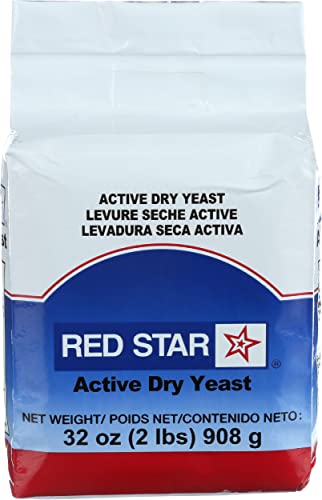
| Best for Frequent Bakers | Type: Active dry yeast | Gluten status: (listed as walnut_free; other summaries indicate gluten-free labeling context-treated as compatible for gluten-conscious baking) | Intended use: Yeast‑leavened breads and doughs | VIEW LATEST PRICE | Read Our Analysis |
More Details on Our Top Picks
Fleischmann’s Active Dry Yeast Strip 0.25 Ounce (9 Count)
Should you bake at home and want a reliable, no-fuss yeast that won’t need refrigeration, Fleischmann’s Active Dry Yeast Strip is a smart pick. You’ll like that each packet holds 0.25 ounce and comes in nine total, arranged as three strips of three. You can trust its long history since 1868 once the Fleischmann brothers began America’s first commercial yeast. It was refined during World War II to help troops get home-baked bread, so it’s stable and easy to activate. Dissolve it in 100° to 110° F liquid, and don’t swap it for instant yeast recipes.
- Type:Active dry yeast
- Gluten status:Gluten free
- Intended use:Baking yeast for breads and doughs
- Activation/optimal temperature:Dissolve in warm liquid 100–110°F
- Packaging format:Individual 0.25 oz packets (9 total; 3 strips of 3)
- Shelf/storage note:Stable, no refrigeration required for strips (historical advantage)
- Additional Feature:WWII-era formulation
- Additional Feature:Packets grouped as strips
- Additional Feature:No refrigeration needed
Bob’s Red Mill Gluten Free Active Dry Yeast 08 Oz
In case you need a reliable gluten free yeast that treats your baking like a care package, Bob’s Red Mill Gluten Free Active Dry Yeast is a great choice. You’ll appreciate the 8 ounce resealable stand-up bag that keeps yeast fresh and fits your pantry. It’s gluten free and made in a dedicated facility, so you can bake with confidence. Use 2 1/4 teaspoons per recipe whenever a packet is called for. Store opened yeast in a jar in the fridge and expect up to one year of shelf life. It’s vegan, kosher pareve, paleo friendly, and labeled premium quality.
- Type:Active dry yeast
- Gluten status:Gluten free (dedicated facility, R5-ELISA tested)
- Intended use:Breads, pizza crusts, buns, rolls, flatbreads, blinis
- Activation/optimal temperature:(standard active dry; measure equivalence given – typical activation implied)
- Packaging format:Resealable 8 oz stand-up bag
- Shelf/storage note:Store in jar in refrigerator; shelf life up to 1 year
- Additional Feature:Resealable stand-up bag
- Additional Feature:R5-ELISA tested gluten-free
- Additional Feature:Vegan/Kosher/Paleo friendly
Fleischmann’s Active Dry Yeast,0.25 Ounce 3 Count (Pack of 2)
Provided you want a reliable, easy-to-store yeast for classic bread recipes, Fleischmann’s Active Dry Yeast in 0.25 ounce packets is a smart pick. You get six neat packets total, three per pack in a two pack, so you can bake whenever you need to without worrying about waste. You’ll dissolve each packet in warm liquid at 100–110°F before adding to dough, since it’s not instant or RapidRise. It behaves predictably and stays stable in storage. It’s labeled gluten-free, and that gives you peace of mind. Follow your recipe after activating, and enjoy steady results.
- Type:Active dry yeast
- Gluten status:Gluten free
- Intended use:Traditional bread recipes
- Activation/optimal temperature:Dissolve in warm liquid 100–110°F (37–43°C)
- Packaging format:Individual 0.25 oz packets (3 per pack; sold as 2-pack = 6)
- Shelf/storage note:Stable active dry; follow recipe after dissolving (standard handling)
- Additional Feature:Sold as pack-of-two
- Additional Feature:Six single-use packets
- Additional Feature:Recipe compatibility note
Anthony’s Active Dry Yeast Packets (42 Gluten Free)
In case you bake for family dinners or want a reliable go-to for weekend pizza nights, Anthony’s Active Dry Yeast Packets are made to help you feel confident and save time. You get 42 single-use packets, each .25 ounce, so you won’t guess measurements or waste yeast. This traditional active dry yeast is batch tested and verified gluten free, which lets you bake for more people without stress. Use it for breads, rolls, pizza crusts, doughnuts, and cinnamon rolls. The individual packaging keeps portions tidy and fresh. You’ll appreciate the consistency and the ease whenever recipes call for dependable results.
- Type:Active dry yeast
- Gluten status:Batch tested, verified gluten free
- Intended use:Breads, rolls, pizza crusts, doughnuts, cinnamon rolls
- Activation/optimal temperature:Traditional active dry (activation implied; packet form)
- Packaging format:Individual 0.25 oz packets (42 packets)
- Shelf/storage note:Individual packets reduce waste (implies pantry/stable storage)
- Additional Feature:42 individual packets
- Additional Feature:Batch tested for consistency
- Additional Feature:Single-use portion control
Red Star Active Dry Yeast 2 Pound Pouch
Should you bake a lot or run a small kitchen, this two pound vacuum packed pouch of Red Star Active Dry Yeast is made for you and will help you keep dough rising smoothly day after day. You’ll find a dependable active dry yeast for breads and doughs that rouses best at 110 to 115°F. You can proof it gently in warm water and watch bubbles form. The bulk pouch saves trips and feels reassuring as plans change. It’s a popular worldwide brand and walnut free, so you can bake for many people. You’ll appreciate the value and steady results every time.
- Type:Active dry yeast
- Gluten status:(listed as walnut_free; other summaries indicate gluten-free labeling context-treated as compatible for gluten-conscious baking)
- Intended use:Yeast‑leavened breads and doughs
- Activation/optimal temperature:Ideal use temperature 110–115°F (43–46°C)
- Packaging format:Bulk 2 lb vacuum‑packed pouch
- Shelf/storage note:Vacuum‑packed for long-term bulk storage
- Additional Feature:2 lb vacuum‑packed pouch
- Additional Feature:Bulk for frequent bakers
- Additional Feature:Ideal 110–115°F activation
Factors to Consider When Choosing Active Dry Yeasts
Whenever you pick an active dry yeast, consider how the yeast type matches your recipes and whether it needs a specific activation temperature range for best rise. Also decide whether you prefer single-use packets or bulk yeast for cost and convenience, and check shelf life and storage needs so your yeast stays fresh. Finally, read dietary and allergy labels carefully so the yeast fits your health needs and any ingredients you avoid.
Yeast Type Compatibility
Choosing the right yeast matters a lot for your baking success and the flavor you want, so let’s walk through the key differences and how they affect your dough. You’ll find active dry yeast needs rehydration in warm liquid before use, while instant yeast can go straight into dry ingredients. That means you’ll proof active dry, and recipes written for it expect slower activation and a proofing step. Should you swap types, use about 12 to 15 percent more active dry by weight or allow longer rising times because its granules hold fewer live cells. Some rapid rise blends include enzymes and finer granules to speed fermentation, so they won’t suit recipes that depend on slow, flavor-building fermentation. Match according to active yeast weight and adjust times to keep results predictable.
Activation Temperature Range
You’ve already matched yeast type to your recipe, and now you’ll want to focus on the temperatures that wake and feed active dry yeast. Aim to dissolve yeast in liquid warmed to about 100°F to 110°F (37°C to 43°C). That range gently wakes cells so they bubble and smell yeasty without harm. Should your liquid be under about 80°F (27°C), activity slows and proofing takes much longer, so plan extra time. Watch out for temperatures above about 120°F (49°C); those start killing yeast, and sustained heat above 140°F (60°C) will mostly inactivate it. For dough fermentation, keep the environment around 75°F to 85°F (24°C to 29°C) for steady rises. Use an instant-read thermometer whenever proofing to avoid guesswork and anxiety.
Packet Versus Bulk
Deciding between single-use packets and a big jar of active dry yeast comes down to how often you bake and how much convenience matters to you. Should you bake rarely, packets are kind. They give one consistent dose, cut measurement mistakes, and limit waste. You don’t worry about moisture or cross-contamination, and unopened packets stay reliable on the shelf. In case you bake often, bulk saves money per ounce and keeps your baking flow smooth. You just need to measure 2 1/4 teaspoons for a packet equivalent and handle portioning carefully. Bulk does ask you to refrigerate or freeze after opening and to protect it from moisture. Consider your habits, budget, and tidy storage. That clarity will help you choose with confidence.
Shelf Life & Storage
Assuming stored the right way, active dry yeast will stay useful much longer than you might expect, so you won’t waste a packet or jar after one missed baking day. Keep unopened yeast in a cool, dry place or in the fridge and you can expect full potency for about one to two years depending on packaging and manufacture date. Once opened, transfer yeast to an airtight container and refrigerate or freeze. Refrigeration keeps it lively for several months while freezing can extend life up to a year or more. Avoid heat, moisture, and temperature swings through sealing packages and stashing them away from ovens. Should you doubt freshness, proof a packet in warm water with sugar and watch for bubbling in five to ten minutes.
Dietary And Allergy Labels
You already learned how to store yeast so it stays strong, and now it helps to check the package for dietary and allergy labels before you bake. Look for gluten-free certification or testing like R5-ELISA in case you or someone you bake for has celiac disease, because cross-contact can happen even though yeast is not a grain. Should you follow vegan or vegetarian rules, confirm vegan labeling since some additives could come from animals. Also watch for kosher or halal symbols whenever those rules matter to your household. Read allergy statements and made-in-facility warnings for wheat, soy, or nuts to avoid cross-contact risks. For paleo or raw diets, scan ingredient lists and any explicit paleo-friendly claims so your choice truly fits.
Quantity Per Recipe
Many recipes call for about 2 1/4 teaspoons or 7 grams of active dry yeast for a loaf made with 4 to 5 cups of flour, and that simple measure gives you a reliable starting point. You can grab one 7 gram packet and bake with confidence. Should you want to scale down, use that same packet for smaller loaves or split it by weight for single servings. In the event you add more yeast you speed fermentation and cut rise time, but you risk odd flavors and big holes whenever you go 25 to 50 percent over. In case you use less yeast you’ll wait longer and cold proofing or an overnight retard will help flavor. Convert per grams for precise scaling since one ounce is about 28 grams.
