

You want quick dinners, you want reliable nutrition, and you want cans that actually taste like food. You’ll find canned lentils that save time and still feel homemade whenever you pick BPA free, plain packed varieties labeled non GMO or organic, and whenever you choose cans that say the lentils hold their shape for salads or list thin packing liquid for soups. Look for trusted brands with clear sourcing, avoid dented or rusty cans, and keep both green or brown firmer types and red split for creamier dishes on hand so you can switch between stews, salads, and mashable sides without a special trip to the store.
| Whole Foods Market Bulk Lentils Brown Organic 22 Ounce |

| Healthiest Pick | Product Type: Brown lentils (bulk) | Packaging Size / Form: 22 oz bulk package | Dietary / Certification Claims: Organic / Non-GMO (Paleo friendly noted) | VIEW LATEST PRICE | Read Our Analysis |
| Palouse Brown Lentils 25 lb – Glyphosate-Free Non-GMO |
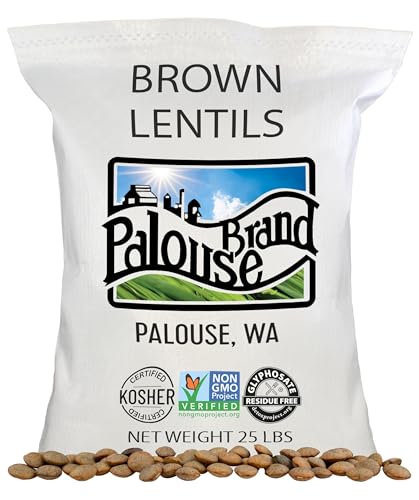
| Cleanest Sourcing | Product Type: Brown lentils (bulk 25 lb) | Packaging Size / Form: 25 lb bulk bag | Dietary / Certification Claims: Non-GMO / Glyphosate-free / Kosher | VIEW LATEST PRICE | Read Our Analysis |
| Red Split Lentils 2 Pound Bulk Bag |

| Versatile Pantry Staple | Product Type: Red split lentils (2 lb) | Packaging Size / Form: 2 lb bulk bag | Dietary / Certification Claims: (No formal certs listed) – general pantry ingredient (nutritional benefits noted) | VIEW LATEST PRICE | Read Our Analysis |
| Clear Creek Green Lentils – 25 lb Bucket (Non-GMO) |

| Bulk Best Buy | Product Type: Green lentils (25 lb bucket) | Packaging Size / Form: 25 lb bucket | Dietary / Certification Claims: Non-GMO / Kosher / Vegan / Non-irradiated | VIEW LATEST PRICE | Read Our Analysis |
| Bob’s Red Mill Red Lentils 27 Oz (Pack of 1) – Non GMO Vegan Kosher |
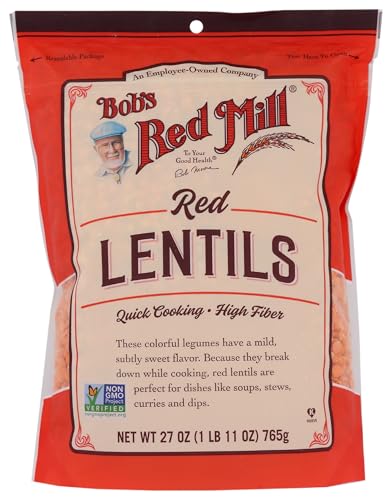
| Quick-Cook Favorite | Product Type: Red lentils (27 oz) | Packaging Size / Form: 27 oz retail bag | Dietary / Certification Claims: Non-GMO / Vegan / Kosher | VIEW LATEST PRICE | Read Our Analysis |
More Details on Our Top Picks
Whole Foods Market Bulk Lentils Brown Organic 22 Ounce
Should you want an easy pantry pick that fits a health-first routine, Whole Foods Market Bulk Lentils Brown Organic in the 22 ounce size is a smart choice for you. You’ll like that these lentils come from a trusted brand and arrive in a bulk package that keeps meal planning simple. They’re non-GMO and paleo friendly, so you can cook without worry. Imagine hearty stews, quick salads, and easy sides that save time. The product observes natural vegetable flavors like spinach, carrots, and butternut squash, which sweeten naturally and avoid corn syrup. You’ll feel reassured reaching for this staple.
- Product Type:Brown lentils (bulk)
- Packaging Size / Form:22 oz bulk package
- Dietary / Certification Claims:Organic / Non-GMO (Paleo friendly noted)
- Cooking / Use Notes:Bulk brown lentils – typical uses implied (general cooking)
- Shelf Life / Storage Guidance:Bulk item – storage details not specified (implied pantry storage)
- Nutritional / Health Highlights:Vegetable-sweetened/no corn syrup noted in summary (oddly included); marketed healthy
- Additional Feature:Vegetable-sweetened comparison (note)
- Additional Feature:Marketed as healthiest BBQ (odd pairing)
- Additional Feature:Bulk package format
Palouse Brown Lentils 25 lb – Glyphosate-Free Non-GMO
Provided you want bulk lentils that feel honest and reliable, Palouse Brown Lentils 25 lb are a great pick for home cooks, meal preppers, and folks who care about clean food. You’ll like that they’re Glyphosate Residue Free, Non-GMO Project verified, and kosher, so you can trust what’s on the bag. They come from a family farm in Washington with over a century of history, and the farm handles everything from harvest to triple-cleaning and packaging. Stored airtight in a cool spot, they keep for years. They sprout, they’re desiccant free, and packaging might differ.
- Product Type:Brown lentils (bulk 25 lb)
- Packaging Size / Form:25 lb bulk bag
- Dietary / Certification Claims:Non-GMO / Glyphosate-free / Kosher
- Cooking / Use Notes:Sproutable; triple-cleaned; suitable for long-term cooking/use
- Shelf Life / Storage Guidance:Best by 3 years; airtight cool dry storage can last decades
- Nutritional / Health Highlights:Glyphosate-residue-free certification (health/safety emphasis)
- Additional Feature:Glyphosate residue-free certified
- Additional Feature:Family-farmed provenance
- Additional Feature:Triple-cleaned by producer
Red Split Lentils 2 Pound Bulk Bag
Whenever you want a pantry staple that feels like a smart friend in the kitchen, the Red Split Lentils 2 Pound Bulk Bag is for you. You’ll find these lentils cook fast, turning soft and creamy for soups, stews, dips, and warm salads. They deliver iron, protein, and fiber so you can feel good about feeding your family. The Hampton Popcorn & Candy Company offers this pantry essential in a convenient size that stays fresh whenever stored properly. Keep a bag on hand for quick meals, snack experiments, or hearty lentil dishes that rescue busy weeknights without fuss.
- Product Type:Red split lentils (2 lb)
- Packaging Size / Form:2 lb bulk bag
- Dietary / Certification Claims:(No formal certs listed) – general pantry ingredient (nutritional benefits noted)
- Cooking / Use Notes:Versatile for soups, stews, salads, dips; pantry staple
- Shelf Life / Storage Guidance:Pantry essential to keep on hand (implied long shelf life)
- Nutritional / Health Highlights:Excellent source of iron, protein, fiber
- Additional Feature:High iron content
- Additional Feature:Versatile culinary uses
- Additional Feature:Hampton brand heritage
Clear Creek Green Lentils – 25 lb Bucket (Non-GMO)
Whenever you want a reliable, everyday bulk pantry staple that sprouts, cooks fast, and fits family meals or long-term storage, Clear Creek Green Lentils in the 25 lb bucket is a great choice. You’ll appreciate that they’re Project Non-GMO Verified, kosher, vegan, and non-irradiated so they’ll sprout for salads or sandwiches. They cook in about 25 to 35 minutes without soaking, which makes weeknight dinners easier. The bucket comes from North American farms and is packed in a HACCP food-safe facility. With a three-year Best By and airtight storage you can keep them for decades. Package might vary.
- Product Type:Green lentils (25 lb bucket)
- Packaging Size / Form:25 lb bucket
- Dietary / Certification Claims:Non-GMO / Kosher / Vegan / Non-irradiated
- Cooking / Use Notes:Cooks in ~25–35 minutes; no soaking; will sprout
- Shelf Life / Storage Guidance:Best by 3 years; airtight cool dry storage can last decades
- Nutritional / Health Highlights:Vegan / sproutable (implies nutritional freshness)
- Additional Feature:Non-irradiated (sproutable)
- Additional Feature:Cooks 25–35 minutes
- Additional Feature:Bucket packaging
Bob’s Red Mill Red Lentils 27 Oz (Pack of 1) – Non GMO Vegan Kosher
Assuming you want a fast, reliable pantry staple that’s kind to special diets, Bob’s Red Mill Red Lentils are a great pick for you; they’re non GMO, vegan, and kosher, so you don’t have to worry about cross issues or concealed ingredients. You’ll like that they need no soaking and cook in about 15 minutes. As they soften and disintegrate, they give you a creamy base for soups, dals, curries, and dips. Use them as a meat substitute in wraps, burgers, or sloppy joes. They pack 12 grams protein per quarter cup, plus iron, potassium, and fiber.
- Product Type:Red lentils (27 oz)
- Packaging Size / Form:27 oz retail bag
- Dietary / Certification Claims:Non-GMO / Vegan / Kosher
- Cooking / Use Notes:No soaking required; cooks in ~15 minutes; breaks down/creamy
- Shelf Life / Storage Guidance:(No explicit shelf-life date) – shelf-stable dried lentils (pantry storage)
- Nutritional / Health Highlights:High protein (12 g per 1/4 cup), good source iron & potassium, rich in fiber
- Additional Feature:Breaks down into creamy
- Additional Feature:12g protein per 1/4 cup
- Additional Feature:Ready in ~15 minutes
Factors to Consider When Choosing Canned Lentils
At the time you pick canned lentils, pay attention to texture and firmness because they should hold up in salads and stews without turning mushy. Check the label for sodium and additives and compare nutritional content per serving so you know what you’re eating and can adjust recipes or portion sizes. Also observe the canning liquid type and how transparent the brand is about sourcing since that affects taste safety and whether the product matches your values.
Texture And Firmness
Pick canned lentils that match your dish, because texture and firmness change how a meal feels in your mouth and how it holds up during cooking. You want firm, intact lentils for salads and bowls, and softer, falling apart lentils for purees and soups. Check labels for phrases like holds shape or soft, since canning time tells you what to expect. Whenever you shop, look at whole lentil integrity and test with a gentle fork squeeze to judge firmness. Should you care about texture, drain and rinse a sample before using, because brine can hide the true bite. Know that overcooked canned lentils will be mushy and thicken sauces, while undercooked ones might feel grainy. Trust your hands and eyes whenever choosing.
Sodium And Additives
Salt and additives matter more than you might believe, because they change both the flavor and your control over a recipe. You’ll notice canned lentils often list 200 to 400 mg sodium per half cup, so check the Nutrition Facts label before you buy. Should you want less salt, choose low sodium versions that show 140 mg or less per serving. Some cans hide sodium in preservatives like citrates, phosphates, or sodium benzoate, and those raise total sodium and can alter taste. Rinsing lentils for 30 to 60 seconds cuts about 30 to 40 percent of surface sodium, which helps you manage seasoning. For full control, look for no salt added cans or ingredient lists showing only lentils and water.
Nutritional Content Per Serving
Suppose you want a simple way to compare canned lentils, start with the numbers on the Nutrition Facts label and envision how a half cup fits into your day. A 1/2-cup serving gives you about 9 to 12 grams of protein, so it fills a strong plant-based protein role in a meal. It also supplies roughly 6 to 8 grams of fiber, which helps you feel full and steady. Calories sit near 150 to 180, mostly from complex carbs, with just 1 to 3 grams of fat. Micronutrients are helpful too, offering iron, folate, and potassium in meaningful amounts. Keep an eye on sodium, which can range from about 100 to over 400 milligrams per serving.
Canning Liquid Type
Once you open a can, the liquid inside can change how the lentils will taste, feel, and fit into your meal, so it helps to know what each packing liquid brings. You’ll find water-packed lentils the most neutral choice. They let you season freely and control sodium. Broth or stock gives instant savory depth, but check labels because sodium can range widely. Salted water or brine is handy but often high in salt unless you rinse. Oil-packed lentils feel richer and add calories from retained oil, which can change texture and how long they stay good after opening. Sauced or seasoned cans save time and add flavor, yet they cut flexibility and might include sugar or spices. Read ingredients to match the can to your plan.
Brand And Source Transparency
Whenever you pick a can of lentils, clear brand and source information can spare you worry and make cooking feel safer and kinder to your values. Look for labels that say where the beans came from and whether the same company grew, processed, and packed them. That reduces guesswork about the supply chain and helps you trust the product. Prefer brands that explain farming methods, like organic or sustainable practices, so you can weigh environmental and residue concerns. Also check for third party verifications such as organic, Non GMO, kosher, or food safety seals. Transparent companies often share harvest dates, lot numbers, batch tests, ingredient origins, processing sites, and allergen controls. Those details let you judge freshness, safety, and fit for special diets.
Cooking Versatility
Provided that you want canned lentils that bend to your recipes, pay close attention to texture, variety, added ingredients, and packing liquid so you can predict how they’ll behave in salads, soups, or spreads. You’ll choose whole or split based on whether you want lentils that stay intact for salads or disintegrate for purees. Also check the firmness and ready-to-eat observation because firmer, low-sodium cans give you control over texture and seasoning. Consider variety since brown and green hold shape while red and orange mash easily. Watch for added salt, vinegar, sugar, or oils because plain-packed lentils let you set the flavor. Finally, notice liquid volume because thin packing liquid drains well for cold dishes while a bit of starchy liquid helps bind soups and sauces.
BPA-Free Packaging
In case you care about what goes into your food and how it’s stored, choosing canned lentils with BPA-free linings gives you real peace of mind. You’ll lower the chance of chemical leaching, especially should you warm or add acidic ingredients to the can. Look for cans labeled BPA-free or verified through a trusted third party, since labels can vary and need confirmation. Know that alternatives like polyester, acrylic, or oleoresin coatings are common, but some substitutes might carry unknown risks. Were you unable to find BPA-free cans, transfer lentils into glass or stainless containers for storage and reheating to limit exposure. Pay attention at the store and at home so you can protect your family without stress.
Shelf Life And Storage
Whenever you keep canned lentils in a steady, cool spot away from sunlight, they’ll usually stay good for two to five years from the manufacture date, so you can plan meals without worry. Store cans below 75°F or 24°C to slow quality loss and prevent rust or swelling that can mean trouble. Before you use a can, check for dents, bulges, heavy rust, or leaks since those signs can mean a broken seal and possible bacteria. Once opened, move lentils into an airtight container and chill them; eat within three to four days for best safety and flavor. For long term care, keep cans off concrete, away from heat, label dates, and rotate stock so older cans get used initially.
