

You want a healthy safflower oil that fits your cooking and taste without extra worry, and you’ll like these 2026 picks for clean processing, heat stability, and real flavor. Start with extra virgin or cold pressed for dressings and finishing, then switch to high oleic expeller-pressed bottles for frying and roasting since they handle heat and stay stable. Look for USDA Organic or non-GMO labels, dark glass or resealable packaging, and sizes that match how often you cook. Pay attention to smoke point and extraction method because those tell you how the oil was made and how it will perform, and pick herb-infused options whenever you desire a quick flavor enhance. Keep the bottle cool and use it within a few months after opening to keep freshness at its best, and that will make your meals taste better while supporting heart-healthy fats – should you prefer specific top picks next, I’ve lined up five great options that match these needs.
| Daana USDA Organic Extra Virgin Safflower Oil (12 oz) |
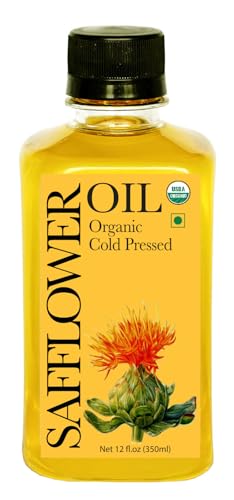
| Best Organic | Oil Type: Safflower oil (high oleic, extra virgin) | Extraction Method: Cold pressed (kachchi ghani) | Heat Stability / Use: High smoke point – suitable for high-heat cooking, frying, baking | VIEW LATEST PRICE | Read Our Analysis |
| Oleico Gourmet High-Oleic Safflower Oil (3-Pack) |

| Best for Flavor | Oil Type: Safflower oil (high oleic, infused) | Extraction Method: Expeller pressed | Heat Stability / Use: High-heat stable – suitable for high-heat cooking | VIEW LATEST PRICE | Read Our Analysis |
| Oleico High-Oleic Safflower Oil (32.3 fl oz 3-Pack) |

| Best Bulk Value | Oil Type: Safflower oil (high oleic) | Extraction Method: Expeller pressed | Heat Stability / Use: High-heat stable – suitable for high-heat cooking | VIEW LATEST PRICE | Read Our Analysis |
| Oleico High Oleic Expeller-Pressed Safflower Oil (128 fl oz) |

| Best for Foodservice | Oil Type: Safflower oil (high oleic) | Extraction Method: Expeller pressed | Heat Stability / Use: High-heat stable – suitable for high-heat cooking/frying | VIEW LATEST PRICE | Read Our Analysis |
| Oleico High Oleic Safflower Oil (32.3 fl oz 2-pack) |

| Best Everyday Supply | Oil Type: Safflower oil (high oleic) | Extraction Method: Expeller pressed | Heat Stability / Use: High-heat stable – suitable for high-heat cooking | VIEW LATEST PRICE | Read Our Analysis |
More Details on Our Top Picks
Daana USDA Organic Extra Virgin Safflower Oil (12 oz)
Should you want a clean, farm-first safflower oil that’s gentle on your skin and strong enough for high-heat cooking, Daana USDA Organic Extra Virgin Safflower Oil is a smart pick. You’ll like that it’s cold pressed in traditional kachchi ghani, keeping nutrients and antioxidants intact. It’s high oleic, unrefined, and free of cholesterol and trans fats, so you can cook, bake, fry, or drizzle without worry. The mild aroma and safflower seed flavor suit salads and mayo, and Vitamin E supports skin and hair whenever you use it topically. Sourced from women-run family farms, it’s fair trade and cruelty free.
- Oil Type:Safflower oil (high oleic, extra virgin)
- Extraction Method:Cold pressed (kachchi ghani)
- Heat Stability / Use:High smoke point – suitable for high-heat cooking, frying, baking
- Fat Profile / Trans Fats:High oleic; contains unsaturated fats; no trans fats
- Added/Included Nutrient:Contains Vitamin E (natural antioxidants)
- Certifications / Verifications:USDA Organic; cruelty-free; sustainably sourced (family farms)
- Additional Feature:Cold-pressed kachchi ghani
- Additional Feature:Sourced from women farmers
- Additional Feature:Non-sticky topical moisturizer
Oleico Gourmet High-Oleic Safflower Oil (3-Pack)
Should you want a cooking oil that stays steady under high heat and brings bright herb flavors to your dishes, Oleico Gourmet High-Oleic Safflower Oil (3-Pack) is a smart pick for busy home cooks and flavor lovers. You get three 12 fl oz bottles, each expeller pressed from 100% high oleic safflower seeds. The oil is non GMO and kosher verified, and it’s fortified with vitamin E for antioxidant support. Varieties include Provencal, Creole, and Mediterranean, all infused with herbs and garlic flakes. You can sear, sauté, or roast confidently without losing flavor.
- Oil Type:Safflower oil (high oleic, infused)
- Extraction Method:Expeller pressed
- Heat Stability / Use:High-heat stable – suitable for high-heat cooking
- Fat Profile / Trans Fats:High oleic; high monounsaturated fat; 0 g trans fat
- Added/Included Nutrient:Enriched with Vitamin E
- Certifications / Verifications:Non-GMO certified; Kosher verified
- Additional Feature:Herb-infused flavor varieties
- Additional Feature:Assorted bottle styles
- Additional Feature:Kosher verified & non-GMO
Oleico High-Oleic Safflower Oil (32.3 fl oz 3-Pack)
Should you want a dependable cooking oil that handles high heat and keeps flavors neutral, Oleico High-Oleic Safflower Oil is a solid pick for busy home cooks and anyone who cares about heart-healthy fats. You’ll like that it’s made from 100% high oleic safflower seeds, which gives it high monounsaturated fat and zero trans fat. It’s expeller pressed from naturally selected seeds and kosher verified, so you feel good about quality. The light, odorless oil won’t mask dishes and it works well for frying, roasting, and salad dressings. Pack of three 32.3 fl oz bottles adds value.
- Oil Type:Safflower oil (high oleic)
- Extraction Method:Expeller pressed
- Heat Stability / Use:High-heat stable – suitable for high-heat cooking
- Fat Profile / Trans Fats:High oleic; high monounsaturated fat; 0 g trans fat
- Added/Included Nutrient:Enriched with Vitamin E
- Certifications / Verifications:Non-GMO certified; Kosher verified
- Additional Feature:Large bulk bottles
- Additional Feature:Light, odorless, flavorless
- Additional Feature:Naturally selected seeds
Oleico High Oleic Expeller-Pressed Safflower Oil (128 fl oz)
Whenever you cook for a busy family or run a small food business, Oleico High Oleic Expeller-Pressed Safflower Oil in the 128 fl oz bottle is a smart pick that saves time and stays reliable. You’ll appreciate that it’s made from 100% high oleic safflower seeds and expeller pressed for a clean, natural extraction. It’s non GMO and kosher verified, so you can trust quality. With high monounsaturated fat, zero trans fat, and added vitamin E, it supports healthier cooking. The oil is light, odorless, and heat stable, so you can fry, sauté, bake, and dress without changing flavors.
- Oil Type:Safflower oil (high oleic)
- Extraction Method:Expeller pressed
- Heat Stability / Use:High-heat stable – suitable for high-heat cooking/frying
- Fat Profile / Trans Fats:High oleic; high monounsaturated fat; 0 g trans fat
- Added/Included Nutrient:Enriched with Vitamin E
- Certifications / Verifications:Non-GMO certified; Kosher verified
- Additional Feature:Extra-large 128 fl oz size
- Additional Feature:Neutral flavor for baking
- Additional Feature:Commercial/home kitchen suitable
Oleico High Oleic Safflower Oil (32.3 fl oz 2-pack)
Provided you want a cooking oil that handles high heat without changing flavor, Oleico High Oleic Safflower Oil is a smart pick for home cooks who care about clean, reliable results. You’ll like that it comes as a 2-pack of 32.3 fl oz bottles, so you won’t run out mid-season. It’s expeller pressed from 100% high oleic seeds, non GMO certified and kosher verified, so you can trust the basics. With high monounsaturated fat, zero trans fat, and vitamin E, it stays stable at high temperatures and stays light and neutral in your dishes.
- Oil Type:Safflower oil (high oleic)
- Extraction Method:Expeller pressed
- Heat Stability / Use:High-heat stable – suitable for high-heat cooking
- Fat Profile / Trans Fats:High oleic; high monounsaturated fat; 0 g trans fat
- Added/Included Nutrient:Enriched with Vitamin E
- Certifications / Verifications:Non-GMO certified; Kosher verified
- Additional Feature:Pack-of-2 value format
- Additional Feature:Naturally expeller pressed
- Additional Feature:Per-pack info provided
Factors to Consider When Choosing Safflower Oils
When you pick a safflower oil, start by checking smoke point and fatty acid profile so you know how it will cook and how it supports heart health. Also pay attention to extraction method and purity along with any added nutrients, since cold pressed or refined oils and added vitamins change flavor and benefits. Finally, notice aroma and taste because a mild scent works for everyday cooking while stronger notes could suit dressings, and these choices all connect to how you’ll use the oil.
Smoke Point & Heat Stability
You’ll usually find that smoke point and heat stability decide how you can cook with safflower oil, so it’s worth paying attention before you buy. Should you plan to fry or sear, pick high-oleic safflower oil. It handles high heat, often 450 to 510°F, and stays steady without breaking down. For low-heat uses like dressings, cold-pressed or unrefined oil can add flavor, but it won’t stand up to high temperatures. Also check processing and packaging dates. Expeller-pressed or refined oils usually resist heat better than unrefined ones, and fresh bottles exposed to light or air age faster. If unsure, look for a documented smoke point or stability rating so you don’t guess and risk off flavors.
Fatty Acid Profile
Consider fatty acids like a recipe that tells you what an oil will do in your kitchen and on your plate. You’ll see two main types of safflower oil. High-oleic varieties deliver mostly monounsaturated oleic acid, often 70% or more. That makes them stable, less likely to go rancid, and better for higher heat cooking. Linoleic-rich types pack 60 to 80% polyunsaturated linoleic acid, a significant omega-6 that your body needs. You should balance omega-6 with omega-3 to avoid inflammatory imbalance, so reflect on your whole diet whenever choosing. Check nutrition labels; compare grams of saturated, monounsaturated, and polyunsaturated fats. This helps you match oil stability and health goals, and keeps meals tasting fresh and safe.
Extraction Method & Purity
You’ve already looked at fatty acids and how they shape flavor and cooking uses, and now it helps to check how the oil was made because extraction method and purity affect both taste and safety. If you choose safflower oil, prefer cold-pressed or expeller-pressed options. They use mechanical methods, keep vitamin E and other antioxidants, and avoid solvent residues. Recall high-oleic just describes fatty acids and can come from any extraction, but cold pressing preserves delicate compounds better. Refined or solvent-extracted oils often lose flavor and nutrients through heat and chemicals, though they might last longer and handle high heat. Look for solvent-free labels, third-party purity or non-GMO verification, and minimal processing claims. That balance helps you pick oils that feel safer and taste more natural.
Flavor And Aroma
Whenever you pick a safflower oil, flavor and aroma matter because they change how your food tastes and smells. You’ll notice refined and high-oleic oils act almost neutral, so your other ingredients shine without competition. In case you want gentle seed or nutty notes, choose cold-pressed, unrefined extra-virgin oils that keep vegetal and seed aromas intact. Processing and filtration shape how long scent lingers and whether flavor holds up under heat. Infused oils bring herbs or spices, and you’ll pick those whenever you desire the oil itself to add character. Match neutral oils to delicate dishes and aromatic or infused ones to recipes that welcome bold flavor. Take note of labeling so the oil fits your cooking mood.
Nutritional Additives
A few simple labels on the bottle can tell you a lot about what’s been added to safflower oil and how those additives affect your health and cooking. Look for vitamin E or tocopherols listed next. They act as antioxidants, help preserve freshness, and give a modest nutritional uplift you’ll appreciate. Also check for high-oleic wording. That means more monounsaturated fat and often 0 g trans fat per serving, which supports heart-friendly cooking. Watch for herbal or spice infusions in case you want extra flavor. They change the taste and can slightly lower the smoke point, so match them to your recipes. Read certification marks like Non GMO or kosher to learn processing standards. Avoid hydrogenated or partially hydrogenated fats, which can add harmful trans fats.
Packaging Size And Value
Consider how often you cook and how fast you’ll use a bottle of safflower oil before you pick a size. Should you cook daily or make large batches, larger bottles cut cost per fluid ounce and save money over time. In case you cook now and then, smaller 100 to 375 ml bottles stay fresher and are easier to store. Reflect on multipacks when stocking up. Multipacks often offer better value, but they need space and a plan to use them before quality drops. Check container type too. Dark glass or airtight resealable packaging helps oil last longer, so smaller sizes in good containers can beat plain large plastic. Always compare price per fluid ounce and match size to your use rate.
Sustainability And Sourcing
Should you want oil that’s kinder to people and the planet, start checking where and how the safflower was grown. You’ll feel better once the brand names the farm or region and shows smallholder or family farm partnerships. Those supply chains tend to support communities and let you trace practices. Also look for certified labels like USDA Organic, Non GMO, Fair Trade, or Kosher to confirm lower chemical use and fair labor. Pay attention to cold pressed or expeller pressed unrefined oils because they use less energy and fewer chemicals while keeping nutrients. Read about seed selection and crop rotation. Choosing high oleic varieties and rotation cuts pests and supports soil. Finally weigh package size and recyclability so you reduce waste over time.
