

You’ll love these five reliable organic oolongs that brew great every time: VIXI Vietnam Mountain tea for wild high-elevation leaves, Twinings Pure Oolong for a warm toasty balance, Bigelow for travel-friendly freshness, Prince of Peace for family-size organic bags, and Ito En Golden Oolong for consistent flavor. Pick airtight, plastic-free packaging, watch harvest or pack dates, brew 185–205°F based on darkness, and start with short steeps and multiple infusions so you’ll learn more.
| VIXI Oolong Tea Bags – 150 Count Vietnam Mountain Tea |

| Wild-Harvested Pick | Form: Tea bags | Caffeine: Caffeinated | Flavor Profile: Bold, balanced oolong | VIEW LATEST PRICE | Read Our Analysis |
| Twinings Pure Oolong Tea Bags (20 Count) |

| Classic Favorite | Form: Tea bags | Caffeine: Caffeinated | Flavor Profile: Warm, toasty oolong | VIEW LATEST PRICE | Read Our Analysis |
| Bigelow Oolong Tea Bags 20 ct |

| Travel-Friendly Choice | Form: Tea bags | Caffeine: Caffeinated (implied by oolong) | Flavor Profile: Smooth, mellow oolong | VIEW LATEST PRICE | Read Our Analysis |
| Prince of Peace Organic Oolong Tea (200 Bags) |

| Family Size Staple | Form: Tea bags | Caffeine: Natural caffeine | Flavor Profile: Smooth, bold oolong | VIEW LATEST PRICE | Read Our Analysis |
| Ito En Tea Golden Oolong Tea Unsweetened 16.9 Ounce (Pack of 12) |
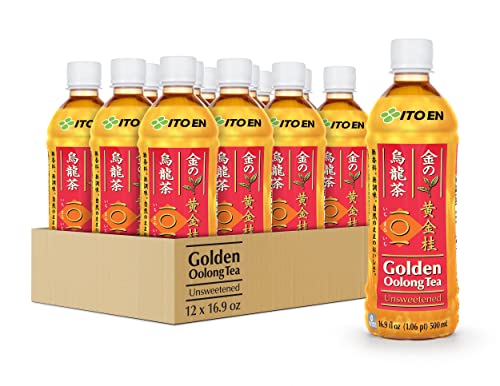
| Ready-to-Drink Premium | Form: Ready-to-drink bottled tea | Caffeine: Contains tea caffeine (green/oolong blend) | Flavor Profile: Flowery, fragrant golden oolong | VIEW LATEST PRICE | Read Our Analysis |
More Details on Our Top Picks
VIXI Oolong Tea Bags – 150 Count Vietnam Mountain Tea
Should you want a bold, natural oolong that feels like it was picked just for you, VIXI Oolong Tea Bags are a great match. You’ll find 150 tagless bags filled with wild mountain leaves from ancient trees in North Vietnam, grown above 1,400 meters. These trees mature in cold, remote conditions, so the leaves carry richer nutrients and a balanced caffeinated kick. You can brew hot or cold, enjoy sugar-free flavor, and trust hand-harvested care with Japanese, plastic-free bags. There are no additives, and satisfaction is guaranteed, so you can relax and savor every steep.
- Form:Tea bags
- Caffeine:Caffeinated
- Flavor Profile:Bold, balanced oolong
- Serving Options:Hot or cold brew
- Packaging Size/Count:150 tea bags
- Purity/Ingredients:100% natural, no additives
- Additional Feature:Ancient wild trees
- Additional Feature:High-altitude (>1,400 m)
- Additional Feature:Plastic-free tea bags
Twinings Pure Oolong Tea Bags (20 Count)
Provided that you want a reliable, gently caffeinated oolong that’s easy to brew any time of day, Twinings Pure Oolong Tea bags fit the bill nicely. You’ll find individually wrapped bags that lock in freshness, so each cup tastes consistent. The leaves use a partial oxidation process, which gives you a warm, toasty flavor sitting between black and green tea. Steep for 3 to 5 minutes in boiling water and enjoy hot, with or without milk. For a cool change, cool brew and pour over ice. Sweeten to taste. Origin traces back to Fujian, China, with a long tea history.
- Form:Tea bags
- Caffeine:Caffeinated
- Flavor Profile:Warm, toasty oolong
- Serving Options:Hot or iced
- Packaging Size/Count:20 tea bags
- Purity/Ingredients:Pure oolong (no added flavors)
- Additional Feature:Individually wrapped bags
- Additional Feature:Fujian origin heritage
- Additional Feature:Steep 3–5 minutes
Bigelow Oolong Tea Bags 20 ct
Provided you want a travel-friendly oolong that stays fresh and easy to brew, Bigelow Oolong Tea Bags, 20 ct delivers just that. You’ll find a smooth, distinctive taste with mellow notes that calm your senses. Each bag is individually wrapped in foil pouches, so freshness and aroma stay locked in whether you’re at work or on the road. That packaging links freshness to portability, making it simple to pair the tea with meals or enjoy it alone. You can brew a consistent cup every time, and the convenience means you won’t skip a comforting ritual whenever your day gets busy.
- Form:Tea bags
- Caffeine:Caffeinated (implied by oolong)
- Flavor Profile:Smooth, mellow oolong
- Serving Options:Hot or portable (travel-friendly)
- Packaging Size/Count:20 tea bags
- Purity/Ingredients:Pure oolong (consistent mellow notes)
- Additional Feature:Foil pouch wrapping
- Additional Feature:Travel-friendly portability
- Additional Feature:Consistent mellow notes
Prince of Peace Organic Oolong Tea (200 Bags)
Should you want a family-friendly oolong that keeps mornings bright and afternoons calm, Prince of Peace Organic Oolong Tea is a smart pick. You’ll get 200 bags of 100% organic, non-GMO tea that’s gluten free and free of harsh additives. The smooth, bold flavor leans toward a black tea oolong taste and works hot or cold. It offers calcium, magnesium, and potassium to support heart and brain health while natural caffeine gives you a gentle energy lift and clearer focus. Share the family size to energize mornings, refocus afternoons, and unwind evenings with ease and comfort.
- Form:Tea bags
- Caffeine:Natural caffeine
- Flavor Profile:Smooth, bold oolong
- Serving Options:Hot or cold
- Packaging Size/Count:200 tea bags
- Purity/Ingredients:100% organic, non-GMO, no harsh additives
- Additional Feature:Family-size 200 bags
- Additional Feature:Non-GMO certified
- Additional Feature:Mineral content listed
Ito En Tea Golden Oolong Tea Unsweetened 16.9 Ounce (Pack of 12)
Provided that you want a ready-to-drink oolong that tastes like a carefully brewed cup, Ito En Golden Oolong is a great pick for busy tea lovers who still care about quality. You’ll enjoy a flowery, fragrant profile from Golden Cinnamon and Iron Goddess leaves, bottled for your convenience. It’s unsweetened, so you control flavor and calories, and the whole-leaf brewing gives a pure taste. The pack of 12 keeps you stocked for work, travel, or quiet breaks. Ito En also offers matcha and Sencha, so you can try other green tea styles that share antioxidant benefits and gentle calm.
- Form:Ready-to-drink bottled tea
- Caffeine:Contains tea caffeine (green/oolong blend)
- Flavor Profile:Flowery, fragrant golden oolong
- Serving Options:Ready-to-drink (cold/room temp)
- Packaging Size/Count:16.9 oz bottle (pack of 12)
- Purity/Ingredients:Unsweetened, authentically brewed whole-leaf tea
- Additional Feature:Ready-to-drink bottles
- Additional Feature:Golden Cinnamon/Iron Goddess
- Additional Feature:Pack of 12 bottles
Factors to Consider When Choosing Organic Oolong Teas
When you pick an organic oolong, consider about where it’s grown and how the soil and climate shape its taste. Check organic certification and whether the leaves were wild or farmed, since processing and oxidation levels also change the flavor a lot. These factors work together to give you the wide range of profiles from floral and light to toasty and rich.
Origin And Terroir
Provided you care about flavor, start looking at where an oolong comes from and how the land shapes it. You’ll notice elevation matters: teas grown above about 1,000 to 1,400 meters develop slower, richer aromas because cool nights and slower leaf growth intensify flavors. Then consider soil and minerals. pH, organic matter, and elements like calcium and magnesium change mouthfeel and layered taste notes, so mineral-rich ground often yields a more full-bodied cup. Climate ties into this: temperature swings, humidity, and rainfall patterns guide oxidation and leaf chemistry, nudging teas toward floral, toasty, or vegetal profiles. Finally, traditional growing practices and local microbes add subtle, unique fermentation and aroma traits you’ll observe in each region.
Organic Certification Standards
After you’ve looked at where an oolong comes from and how land, climate, and microbes shape its flavor, you’ll want to check how it was grown and processed. Whenever you choose organic oolong, look for certified logos like USDA Organic, EU Organic, or JAS. These show an accredited body inspected the farm and verified no synthetic pesticides, herbicides, or GMOs were used. Certification also means farmers followed soil and crop practices such as rotation, composting, and natural pest control to protect ecosystem health. Processing rules limit artificial additives, preservatives, irradiation, and synthetic aids during drying and packaging. Because records and supply chain audits back certification, you can ask for batch or certificate numbers to confirm authenticity and feel confident in your cup.
Wild Versus Cultivated
Provided that you care about flavor and impact, choosing between wild and cultivated oolong matters a lot. You’ll notice wild oolong often comes from old trees on steep slopes. These trees grow slowly, send roots deep, and concentrate minerals and aromatic compounds. That can make each cup feel special and tied to place. By contrast, cultivated oolong comes from planted bushes tended for yield and consistency. Farmers breed them for predictable flavor so you know what to expect each steeping. Wild harvests are harder and cost more, so offerings are rarer. Cultivation can use inputs but also follows organic rules and scales supply. Consider your priorities: distinct, variable terroir or steady, dependable cups that fit your daily routine.
Processing And Oxidation
At the time you pick up a tin of organic oolong, know that the way it’s processed and how much it’s oxidized will shape almost everything you taste, from green, floral subtleties to warm, toasty caramel. You’ll watch wither, bruise, oxidize, fix, roll, and dry, and each step steers aroma, body, and polyphenols. Lighter oxidation keeps vegetal and floral characteristics intact. Heavier oxidation builds toasty, caramel, and fruity tones. Temperature and timing during oxidation matter because enzymes turn catechins into theaflavins and thearubigins, changing color and antioxidants. With organic leaves, producers rely on careful mechanical and environmental control instead of chemicals, so batches feel more honest and regional. Pay attention to processing style; it tells you what kind of cup will greet you.
Flavor Profile Variety
Upon selecting an organic oolong, recall that a few simple choices will shape nearly everything you taste, so start with considering oxidation, firing, leaf grade, brewing, and terroir. You’ll notice light oxidation gives floral and green notes that feel bright and fresh. As oxidation and roasting rise, flavors move toward caramel, toast, and warm roasted tones that feel fuller on your tongue. Whole leaves often deliver more nuance and longer steeps, while broken leaves brew faster and taste stronger sooner. Adjust water temperature and steep time to coax sweetness, reduce astringency, or reveal concealed aromatics. Finally, terroir and harvest season gently steer flavor toward delicate spring florals or richer autumn depth, especially from high altitude gardens that tend to be more fragrant.
Packaging And Freshness
Because freshness shapes almost everything you taste, you’ll want to check packaging as soon as you pick a tea, and not later once you’re surprised by a flat cup. You’ll prefer individually sealed or foil-wrapped bags whenever you value lasting aroma. They cut air and moisture exposure, so volatile compounds stick around for months. Also look for airtight, opaque containers because light and oxygen dull oolong’s delicate oils. Choose plastic-free, staple-free options like heat-sealed, unbleached filter paper to avoid off flavors during you brew hot. Avoid big bulk packs without reseal; they lose freshness fast. Finally, check the harvest or packaging date, not just best-by, so you’ll pick the freshest-packed oolong with brighter flavor and more preserved aroma compounds.
Health And Nutrients
Provided you want a tea that wakes you gently and supports your body, organic oolong can be a smart choice because it balances natural caffeine with calming L-theanine and antioxidants. You get moderate caffeine, about 30 to 50 mg per 8 oz cup, so you feel alert without the harsh buzz. Because oolong is partly oxidized, it keeps L-theanine and polyphenols like theaflavins and catechins, which help steady mood and reduce jittery feelings. Organic certification lowers your exposure to synthetic pesticides and possible heavy metal residues, which makes your daily cup feel safer. Leaves also carry small amounts of minerals such as potassium, calcium, and magnesium, so your tea adds gentle nutritional value.
Brewing And Preparation
Start treating brewing like a gentle ritual that brings out the best in your organic oolong, since small choices make a big difference in flavor and mood. You’ll heat water between 185–205°F (85–96°C), aiming lower for light oolongs and higher for darker ones so you avoid bitterness. Next, measure about 1 teaspoon or 2–3 grams per 6–8 oz of water, and adjust should you want a bolder cup. Rinse whole leaves for 5–10 seconds to open them and remove dust, then discard that water. Steep light oolongs 1–3 minutes and dark ones 3–5 minutes, starting short for delicate leaves. Plan multiple infusions, increasing steep time by 15–30 seconds each brew to enjoy unfolding flavors.
