


You might wonder if grape seed oil is a healthy choice. This oil stands out for its antioxidant power and its support for heart health. Many choose grape seed oil for cooking or skincare because it contains valuable nutrients:
Vitamin E ranges from 1 to 53 mg per 100 g of grape seed oil.
Omega-6 fatty acids make up a large part of the oil.
Phenolic compounds, including polyphenols, add further benefits.
Grape seed oil also helps reduce free radical damage and supports your heart by lowering harmful cholesterol.
Key Takeaways
Grape seed oil is rich in vitamin E and antioxidants, which help protect your cells and support heart health.
Using cold-pressed grape seed oil is the healthiest option, as it retains more nutrients and natural flavor.
Grape seed oil can lower bad cholesterol (LDL) and raise good cholesterol (HDL), promoting better heart health.
This oil has anti-inflammatory properties that may help reduce swelling and support joint health.
Grape seed oil is versatile; use it for cooking, skincare, and hair care to enjoy its many benefits.
What Is Grape Seed Oil?
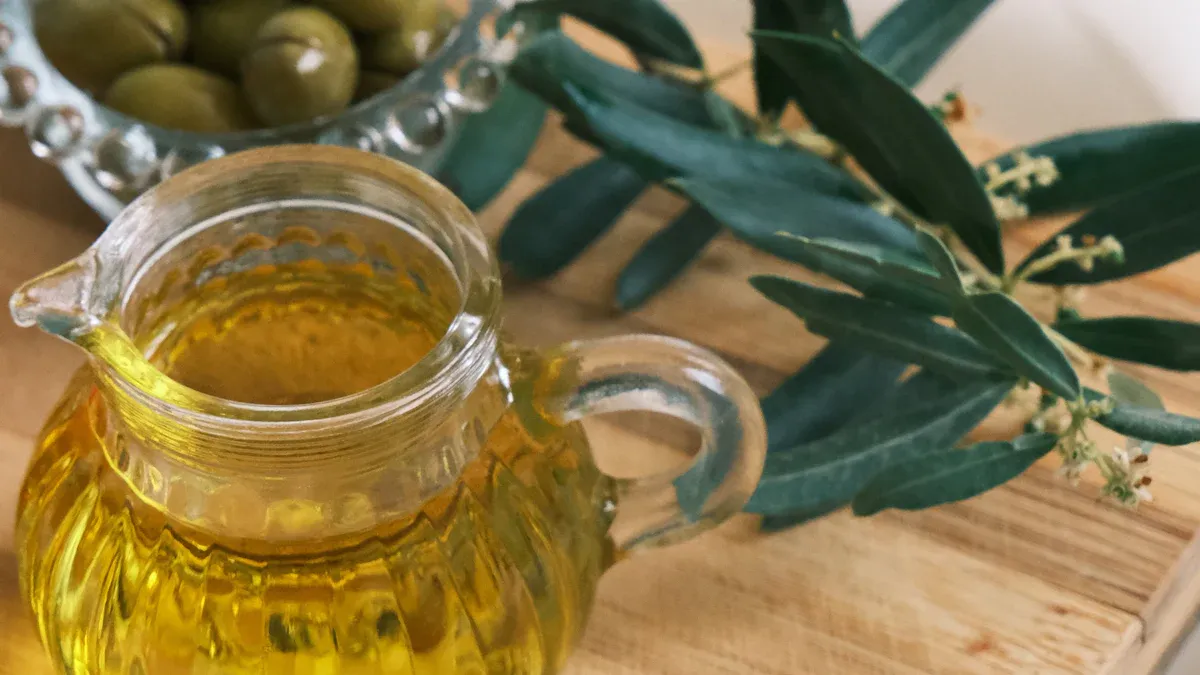
Grapeseed oil comes from the small seeds inside grapes. You find these seeds left over after making wine. Producers use grapeseed oil in food, cosmetics, and even some medicines. You might see grapeseed oil in salad dressings, moisturizers, or hair products.
Extraction Process
You can get grapeseed oil from grapeseed using several methods. The most common ways include direct pressing and solvent extraction. Some producers use ultrasound-assisted extraction or supercritical CO2 extraction for better results.
Direct pressing uses machines to squeeze oil from grapeseed. This method can raise the temperature, which may change the oil’s properties.
Solvent extraction uses chemicals to pull oil from grapeseed. This method gives a higher yield but may leave chemical traces.
Supercritical CO2 extraction uses special gases and is more eco-friendly. It keeps more nutrients in the oil and reduces harmful emissions.
Here is a table showing how different extraction methods affect grapeseed oil:
Extraction Method | Yield | Nutritional Quality | Notes |
|---|---|---|---|
CO2-expanded ethanol | 13.6% | 87.5% unsaturated fatty acids, 75.5% linoleic acid | Reduces solvent use and extraction time |
Mechanical pressing | Low | May lose some antioxidants and antimicrobial properties | Traditional, avoids solvents |
Solvent extraction | Variable | Depends on solvent used | High yield, possible chemical residues |
Grapeseed oil is a byproduct of winemaking, which makes it a sustainable choice. However, the extraction method matters. Cold-pressed grapeseed oil uses less energy and keeps more nutrients, while solvent-extracted grapeseed oil is more common in large factories.
Types
You can choose from two main types of grapeseed oil: cold-pressed and solvent-extracted. Cold-pressed grapeseed oil uses machines to press grapeseed without heat or chemicals. This method keeps the oil’s natural flavor and nutrients. Many people prefer cold-pressed grapeseed oil for cooking and skincare because it is more natural.
Solvent-extracted grapeseed oil uses chemicals to get more oil from grapeseed. This type is cheaper and more common in big industries. It may lose some nutrients during processing.
In 2022, mechanically extracted grapeseed oil made up over half of the market because of its high nutritional value. Cold-pressed grapeseed oil is becoming more popular as people look for organic and clean products. You see grapeseed oil from the United States and Canada often, as these countries lead in production. Mexico and Russia also import large amounts of grapeseed oil.
Tip: If you want the healthiest option, look for cold-pressed grapeseed oil on the label.
Grape Seed Oil Nutrition
Vitamin E and Antioxidants
You get vitamin E from grapeseed oil, which helps protect your cells. One tablespoon of grapeseed oil gives you about 3.9 mg of vitamin E, or 26% of your daily value. This is higher than olive oil. Vitamin E acts as an antioxidant, fighting free radicals in your body. Grapeseed oil also contains other antioxidants, such as polyphenols and flavonoids. These nutrients help keep your skin healthy and support your immune system.
Oil Type | Vitamin E (mg per tablespoon) | % of Daily Value (DV) |
|---|---|---|
Grapeseed Oil | 3.9 | 26% |
Olive Oil | Lower than Grapeseed Oil | N/A |
Note: Grapeseed oil is a good source of vitamin E, but olive oil offers other health benefits.
Omega-6 Fatty Acids
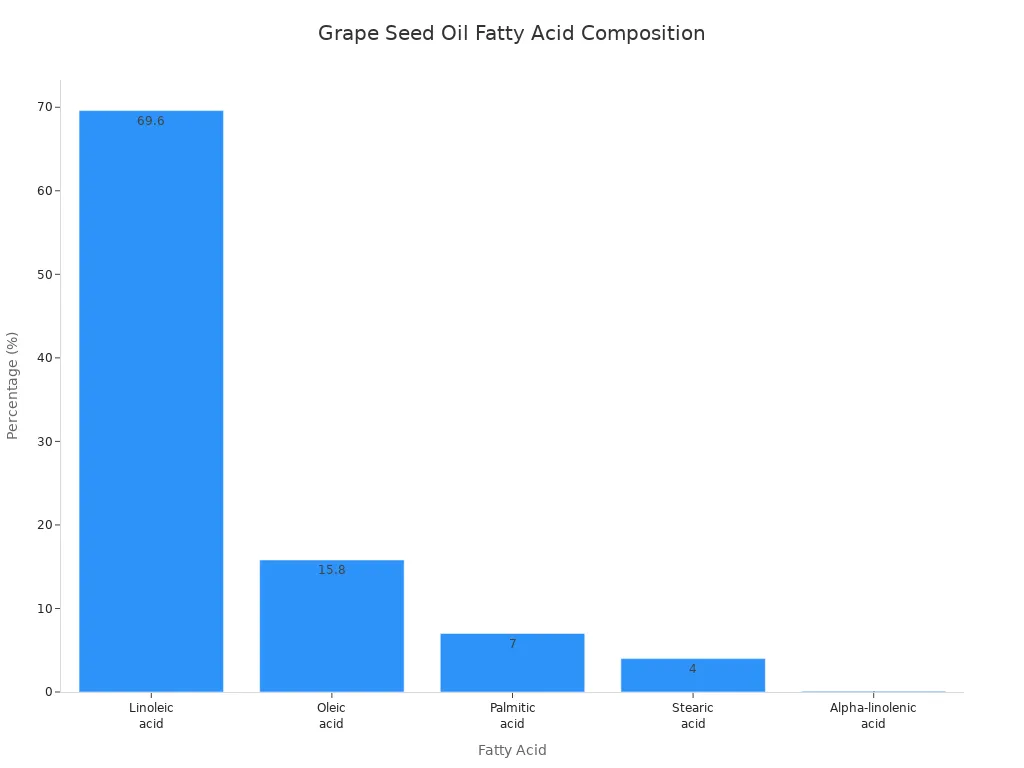
Grapeseed oil contains a high amount of omega-6 fatty acids. Linoleic acid makes up almost 70% of the oil. Omega-6 fatty acids are important for your body, but too much can lead to inflammation. Grapeseed oil has more polyunsaturated fats than olive oil, which is rich in monounsaturated fats. You find omega-6 in many vegetable oils, but grapeseed oil stands out for its high content.
Acid | Type | Percentage |
|---|---|---|
Linoleic acid | ω−6 unsaturated | 69.6% |
Oleic acid | ω−9 unsaturated | 15.8% |
Palmitic acid | Saturated | 7% |
Stearic acid | Saturated | 4% |
Alpha-linolenic acid | ω−3 unsaturated | 0.1% |
Palmitoleic acid | ω−7 unsaturated | <1% |
Phenolic Compounds
Grapeseed oil contains phenolic compounds, which act as antioxidants. You find polyphenols and flavonoids in grapeseed oil. These compounds help fight free radicals and may lower your risk of heart disease, cancer, and high blood pressure. Grapeseed oil also has unsaponifiables, which are rich in phenols and steroids. Polyphenols in grapeseed oil show stronger antioxidant activity than vitamin C or β-carotene.
Phenolic compounds in grapeseed oil:
Polyphenols
Flavonoids
Steroids
Calorie Content
You get about 120 calories from one tablespoon of grapeseed oil. This is similar to olive oil and avocado oil. Most of the calories come from fat, mainly polyunsaturated fat. Grapeseed oil is low in saturated fat, which makes it a lighter choice for cooking.
Oil Type | Calories per Tablespoon |
|---|---|
Grape Seed Oil | 124 |
Avocado Oil | 120 |
Olive Oil | 120 |
Tip: Use grapeseed oil in moderation to balance your nutrition and calorie intake.
Grape Seed Oil Health Benefits
Heart Health
You can support your heart by adding grapeseed oil to your diet. Grapeseed oil contains polyphenols and omega-6 fatty acids, which help maintain healthy blood vessels. Studies show that grape seed extract lowers blood pressure, especially in younger people and those with obesity or metabolic disorders. You may notice improved heart health if you use grapeseed oil regularly.
Grapeseed oil may lower systolic blood pressure and heart rate.
People with hypertension or metabolic syndrome see the most benefits.
Grapeseed oil can help you achieve reduced risk of heart disease.
You get improved heart health because grapeseed oil helps your arteries work better. The antioxidants in grapeseed oil protect your heart from damage caused by free radicals.
Cholesterol Support
Grapeseed oil offers benefits for your cholesterol levels. You can see changes in both LDL and HDL cholesterol when you use grapeseed oil. The table below shows how grapeseed oil affects cholesterol:
Cholesterol Type | Change in Levels (mg/dL) | Confidence Interval (95%) | p-value |
|---|---|---|---|
LDL-C | -6.3 | -9.5 to -3.0 | < 0.001 |
HDL-C | +1.4 | 0.8 to 1.9 | < 0.001 |
You may notice lower LDL cholesterol, which is the “bad” cholesterol. Grapeseed oil also helps raise HDL cholesterol, which is the “good” cholesterol. These benefits support your heart and lower your risk of heart disease.
Anti-Inflammatory Effects
Grapeseed oil provides anti-inflammatory benefits that protect your body. You can use grapeseed oil to help reduce swelling and pain. Research shows that grapeseed oil decreases inflammatory cytokines and helps with osteoarthritis. The antioxidants and linoleic acid in grapeseed oil help your body fight inflammation.
Study | Findings | Conclusion |
|---|---|---|
Woo et al. | Increased foot movement, reduced loss of chondrocytes, decreased inflammatory cytokines | Grapeseed oil has protective effects on osteoarthritis in animal models. |
Hailati et al. | Procyanidins reduce inflammatory cytokines and osteophyte formation | Procyanidins from grapeseed constrain osteoarthritis development. |
Mevel et al. | Anti-osteoarthritis effects from grape seed extracts | Grape seed extracts exhibit anti-oxidative and anti-inflammatory effects. |
You get anti-inflammatory benefits from phenolic compounds in grapeseed oil. These compounds help your body control inflammation and protect your joints.
Tip: Grapeseed oil can help you manage inflammation and support joint health.
Skin and Hair Benefits
You can use grapeseed oil for beauty benefits. Grapeseed oil helps your skin stay healthy and soft. The antioxidants in grapeseed oil protect your skin from free radicals and pollution. You may notice improved skin elasticity and faster wound healing when you use grapeseed oil.
Grapeseed oil protects your skin from UV damage.
Vitamins C, D, and E in grapeseed oil help your skin fight environmental stress.
Grapeseed oil supports wound healing and skin repair.
Finding | Description |
|---|---|
Hydroxyproline Content | Higher in granulation tissue of rats treated with grapeseed oil, indicating improved wound healing. |
Wound Closure Rate | Quicker in treated animals, suggesting effective wound healing potential. |
Resveratrol Effects | Topical application led to faster wound contraction and enhanced VEGF synthesis. |
You can use grapeseed oil to treat acne and improve skin health. Grapeseed oil helps reduce acne by controlling oil production and soothing irritated skin. You may also see beauty benefits for your hair, such as less dryness and more shine.
Note: Grapeseed oil is gentle and works well for sensitive skin and acne-prone skin.
Insulin Resistance
You can use grapeseed oil to help with insulin resistance and blood sugar control. Grapeseed oil improves inflammatory conditions and helps your body use insulin better. Studies show that grapeseed oil lowers blood sugar and improves cholesterol in people with diabetes.
Study Title | Findings |
|---|---|
The effect of grape-seed oil on diabetes-related hyperglycemia, dyslipidemia, and inflammation in streptozotocin-induced diabetic rats | Regular administration of grapeseed oil improved dyslipidemia and hyperglycemia in diabetic rats. |
A 4-week Randomized, Double-Blind, Placebo-Controlled Clinical Trial on the Use of Grape Seed Extract for Reducing Plasma | Grape seed extract is a potential moderator of blood sugar markers in Type 2 diabetes. |
Does grape seed oil improve inflammation and insulin resistance in overweight or obese women? | Grapeseed oil consumption improves inflammatory conditions and insulin resistance in overweight/obese women. |
You may notice better blood sugar control and fewer symptoms of insulin resistance when you use grapeseed oil. These potential health benefits make grapeseed oil a smart choice for people who want to support their overall health.
Grapeseed Oil Uses

Cooking
You can use grapeseed oil as a healthy cooking oil in your kitchen. Grapeseed oil has a high smoke point, which means you can use it for frying, sautéing, and baking without worrying about burning. You get a light flavor that does not overpower your food. Many chefs choose grapeseed oil for salad dressings and marinades. You can also use it to roast vegetables or grill meats. Grapeseed oil works well for high-heat cooking and keeps your meals tasting fresh. You get a source of polyunsaturated fats, making it a smart choice for healthy cooking oil. Remember to store grapeseed oil in a cool, dark place. The shelf life usually ranges from six to 18 months. Time, temperature, light, and air exposure can affect its freshness because grapeseed oil contains about 90% polyunsaturated fatty acids.
Skincare
You can add grapeseed oil to your skin care routine. Grapeseed oil moisturizer helps your skin stay soft and hydrated. You may notice smoother skin and less dryness. Studies show that creams with grapeseed extract improve skin moisture, elasticity, and reduce wrinkles over 12 weeks. You get a decrease in melanin, which can help even out your skin tone. Grapeseed oil lotion is cost-effective and safe for anti-aging use. You can use grapeseed oil on your face or body to soothe rough or scaly skin. The antioxidants in grapeseed oil protect your skin from damage caused by free radicals. Many people with sensitive skin choose grapeseed oil because it is gentle and non-comedogenic.
Tip: Try using grapeseed oil as a natural moisturizer for your skin. You may see improvements in texture and hydration.
Hair Care
You can use grapeseed oil for hair care to keep your hair healthy and strong. Grapeseed oil contains antioxidants that protect your hair from damage. The oil bonds with hair proteins, forming a barrier that improves elasticity and texture. You may notice more shine and less breakage. Grapeseed oil helps moisturize your scalp and can reduce dandruff. Research shows that grapeseed oil may support hair growth by improving blood flow to your scalp. Dermatologists and hair care professionals recommend grapeseed oil for its positive effects on hair health. You get vitamin E, flavonoids, and linoleic acid, which are important for healthy hair growth.
Benefit | Description |
|---|---|
Moisturizing | Grapeseed oil hydrates the scalp and reduces dandruff. |
Strengthening | The oil strengthens the hair shaft and adds natural shine. |
Antioxidants | Protects hair cuticle integrity and prevents damage from free radicals. |
Hair Growth | May stimulate hair growth and improve scalp circulation. |
You can use grapeseed oil as a leave-in treatment or mix it with your shampoo. Grapeseed oil is lightweight and does not leave your hair greasy.
Risks and Downsides
Omega-6 Concerns
Grape seed oil contains a high amount of omega-6 fatty acids. You need omega-6 for your body to work well, but too much can cause problems. Some experts worry that eating a lot of omega-6 and not enough omega-3 may lead to inflammation. The table below shows what different health sources say about omega-6 in seed oils:
Source | Evidence |
|---|---|
Cleveland Clinic | High omega-6 levels in seed oils can lead to inflammation and an imbalance with omega-3s. |
Stanford Medicine | Some say omega-6 promotes inflammation, but there is no strong scientific proof. |
Eat Right | Most seed oils have more omega-6 than omega-3, but research does not prove omega-6 causes inflammation. |
American Heart Association | Omega-6 does not necessarily promote inflammation and is often unfairly criticized. |
You can see that experts do not all agree. Most say you should balance omega-6 with omega-3 in your diet. Grape seed oil is healthy when you use it as part of a balanced diet.
Allergies
You may wonder if grape seed oil causes allergies. Most people can use grape seed oil safely. Allergic reactions are rare, but they can happen. Signs of an allergy include itching, rash, or swelling. If you have a grape allergy, you should avoid grape seed oil. Always test a small amount on your skin before using it for the first time.
Note: If you notice any signs of an allergic reaction, stop using the oil and talk to your doctor.
Cooking Considerations
Grape seed oil works well for cooking, but you should know some facts. The oil has a high smoke point, usually between 420°F and 485°F. This makes it good for frying and baking. The table below shows key facts about grape seed oil for cooking:
Consideration | Details |
|---|---|
Smoke Point | 420–485°F |
Fatty Acid Content | High in polyunsaturated fat, mainly omega-6 |
Health Implications | Low in saturated fat, good source of vitamin E |
You get a light flavor that does not change the taste of your food. Grape seed oil is low in saturated fat, which supports heart health. The American Heart Association says you should limit saturated fats to lower your risk of heart disease. Grape seed oil is a healthy choice when you use it instead of oils high in saturated fat.
Tip: Store grape seed oil in a cool, dark place to keep it fresh and safe for cooking.
Grape seed oil gives you vitamin E, antioxidants, and essential fatty acids. You can use it for cooking, skincare, and hair care. Studies show it may lower systolic blood pressure and heart rate, as shown below:
Parameter | Effect Size | 95% CI | P-value |
|---|---|---|---|
Systolic Blood Pressure | -1.54 mm Hg | -2.85 to -0.22 | 0.02 |
Heart Rate | -1.42 bpm | -2.50 to -0.34 | 0.01 |
You can try these tips:
Use as a salad dressing or baking oil.
Apply after showering for skin hydration.
Blend with essential oils for massage.
Most experts agree that seed oils are not toxic when used in moderation. Always store grape seed oil in a cool, dark place and check labels if you use supplements.
FAQ
What is the best way to store grape seed oil?
You should keep grape seed oil in a cool, dark place. Use a tightly sealed bottle. Light and heat can make the oil spoil faster. Store it away from the stove or window.
What does grape seed oil taste like?
Grape seed oil has a mild, neutral flavor. You will not notice a strong taste in your food. This makes it good for salad dressings, baking, and frying.
What skin types can use grape seed oil?
You can use grape seed oil on all skin types. People with oily, dry, or sensitive skin often see good results. The oil does not clog pores and feels light on your skin.
What nutrients do you get from grape seed oil?
You get vitamin E, omega-6 fatty acids, and polyphenols from grape seed oil. These nutrients help protect your cells and support heart health.
What is the smoke point of grape seed oil?
Grape seed oil has a high smoke point, usually between 420°F and 485°F. You can use it for frying, sautéing, and baking without burning the oil.