

Harvested from the bark and roots of an Amazonian shrub, this herb was long brewed into Brazilian folk tonics and is now sold as one of the better-known herbal aphrodisiacs. Small clinical trials hint at real effects on desire and erectile function, yet the research base stays thin, so expectations deserve calibration.
This guide covers the science, how effects differ between men and women, dosing by form, safety concerns, and comparisons with other libido herbs, written for anyone weighing whether this plant deserves a spot on their shelf.
From Amazonian Folk Remedy to Modern Supplement Shelf
Botanists know this plant as Ptychopetalum olacoides, a small tree or shrub growing wild along the Amazon basin in Brazil. Indigenous healers and river communities used its bark and roots as a nerve tonic, a remedy for fatigue, and a remedy for impotence long before capsules existed. Brazilian pharmacopoeias listed it from the turn of the twentieth century onward, which is more documentation than most jungle herbs ever received.
The nickname tells you everything about its reputation. Brazilians call it marapuama, or “potency wood,” because the woody bark and root were believed to restore vigor and virility. Traditional preparations simmered the shredded bark into decoctions or soaked it in cane spirits to make tinctures, and that same bark still supplies most modern extracts.
Today’s products come in four main shapes: powdered raw bark or root, standardized extract capsules, alcohol-based tinctures, and loose tea blends. Standardized extracts matter here, because they concentrate the plant’s active compounds instead of leaving potency to chance. Which form you’re holding changes both the dose and the timeline, and that’s exactly where the evidence conversation begins.
Claims about potency mean little without knowing how solidly each one is backed.
Evidence Strength Behind Each Claimed Benefit
Before trusting any bottle’s promise list, it helps to see which claims rest on human data and which rest on folklore. Honest grading separates three tiers: small human trials, animal and lab research, and pure tradition. Most marketing blurs them together, so here’s the split laid out plainly.
| Claimed Benefit | Evidence Strength | Source Type |
|---|---|---|
| Improved libido and erectile function | Promising but weak | Small human trials from the 1990s and 2000s |
| Antioxidant activity | Moderate | Laboratory and animal studies |
| Memory and cognition | Preliminary signal only | Rodent research, no human confirmation |
| Stress relief and fatigue resistance | Anecdotal | Adaptogen marketing plus traditional use |
Findings From the Human Trials
Two small open-label trials form nearly the entire human evidence base for this herb, both led by French researcher Jacques Waynberg. One followed 262 men reporting low desire or erectile difficulty; roughly two-thirds rated themselves improved after two weeks on an extract blend. A companion trial enrolled 202 women with low desire and reported gains in desire, satisfaction, and frequency of intimate thoughts. Both lacked placebo controls, which caps how much weight they can carry.
Lab Signals Versus Marketing Claims
Rodent findings from Brazilian university labs point toward antioxidant compounds, protection of brain cells against oxidative stress, and memory improvements in maze tests. Those results justify continued research, nothing more. Adaptogen branding around stress and fatigue rests entirely on traditional reputation rather than controlled trials, so meet any product promising calm-on-demand with skepticism. Centuries of folk use earn curiosity; they don’t substitute for proof, and the next sections show where that distinction matters most.
That gap between tradition and proof becomes sharpest when looking at male-focused claims.
Benefits for Men: Libido, Performance, and the Testosterone Question
With the evidence tiers in mind, men searching for this herb usually want two answers: does it help performance, and does it raise testosterone. Performance has partial support behind it; testosterone has next to none.
Effects on Erectile Function and Desire
In the Waynberg trial mentioned above, 62 percent of men with reduced desire rated their situation improved after two weeks, and men with erectile difficulty reported firmer function. Researchers proposed greater pelvic blood flow as the mechanism, similar in spirit to how ginkgo biloba is theorized to aid circulation. No large randomized trial has replicated these numbers, so regard them as suggestive rather than settled.
Effects on Testosterone Levels
Direct human data linking muira puama to higher testosterone simply doesn’t exist. Animal studies show mixed hormonal signals at best, and no published trial has recorded meaningful serum testosterone changes in men taking it. Any label implying a testosterone boost is extrapolating far past the data. Your realistic expectation is improved desire and perhaps better vascular response, not a hormonal shift.
Reported Timelines
User reviews cluster around a two-to-four-week window before noticeable changes in desire, matching the two-week mark in the old trials. Taking double doses rarely shortens that wait; consistency does the work.
Men aren’t the only ones with expectations riding on this root, though the female picture looks different.
Benefits for Women: Mood, Stress, and Intimate Wellness
Men aren’t the only audience here, because Brazilian folk medicine included this herb in tonics prescribed to women for menstrual discomfort, nervous exhaustion, and low desire. One of the few human trials ever run on the plant enrolled women exclusively.
That 202-participant trial reported improvements in desire, intimacy satisfaction, and the frequency of romantic thoughts over a month of use. Because the design lacked a placebo arm, mood and expectation may explain part of the result, but the direction matches centuries of traditional use.
Stress and energy claims follow a similar pattern. Herbalists classify the plant as a gentle nervine, meaning a substance thought to steady the nervous system, and some users report feeling less frazzled and more energetic within a couple of weeks. Female-specific research otherwise barely exists, so your best guide is personal response tracked honestly over four to six weeks.
Whatever you notice personally, the underlying biology offers clues about why anything happens at all.
How It’s Thought to Work Inside the Body
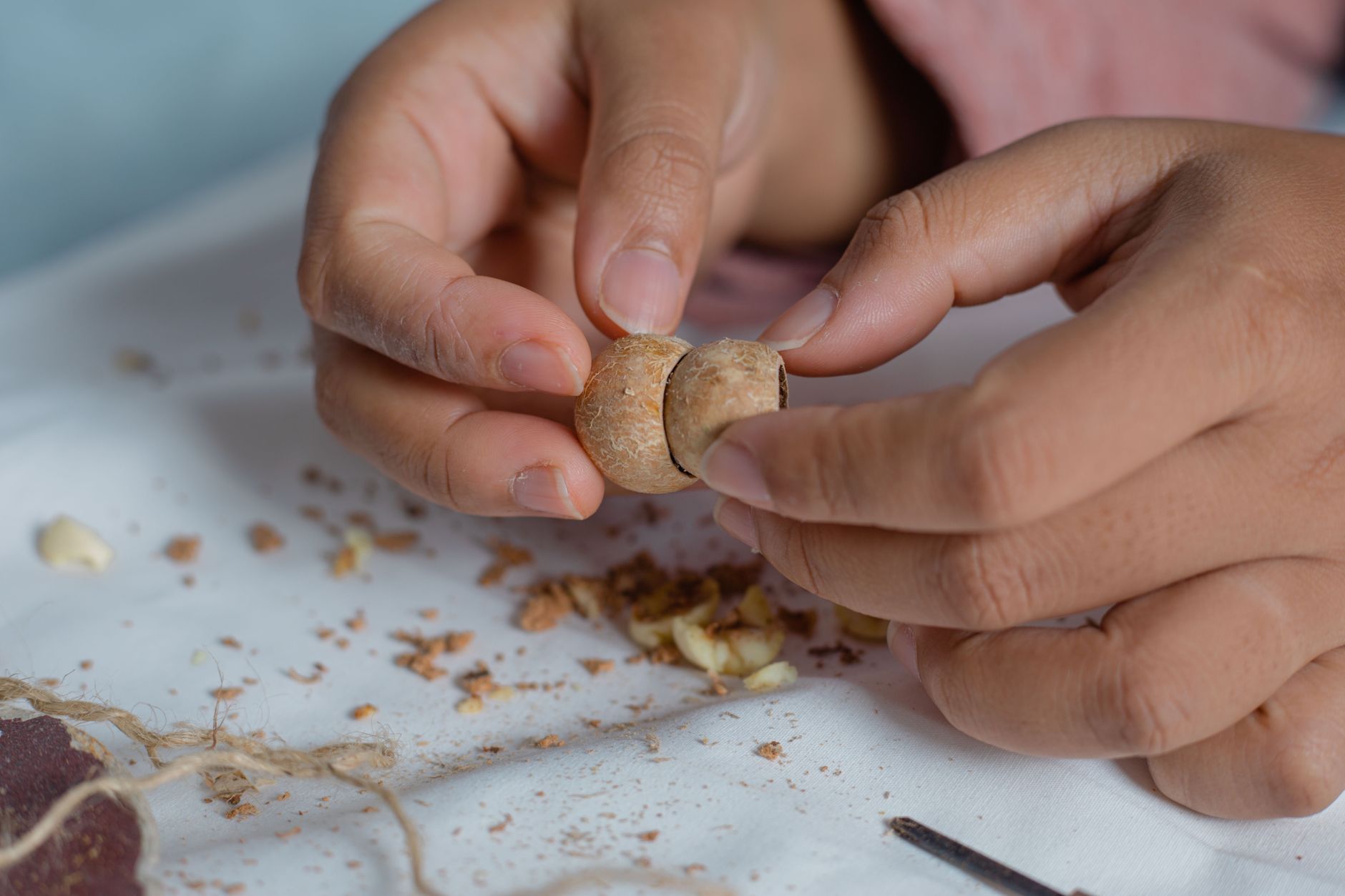
Those reported effects need an explanation, and three proposed mechanisms dominate the research literature, none confirmed in humans.
- Cholinergic activity: Rodent studies found the extract inhibits acetylcholinesterase, the enzyme that breaks down acetylcholine, a neurotransmitter central to arousal signals and memory. This mirrors, in a much weaker way, how some memory-focused herbs act.
- Circulation effects: Researchers speculate the bark’s compounds relax smooth muscle and improve pelvic blood flow, which would explain reported erectile improvements.
- Antioxidant defense: Lab analyses identified lignans, lupeol, and beta-sitosterol in the plant, molecules that neutralize free radicals in test-tube settings.
The gap between mechanism and result is the whole story here. Acetylcholinesterase inhibition observed in rats hasn’t translated into a single rigorous human cognition trial, and vascular theories have never faced a placebo comparison. Until that translation happens, mechanism talk is background, not evidence.
Mechanisms only matter once you know how much to take and when effects typically appear.
Dosage for Each Form, Plus Onset Timing
Mechanisms aside, practical use comes down to amounts and patience. Clinical research used roughly 500 to 1,500 mg daily of standardized extract, split across one or two servings. That range is your anchor point regardless of which format you buy.
| Form | Practical Guidance | Details |
|---|---|---|
| Standardized capsule | 500–1,000 mg daily, taken with food | Easiest way to match study doses |
| Powdered bark or root | 1–1.5 g stirred into liquid daily | Potency varies batch to batch |
| Tincture | Follow the label’s dropper serving | Alcohol-based; absorbs quickly |
| Tea or decoction | Simmer 1–2 g of bark 10–15 minutes | Weakest and least consistent delivery |
Onset runs from several days to several weeks. Reviews and the older trials converge on the two-week mark for desire-related changes, with fuller effects accumulating through week four. Cycling off after eight to twelve weeks to judge whether it’s doing anything keeps you honest, since expectation alone can prop up perceived benefit.
Getting the dose right is pointless if the herb carries risks you haven’t weighed.
Safety Profile, Side Effects, and Who Should Steer Clear
Dosing correctly only matters if the herb is safe for you. No serious adverse events appear in the published literature, but absence of reports isn’t proof of safety. Long-term data don’t exist, and most trials lasted four weeks or less.
Known Side Effects and Unknowns
Reported complaints stay mild: occasional stomach upset, headache, and jitteriness in sensitive users. Because stimulant-like effects show up in some accounts, taking it late in the day can disrupt sleep. Nobody has studied continuous use beyond a few months, so regard extended daily use as uncharted territory.
Who Should Skip It Entirely
- Pregnancy and nursing: No safety data exist for either group, so avoidance is the only defensible choice.
- Hormone-sensitive conditions: Breast cancer, uterine conditions, and endometriosis warrant strict caution given unknown hormonal activity.
- Blood pressure concerns: Circulatory effects are plausible, so anyone on antihypertensive medication needs medical clearance.
- Upcoming surgery: Stop well ahead of any procedure and tell your surgeon about every herb you take.
Before adding any new supplement, review your full medication list with a doctor or pharmacist. Interactions with blood thinners, blood pressure drugs, and hormone therapies remain unstudied for this plant.
That conversation is non-negotiable because the interaction question stays unresolved, a caution flagged by both Drugs.com and RxList. Once safety is squared away, the last practical question is how this herb stands next to its shelf neighbors.
With safety settled, comparison shopping against rival libido herbs becomes the natural next step.
How Muira Puama Stacks Up Against Other Libido Herbs
Safety settled, the honest differences between shelf neighbors lie in evidence depth, cost, and standardization.
| Herb | Evidence Quality | Typical Daily Cost | Standout Trait |
|---|---|---|---|
| Muira puama | Small open-label trials | $0.50–$1.00 | Nervine tradition plus desire data |
| Korean red ginseng | Multiple randomized trials | $0.60–$1.20 | Deepest evidence base of the group |
| Maca | Several decent trials for desire | $0.30–$0.70 | Food-like root, mild profile |
| Tribulus terrestris | Weak and inconsistent human data | $0.20–$0.60 | Popular despite thin support |
Korean red ginseng wins on evidence, maca on cost and gentleness, tribulus mostly on marketing. Muira puama occupies a middle ground: modest desire-focused data, a long nervine tradition, and a price that won’t hurt. If you try it, give it four consistent weeks, track your response honestly, and keep your doctor in the loop about everything else you take.
