

Adenomyosis is a benign uterine condition in which endometrial glands and stroma grow within the myometrium, the muscular wall of the uterus. Monthly hormone shifts can trigger inflammation, muscle thickening, deep pelvic pain, and heavy menstrual bleeding that affects your work, sleep, clothing choices, and pregnancy plans.
Below, you can compare symptoms, imaging findings, treatment options, fertility concerns, and the records that make a gynecology visit more productive.
Changes Within the Uterine Muscle Drive the Condition
The uterus has two key layers: the endometrium, which lines the cavity, and the myometrium, which forms the thick outer muscle. In this condition, endometrial-type tissue sits inside the muscle rather than staying on the inner surface. That misplaced tissue responds to menstrual hormones and can cause local bleeding, irritation, and enlargement of the uterine wall.
Hormone-responsive tissue irritates the muscle wall
Endometrial glands produce secretions, while stroma is the supporting connective tissue around those glands. Both can appear inside the myometrium. Estrogen and progesterone influence that tissue during each cycle, but blood and inflammation cannot leave the muscle as directly as menstrual blood leaves the uterine cavity.
Repeated monthly cycling can irritate nearby nerve fibers and enlarge smooth muscle. Your uterus may become diffusely bulky and tender instead of developing one clearly defined mass. During a pelvic examination, a clinician may describe this pattern as a globular uterus.
Causes and associated factors remain unsettled
No single cause explains every case. Prior uterine surgery, childbirth, increasing age before menopause, endometriosis, and fibroids are associated with adenomyosis. A prior cesarean birth or dilation and curettage may alter the boundary between the lining and muscle, although an association does not prove that either event caused the condition.
Some patients have no recognizable symptoms at all. Others develop severe blood loss, iron-deficiency anemia, persistent pelvic pain, or infertility concerns that need medical attention despite the condition being noncancerous. That location inside the uterine wall helps explain why your symptoms may involve bleeding and pressure rather than a visible lump.
Those muscle-wall changes set up the bleeding and pain patterns that can interfere with daily routines.
As these symptoms accumulate, their combined effect can reshape work, relationships, rest, and everyday choices.
Bleeding, Pain, and Pressure Can Disrupt Daily Life
Because the muscle wall becomes inflamed and less flexible, cramps can feel deeper and heavier than familiar period discomfort. Pain may begin 1 to 2 days before bleeding, peak during menstrual flow, and continue after the period ends. Your pain pattern can raise clinical suspicion, but symptoms alone cannot confirm a diagnosis.
Symptoms extend beyond menstrual cramps
Heavy menstrual bleeding can mean changing pads, tampons, or other protection far more often than expected, passing clots, bleeding longer than 7 days, or avoiding plans because leakage feels unpredictable. Dysmenorrhea is the clinical term for painful periods. Chronic pelvic pain describes discomfort that persists outside menstruation.
- Heavy flow may lead to soaked clothing, repeated nighttime changes, or reluctance to leave home during your cycle.
- Deep cramping may feel like pressure, pulling, squeezing, or a dull ache low in the pelvis.
- Pelvic fullness may make waistbands uncomfortable and create a persistent sense of weight in the lower abdomen.
- Intercourse pain may occur with deep penetration and deserves a careful discussion during your appointment.
- Low stamina may follow ongoing blood loss, especially when iron-deficiency anemia lowers oxygen delivery to muscles and the brain.
Some describe an “adenomyosis belly,” meaning bloating, lower-abdominal fullness, or a visibly rounder abdomen. An enlarged uterus can contribute, but fibroids, ovarian cysts, bowel conditions, pregnancy, and fluid retention can create similar changes. Your appearance alone cannot identify the cause.
Bleeding records turn vague symptoms into usable evidence
Track each cycle in a phone note or paper calendar. Record start and end dates, pad or tampon changes, clot size, pain days, missed work, and pain-related sleep loss. A record covering 2 to 3 cycles gives your clinician more useful detail than one estimate made weeks after bleeding ends.
Fatigue with shortness of breath, dizziness, headaches, weakness, or a racing heartbeat can point to anemia from ongoing blood loss. A complete blood count may show low hemoglobin, while ferritin reflects stored iron. Those results help show whether your bleeding is affecting oxygen-carrying capacity or iron reserves.
Seek urgent medical evaluation for bleeding that soaks through protection each hour for several hours, fainting, severe weakness, sudden intense pelvic pain, or pain and bleeding during a possible pregnancy.
Symptoms overlap with several uterine conditions, so a symptom label should not become a self-diagnosis. Location provides the clearest starting point for separating similar causes of bleeding and pain.
Because similar complaints arise from different disorders, pinpointing where abnormal tissue grows becomes essential.
Location Separates Adenomyosis, Endometriosis, and Fibroids
Tissue location distinguishes these conditions more reliably than pain severity alone. Endometriosis involves endometrial-like tissue outside the uterus, while fibroids are noncancerous growths made of smooth-muscle cells and fibrous tissue. An examination and imaging study can show patterns that your symptoms cannot sort out by themselves.
| Condition | Where tissue appears | Common pattern | Imaging clue |
|---|---|---|---|
| Adenomyosis | Within the myometrium | Heavy bleeding, deep cramps, diffuse pressure | Thickened or uneven muscle wall |
| Endometriosis | Outside the uterus, including pelvic surfaces or ovaries | Pelvic pain, painful periods, intercourse pain | Some lesions are not visible on routine imaging |
| Fibroids | Within or attached to the uterine wall | Bleeding, pressure, urinary frequency, bulk symptoms | Defined round or oval masses |
Shared symptoms do not mean shared anatomy
The main difference in adenomyosis vs endometriosis is tissue location. Both conditions can cause painful periods, pelvic pain, intercourse pain, and fertility challenges, but endometriosis may affect areas far beyond the uterine muscle. Your treatment plan may change substantially once the source of pain becomes clearer.
Fibroids may push the uterine outline outward in localized areas, while diffuse enlargement can fit a muscle-wall disorder more closely. Still, neither abdominal tenderness nor a change in body shape can identify the condition present. Imaging and clinical history carry more weight than appearance.
Coexisting conditions can complicate the picture
You can have adenomyosis with endometriosis, fibroids, or both. That overlap matters because a fibroid may explain part of the bleeding while endometriosis contributes pain outside menstruation. A clinician may need to investigate more than one source instead of assigning every symptom to one diagnosis.
Abnormal uterine bleeding has several structural and nonstructural causes, including polyps, fibroids, ovulatory problems, and bleeding disorders. The PALM-COEIN classification places it in the structural “A” category and prompts clinicians to look for competing explanations before settling on one cause. That approach aligns with the abnormal uterine bleeding framework from the American College of Obstetricians and Gynecologists.
Once location and overlap are considered, the next task is building a diagnosis from your history, examination, and targeted imaging.
With anatomy as a guide, clinicians can pair symptom details with examinations and imaging to narrow the cause.
Diagnosis Moves From Symptom History to Targeted Imaging
A careful workup begins with your history rather than a scan alone. Bleeding dates, pregnancies, uterine procedures, pain timing, contraception history, and future pregnancy plans shape the next clinical step. A clinician may also ask about bowel, bladder, and intercourse-related symptoms because pelvic conditions can overlap.
Clinical evaluation follows a practical sequence
- Log cycle changes by recording bleeding days, protection changes, clots, pain severity, and missed activities across several cycles.
- Review health history including pregnancies, uterine procedures, prior imaging, medications, and any family history of bleeding disorders.
- Have an examination so a clinician can check for tenderness, enlargement, masses, cervical changes, or pelvic-floor tension.
- Check blood loss effects through anemia testing where heavy flow, fatigue, dizziness, or reduced exercise tolerance is present.
- Use targeted imaging to inspect the uterine wall and look for fibroids, cysts, polyps, or other structural findings.
- Seek specialty input through a gynecology referral where symptoms persist, fertility is a concern, or imaging remains unclear.
Pregnancy-related bleeding, thyroid disease, polyps, bleeding disorders, fibroids, and endometriosis may need separate evaluation. Your clinician may order pregnancy testing or laboratory work based on symptoms and medical history instead of using a fixed panel for every patient.
Ultrasound and MRI serve different imaging needs
Transvaginal ultrasound is usually the first imaging study because it gives close views of the uterus through a small vaginal probe. An it ultrasound may show a heterogeneous myometrium, uneven wall thickness, tiny myometrial cysts, fan-shaped shadowing, or a blurred boundary between the endometrium and muscle.
Magnetic resonance imaging, or MRI, gives a more detailed view of the junctional zone, the inner muscle layer next to the endometrium. Widening or irregularity of that zone can increase diagnostic confidence where ultrasound findings remain uncertain. Your gynecologist may use MRI for complex symptoms, mixed findings, or planning around uterine-sparing procedures.
Imaging can support a clinical diagnosis without surgery. Definitive historical confirmation requires microscopic examination of uterine tissue after hysterectomy, but that standard does not mean you need surgery before receiving symptom-focused care. A diagnosis can still guide treatment when imaging and symptoms fit the same pattern.
After the pattern is clear enough, treatment decisions depend less on the label itself and more on bleeding burden, pain, anemia, and your reproductive goals.
A clearer diagnosis helps tailor care to the concerns that matter most in daily life and future plans.
Treatment Choices Depend on Symptoms, Fertility Plans, and Life Stage
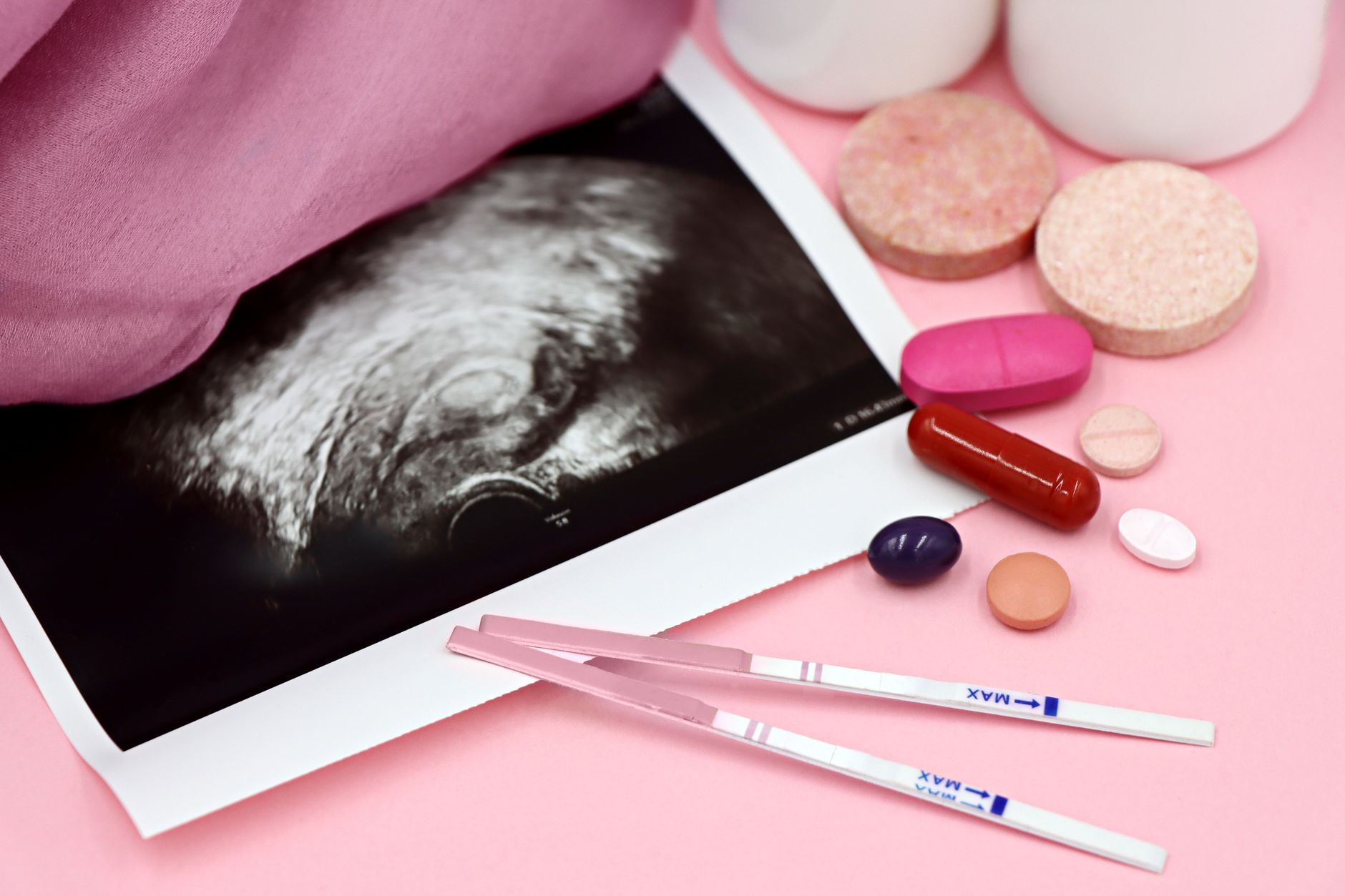
The same scan finding can lead to very different decisions for two patients. Bleeding severity, pain, anemia, prior treatment, age, medical history, and pregnancy goals all shape the discussion. Your preference matters because temporary symptom control and uterus removal carry very different trade-offs.
Symptom-focused options do not remove affected tissue
| Care category | What it may address | Key limitation or trade-off |
|---|---|---|
| NSAIDs | Menstrual cramping and inflammatory pain | They do not remove tissue or stop the underlying process. |
| Combined hormonal contraception | Bleeding control and cycle-related pain | Suitability depends on health history and pregnancy plans. |
| Progestin-based therapy | Bleeding suppression and pain reduction | Bleeding patterns and side effects vary between individuals. |
| Levonorgestrel-releasing intrauterine device | Heavy bleeding and painful periods | It acts as contraception and does not remove affected muscle tissue. |
| Hysterectomy | Definitive removal of the affected uterus | It ends future uterine pregnancy and requires surgical recovery. |
NSAIDs reduce prostaglandin activity, chemicals involved in uterine contractions and inflammation. Hormonal options alter ovulation, endometrial activity, or both, which may reduce bleeding and pain. A prescribing clinician can explain contraindications, expected effects, and how each option fits your medical history.
The levonorgestrel-releasing intrauterine device, also called an LNG-IUD, releases a progestin inside the uterus. It is one it treatment option for patients seeking contraception and reduced menstrual bleeding. Placement, spotting, side effects, expulsion risk, and fit within your uterine anatomy need individual review.
Fertility goals change the order of decisions
Pregnancy plans require a more individualized conversation. Some hormonal approaches are unsuitable while you are trying to conceive, while uterine-sparing procedures have a limited and case-dependent role. A gynecologist or fertility specialist can help you consider timing without assuming symptom relief and fertility goals always point in the same direction.
For severe symptoms in someone who does not want future uterine pregnancy, hysterectomy is definitive because it removes the affected organ. It is major surgery, not a casual next step. Your discussion should cover recovery time, surgical route, ovarian status, risks, and the permanent loss of uterine pregnancy.
Care may also include iron replacement after laboratory testing, pelvic-floor therapy for muscle guarding or chronic pain, and individualized pain strategies for sleep and activity limits. Those choices lead naturally into fertility and pregnancy planning.
Beyond symptom relief, reproductive goals often influence which options feel appropriate at different stages of life.
Fertility and Pregnancy Planning Need Individual Context
Research links it with infertility and some pregnancy complications, but an association is not a prediction of your outcome. Many patients conceive and have successful pregnancies. Age, egg reserve, sperm factors, tubal health, coexisting endometriosis or fibroids, and the extent of uterine involvement all affect your outlook.
Preconception planning clarifies the next step
A preconception visit is useful for infertility, recurrent pregnancy loss, severe symptoms, known uterine disease, endometriosis, or fibroids. Do not stop or change hormonal medication without clinical advice, especially where pregnancy is possible or symptoms have been difficult to control. Your clinician can explain which medications must be adjusted before conception attempts.
Pregnancy changes hormone levels and pauses menstrual bleeding for a time, but it does not replace medical planning. An obstetric team may want prior imaging and surgical records because those details can guide monitoring. Bring your full history rather than only the scan report.
Appointment records make symptoms harder to minimize
- Cycle record should show dates, flow intensity, clots, protection changes, and pain before, during, and after bleeding.
- Medication list should include prescriptions, over-the-counter drugs, allergies, and prior hormonal methods with their effects.
- Prior records should include ultrasound reports, MRI results, operative notes, and pathology findings from past procedures.
- Anemia results should include hemoglobin, ferritin, and any prior plan for iron replacement or follow-up.
- Pregnancy goals should state whether pregnancy is wanted now, later, or not at all.
- Daily impact should describe missed work, disrupted sleep, intercourse pain, exercise limits, and mental health strain.
Ask about diagnostic certainty, coexisting conditions, care choices that fit your pregnancy plans, expected effects, unwanted effects, and the point at which referral makes sense. Symptoms do not become normal merely because they happen during menstruation. Persistent heavy bleeding or pelvic pain deserves gynecologic evaluation.
That preparation makes it easier to decide what deserves prompt attention and what can be addressed at a planned visit.
Armed with individualized guidance, you can recognize when symptoms warrant urgent care or a routine conversation.
Bottom Line
Heavy periods and disabling cramps are not a character test. Your next step can be a clear symptom record paired with a gynecology visit that addresses uterine imaging, anemia, fertility plans, and conditions that may coexist. Treatment should reflect your current symptoms and the pregnancy options you want to preserve or decline.
FAQ
What is adenomyosis, and is it a serious condition?
it is a benign condition in which endometrial glands and stroma are found within the myometrium, or uterine muscle. It is not cancer, but its effects can be serious for your health and daily life. Heavy menstrual bleeding can cause iron-deficiency anemia, while pain can disrupt sleep, work, relationships, and activity.
What symptoms does adenomyosis cause, including bleeding and pain?
it symptoms can include heavy menstrual bleeding, periods lasting longer than 7 days, clots, deep cramps, pelvic pressure, bloating, intercourse pain, and fatigue related to anemia. Your pain may begin before bleeding and continue after flow ends. Symptom severity varies widely, and some patients have mild or no symptoms.
What does adenomyosis pain feel like?
During a period, symptoms may feel like deep, heavy cramps, pressure, pulling, or a dull pelvic ache rather than brief lower-abdominal cramping alone. It can begin before menstrual bleeding, continue after flow ends, or appear as ongoing pelvic discomfort. Pain intensity and timing cannot confirm the condition because fibroids and endometriosis can feel similar.
What is the main difference between endometriosis and adenomyosis?
The main difference is location. Endometriosis involves endometrial-like tissue outside the uterus, while it involves glands and stroma within the uterine muscle. Your symptoms may overlap because both conditions can contribute to painful periods, pelvic pain, intercourse pain, infertility, and fertility concerns.
How is adenomyosis diagnosed if a hysterectomy is not planned?
it diagnosis usually combines your bleeding and pain history, pelvic examination, transvaginal ultrasound, and sometimes magnetic resonance imaging. Ultrasound may show an uneven myometrium, myometrial cysts, or asymmetric wall thickness. Hysterectomy tissue can provide definitive microscopic confirmation, but you do not need hysterectomy to receive a clinical diagnosis and treatment.
Can adenomyosis affect fertility or pregnancy?
Research links the condition to reduced fertility and some pregnancy complications, yet many patients conceive and have successful pregnancies. Your outlook also depends on age, ovarian reserve, sperm factors, fallopian tubes, and coexisting endometriosis or fibroids. A preconception appointment can help clarify your next steps.
