

Artificial flavors are usually compatible with vegan diets because their flavor compounds do not come from the plant or animal source categories used in U.S. natural-flavor rules. Still, a packaged food can contain milk, gelatin, honey, or an undisclosed flavor carrier with a non-vegan source.
You need the full label, not just one flavor term, to judge plant-based foods against your own standards for ingredients, processing aids, animal testing, and certification.
Artificial Flavor Labels Do Not Define the Whole Product
That label limitation matters because a synthetic flavor compound is only one part of a packaged food. A strawberry soda can list artificial flavors and still include a non-vegan ingredient elsewhere in the formula, such as a milk-based additive or animal-derived color. For your everyday choices, the full ingredient panel carries more weight than the flavor category alone.
The Flavor Compound Is Only One Layer
Aroma compounds create familiar notes such as vanilla, banana, berry, or citrus at very low concentrations. Ethyl vanillin, for example, has a stronger vanilla aroma than vanillin, so a small amount can affect the smell and taste of an entire cookie or drink. That individual compound may fit your vegan standard while the larger formula does not.
| Layer | What It Means | What You Need to Check |
|---|---|---|
| Flavor compound | A molecule that creates aroma or taste | It is commonly synthetic and may not be animal-derived. |
| Flavor preparation | A compound mixed with carriers, solvents, or coatings | Carrier sources can be unclear on the label. |
| Finished food | The snack, drink, or meal sold in the package | Every listed ingredient affects whether it suits your diet. |
The Finished Food Sets the Vegan Standard
A bag of barbecue chips can contain artificial flavor alongside whey powder, while fruit candy can contain confectioner’s glaze. The vegan decision belongs to the finished food, not to one aromatic ingredient inside it. You can rule out obvious animal ingredients before spending time on a proprietary flavor blend.
Artificial flavors are not a vegan certification. The label does not settle animal-testing policies, shared equipment, processing aids, or every material used inside a proprietary blend.
That full-product view leads directly to what FDA flavoring regulations actually cover.
Regulatory definitions classify flavor sources, but they do not determine whether every ingredient meets vegan standards.
FDA Flavoring Regulations Separate Sources From Vegan Status
Once you separate the finished food from the flavor compound, the federal definition becomes easier to use. Under 21 CFR 101.22, an artificial flavor does not meet the definition of a natural flavor. That regulatory classification describes source categories, not whether a food meets vegan requirements.
A natural flavor must come from specified materials, including spices, fruit, vegetables, meat, poultry, seafood, eggs, dairy products, or fermentation products. Artificial flavors sit outside those natural-source categories, which is why synthetic compounds commonly raise fewer animal-source concerns. The U.S. Food and Drug Administration sets those definitions in 21 CFR 101.22.
| Label Term | FDA Source Focus | What It Cannot Tell You |
|---|---|---|
| Natural flavor | Derived from listed plant or animal source materials | Whether the source is plant-based or animal-derived |
| Artificial flavor | Does not fit the natural-flavor source definition | Whether every carrier and processing aid fits your standards |
| Vegan claim | A voluntary product statement | How the brand defines vegan without certification details |
Food manufacturers may group several ingredients under “artificial flavor” instead of listing each aroma chemical, solvent, or coating separately. That flexibility protects proprietary formulas, but it limits ingredient-label transparency for shoppers. You can identify the flavor category from the package without seeing every material inside the flavor system.
The FDA does not treat either flavor term as a vegan designation. PepsiCo and other large food manufacturers may publish product-specific ingredient information, yet the answer can still depend on a changing flavor blend and the standards you follow. Those hidden formulation details make carriers the next practical concern.
Because a flavor label can conceal multiple components, each compound, carrier, and final product warrants its own review.
Flavor Compounds, Carriers, and Finished Foods Need Separate Review
Because grouped flavor labels can hide supporting materials, the compound itself rarely tells the whole story. Manufacturers may dissolve flavor substances in alcohol, propylene glycol, glycerin, or water. They may also place flavors on sugar-based carriers or inside encapsulation materials that protect volatile aromas from heat and oxygen.
Carriers Can Come From Different Sources
Propylene glycol is a synthetic solvent, while glycerin can come from plant oils, animal fats, or synthetic production routes. Emulsifiers, coating materials, and encapsulation shells can raise similar source questions. Your label may show only “artificial flavors” even when those materials form part of the preparation.
- Alcohol solvents: Alcohol is not an animal ingredient, but it does not reveal the source of the rest of the flavor blend.
- Propylene glycol: This synthetic solvent commonly carries flavor compounds in beverages, extracts, and candy formulations.
- Glycerin sources: Glycerin may come from plant oils, animal fats, or synthetic routes, so its origin can matter for strict vegan standards.
- Sugar carriers: Powdered flavor systems may use sugar or starch to distribute small amounts of aroma evenly through dry foods.
- Emulsifier systems: Emulsifiers can stabilize oil-based flavors in drinks, sauces, and seasoning blends, but their source may not be shown.
- Encapsulation materials: Coatings protect flavor oils during baking or storage, and their composition may require manufacturer confirmation.
Processing aids create another limit. A flavor supplier can use a processing aid during production without listing it on the finished food label when it has no technical effect in the finished food. That issue may not affect your decision about an occasional snack, but it can matter when your vegan boundary includes all production inputs.
Proprietary Blends Limit Label Detail
A proprietary flavor blend works like a locked spice cabinet in a restaurant kitchen: the finished dish lists a flavor category, not the formula behind it. That commercial practice explains why artificial flavors vegan or non-vegan is not always a label-only decision. You may need a certification or a direct manufacturer response for higher certainty.
Those limits also explain why natural flavors deserve separate scrutiny rather than automatic trust.
This component-by-component approach matters especially when a familiar term can describe ingredients from very different origins.
Natural Flavors Can Begin With Plant or Animal Materials
FDA rules allow a natural flavor to start with animal materials, making the source distinction sharper. Milk, eggs, meat, poultry, seafood, and dairy can all serve as source materials under the natural-flavor definition. A natural butter flavor may involve dairy-derived materials, while a natural strawberry flavor may come from plant sources.
Natural flavors are not automatically non-vegan, but the phrase does not guarantee a plant origin. Your ingredient list may not disclose which specific source sits behind the broad term unless the brand provides further detail. That makes “natural” a source clue, not a final ethical label.
Castoreum draws more attention than its actual role in packaged food warrants. Castoreum is a secretion associated with beavers, and it appears in natural flavor discussions rather than as a standard artificial-flavor ingredient. Its existence does not mean artificial flavor compounds contain animal products.
“Natural” does not mean plant-based, and “artificial” does not mean a finished food product is vegan. Use each term as a source clue, not a final ethical label.
With that source distinction clear, you can screen the rest of the package for ingredients that answer the question immediately.
Even after checking flavor sources, plainly listed animal-derived ingredients may settle the question without further investigation.
A Full Label Scan Finds Obvious Non-Vegan Ingredients First
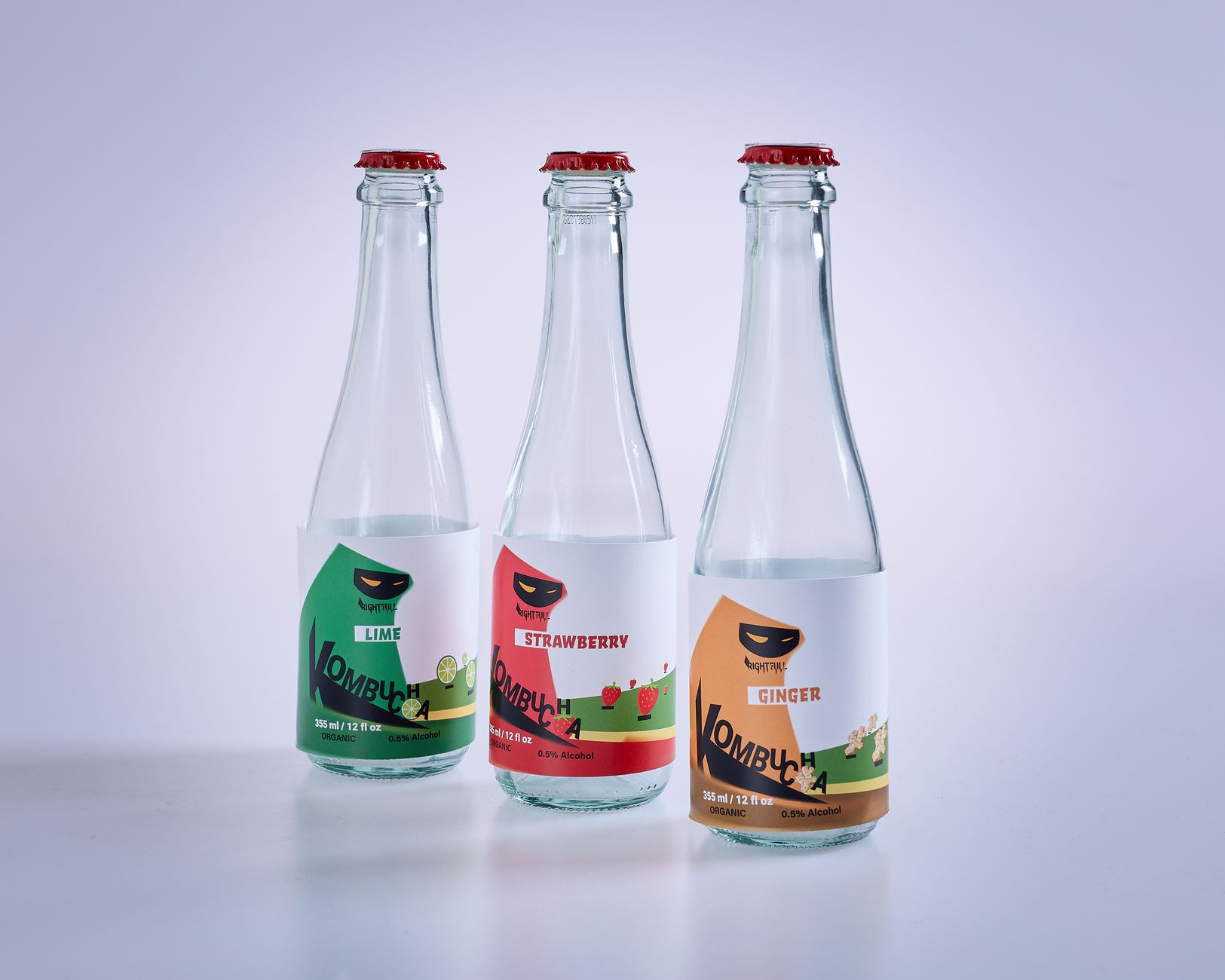
After you identify an unclear flavor term, scan the full ingredient panel before contacting a company. A listed dairy ingredient answers the question faster than an email about aroma compounds. Your first pass should focus on ingredients with direct animal links.
- Milk and butter: Check flavored crackers, popcorn, sauces, baked snacks, and seasoning mixes for dairy ingredients.
- Whey and casein: Review protein bars, seasoned chips, and drink powders, where milk proteins can add texture or savory flavor.
- Gelatin ingredients: Avoid gummies, marshmallows, and desserts containing gelatin unless the package names a plant-based substitute.
- Honey and glaze: Inspect granola, candy coatings, and pastries for honey or confectioner’s glaze, which can use insect-derived shellac.
- Carmine colorings: Look for carmine or cochineal in red foods and drinks because these colorants come from insects.
- Animal-derived vitamins: Review fortified foods for vitamin D3 and similar nutrients when your standards extend to source materials.
Allergen statements can flag milk or egg quickly, so they are useful for an initial screen. Their absence does not prove vegan status because gelatin, honey, shellac, and some flavor components are not among the major allergens that require disclosure. You still need to inspect the ingredient list line by line.
That quick screen resolves the clearest cases, leaving certifications and targeted questions for blends that remain uncertain.
When the ingredient list leaves ambiguity, reliable certification or a direct manufacturer inquiry can provide stronger confirmation.
Vegan Certification and Specific Questions Improve Certainty
For unresolved products, vegan certification can save you from tracing every supplier detail in a long flavor chain. Vegan Action’s vegan mark, for example, signals that a product has met that program’s standards for animal ingredients and animal testing. You should still review the certification scope if cross-contact or corporate policies affect your decision.
A three-level approach keeps the effort proportional to the purchase. A single routine snack may require only a label scan, while a food you buy every week may justify an email to the brand. Products with credible vegan certification offer the strongest practical shortcut when your standard requires higher certainty.
- Read the label: Check the ingredient panel and allergen statement for milk, eggs, whey, gelatin, honey, shellac, carmine, and other direct animal ingredients.
- Assess the blend: Treat a broad flavor label as incomplete information rather than proof that the food is vegan or non-vegan.
- Choose certification: Select vegan-certified foods when you want a third-party standard to cover flavor ingredients and hidden animal inputs.
- Contact the brand: Ask about the flavor system when the package leaves a material question unresolved for your personal threshold.
- Save the reply: Keep written confirmation with the product name and date because recipes and suppliers can change.
Ask more than whether a product is vegan. Request confirmation about animal-derived ingredients in the flavor system, glycerin, emulsifiers, carriers, encapsulation materials, processing aids, shared equipment, and animal-testing policy. Fig App and HappyCow can help you spot brand information, but a written manufacturer response carries more weight for a proprietary formula.
Those sourcing checks answer the vegan question, while nutrition and food safety require a separate assessment.
Yet confirming an animal-free formulation says little about nutritional value, individual tolerance, or overall safety.
Vegan Suitability and Health Effects Are Separate Decisions
Food can fit a vegan diet and still raise nutrition, allergy, or preference concerns. Artificial flavor compounds appear at very low levels because human smell receptors respond to volatile molecules in tiny concentrations. That chemistry explains their sensory role, but it does not make an ethical sourcing decision into a health claim.
Food reactions can stem from factors unrelated to vegan status, including a milk allergy, sugar intake, sodium level, or an individual sensitivity. Your health decision should consider the full formula, serving size, storage instructions, and qualified medical advice where needed. A vegan choice answers an ethical sourcing question, not every dietary question.
Vegans also draw different lines around trace cross-contact, animal testing, processing aids, and corporate practice. You can treat synthetic flavor compounds as compatible in many cases, then use the ingredient list, vegan certification, and manufacturer confirmation to match a purchase to your own boundary.
That practical distinction brings the label decision back to its simplest form.
Ultimately, the most useful answer comes from weighing the complete ingredient list rather than relying on one label term.
The Bottom Line Is a Full-Label Decision
A synthetic flavor compound and a vegan finished food are not interchangeable ideas. They commonly can be, but the label does not disclose every carrier, processing aid, or ingredient elsewhere in the package. Your most reliable path is to scan for direct animal ingredients and treat broad flavor terms as incomplete information.
For a low-stakes purchase, a clear label without milk, eggs, gelatin, honey, shellac, or carmine may be enough. For foods you buy regularly or standards that include hidden inputs and animal-testing policies, choose vegan-certified products or request a written response from the manufacturer. That approach avoids needless alarm and casual assumptions.
FAQ
That full-label method answers the questions that come up most often at the grocery shelf. Your level of certainty can range from a quick ingredient scan to certification or direct manufacturer confirmation.
Are artificial flavors always vegan?
No. The flavor compounds themselves are commonly synthetic and may fit vegan standards, but “artificial flavors” does not disclose every carrier, processing aid, or encapsulation material in a proprietary blend. Your finished food can also contain clear non-vegan ingredients such as milk, whey, gelatin, or honey.
What is the difference between artificial flavors and natural flavors?
FDA flavor labeling separates these terms by source. Natural flavors come from listed plant or animal materials, including dairy, eggs, meat, and fruit, while artificial flavors do not meet that source definition. Neither term alone tells you whether the full product matches your vegan standards.
Can artificial flavor contain animal-derived ingredients?
On a typical label, carriers, emulsifiers, glycerin, or coating materials in a commercial flavor preparation may have animal-derived sources not separately shown, even when the synthetic aroma compound itself is not animal-derived. Ask the manufacturer about the complete blend when your standard requires confirmation beyond the ingredient panel.
Are artificial flavorings vegan?
FDA-defined compounds are commonly vegan-compatible because they do not meet the agency’s definition of natural flavors. Still, you should check the finished food for dairy, gelatin, honey, shellac, and other animal-derived ingredients, then confirm unclear carriers or processing aids with the manufacturer.
Are artificial flavors more vegan-friendly than natural flavors?
Artificial flavors may present fewer source concerns because natural flavors can legally begin with dairy, eggs, meat, poultry, seafood, or other animal materials. Artificial flavors are not automatically vegan, though, because a flavor preparation can include undisclosed carriers, coatings, or processing aids.
Do FDA labeling rules require companies to disclose the source of artificial flavors?
No. FDA flavoring regulations allow food manufacturers to use grouped terms such as “artificial flavor” rather than list every component in a proprietary flavor preparation. You may not see the source of a carrier, solvent, emulsifier, or processing aid on the finished food label.
