

Ingredient panels, rather than the brand name, determine whether a given flavor fits a vegan diet. Plain pea crisps, including Lightly Salted Baked Green Pea Snacks, can have a plant-based ingredient profile, while cheese-seasoned bags contain milk ingredients. Your exact package, its ingredient list, and allergen statement provide the usable answer.
This label-first review helps you compare Snapea Crisps flavors, allergen wording, vegan labeling, and nutrition without treating every Harvest Snaps bag as the same product.
Flavor-Specific Labels Determine Vegan Suitability
Because the package settles the question, Harvest Snaps must be checked flavor by flavor rather than judged as a single brand. Original and lightly salted pea crisps may fit a vegan diet when their current ingredient lists contain only plant-derived ingredients, but cheese and bold seasoning blends can change that result.
Seasoning is the usual point where animal-derived ingredients enter a pea-based snack. Cheese powder, milk ingredients, honey, egg ingredients, or animal-derived flavor components can appear in a blend even though peas or lentils remain the front-of-package focus.
| Product style | Likely vegan fit | What your label check should cover |
|---|---|---|
| Original pea crisps | May fit | Review the full ingredient list and allergen statement. |
| Lightly Salted Snapea Crisps | May fit | Confirm that milk, egg, honey, and unclear flavor sources are absent. |
| Cheese-flavored crisps | Does not fit | Milk-derived cheese seasoning conflicts directly with vegan eating. |
| Boldly seasoned varieties | Needs scrutiny | Check each flavor blend instead of relying on the pea base. |
Flavor names are clues, not evidence. The ingredient list and allergen statement carry more weight than front-of-pack images, retailer descriptions, or an older package photo.
That flavor-by-flavor rule makes Lightly Salted Snapea Crisps a practical place to begin your review.
Because recipes vary by seasoning, its short ingredient list offers the clearest baseline for checking suitability.
Lightly Salted Snapea Crisps Offer a Starting Point
With flavoring now in focus, Lightly Salted Baked Green Pea Snacks commonly appear compatible with vegan eating because their familiar profile centers on peas, vegetable oils, rice, and salt. Still, a plant-based-looking formula is not a permanent guarantee, since reformulations can reach stores before older online listings change.
The bag in your hand is the source that counts. Check its ingredient panel first, then read the allergen statement beneath or near it; a vegan-rating app, retailer page, or social-media photo cannot confirm the exact production run you are buying.
Package Differences Can Change the Result
Different package formats can carry different production details. A multipack, a club-store size, or a bag sold by another retailer may come from a separate production run, and Harvest Snaps vegan status in the USA does not settle the status of a similarly named product in Canada or the United Kingdom.
Calbee America is the manufacturer associated with Harvest Snaps in the United States, making its consumer-contact channel the sensible next step for an ingredient-source question the label does not answer. Keep your flavor name, package size, best-by date, retailer, and exact ingredient wording before contacting the company.
Once Lightly Salted passes your first review, the next concern is knowing which label lines can turn a clear answer into a cautious one.
After that initial check, a few overlooked statements can reveal complications hidden behind otherwise familiar ingredients.
Three Label Lines Prevent Flavoring Surprises
After you identify the flavor, three package lines answer three different questions: the ingredient list shows intentional ingredients, the Contains statement identifies major allergens, and precautionary wording flags possible cross-contact. Read them in that order so you do not mistake an allergy warning for a flavor ingredient.
- Read ingredients first. Scan the full list for milk, cheese, whey, butter, cream, lactose, casein, egg, honey, gelatin, and meat-derived seasoning ingredients.
- Find the Contains line. A statement such as “Contains: Milk” indicates that milk is intentionally used in that product.
- Read precautionary wording. Shared-equipment language signals possible cross-contact rather than an ingredient added for flavor, texture, or color.
- Pause at natural flavors. Natural flavors are not automatically animal-derived, but the term does not identify every source on its own.
- Record package details. A label photo, best-by date, and retailer name help Calbee America match a reply to your exact bag.
Natural flavors can come from plant, animal, or fermentation sources, and the label category can group those compounds without naming each one. Your vegan standard may require manufacturer confirmation when a flavor source remains unclear.
A missing Contains statement does not prove a snack is vegan. That statement focuses on major allergens, while honey and some animal-derived flavor materials do not serve the same allergen-label purpose.
Among savory seasonings, dairy provides the clearest reason to stop and inspect the details.
Creamy powders and cheese-derived seasonings, however, often make the answer unmistakable before any finer distinctions arise.
Dairy Ingredients Rule Out Certain Savory Flavors
Because savory blends can hide dairy in small amounts, a milk ingredient still places the finished snack outside a vegan diet. Cheese-flavored Harvest Snaps varieties are the clearest example because cheese powder, whey, milk powder, buttermilk, cream, and casein all come from milk.
Casein is a milk protein used for flavor and texture. Whey is another milk fraction left after curds separate during cheesemaking, so neither becomes vegan simply because it appears in a dry seasoning rather than a refrigerated dairy food.
Vegetarian Wording Does Not Confirm Vegan Suitability
A vegetarian claim may rule out animal flesh ingredients, but it does not rule out dairy, egg, or honey. Your label review still needs to identify those ingredients separately before you treat a snack as vegan friendly.
- Cheese powder. This milk-derived ingredient rules out vegan suitability.
- Whey solids. These dairy proteins can add savory flavor and texture.
- Milk powder. Dried milk can appear in ranch-style or creamy seasoning blends.
- Buttermilk or cream. Both are dairy ingredients, even in small amounts.
- Casein or lactose. These milk components can appear under technical ingredient names.
That direct dairy screen leads to a separate distinction that matters for your diet and for food allergies.
Even a clear exclusion on the ingredient panel does not tell you everything an allergen notice is designed to convey.
Vegan Ingredients and Allergen Warnings Serve Different Purposes
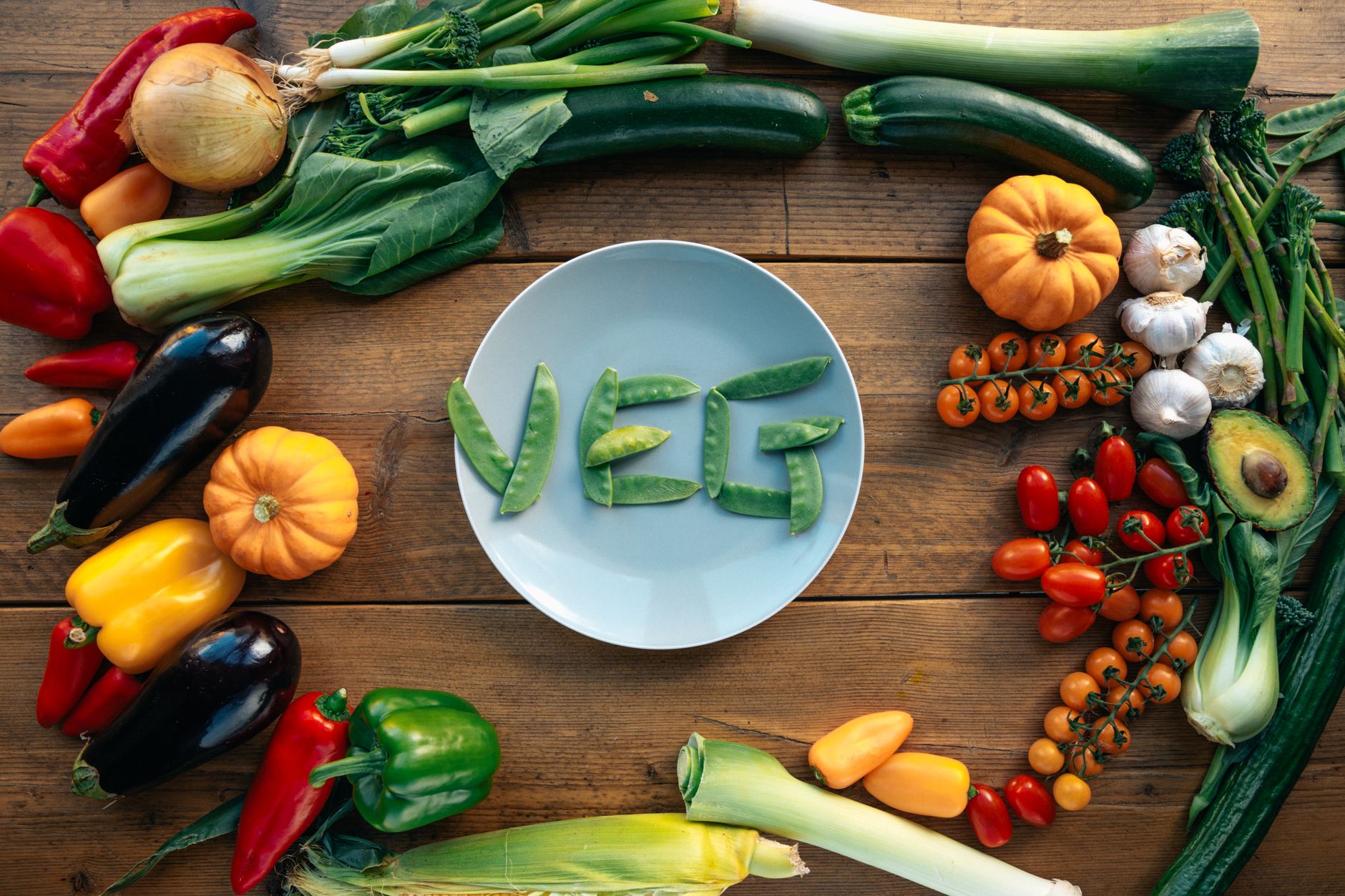
Once obvious dairy is ruled out, an ingredient list without visible animal products suggests that a snack may fit vegan eating, while vegan labeling states that the manufacturer presents a dietary claim. A third-party vegan review can add context, but its absence does not prove animal ingredients are present.
Milk and egg are major food allergens that must be declared when intentionally used in packaged food under the U.S. Food Allergen Labeling and Consumer Protection Act. That requirement makes “Contains: Milk” or “Contains: Egg” a strong stop sign for your vegan shopping decision.
Cross-Contact Wording Addresses Allergy Risk
A phrase such as “may contain milk” or “made on shared equipment with egg” identifies possible cross-contact during manufacturing. It does not say that milk or egg was deliberately added as an ingredient.
Your needs may be stricter than a vegan ingredient screen. Someone with a severe milk or egg allergy should follow allergy-specific guidance from a qualified clinician and the manufacturer because a vegan-looking snack does not promise allergen safety.
A Four-Step Decision Process Clarifies Uncertain Labels
A simple sequence keeps a vague package claim from doing too much work. Use the ingredient panel first, then make your decision based on the most specific statement the package provides.
- Ingredients look clear. Choose the product only after milk, egg, honey, gelatin, and animal-derived seasoning ingredients are absent from your ingredient list.
- Contains statement appears. Skip the flavor when the package states that it contains milk or egg because those ingredients are intentionally present.
- Cross-contact statement appears. Decide based on your own allergy risk because shared-equipment wording does not automatically mean the snack contains animal ingredients.
- Flavor source stays unclear. Contact Calbee America with your package details before treating natural flavors or another vague ingredient term as vegan.
Label wording can also change from one market to another, so the country printed on your bag belongs in the same decision process.
Packaging details matter because the same snack name may conceal regional recipe changes across borders.
U.S. and International Formulas Can Differ
Because labels follow the market where a product is sold, a U.S. bag can use a different recipe, flavor name, or allergen format from a Harvest Snaps product in Canada or the United Kingdom. Local sourcing and labeling rules can shift the wording while the product keeps the same broad pea-crisp identity.
Retailer listings can help you locate a flavor, but they remain a preliminary reference. A retailer may retain an older ingredient list after a formula update, while the physical package reflects the production run in your pantry.
A Dated Record Supports Manufacturer Contact
Clear package details give the manufacturer a better chance of answering a source question accurately. Gather the information below before you ask whether a specific flavor contains an animal-derived ingredient.
- Product name. Write the full line name, such as Snapea Crisps or Crunchy Loops.
- Flavor and size. State both details because a multipack may differ from a single bag.
- Country of sale. Identify the United States, Canada, or another market clearly.
- Best-by date. This links your question to a specific production period.
- Label photo. Capture ingredients, allergen wording, and any plant-based claim.
Kids Crispy Fruit Snacks and Crunchy Loops show why a brand-wide vegan answer falls short: separate product categories can use entirely different formulas. Nutrition is also a separate question from whether your chosen flavor avoids animal ingredients.
Yet an animal-free ingredient list says little about sodium, calories, processing, or how satisfying a snack may be.
Vegan Status Does Not Define Nutrition Quality
With formula differences established, Harvest Snaps nutrition facts deserve a separate look from vegan status. A crisp made from peas is still a packaged snack shaped through milling, mixing, cooking, and seasoning, so it is not nutritionally identical to a bowl of whole green peas.
Are Harvest Snaps healthy depends on serving size, sodium, added oils, fiber, protein, chosen flavor, and the rest of your eating pattern. A vegan label does not mean minimally processed, and a processed snack does not automatically make a diet poor.
| Food choice | Food form | What you are checking |
|---|---|---|
| Harvest Snaps pea crisps | Seasoned packaged snack | Serving size, sodium, oil, fiber, protein, and flavor ingredients. |
| Conventional potato chips | Fried or cooked potato snack | Serving size, sodium, fat source, and the amount eaten at once. |
| Whole green peas | Minimally processed vegetable | Fiber, water content, and naturally filling food structure. |
Fiber and protein can make pea crisps more substantial than some conventional potato chips, yet their crunch can make portions disappear quickly. Plain roasted chickpeas, roasted edamame, bean-based crisps, popcorn, and lightly salted nuts give you vegan alternatives with different textures and nutrition profiles.
For a choice you’ll enjoy regularly, compare serving sizes and nutrients alongside ingredients before reaching for another bag.
Bottom Line for Your Next Bag
Harvest Snaps can fit a vegan diet, but flavor-specific label evidence earns that place. Start with Lightly Salted or Original pea crisps, scan for dairy, egg, honey, and unclear flavor sources, then separate intentional allergens from precautionary cross-contact wording.
Your package market, best-by date, and current ingredient list are more reliable than a broad claim about the brand. That approach helps you assess Harvest Snaps vegan in the USA without assuming every Snapea Crisps flavor follows the same formula.
FAQ
Are Harvest Snaps vegan friendly?
Plain pea crisps with short, plant-based ingredient lists are often the most vegan-friendly Harvest Snaps options. Your safest method is checking the exact bag for milk, egg, honey, cheese seasoning, whey, and a Contains statement before you eat or purchase it.
Are Harvest Snaps Lightly Salted Snapea Crisps vegan?
Lightly Salted Snapea Crisps commonly have a plant-based ingredient profile, but your current package is the final authority. Check the ingredient list, allergen statement, and manufacturing wording for milk, egg, honey, or an unclear natural flavor source before treating the bag as vegan.
Which Harvest Snaps flavors contain dairy?
Cheese-flavored Harvest Snaps products are not vegan because cheese seasoning and related milk ingredients can appear in their formulas. Look for cheese powder, milk powder, whey, buttermilk, cream, lactose, or casein on your package rather than relying on a flavor name alone.
Do Harvest Snaps contain eggs or dairy?
Some flavors can contain dairy ingredients through cheese or creamy seasoning blends, and the exact formula determines whether egg ingredients are present. Read your ingredient list and Contains statement because product lines, package sizes, markets, and reformulations can differ.
Are Harvest Snaps certified vegan?
Third-party vegan certification requires more than a plant-based ingredient list on a Harvest Snaps package. Check the package for explicit vegan labeling, then review the ingredient list and allergen statements because certification, formula details, and flavor varieties are separate issues.
Can vegan shoppers rely on the product name, or should they check every label?
Seasoning ingredients can change without notice, so each current label deserves closer scrutiny than the product name or pea image. Your package can differ by flavor, region, retailer, size, production run, or reformulation, making the ingredient list the most useful evidence.
