

A dairy-free scoop adds protein for muscle repair, fuller meals, and busy schedules without relying on milk. It refers to powdered protein from peas, soy, rice, hemp, seeds, or blended plants. Your scoop can close a food gap, but it cannot replace the fiber, iron, potassium, and variety in whole foods.
Below, you’ll see how plant-based protein fits training, weight goals, digestion, daily routines, and label decisions, especially if you want a practical alternative to whey protein.
Plant Protein Offers a Dairy-Free Protein Option
Because dairy is absent, plant-based powders can suit your routine when milk-based shakes cause discomfort or do not fit your eating pattern. A vegan protein powder is a supplemental food made without dairy, eggs, or animal-derived ingredients.
Plant ingredients supply the protein
Protein can come from legumes, grains, seeds, or soybeans, then be milled, flavored, and packaged for quick mixing. Pea protein, soy protein, brown rice protein, hemp protein, pumpkin seed protein, and mixed blends all appear on U.S. shelves.
Each source changes more than taste. Soy protein usually mixes smoothly, while hemp protein can taste earthier and retain more fiber. Your choice affects texture, amino-acid balance, allergen fit, and how a shake sits in your stomach.
Lactose is milk sugar, so plant formulas contain none from their protein source. Whey protein concentrate may retain more lactose than whey protein isolate, which explains why your digestive response can differ between dairy and plant-based products.
Powder fills gaps rather than replacing meals
A shaker bottle helps when protein-rich food is not within reach. Toast and fruit before a commute, or a late dinner after lifting, can leave your day without a reliable protein anchor.
- Pea protein: This concentrated legume option usually has a mild flavor and substantial protein per serving.
- Soy protein: This complete plant protein supplies all nine essential amino acids and comes from the same food family as tofu, tempeh, and soy milk.
- Brown rice protein: Its lighter flavor can work well in a blend, especially beside pea protein.
- Hemp protein: This seed-based powder may provide more fiber and fat, although protein density can be lower.
- Pumpkin seed protein: This option has a green tint and roasted flavor that may suit smoothies with cocoa or berries.
- Mixed blends: These formulas combine two or more plant sources to broaden the amino-acid pattern in one scoop.
Whole foods still do more nutritional work. Lentils, edamame, tofu, fortified soy milk, beans, and whole grains provide potassium, iron, fiber, and plant compounds that isolated powder may not deliver in the same form.
Those food-based nutrients can complement a shake, especially when recovery meals need both protein and lasting structure.
Protein Supports Training Recovery and Meal Structure
Once convenience is clear, protein matters most when your meals or training create a real need for it. Resistance exercise gives dietary amino acids a specific job: helping your body repair and maintain muscle tissue after mechanical stress.
Resistance training gives protein a job
Hard lifting creates small disruptions in muscle tissue through mechanical tension. Dietary amino acids provide raw material for repair, while repeated training tells your body to adapt over time.
A shake does not build muscle by itself. Your results depend on progressive resistance training, adequate total calories, sleep, and enough protein across the day. The International Society of Sports Nutrition states that protein intake and resistance exercise work together to stimulate muscle protein synthesis.
Timing makes the habit easier, not magical. You can use a dairy-free shake after a gym session, between meetings, or beside a light meal that lacks beans, tofu, fish, meat, eggs, or dairy. Appetite may dip after intense exercise, and a drink can feel easier than a large plate.
Five signs deserve a food-pattern check
A repeating food pattern can reveal a protein gap, but these clues do not diagnose a deficiency. Sleep, total calories, training load, stress, iron status, and illness can cause similar changes.
- Persistent hunger: Meals based mostly on refined carbohydrates may leave you searching for snacks soon afterward.
- Slow recovery: Soreness or fatigue may linger longer after familiar workouts despite stable training volume.
- Declining strength: Your usual lifts may feel harder across several sessions without a clear programming reason.
- Lean-mass loss: Body composition can shift during dieting, illness, or long stretches of low food intake.
- Meals lack anchors: A plate may center on vegetables and grains without tofu, beans, lentils, or another protein-rich food.
Track three ordinary days of meals before blaming a powder. Your food pattern shows whether a shake fills a real gap or simply adds calories to an already adequate intake.
Those signs point toward intake, not a single “best” powder. Amino-acid quality becomes the next useful detail because muscle tissue needs more than a high protein number on the front label.
Beyond total grams, the amino acids within each serving determine how effectively protein can support muscle repair.
Amino-Acid Quality Shapes Muscle Support
After identifying a protein gap, your next step is checking what the powder actually provides. Protein is made of amino acids, and your body needs nine essential amino acids from food because it cannot make them on its own.
Essential amino acids start the signal
Your body cannot make nine amino acids on its own, so they must come from food. Each plays a role in protein turnover and other body functions.
Leucine gets attention in sports nutrition because it helps activate a cellular signaling pathway called mTORC1. In practical terms, leucine is part of the signal that tells muscle tissue amino acids have arrived, but your muscles still need the full amino-acid set afterward.
Soy protein and pea protein can supply all essential amino acids. Brown rice protein, hemp protein, and seed proteins also contribute amino acids, yet their proportions may be less favorable for a muscle-focused serving. Your blend can cover a weaker point in one ingredient with a stronger contribution from another.
Serving size changes the comparison
Whey protein is higher in leucine per serving than many plant powders. That does not make plant protein powder for muscle growth ineffective, but it does mean you should compare protein grams, serving weight, and amino-acid details rather than treating every scoop as equal.
| Term | What it means for your shake | Why it matters |
|---|---|---|
| Essential amino acids | Your body must obtain these nine amino acids from food. | They provide material for tissue protein turnover. |
| Leucine | Your formula may list it in an amino-acid panel. | It helps begin muscle protein synthesis signaling. |
| Protein digestibility | Digestion affects how readily amino acids become available. | Processing, fiber, and your tolerance can influence comfort. |
| Blend | Your powder uses two or more protein sources. | Complementary amino-acid patterns can improve coverage. |
Total protein from meals still counts toward your daily amino-acid pool. Tofu at lunch, lentils at dinner, and a pea-and-rice smoothie after training create a different nutrition picture than relying on one isolated scoop. That difference makes ingredient choice worth examining closely.
That closer look reveals why a single protein source may perform differently from a thoughtfully combined formula.
Single-Source Powders and Blends Have Clear Trade-Offs
With amino acids in view, each protein base has strengths and limits. Pea protein stands out for protein density and a useful essential amino-acid profile, though its thicker texture can feel chalky in plain water.
Each base ingredient has a trade-off
Pea powder works well in smoothies with banana, cocoa, or frozen berries because those ingredients soften its earthy flavor and thickness. Your stomach may also respond differently to pea than it does to dairy or soy.
Soy protein has a complete amino-acid profile and extensive research as a plant protein source. The U.S. Food and Drug Administration permits a qualified health claim related to soy protein and heart disease under specific dietary conditions, though that does not make a flavored powder automatically healthy.
Brown rice protein can make a cleaner, thinner drink, but it may be lower in lysine than pea. Hemp protein keeps more of the seed’s fiber-forward character and fats, while pumpkin seed powder offers another non-soy, non-legume option for your pantry.
Pea and rice can cover each other’s gaps
Rice protein contributes more methionine than pea, while pea contributes more lysine than rice. Pairing them creates a broader amino-acid pattern than either source alone, which is the practical nutrition logic behind a pea-and-rice blend.
- Check protein grams: Your serving should state the protein amount clearly instead of hiding it inside a large proprietary blend.
- Read serving weight: One scoop can be much larger than another powder with the same protein number.
- Find amino details: A muscle-focused formula benefits from transparent essential amino-acid or leucine information.
- Ignore broad labels: Words such as “superfood” and “clean” do not explain protein quality or ingredient amounts.
- Match your texture: A plain-water shake needs a smoother powder than a thick breakfast smoothie.
Amino-acid balance explains performance potential, but your dairy tolerance and dietary pattern still matter. A direct vegan protein powder vs whey comparison puts those trade-offs into a practical shopping context.
Because digestion and eating patterns vary, comparing plant-based options with whey clarifies which compromises feel acceptable.
Vegan Protein Powder and Whey Serve Different Needs
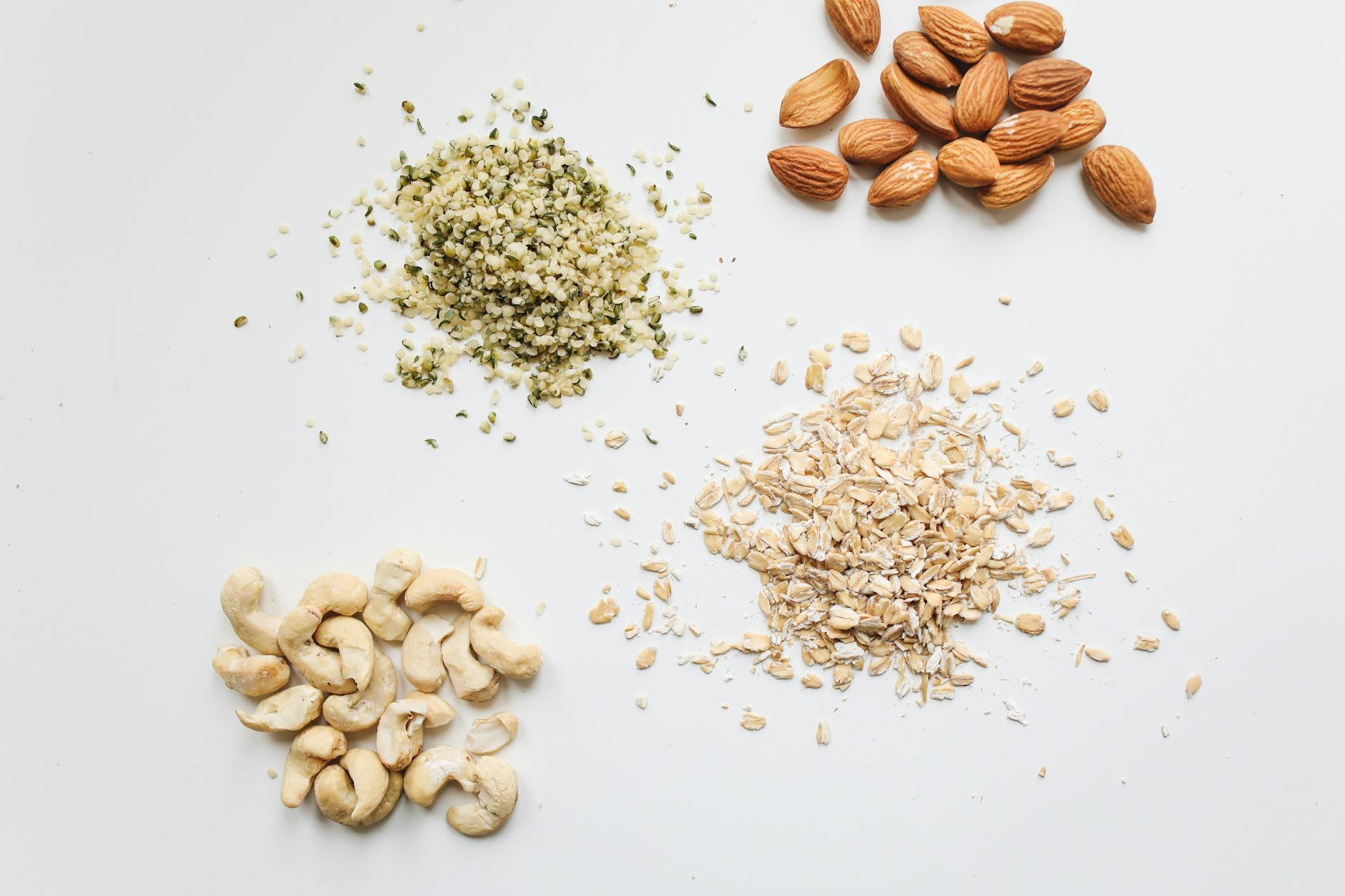
Because the starting ingredients differ, whey and plant powders behave differently in your glass and diet. Whey is the liquid protein fraction separated during cheese making, while vegan options begin with peas, soy, rice, seeds, or blended plants.
Milk origin changes the formula
Whey protein concentrate retains more lactose and fat than whey protein isolate. Isolate is filtered further, so it usually contains less lactose, while plant proteins contain no lactose from the protein source.
| Feature | Vegan protein powder | Whey concentrate | Whey isolate |
|---|---|---|---|
| Amino-acid profile | Varies by pea, soy, rice, seed, or blend | Complete milk-derived profile | Complete milk-derived profile |
| Leucine per serving | Can be lower, depending on the formula | Higher in many formulas | Higher in many formulas |
| Lactose content | None from the protein source | Contains lactose | Lower after filtering |
| Fiber | May contain some, especially in less-refined formulas | Little to none | Little to none |
| Allergen concerns | Soy, pea, and seeds can cause reactions | Milk allergy concern | Milk allergy concern |
| Dietary fit | Fits vegan eating patterns | Not vegan | Not vegan |
| Typical cost | Varies by source and flavoring | Moderate in many cases | Can cost more because of filtration |
Use case guides the choice
For lactose avoidance or milk-protein avoidance, a plant formula has the clear advantage of containing no dairy. For a smaller serving with more leucine, whey may have an edge. Your training results can still be comparable with pea, soy, or a well-designed blend when daily protein intake and resistance work are sufficient.
Allergies matter on both sides. Soy is among the major U.S. food allergens, while pea and seed ingredients can also trigger reactions in susceptible individuals. Check your allergen statement, and seek urgent medical help for breathing trouble, throat swelling, faintness, or widespread hives after food exposure.
Digestibility can separate the choices more than the Nutrition Facts panel does. Milk sugar can bother some people, while concentrated pea, gums, high fiber, or sugar alcohols can bother others. That tolerance issue becomes especially relevant for body-weight goals.
Comfort at the gut level also influences whether a shake helps control hunger without creating unwanted trade-offs.
Satiety Matters More Than Weight-Loss Claims
Because digestion affects whether you finish a shake comfortably, it also affects whether it works in your meal plan. Plant protein powder for weight loss can fit a calorie deficit, but it does not cause fat loss by itself.
Protein can make meals more filling
Adding 20 grams of protein to a meal may increase satisfaction and help preserve lean mass during weight reduction. Total food intake, activity, sleep, and adherence still shape changes in body fat.
Fiber can slow food movement through the digestive tract and add bulk. Less-refined hemp or seed powders may retain more fiber, while a highly isolated pea formula may contain very little. Your ingredient list tells you more than the word “plant-based.”
Chia seeds, oats, frozen berries, and spinach can turn a thin drink into a meal component with volume and texture. Add peanut butter or tahini carefully because these foods raise energy intake quickly. A smoothie should match your meal plan rather than quietly exceed it.
Four meal patterns keep shakes in context
- Breakfast smoothie: Blend powder with soy milk, oats, berries, and spinach for protein, carbohydrate, and fiber.
- Post-training snack: Pair your shake with a banana or toast after lifting when a full meal is not practical.
- Light lunch component: Drink a shake beside a vegetable-heavy salad, fruit, and a source of healthy fat.
- Afternoon bridge: Mix powder into yogurt alternatives or oatmeal to avoid arriving at dinner extremely hungry.
A shake made with juice, sweetened syrup, and several spoonfuls of nut butter can contain far more energy than expected. Your goal determines whether that result is useful or counterproductive.
Satiety is one reason plant-based protein powder benefits appeal to people managing body weight. Daily use, however, needs a wider view of your health history, total food intake, and training demands.
Feeling full may help, but regular use should still fit the calories, nutrients, and activity your day requires.
Daily Use Works Best Within Your Total Diet
With weight goals in perspective, daily use can be practical rather than excessive. You can drink vegan protein powder every day when it fills a food gap instead of pushing your protein intake far beyond personal needs.
Total intake matters more than a scoop rule
Body size, age, appetite, activity level, resistance-training volume, and protein from food all change the useful amount. A sedentary adult has different needs than a larger person training four days each week.
Rather than copying a number from a tub, total the protein in your usual meals for three days. Then use the label to see what one serving adds. A registered dietitian can set a target that fits your health history and goals.
Meal timing has flexibility. Protein after training can be convenient, but muscle tissue responds to amino acids across the day rather than only during a narrow post-workout window. Spreading protein-rich foods across breakfast, lunch, dinner, and snacks may make your intake easier to manage.
Medical conditions change the conversation
Chronic kidney disease, prescribed protein restrictions, pregnancy-related nutrition concerns, and complex digestive conditions call for individual guidance. A clinician or registered dietitian can account for your lab results, medications, symptoms, and food access in ways a product label cannot.
Healthy kidneys filter nitrogen-containing waste created during protein metabolism. That does not mean high-protein eating plans suit every person, because kidney disease can change protein guidance. “Plant-based” should never replace medical advice.
New bloating, diarrhea, constipation, nausea, or abdominal pain after a powder deserves attention. Stop using the product and speak with a qualified healthcare professional about persistent or severe symptoms. Before your next shake reaches the blender, inspect the label carefully.
Before making a powder routine, its ingredient list can reveal issues that serving size alone misses.
Label Details Protect Your Results and Comfort
Since daily use depends on the formula, the back label matters more than the front-panel promises. Turn the container around and read the Nutrition Facts panel, ingredient list, allergen statement, and quality documentation.
The nutrition panel reveals the formula
Protein grams deserve attention before flavor names or botanical claims. A front label can make a scoop look cleaner than it is, especially when sugars, syrups, sodium, or thickeners appear lower on the package.
- Protein amount: Your serving should contain enough protein to make a meaningful contribution to the daily food pattern.
- Serving weight: Compare grams of powder instead of judging scoop size alone.
- Source listed: The label should name pea, soy, rice, hemp, pumpkin seed, or every blend component.
- Added sugars: A flavored formula may contain sugar, syrups, or calorie-dense flavor bases.
- Sodium level: Your daily total can rise quickly across several packaged foods and drinks.
- Sweeteners and gums: Sugar alcohols, stevia, monk fruit, xanthan gum, and guar gum can change digestive comfort.
- Declared allergens: The package should identify soy and shared-facility warnings relevant to your needs.
Digestive comfort deserves ingredient-level attention
Gritty texture is a quality-of-life issue, not a nutritional failure. Rice and seed powders can feel sandy, while pea protein may thicken as it sits. Blend with enough liquid, drink soon after mixing, and start with a smaller amount to learn how your gut responds.
Sugar alcohols such as erythritol and xylitol can pull water into the intestine, which may lead to gas or loose stools in sensitive people. Gums can alter texture and may bother some stomachs. Your discomfort may come from the flavor system rather than the protein source itself.
| Label detail | What to inspect | What it means for you |
|---|---|---|
| Protein source | Single ingredient or blend | You can judge amino-acid coverage and allergen fit. |
| Added sugars | Grams per serving and ingredient order | You can fit the drink into your energy intake. |
| Thickeners | Gums, inulin, and sugar alcohols | You can identify a possible cause of digestive upset. |
| Quality records | Batch information and contaminant disclosures | You can favor brands that show their work. |
Heavy-metal screening is a useful quality signal
Plants can absorb metals from soil, water, and growing conditions. Rice has drawn particular attention because it can accumulate inorganic arsenic more readily than several other crops. A powder is not automatically contaminated, but your source material and manufacturing controls still matter.
Look for a current certificate of analysis or clear heavy-metal screening disclosure from an independent laboratory. Third-party testing can show structured quality practices, although no seal removes your need to read ingredients or discuss personal health concerns with a clinician.
Healthline, Kinetica Sports, and Dr. Axe discuss plant protein in consumer health contexts, but your purchase should rest on the tub in hand: protein source, protein amount, added sugars and artificial sweeteners, allergens, and quality disclosure. Close label review turns broad benefits into an informed daily choice.
Armed with those specifics, you can weigh convenience, nutrition, and tolerance to make a choice you’ll sustain.
Final Thoughts on Choosing a Plant Protein Powder
A strong reason to use a vegan formula is practical: it can close a protein gap without dairy while fitting your meals, training, appetite, and digestion. Choose a source or blend with transparent protein content, inspect added ingredients, and treat every scoop as part of a varied diet.
Muscles respond to resistance work and amino acids, while long-term health still depends on the rest of your plate. Your best powder is the one that supports your food pattern without causing digestive trouble, allergen exposure, or a label surprise.
FAQ
Is vegan protein powder actually healthy?
Choosing a formula with meaningful protein, modest added sugars, and ingredients you tolerate can support a healthy eating pattern. Your result depends on the product and the rest of your diet, since a powder cannot supply every nutrient found in varied whole foods.
What are the main benefits of vegan protein powder?
A single scoop delivers convenient dairy-free protein for post-training repair and can make lighter meals more filling. Your formula may also fit a vegan eating pattern or lactose avoidance, depending on its ingredients and allergen statement.
Does vegan protein powder contain all essential amino acids?
Soy protein and pea protein can supply all nine essential amino acids, while rice, hemp, and seed proteins may have less favorable proportions for a muscle-focused serving. Your pea-and-rice blend can provide broader coverage because pea contributes more lysine and rice contributes more methionine.
Is plant-based protein as effective as whey for muscle growth and recovery?
With sufficient daily protein and resistance training, non-dairy powders can support muscle growth and recovery. Whey protein is higher in leucine per serving than many plant formulas, so your pea, soy, or blended powder should provide enough total protein and amino-acid coverage.
What are 5 signs you may not be getting enough protein?
Persistent hunger, slow workout recovery, falling strength, loss of lean mass, and meals without a protein anchor can suggest that your intake deserves review. Your sleep, calorie intake, training plan, and health status can cause similar signs, so they are not a diagnosis.
Can vegan protein powder help build muscle?
After strength training, each serving supplies amino acids that support muscle repair and growth when daily food intake is adequate. Your formula should supply enough protein, and pea, soy, or a thoughtful blend may offer stronger essential amino-acid coverage than some single seed powders.
