

At roughly 220 calories per cooked cup, these two nutritious common beans have nearly identical protein but noticeably different texture, flavor, and recipe performance. Black beans cook into a softer, creamier bite, while kidney beans stay larger and firmer in soups, salads, and long-simmered chili.
Your best choice depends on nutrition priorities, canned sodium, cooking time, blood sugar goals, and whether your recipe needs a smooth bean or a defined shape.
Shared Nutrition Makes Recipe Fit the Main Difference
Both beans come from Phaseolus vulgaris, the common bean species, and each provides complex carbohydrates, dietary fiber, plant-based protein, iron, folate, potassium, magnesium, and zinc. A half-cup cooked serving gives you roughly 112 to 114 calories, so your recipe and portion usually matter more than the two-calorie difference.
Black beans have a smaller shape and tender center that blends into sauces, rice, and taco fillings. Kidney beans have a thicker skin and a larger interior, which helps your chili, curry, or casserole retain distinct beans after stirring.
| Kitchen trait | Black beans | Kidney beans |
|---|---|---|
| Size | Small | Large |
| Cooked texture | Softer, creamier center | Firmer skin and interior |
| Flavor | Earthy and mildly sweet | Slightly nutty and fuller tasting |
| Strong recipe fit | Rice bowls, tacos, corn salads | Chili, soups, casseroles |
Your health needs can still tip the decision. Sodium from canned beans, added cheese or sausage, and the serving size on your plate can affect the finished meal more than choosing one bean over the other.
That close match makes an equal-serving comparison more useful than declaring a universal winner. The next numbers show where the small differences actually appear.
Serving size levels the playing field, revealing modest calorie and protein gaps between the two options.
Equal Portions Show Small Differences in Calories and Protein
Cooked portions provide a fair comparison because dry beans absorb water and expand during cooking. FoodData Central lists plain cooked black beans and kidney beans within fractions of a gram for protein, carbohydrates, and fat.
| Nutrient per 1/2 cup cooked | Black beans | Kidney beans |
|---|---|---|
| Calories | About 114 | About 112 |
| Protein | About 7.6 g | About 7.7 g |
| Total carbohydrates | About 20.4 g | About 20.2 g |
| Dietary fiber | About 7.5 g | About 6.5 g |
| Total fat | About 0.5 g | About 0.5 g |
A black beans vs kidney beans calories comparison comes down to about 2 calories per half-cup. Rice, oil, avocado, sour cream, meat, and portion size can shift your meal by far more than that.
Kidney beans edge ahead by about 0.1 gram of protein, while black beans provide about 1 additional gram of dietary fiber in this serving. Neither difference is large enough to outweigh the texture you want in your dish.
Canned values can differ because brands use different bean weights, packing liquids, and salt levels. That leads directly to the nutrients that matter most for fullness, plant-based meals, and blood sugar response.
Those narrow macronutrient gaps matter less when fiber and key minerals shape how satisfying each serving feels.
Fiber and Micronutrients Support Fullness and Plant-Based Meals
A half-cup of either bean supplies about 7 to 8 grams of plant-based protein and 6 to 8 grams of dietary fiber. That combination gives your vegetarian bowl more staying power than white rice or tortilla chips alone.
Fiber holds water and adds bulk in the digestive tract. Resistant starch also reaches the large intestine, where gut microbes ferment it into short-chain fatty acids; your tolerance can vary based on your usual fiber intake and digestive health.
Both beans supply iron, folate, potassium, magnesium, and zinc. Iron supports oxygen transport through hemoglobin, folate supports cell division, and potassium helps regulate fluid balance, though your final intake changes with cooking water and canned-bean brands.
Pair beans with vegetables and a protein source rather than treating their glycemic index as a stand-alone score. Your meal’s fat, fiber, acidity, and portion size all shape post-meal blood glucose response.
For blood sugar and weight management, either bean can fit well because fiber and protein slow the pace of a meal compared with refined grains. Your overall plate still matters: a bean salad with vegetables and olive oil works differently from a large bowl of beans covered in salty cheese and processed meat.
The nutrient tie leaves color and structure as practical deciding factors. Those traits change how each bean behaves once heat and sauce enter the picture.
Beyond nutrition, each bean’s skin and interior determine its flavor, bite, and response to cooking.
Dark Skins and Firm Centers Create Different Flavor Profiles
Black Beans Bring a Creamier, Earthier Bite
Black bean skins contain anthocyanins, the plant pigments that also color blueberries and purple cabbage. Those dark pigments, along with other polyphenols, give black beans their nearly inky appearance and deepen the color of your cooking liquid.
The center softens readily after simmering, creating an earthy and mildly sweet flavor with a creamy finish. Stir them into rice near the end of cooking, and your grains take on a darker, more velvety coating.
Kidney Beans Keep Their Shape in Saucy Dishes
Red kidney beans have a larger form and thicker skin, so they stay visible through extended simmering. Your spoon can move through a tomato-based chili without crushing every bean into the sauce.
Their taste is fuller and slightly nutty, which works especially well with tomato, smoked paprika, onion, garlic, and cumin. This kidney beans vs black beans taste difference becomes clearest in recipes with only a few competing ingredients.
Texture affects more than appearance. It determines whether you want beans to thicken the dish or remain a clear ingredient in every bite.
That contrast in texture becomes especially important when a dish needs body, definition, or both.
Recipe Type Determines the Better Bean for Each Dish
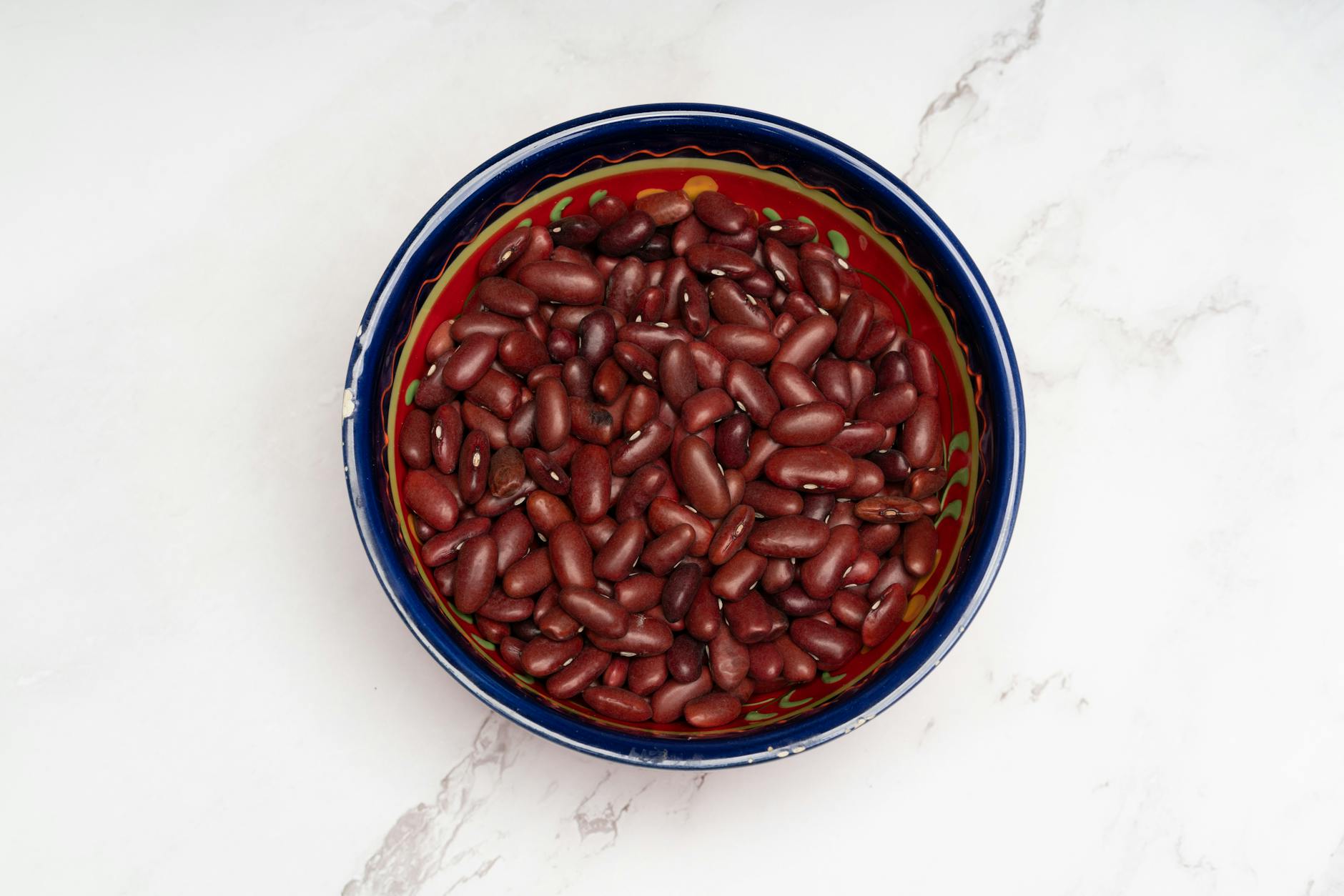
Long cooking favors kidney beans because their firm skins hold together through heat and stirring. Black beans work better where your recipe benefits from a softer texture, darker color, or richer-looking sauce.
- Classic chili: Choose kidney beans for visible, firm pieces beside ground meat, tomatoes, or vegetables.
- Burrito bowls: Use black beans for a softer bite beside rice, salsa, avocado, and corn.
- Cuban-style rice: Add black beans for a dark, savory cooking liquid that seasons the grains.
- Composed salads: Pick kidney beans because their larger form stays intact during tossing and chilling.
- Mixed-bean soup: Use both beans to give your bowl contrast in color, size, and texture.
For black beans vs kidney beans for chili, kidney beans are the traditional choice when you want a sturdy bean after a long simmer. Black beans can replace them at a one-to-one cooked ratio in turkey chili, vegetarian chili, or a mixed-bean version.
Your substitution changes the finished dish in predictable ways. Black beans make a pot darker and creamier, while kidney beans make it lighter in color and firmer in texture.
That flexibility makes both beans useful pantry staples. The next choice is whether you need dinner in 10 minutes or have time to cook a pot from dry.
Once the dish guides your choice, preparation method determines the tradeoff between convenience, sodium, and cooking time.
Canned and Dried Beans Change Sodium and Prep Time
Canned black beans and canned kidney beans are fully cooked before packaging. You can drain, rinse, and warm them with onion, garlic, lime juice, and spices for a fast meal.
Dried beans give you more control over salt and seasoning, but they require soaking or longer cooking. A pot of dried beans can absorb bay leaf, garlic, broth, and dried chilies from the beginning, which creates a different flavor than a quick canned-bean meal.
| Choice | What you gain | What to watch |
|---|---|---|
| Canned beans | Fast meals and no soaking | Sodium content varies sharply by brand |
| Low-sodium cans | Less salt before seasoning | Texture still varies between brands |
| Dried beans | Lower cost per cooked serving | Soaking and cooking take time |
Rinsing canned beans under cool water removes surface packing liquid and can lower sodium substantially. Check your label before seasoning, especially when your recipe also includes canned tomatoes, broth, salsa, or cheese.
Canned black beans vs kidney beans is mainly a texture choice, not a health divide, as long as you compare sodium on the label. Dry kidney beans, however, require one food-safety step that you should never skip.
Convenience has few drawbacks, but dried kidney beans demand careful cooking to make them safe to eat.
Dry Kidney Beans Require a Vigorous Boil for Safety
Dry red kidney beans contain phytohaemagglutinin, a lectin concentrated in raw or undercooked beans. The active lectin can cause severe nausea, vomiting, abdominal pain, and diarrhea because it irritates the digestive system.
A slow cooker alone may not reach a high enough temperature to deactivate kidney bean lectin. Start dry red kidney beans with a vigorous boil in fresh water before any low-heat simmering.
- Sort the beans: Remove small stones, shriveled beans, and damaged pieces before rinsing.
- Soak as desired: Cover dried beans with water for several hours or overnight to shorten later cooking.
- Discard soak water: Pour it away and add fresh water to your cooking pot.
- Boil vigorously: Bring the beans to a full rolling boil before lowering the heat.
- Cook until tender: Continue cooking until the center is soft instead of chalky or hard.
Canned kidney beans do not need this process because commercial canning cooks them before packaging. Your main task is rinsing them, checking sodium, and choosing the texture that suits the meal.
Once preparation is handled, either bean can fit into your regular rotation. A gradual increase in fiber helps you use both comfortably.
Safe preparation clears the way for practical habits that make higher-fiber meals more comfortable and sustainable.
Gradual Portions and Simple Swaps Make Beans Easier to Use
Swap cooked black beans and kidney beans cup for cup in most recipes. Black beans suit a quesadilla or taco filling, while kidney beans work better in a dish where you want intact pieces after mixing.
Pinto beans offer a creamy middle ground with a pale brown color and soft interior. Chickpeas stay firmer and taste nuttier, so your salad or grain bowl keeps a drier, more separate texture.
- Start with less: Increase your portion gradually so your digestive system can adjust to additional fiber.
- Rinse canned beans: Wash away packing liquid that can add sodium and a canned flavor.
- Soak dried beans: Soaking shortens cooking time and softens the bean structure before simmering.
- Cook thoroughly: Tender beans are easier for you to chew and less likely to feel heavy after a meal.
- Use mixed beans: Combine colors and textures in soup, where contrast improves each spoonful.
Your digestive tolerance may change with sudden fiber increases or certain digestive conditions. Speak with a qualified healthcare professional for personal guidance if symptoms persist or your diet has medical limits.
With tolerance and individual needs in mind, the best choice ultimately depends on your recipe, routine, and preferences.
Bottom Line
Choose black beans for a softer, darker, creamier result and kidney beans for a larger bean that remains firm during long cooking. Your nutrition choice is close enough that recipe fit, sodium preference, portion size, and safe preparation deserve more attention than a tiny calorie difference.
Both beans support heart-conscious and plant-based meals with fiber, protein, iron, folate, and potassium. Keep low-sodium canned beans for speed, cook dried beans for flexibility, and fully boil dry kidney beans before simmering.
FAQ
Are black beans healthier than kidney beans?
Neither bean wins for every goal. Both supply fiber, plant protein, complex carbohydrates, and several minerals, while your portion size, canned sodium content, and the rest of your meal shape the more meaningful nutrition choice.
Which has more protein, fiber, iron, and folate: black beans or kidney beans?
Kidney beans and black beans provide nearly identical protein, at roughly 7 to 8 grams per half-cup cooked serving. Black beans provide about 7.5 grams of fiber versus about 6.5 grams for kidney beans, while iron and folate amounts are close enough that your recipe choice usually matters more.
Are black beans or kidney beans better for blood sugar and weight loss?
Either bean can support blood sugar and weight goals because each combines fiber, protein, and complex carbohydrates. Your result depends more on portion size and the full meal, so pair beans with vegetables and limit large amounts of refined grains, salty sauces, and high-calorie toppings.
Can black beans replace kidney beans in chili, salads, and rice dishes?
Yes. You can replace kidney beans with black beans at about a one-to-one cooked ratio, but your dish will become darker and creamier. Kidney beans work better in salads and long-simmered chili when you want firm, separate beans.
Do black beans and kidney beans taste different?
Yes. Black beans taste earthy and mildly sweet, with a softer interior that blends into sauces. Kidney beans have a fuller, slightly nutty taste and a firmer skin, so your dish keeps more distinct bean texture.
Are canned black beans and canned kidney beans healthy?
A rinsed 15-ounce can still provides fiber, protein, iron, folate, and potassium after the beans are fully cooked. You can reduce surface sodium by draining and rinsing them, then use the Nutrition Facts label to compare brands.
