

Black seed oil for hair is a conditioning oil pressed from Nigella sativa seeds. It can soften dry lengths, reduce combing drag, and make frizz look less obvious, but reliable human evidence does not show that it regrows hair. You can use it for surface care, not follicle-driven thinning.
This practical overview helps you judge dryness, scalp comfort, safer application, product labels, shedding concerns, and the limits of cosmetic oils.
Black Seed Oil Works Best as a Conditioning Step
With those limits in view, the clearest benefit is smoother-looking hair rather than new growth. A thin oil film changes how light reflects off rough cuticle edges, so your ends can look shinier after a single application.
Fatty acids change hair fiber feel
Hair is dead keratin fiber, not living tissue that topical oil can feed. Black seed oil comes from pressed Nigella sativa seeds and contains fatty acids that coat the outside of each strand. That coating gives your comb more slip and reduces friction between dry sections.
Linoleic acid and oleic acid contribute to the oil’s emollient feel. These lipids sit on the hair surface, where they can make coarse or weathered lengths feel softer. Your hair may look less puffy because flatter cuticle scales reflect light more evenly.
That cosmetic effect matters most on bleached ends, heat-styled hair, and tightly curled sections that catch during detangling. It does not fuse split ends or change the activity of the follicle under your scalp. A trim removes a split section; lighter handling helps prevent the next break.
| Component or feature | What it can do for hair | What it does not establish |
|---|---|---|
| Linoleic acid | May improve slip on dry lengths | New follicle formation |
| Oleic acid | Can soften coarse-feeling strands | Permanent split-end repair |
| Oil film | Reduces the look of frizz and dullness | Reliable pattern-hair-loss control |
| Thymoquinone | Has laboratory-studied antioxidant activity | Proven topical regrowth in humans |
Thymoquinone needs careful interpretation
Thymoquinone is a notable constituent of Nigella sativa. Laboratory research has examined its antioxidant and anti-inflammatory activity, including effects on oxidative-stress and inflammatory signaling in cells and experimental models. A petri dish, however, does not predict what a diluted oil will do on your scalp.
For your routine, the realistic value is cosmetic: better spread, softer lengths, and a lighter finish than some heavier oils. Choose a cold-pressed oil with a short ingredient list, dark glass packaging, and no added perfume when you plan scalp contact.
Added fragrance can be the irritant rather than the seed oil. The ingredient label should identify each oil and fragrance component instead of hiding them in a vague blend.
That distinction keeps expectations grounded. Once you know what the oil can change on the hair surface, you can separate a smoother style from a genuine change in density.
That distinction matters because softness and shine can improve without changing what happens at the follicle.
Conditioned Hair Does Not Equal New Growth
Because surface changes appear quickly, a smoother ponytail can look fuller without a single new strand. Clinical evidence for black seed oil hair growth remains limited, so your visible result should not be treated as proof of follicular regrowth.
Several visible changes can look similar
Less breakage can make your hair appear denser because more of its existing length remains intact. That is different from producing new terminal hairs from dormant or miniaturized follicles. Keeping those outcomes separate prevents you from applying more oil for a result the oil cannot reasonably deliver.
- Improved surface feel means coated lengths look less dry, less fuzzy, and more reflective after styling.
- Less mechanical breakage means lubrication reduces combing friction, especially along bleached or tightly curled sections.
- Lower visible shedding can follow gentler detangling, though shed hairs still complete their normal growth cycle.
- Follicular regrowth means dormant or miniaturized follicles produce stronger new hair through a separate biological process.
Hair-loss conditions need cause-based care
Androgenetic alopecia involves gradual follicle miniaturization linked partly to genetics and androgen signaling. Across repeated growth cycles, each affected follicle can produce a finer and shorter fiber. A surface oil cannot reliably interrupt that process, even if it makes your existing hair look healthier.
Patchy loss, sudden diffuse shedding, widening parts, scalp pain, and thick scale deserve evaluation from a qualified healthcare professional. Alopecia areata, thyroid-related shedding, iron deficiency, traction alopecia, psoriasis, and seborrheic dermatitis have different causes. Your next step depends on the cause, not the promise on an oil bottle.
Do not use a cosmetic oil to postpone care for rapidly changing density, tender scalp skin, or round bare patches. Earlier evaluation can preserve options that a home routine cannot offer.
Retained hair may look better with less dryness-related breakage, which is still useful. The next practical decision is placing the oil where it helps rather than coating the entire scalp by default.
Benefits still depend on whether the oil reaches parched strands or a scalp seeking relief.
Dry Lengths and Scalp Comfort Need Different Placement
With hair-loss limits established, placement becomes the main practical choice. Mid-lengths and ends usually need far less oil than a saturated overnight mask, while your scalp may need none at all.
Dry lengths benefit from targeted use
Warm one or two drops between your palms, then skim the oil over the driest sections before shampooing or after styling. This approach keeps the product on weathered fiber instead of leaving a greasy layer at the roots. Black seed oil for dry scalp is not automatically the best answer when the real problem is flaky, inflamed, or product-coated skin.
For a specific wash-day routine, apply a few drops to the lower half of shoulder-length hair 30 minutes before cleansing. Shampoo the scalp first, then work any remaining foam through the ends. Your roots can stay lighter while the lower lengths feel less squeaky after drying.
Split ends are broken structures. Oil can press loose cuticle edges closer to the strand and disguise their rough appearance, but it cannot join separated fibers together. A trim removes the damage, and a satin pillowcase or low-tension style can reduce fresh friction afterward.
Scalp comfort requires restraint
A dry or mildly irritated scalp may tolerate an occasional diluted session, but comfort is not proof that oil suits every scalp condition. Fragrance-free moisturizing scalp products can be a better fit where oils leave a waxy film. Your scalp should feel calm after cleansing, not slick, itchy, or coated.
- Oily scalp keeps oil off the roots and limits use to dry ends before shampooing.
- Fine strands need a pinhead-sized finishing amount spread through your palms before touching hair.
- Active flakes call for professional input instead of repeated scalp oiling that can trap residue.
- Color-treated hair benefits from short pre-wash contact followed by a gentle shampoo rinse.
- Curls and coils can use oil over a water-based leave-in to reduce dry-looking outer layers.
- Visible thinning warrants scalp evaluation rather than frequent massage intended to force growth.
Texture and scalp behavior should set your routine, not a broad claim on packaging. Safe skin contact is the next issue, especially with blends that include fragrance or essential oils.
Where you apply it is only part of the equation; how your skin responds deserves equal attention.
Patch Testing and Dilution Reduce Avoidable Reactions
Since scalp contact carries more risk than treating the ends, start with a small controlled exposure. Patch testing cannot predict every reaction, but it can reveal whether your skin reacts before the blend reaches a larger, harder-to-rinse area.
Contact dermatitis can appear quickly or later
Contact dermatitis can cause itching, burning, redness, swelling, bumps, or a spreading rash. Those signs may develop during application or within the next 48 hours. Stop using the mixture if your skin reacts instead of trying to dilute the same formula further.
- Mix a small sample with one part seed oil and one or two parts plain carrier oil, such as jojoba or sunflower oil.
- Choose a discreet spot behind the ear or on the inner arm, where the skin can stay dry.
- Apply the planned blend so the patch test matches the exact formula intended for your scalp.
- Watch for 48 hours for redness, itching, burning, swelling, bumps, or a spreading rash.
- Skip scalp use after any reaction and seek clinical advice for persistent skin symptoms.
A reaction to a fragranced blend does not prove that every seed oil is the problem. It does mean your skin has rejected that product combination. Tolerance of jojoba oil alone also does not guarantee that your new formula will suit you.
Carrier oils make scalp use easier to control
Start with one part black seed oil to one or two parts carrier oils. Jojoba oil usually feels lighter, while sunflower oil contains more linoleic acid and may suit hair that dislikes a heavy coating. This simple ratio makes it easier for you to spread a few drops without pouring oil directly from the bottle.
Essential oils require separate caution because they are concentrated aromatic compounds. Rosemary essential oil should not be casually added to a scalp blend, even when its marketing claims sound appealing. Your safest first trial uses a plain seed oil and one plain carrier oil only.
Place several drops along part lines, then massage with fingertip pads for two to three minutes. Avoid nails, which can scratch already irritated skin. Leave the mixture on for 30 to 60 minutes, then shampoo until your roots no longer feel slick.
That measured washout routine exposes your scalp to less residue. Frequency matters next because repeated application can turn a tolerated oil into a buildup problem.
Even a well-tolerated formula can cause trouble when application becomes too frequent or heavy.
Frequency and Tracking Keep the Routine Honest
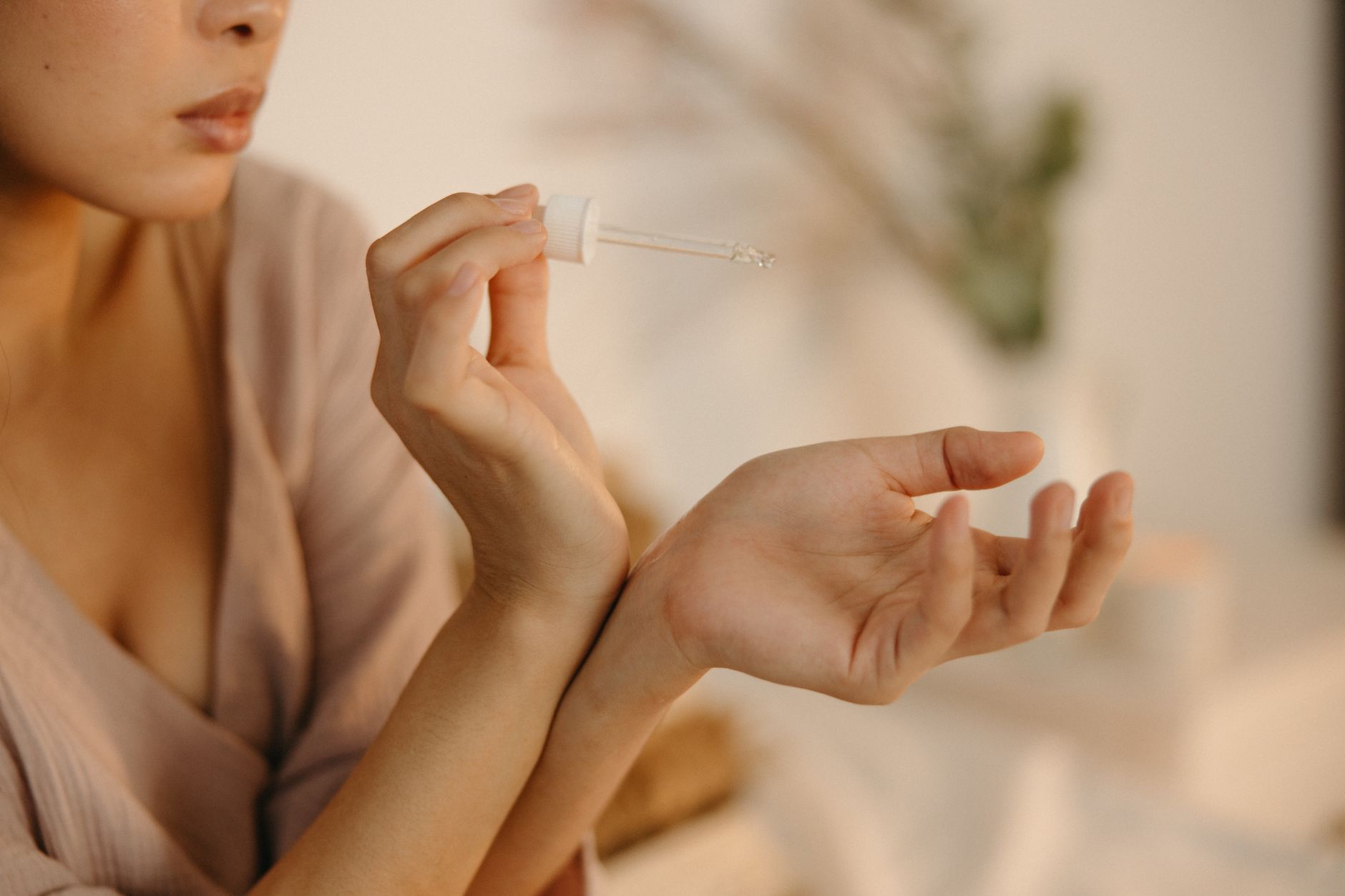
After a successful patch test, once-weekly scalp use is a sensible starting point for most routines. Daily scalp oiling adds more residue than value for many hair types, particularly if your roots become greasy within 24 hours.
Hair ends and scalps tolerate different schedules
Ends may tolerate a tiny finishing amount more readily because they do not produce sebum. Your scalp already produces oil, so frequent application can flatten fine hair, trap styling residue, or aggravate sensitive skin. Can you use black seed oil on hair every day depends on where you apply it and how your skin responds.
Conditioning changes can appear after one or two uses because lubrication affects the fiber immediately. Changes in breakage or apparent shedding require a longer view across several months and multiple wash days. Your hair cycle moves much more slowly than a glossy photograph taken after styling.
| What you track | What to record | What the pattern can mean |
|---|---|---|
| Scalp comfort | Itching, burning, tightness, or bumps | Possible irritation or contact dermatitis |
| Wash-day shedding | Broad trend, not one shower drain | Useful only across repeated wash days |
| Breakage | Short snapped pieces near dry areas | Handling damage may be changing |
| Root oiliness | Hours until hair looks greasy | Your routine may be too heavy |
| Part-line photos | Same lighting, angle, and hair part | A clearer view of density changes over time |
Stop signals need a fast response
Itching, burning, bumps, increased flaking, greasy buildup, or worsening tenderness are reasons to stop the routine. Shampoo out the residue and avoid adding another active product while your skin settles. A distressed scalp does not need a harsher experiment.
Take part-line photos every four to eight weeks with dry hair, the same part, and the same window light. Wet-hair photos can exaggerate scalp visibility, while a new angle can hide it. Consistent records help you separate a temporary styling result from a real density change.
Persistent shedding can follow illness, stress, hormonal shifts, restrictive eating, thyroid disease, medication changes, or inherited pattern thinning. Tracking does not diagnose the cause, but it gives your clinician a cleaner history. That evidence-based approach also clarifies where cosmetic oils sit among treatment options.
A consistent record of use also makes it easier to distinguish cosmetic support from treatments addressing underlying loss.
Cosmetic Oils Have Different Uses Than Hair-Loss Treatments
With a record of your symptoms and results, the difference between conditioning and treatment becomes easier to see. Oils can reduce friction, but they do not carry the same evidence as medication for persistent hair loss and shedding.
Different oils have different cosmetic roles
Rosemary essential oil draws interest from a small body of research, but its evidence remains limited beside better-studied medical options. Its concentrated aromatic compounds can also irritate skin without careful dilution. Your scalp does not need essential oil exposure to receive the smoothing benefit of a simple pre-wash oil.
Castor oil feels thick because it is rich in ricinoleic acid, while coconut oil has a strong affinity for hair protein and can reduce protein loss in some hair types. Both can improve lubrication and the look of dryness. Neither is a reliable treatment for pattern hair loss.
| Option | Useful role | Evidence limit or caution |
|---|---|---|
| Black seed oil | Slip, shine, and dry-length conditioning | Limited evidence for reliable human regrowth |
| Rosemary essential oil | Optional diluted scalp cosmetic | Can irritate skin and lacks strong comparative evidence |
| Castor oil | Heavy coating for dry ends | Can leave substantial residue at roots |
| Coconut oil | Pre-wash lubrication for some hair textures | May feel stiff or heavy on fine strands |
| Minoxidil | Evidence-based option for some pattern thinning | Needs product-label and clinician guidance |
| Medicated anti-dandruff shampoo | Persistent flakes or seborrheic dermatitis | Choose with clinical or pharmacist guidance |
Persistent thinning needs medical assessment
Minoxidil has stronger evidence than cosmetic oils for certain forms of persistent pattern thinning. It is a drug product, and a clinician can help determine whether it fits your symptoms, health history, and hair-loss pattern. Finasteride is another clinician-guided option for some adults, but it has medical risks and is not a casual substitute for an oil routine.
In the United States, the Food and Drug Administration oversees drug products differently from cosmetics. A bottle sold as a hair oil is a cosmetic item even where its label uses growth-focused wording. Judge your purchase by ingredients, scalp tolerance, and realistic conditioning goals rather than implied medical power.
Medicated anti-dandruff shampoos address persistent flakes or seborrheic dermatitis more directly than layering oil over inflamed skin. This is where black seed oil for hair fits best: a modest finishing or pre-wash option, not the center of your medical plan.
That limited role makes ingredient simplicity especially valuable for anyone trying to avoid unnecessary scalp irritation.
Buying a Simple Formula Avoids Unneeded Irritants
Because the oil works through surface conditioning, a complicated blend rarely improves the result. A simple formula makes it easier for you to identify what caused a reaction, buildup, or unwanted fragrance exposure.
- Short ingredient list helps you identify the seed oil, carrier oils, fragrance, and preservatives in the bottle.
- Cold-pressed processing describes how the oil was extracted and is useful for shoppers who prefer minimally processed cosmetic oils.
- Dark glass bottle limits light exposure that can degrade oils over time after opening.
- No added fragrance reduces one common source of scalp irritation and contact dermatitis.
- Clear product date helps you avoid using an old oil that smells stale, sharp, or rancid.
- Patch-test readiness matters more than claims about miracle growth, rapid thickness, or overnight results.
Fresh oil should not smell sharply rancid or sour. Store your bottle away from direct sunlight and close the cap after each use. Your best product is the one you can use in a small amount without irritation or heavy residue.
Those buying details support a safer routine, but they do not turn a cosmetic oil into a hair-loss treatment. The final takeaway is simple: use the product for what it can do well.
Choosing fewer additives supports a routine that stays realistic about both its benefits and its limits.
Final Takeaways
Black seed oil earns its place through texture, not grand promises. Dry ends may look smoother and feel easier to comb because fatty acids reduce surface friction. Your best results will come from a few drops, targeted placement, and a washout routine that leaves the scalp comfortable.
Reliable new growth, sudden shedding, painful skin, and progressive thinning belong in a conversation with a qualified healthcare professional. Black seed oil for hair can support your cosmetic routine, but it cannot replace diagnosis or evidence-led care for alopecia and other scalp conditions.
FAQ
Can black seed oil help with hair growth?
Reduced dryness and breakage may make existing hair look fuller, though clinical evidence for reliable human follicular regrowth remains limited. Your scalp may feel more comfortable with a tolerated diluted formula, yet ongoing thinning needs evaluation rather than oil alone.
Is black seed oil good for dry hair and scalp health?
That can help dry, frizzy, or rough-feeling lengths because its fatty acids add slip and surface shine. Your scalp may tolerate a diluted blend, but flakes, pain, or persistent irritation need a more specific diagnosis and treatment plan.
How should I use black seed oil for hair?
Use a tiny amount on mid-lengths and ends as a pre-shampoo layer or finishing oil. For scalp contact, your safer method is a patch-tested blend of one part black seed oil and one or two parts carrier oil, washed out after 30 to 60 minutes.
Should black seed oil be diluted with a carrier oil?
Carrier oils are a sensible choice for scalp application because they make the product easier to spread and limit the amount of seed oil touching your skin. Your first blend can use one part black seed oil with one or two parts jojoba or sunflower oil.
How often can I apply black seed oil to my scalp?
Begin with one scalp session per week after a successful patch test. Your roots, wash schedule, and styling products should determine whether that frequency remains comfortable. Fine, oily, dandruff-prone, or sensitive scalps may need less frequent use or no scalp application.
What are the side effects of black seed oil on hair and scalp?
Itching, burning, redness, rash, bumps, increased flakes, greasy roots, and limp strands can occur after application. Your risk rises with frequent scalp use, fragrance blends, essential oils, or undiluted application. Stop using it after a reaction and seek medical advice for symptoms that persist.
