

A one- to two-nut serving can meet selenium needs, while hazelnuts offer a versatile snack with more vitamin E, fiber, and monounsaturated fats. Both provide similar calories per ounce, but Brazil nuts require tighter portion control because selenium levels can vary sharply.
For your snack routine, thyroid-related nutrient questions, or recipe plans, the details below explain portions, safety limits, storage, and the strengths of each nut.
Daily Snacking and Targeted Selenium Have Different Roles
With the basic distinction clear, hazelnuts are usually the easier everyday choice, while Brazil nuts work better as a measured ingredient. Both provide unsaturated fats, protein, dietary fiber, magnesium, copper, and plant compounds in a compact serving. Your portion matters because an open bag can turn a 1-ounce snack into several hundred calories.
Brazil nuts are seeds from Bertholletia excelsa, a tall Amazon Basin tree, although grocery stores group them with tree nuts. Hazelnuts are smaller and naturally suited to a standard handful. In Brazil nuts vs hazelnuts taste, Brazil nuts are creamy, rich, and mildly earthy, while hazelnuts taste sweet, buttery, and more aromatic after toasting.
A practical choice comes down to purpose. You can use one or two Brazil nuts to add selenium and magnesium to a meal, while about 20 hazelnuts fit more naturally in a snack container. Those different serving patterns make the nutrition label more useful than a 100-gram comparison.
That serving-size perspective also reveals how closely their calories align despite distinct nutritional advantages.
Standard Portions Show Similar Calories and Different Strengths
Because serving habits differ, a 1-ounce comparison puts calories and macronutrients into perspective. Brazil nuts and hazelnuts provide about 4 grams of protein per ounce. The larger nutritional split is not protein; it is selenium exposure, vitamin E, and the number of nuts you can reasonably eat at once.
| Nutrient or portion | Brazil nuts, 1 ounce | Hazelnuts, 1 ounce |
|---|---|---|
| Calories | About 187 | About 178 |
| Protein | About 4 grams | About 4 grams |
| Total fat | About 19 grams | About 17 grams |
| Dietary fiber | About 2 grams | About 3 grams |
| Magnesium | About 107 milligrams | About 46 milligrams |
| Practical ounce portion | About 6 to 8 large nuts | About 20 to 21 nuts |
FoodData Central records support these raw-nut figures, although brand, harvest, and nut size can change the label values. Hazelnuts contain more monounsaturated fats, the same fat family found in olive oil. Brazil nuts provide more magnesium per ounce and have a larger polyunsaturated fat share.
Brazil nuts vs hazelnuts calories differ by only about 9 calories per ounce. That gap will not decide weight change, but the practical Brazil nut serving size is much smaller than an ounce because of selenium. The next comparison explains why a standard handful is not a sensible daily target for Brazil nuts.
Because selenium concentrates so heavily in Brazil nuts, their practical portion calls for a different standard.
Brazil Nuts Require Careful Selenium Portions
That portion difference becomes important because Brazil nuts can contain far more selenium than your daily requirement. Selenium supports several enzymes, including glutathione peroxidases that help manage oxidative reactions in cells. It also supports thyroid hormone metabolism, where enzymes help convert thyroxine into triiodothyronine.
Selenium Supports Thyroid Function but Does Not Replace Care
Thyroid health depends on enough selenium, but a Brazil nut is not a substitute for thyroid testing, prescribed treatment, or individualized supplement advice. Your clinician may use blood tests, symptoms, medication history, and other nutrients to assess thyroid concerns. A food-based selenium source cannot diagnose or correct every thyroid condition.
Adults need 55 micrograms of selenium per day, according to the National Institutes of Health. One Brazil nut may meet or exceed that amount. Selenium levels vary substantially by the soil and growing region, so a fixed number of nuts is never a guaranteed dose.
Small Portions Reduce the Risk of Excess
A cautious routine uses about one Brazil nut a day or one to two nuts on occasion, rather than a full handful. Three Brazil nuts can already produce a high selenium intake from some batches. Your total exposure also includes multivitamins, selenium supplements, fortified foods, and other foods eaten that day.
- Start with one: Use one Brazil nut as a chopped topping or ingredient instead of treating it like a snack handful.
- Check supplements: Read multivitamin and selenium supplement labels before adding Brazil nuts regularly.
- Skip daily stacking: Avoid combining Brazil nuts with several selenium-fortified foods without professional advice.
- Watch physical changes: Nausea, garlic-like breath, hair changes, nail changes, or nerve symptoms can signal selenium toxicity.
Regular intake above the adult upper limit of 400 micrograms raises the risk of selenium toxicity. The National Academies set that 400-microgram limit as a safety boundary, not a goal. With selenium handled carefully, hazelnuts become the more relaxed option for a repeat snack.
By contrast, a nut suited to frequent snacking can contribute vitamin E and supportive fats without the same caution.
Hazelnuts Fit Vitamin E and Heart-Conscious Eating
Once selenium is no longer the priority, hazelnuts offer a more flexible nutrient profile for everyday use. Hazelnuts contain about 4.3 milligrams of vitamin E per ounce, compared with roughly 1.6 milligrams in Brazil nuts. Vitamin E includes fat-soluble compounds such as alpha-tocopherol, which helps protect cell membranes from oxidation.
Vitamin E Gives Hazelnuts a Clear Advantage
Hazelnuts provide more vitamin E without the selenium uncertainty that comes with larger Brazil nut portions. That makes them useful in oatmeal, yogurt, salads, or a measured afternoon snack. Your meal can gain vitamin E from a full ounce of hazelnuts without approaching the selenium upper limit.
Roasting deepens hazelnuts’ aroma and brings out their buttery flavor. Heat, storage time, skins, and roasting temperature can alter sensitive plant compounds, including phenolic compounds. Both nuts contain antioxidants, but no single nut supplies every antioxidant your diet needs.
Fiber and Monounsaturated Fats Support Everyday Use
Hazelnuts pair monounsaturated fats with about 3 grams of dietary fiber per ounce. That extra gram of fiber is modest, but it can make hazelnuts feel more satisfying than a lower-fiber snack. Hazelnut health benefits fit best within meals that also include beans, vegetables, fruit, oats, fish, and other unsalted nuts.
Heart health depends on the overall pattern, not one food. You can choose hazelnuts instead of a sugary snack or salty processed snack, but neither hazelnuts nor Brazil nuts cures or prevents heart disease. The broader pattern matters more than a small difference in nut calories.
That broader dietary context makes personal priorities more useful than declaring one nut universally superior.
Goal-Based Choices Make the Better Fit Clearer
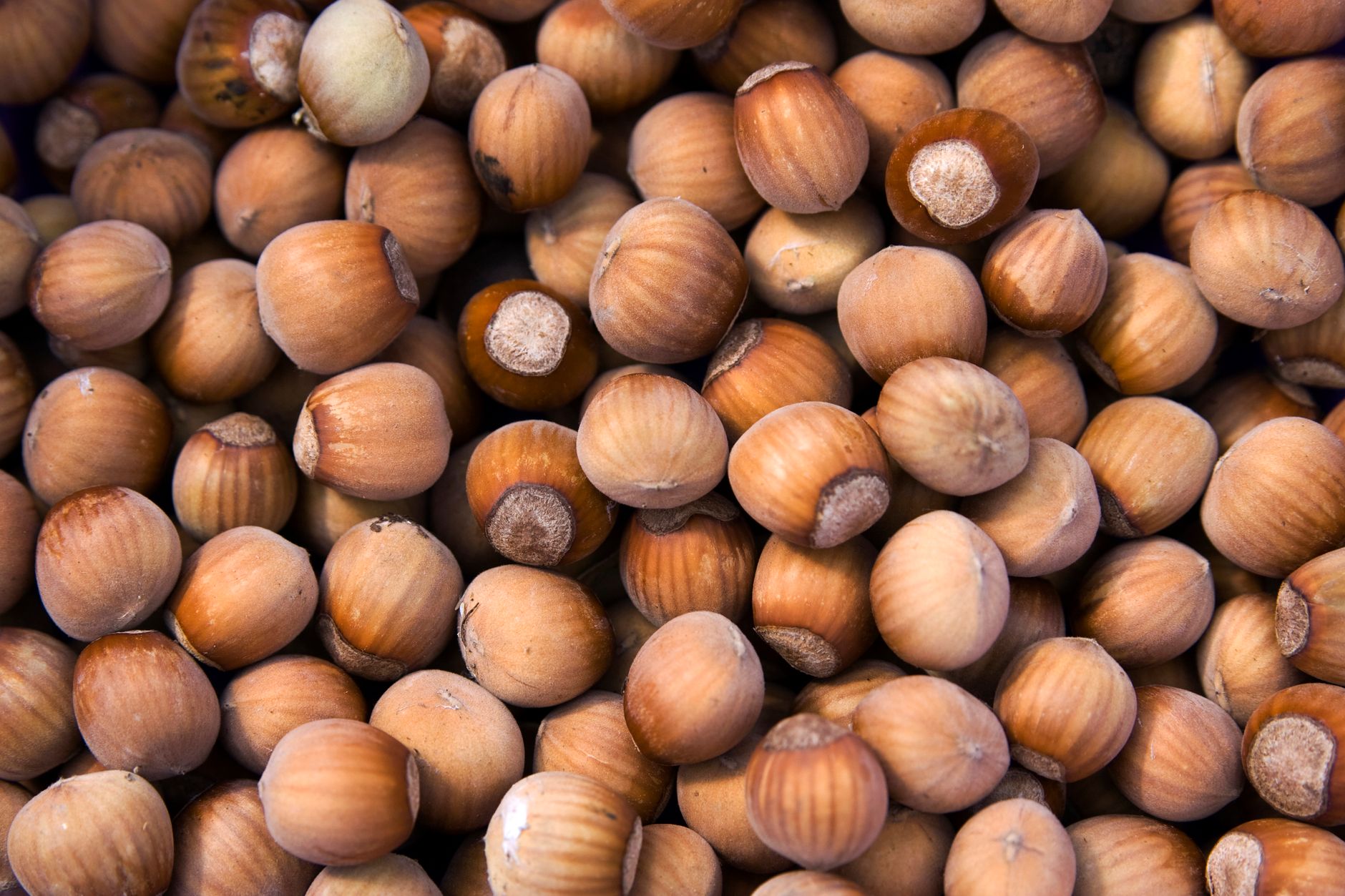
With those nutrient strengths in view, your goal can settle the choice quickly. Brazil nuts suit a focused selenium need in a small portion. Hazelnuts are usually better for vitamin E, fiber, monounsaturated fats, and a standard snack-size serving.
| Your priority | Better fit | Practical cue |
|---|---|---|
| Selenium intake | Brazil nuts | Use about one nut, not a handful. |
| Vitamin E intake | Hazelnuts | Use an ounce in a snack or meal. |
| Everyday snacking | Hazelnuts | Set aside about 20 nuts in a small container. |
| Magnesium intake | Brazil nuts | Keep selenium exposure in view. |
| Protein-focused meal | Neither | Choose legumes, dairy, eggs, soy, fish, or poultry. |
For calorie control, neither nut is a low-calorie food. An ounce of Brazil nuts has about 187 calories, while an ounce of hazelnuts has about 178 calories. Your best move is to portion nuts before eating rather than relying on hunger cues from a bag or jar.
Are Brazil nuts healthier than hazelnuts depends on what you need from them. Brazil nuts deliver more selenium and magnesium, while hazelnuts provide more vitamin E, monounsaturated fats, and fiber. Safety factors can matter even more than those nutrient differences.
Yet nutrient goals alone cannot settle the choice when allergies, supplements, or sweet coatings enter the picture.
Allergies, Supplements, and Added Ingredients Change the Choice
Beyond nutrition goals, allergy history and supplement use can decide whether either food belongs in your routine. Both Brazil nuts and hazelnuts can trigger serious tree nut allergy reactions. A confirmed allergy calls for avoidance unless an allergist has provided individualized guidance.
Tree Nut Allergy Requires a Clear Safety Plan
Hazelnuts can cause mouth itching or throat discomfort in some adults with birch-pollen-associated oral allergy symptoms. More severe symptoms can include hives, swelling, wheezing, vomiting, or faintness. Your prior reaction history matters more than whether a package calls the product natural or premium.
- Confirmed nut allergy: Keep the relevant nut out of meals and follow your allergy action plan.
- Past food reaction: Seek professional assessment instead of testing a small amount at home.
- Cross-contact warning: Check package statements against the limits in your personal allergy plan.
- Selenium supplement use: Treat Brazil nuts as an added selenium source rather than a casual snack.
- Pregnancy or medication: Ask a qualified healthcare professional before adding selenium supplements.
Self-testing after a prior reaction is a poor gamble because food reactions can change in severity. Emergency symptoms need immediate medical attention. After allergy safety is settled, the ingredient list gives you another useful point of comparison.
Plain Nuts Keep the Nutrition Comparison Honest
Raw and dry-roasted nuts usually have short ingredient lists. Oil-roasted, salted, candied, and chocolate-coated products can add sodium, sugar, saturated fat, or extra calories. Those additions can outweigh the small Brazil nuts vs hazelnuts nutrition differences found in plain versions.
Check the package for added oils and sweeteners before comparing nutrient panels. Your portion is easier to control with plain nuts than with coated snack mixes. Flavor and storage then determine which option works best in your kitchen.
Beyond those precautions, taste preferences and freshness needs shape how each nut earns a place at home.
Flavor, Storage, and Cooking Create Different Kitchen Roles
After ingredients are chosen carefully, each nut has a distinct job in cooking. Brazil nuts are large, creamy, rich, and softly textured. Chop one or two into pesto, grain bowls, or a mixed-nut jar so you get their flavor without creating a high-selenium handful.
Small Brazil Nut Additions Work Better Than Snack Handfuls
Brazil nuts add richness quickly because each nut is large and high in fat. A single chopped nut can spread through several servings of pesto or a grain dish. Your recipe stays balanced while the selenium-focused ingredient remains in a small, deliberate amount.
- Blend into pesto: Replace part of the usual nut amount with one or two Brazil nuts for a creamy texture.
- Top grain bowls: Scatter finely chopped pieces over rice, quinoa, beans, or roasted vegetables.
- Mix sparingly: Add a few pieces to a jar dominated by hazelnuts, walnuts, or almonds.
- Use measured portions: Count nuts before cooking so leftovers do not become an unplanned large serving.
Hazelnuts Work Well in Sweet and Savory Dishes
Hazelnuts suit pralines, chocolate spreads, baked goods, salads, and roasted snack mixes. A warm skillet can loosen their papery skins after a brief toast. Scorching creates bitterness quickly, so shake the pan and remove them once the aroma turns nutty.
Unsaturated fats react with oxygen over time and can develop stale, paint-like flavors through oxidation. Store both nuts in airtight containers in the refrigerator for regular use or in the freezer for longer holding. Discard any nut that tastes bitter, waxy, or rancid.
Brazil nut supply and pricing can shift with Amazon-region harvests, sourcing conditions, transport, and store inventory. A sparse shelf does not mean Brazil nuts have disappeared from the market. With storage handled well, a final portion decision becomes straightforward.
Once those practical details are settled, choosing an appropriate amount becomes the final step.
Bottom Line
Individual nutrient needs, portion sizes, and safety considerations determine which nut fits best. Hazelnuts are the practical everyday nut for your snack routine because an ounce provides vitamin E, dietary fiber, and monounsaturated fats in a natural portion. Brazil nuts fill a narrower role as a small selenium-focused addition.
Your safest long-term pattern includes plain nuts in measured portions and varied choices across the week. Keep Brazil nuts to about one nut daily or one to two on occasion, especially if you use selenium supplements or multivitamins. Refrigeration or freezing helps both nuts stay fresh between meals.
FAQ
Which is healthier: Brazil nuts or hazelnuts?
Neither is healthier for every goal. Brazil nuts provide much more selenium and more magnesium per ounce, while hazelnuts provide more vitamin E, monounsaturated fats, and dietary fiber. Your portion habits, supplement use, allergy history, and nutrition priorities determine the better choice.
How do Brazil nuts and hazelnuts compare in calories, protein, fat, carbs, and fiber?
An ounce of Brazil nuts provides about 187 calories, 4 grams of protein, 19 grams of fat, and 2 grams of dietary fiber. One ounce of hazelnuts has about 178 calories, 4 grams of protein, 17 grams of fat, and 3 grams of dietary fiber. The calorie and protein differences are small, while fiber and selenium create the more meaningful contrast.
Why should you limit how many Brazil nuts you eat per day?
You should limit Brazil nuts because their selenium content can be very high and varies by soil conditions and growing region. One nut may meet or exceed the 55-microgram adult daily selenium requirement. Repeated large portions can push your intake toward the 400-microgram adult upper limit.
Are hazelnuts better than Brazil nuts for heart health?
Hazelnuts are usually the easier choice for everyday heart-conscious eating because they provide monounsaturated fats, about 3 grams of fiber per ounce, and about 4.3 milligrams of vitamin E. Brazil nuts also contain unsaturated fats, but their selenium concentration makes a large daily portion less practical. Your overall eating pattern remains more important than either single nut.
Which nut has more selenium, vitamin E, magnesium, and antioxidants?
Brazil nuts have far more selenium and more magnesium per ounce, with about 107 milligrams of magnesium compared with about 46 milligrams in hazelnuts. Hazelnuts have more vitamin E, with about 4.3 milligrams per ounce compared with roughly 1.6 milligrams in Brazil nuts. Both contain phenolic compounds and other antioxidants, although roasting, skins, storage, and variety affect final levels.
Can Brazil nuts or hazelnuts support thyroid health?
Selenium, which supports thyroid hormone metabolism, is abundant in Brazil nuts. Hazelnuts contribute useful nutrients but are not a concentrated selenium source. Neither nut replaces thyroid blood testing, prescribed treatment, or individualized advice from a qualified clinician.
