

Once flax is milled, its omega-3 fatty acids are exposed to air, light, and heat, making freshness a real concern. Oxidation can turn a once-mild meal bitter, stale, fishy, or paint-like before you see obvious food spoilage signs.
You’ll learn how to assess an older package, separate rancidity from contamination, and protect ground flaxseed in a busy home kitchen.
Ground Flax Loses Freshness Faster Than Whole Seeds
Because the oils are exposed after milling, ground flaxseed has a shorter quality window than intact seeds. Your storage choices matter more after the seed coat is broken.
Milling Exposes Oils to Oxidation
Whole flaxseed has a hard outer coat that protects much of its oil from oxygen. Grinding exposes the pale interior, creating more surface area for air to reach the fats. That is why a bag of meal can lose its pleasant flavor while whole seeds still seem fresh.
Alpha-linolenic acid is an omega-3 fatty acid with several double bonds. Heat, light, and oxygen react with those bonds and create oxidation compounds, including aldehydes that produce harsh smells and flavors. A bag stored beside an oven can age faster than one kept in a cool, dark cabinet.
| Flax form | Oil exposure | Freshness outlook |
|---|---|---|
| Whole flaxseed keeps its seed coat intact. | Oils remain largely protected inside the seed. | Whole seeds retain quality longer. |
| Ground flaxseed has exposed particles. | Oils meet oxygen after milling. | The freshness window is shorter. |
| Flaxseed oil is separated fully from the seed. | Oils have the broadest contact with air and light. | The bottle needs close storage attention. |
Flavor Changes Appear Before Visible Spoilage
Rancidity usually announces itself through aroma and taste before mold or moisture becomes visible. A spoonful mixed into oatmeal may taste flat at first, then leave a bitter finish, even though the package still looks clean. Your nose can catch that change before a full serving reaches breakfast.
Fresh meal smells mild and nutty, with a faint toasted quality. Ground flaxseed that smells stale, fishy, soapy, or similar to old paint has undergone enough oxidation to discard. Those flavor clues make the printed package date easier to interpret.
That sensory check matters because a date label cannot reveal every storage condition. The next step is separating the package date from actual spoilage.
Because labels offer only a quality estimate, your senses and storage history provide the clearer answer.
A Package Date Marks Quality Rather Than an Automatic Safety Deadline
Since flavor can change gradually, a best-by date gives you a starting point instead of a disposal command. Your package history and freshness check provide the more useful answer.
The Printed Date Is Only One Clue
A best-by date marks the period during which a manufacturer expects peak quality under stated storage conditions. It does not automatically mean food has become unsafe at midnight on that date. An expiration date may carry stronger product-specific instructions, but a dry, intact flax package still needs an appearance and aroma check.
Brands such as Bob’s Red Mill and Premium Gold Flax include storage directions because packaging conditions affect oxidation. Direct sun, a warm car ride, humid storage, and repeated opening all add exposure. Your unopened bag has a better chance of staying fresh when its seal remains intact and the package stays cool and dry.
Discard a package with a broken seal, water damage, or swollen paperboard. A date label cannot outweigh signs that moisture or outside material reached the food.
Older Flax Can Still Pass a Freshness Check
An unopened bag stored in a cool basement pantry faces different risks than a half-used bag beside a stove. Can you eat expired ground flaxseed depends on its condition, not the calendar alone. Check the seal, storage history, smell, texture, and a tiny taste only after the product looks clean and dry.
Age never excuses a rancid odor or visible contamination. Your decision becomes simpler once you know which warning signs point to oxidation and which call for immediate disposal.
That distinction prevents a stale bag from being confused with a contaminated one. The signs below separate those two problems.
Knowing what the date can and cannot tell you makes the source of any off-quality easier to identify.
Rancidity and Contamination Leave Different Warning Signs
While an older package may still be usable, rancidity and contamination require different responses. You can reject both safely, but only a clean-looking product should ever reach a smell or taste check.
Rancidity Shows Up Through Smell and Taste
Rancid ground flaxseed can smell bitter, fishy, stale, soapy, or paint-like. Those odors come from oil breakdown products formed as unsaturated fats react with oxygen. A color change may be subtle, so your smell test is usually more useful than looking for a dramatic visual change.
Taste only a tiny pinch after the flax looks dry and smells neutral or mildly nutty. Bitterness, a harsh edge, or a soap-like flavor means it belongs in the trash instead of a smoothie or muffin batter. Cooking cannot restore damaged oils.
Contamination Calls for Immediate Disposal
Oxidation mainly affects quality and flavor, while contamination can involve moisture, mold growth, insects, or foreign material. Do not taste a product showing any of those signs, even if one corner of the bag looks normal. Your safest choice is disposal rather than sorting through questionable meal.
- Musty odor: A damp, basement-like smell can indicate moisture exposure or mold growth.
- Wet clumps: Ground flax should pour loosely rather than form soft, sticky, or damp clusters.
- Visible mold: Fuzzy spots or unexplained colored patches mean the entire package belongs in the trash.
- Insect activity: Webbing, larvae, or small moving insects signal pantry-pest contamination.
- Odd discoloration: Dark patches or damp-looking areas warrant disposal without a taste test.
Food spoilage signs deserve a firmer response than a merely stale flavor. A fixed inspection order keeps your next decision practical and consistent.
Those differing clues matter most when they are checked in a simple order before deciding what to do.
The Keep-or-Discard Decision Starts With a Quick Triage
After you separate rancidity from contamination, use the package and storage history before judging flavor. This sequence limits the temptation to rescue a bag that has clear warning signs.
A Fixed Sequence Reduces Guesswork
Start with the package rather than the spoon. A broken seal, trapped moisture, insect damage, and clumps can appear before aroma enters the picture. Your review should also include where the bag sat and how often warm room air entered after opening.
- Check the seal: An intact closure and dry package lower concern about outside moisture and pantry pests.
- Inspect the texture: Loose, dry meal is preferable to damp clumps or unexplained hard masses.
- Smell the contents: A mild nutty aroma suggests freshness, while paint-like or fishy notes signal rancidity.
- Taste a pinch: A tiny sample is appropriate only after normal appearance and smell clear the product.
- Choose conservatively: Uncertainty alone is a valid reason to discard a questionable bag.
Cooking Does Not Repair Oxidized Oils
Heat may soften a stale flavor in banana bread, but it cannot reverse rancidity. A smoothie, yogurt, or muffin may hide bitterness for a few bites, yet the oil quality has not returned. Your recipe should not become a way to use a sharply bitter product.
That caution matters after a warm-storage mistake or a long-opened bag. Refrigeration and freezer storage give the next package a much better chance of staying pleasant.
Once the bag passes triage, temperature becomes the main protection against further oxidation. Cold storage slows the process rather than stopping it completely.
Passing that check does not end the risk, since warmth continues to speed oxidation after opening.
Cold Storage Extends the Useful Life of Opened Flax
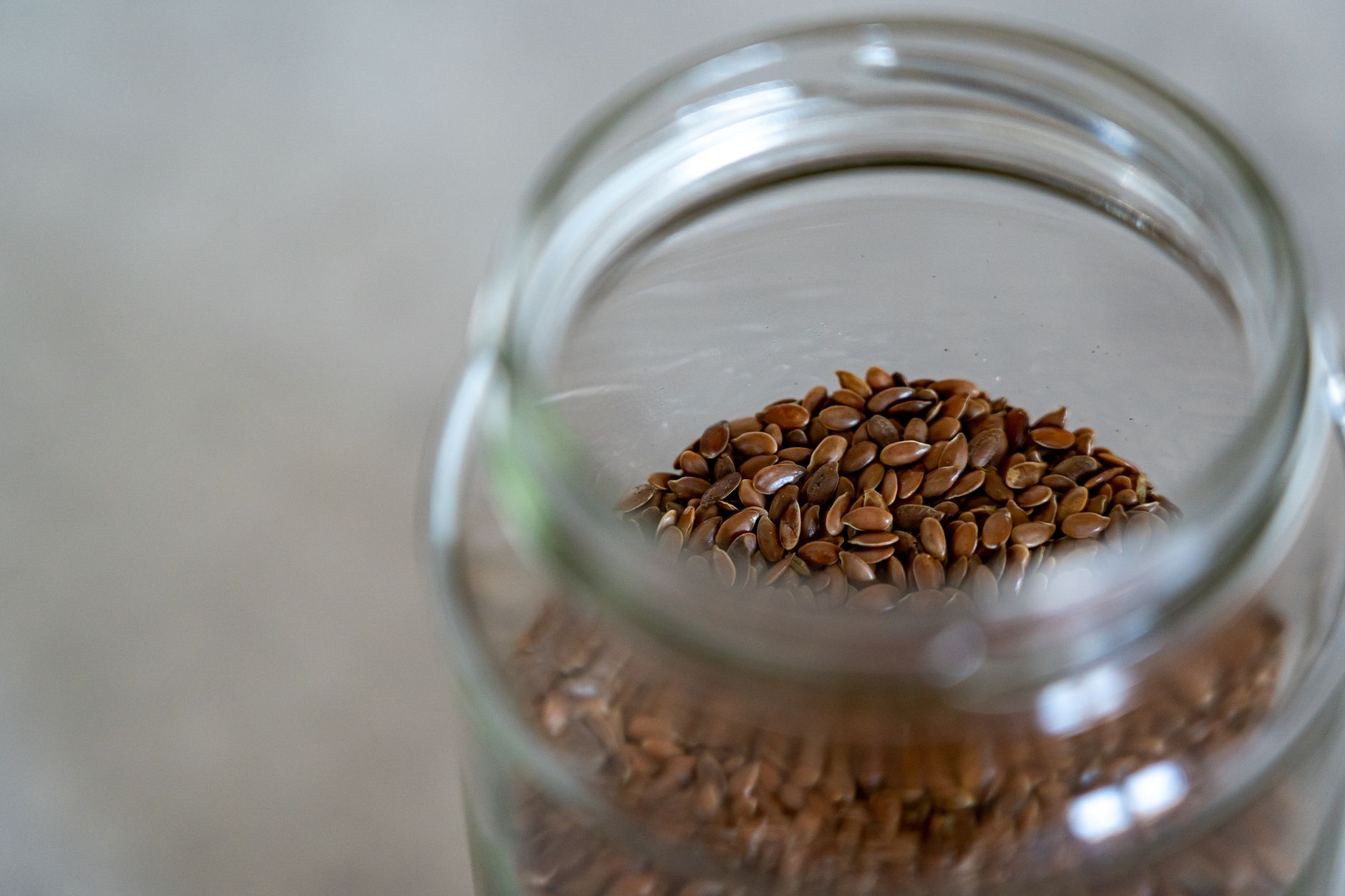
Because warm air accelerates oxidation, opened meal keeps its quality longer in the refrigerator or freezer. Your container needs a tight seal as well as a cold location.
Storage Location Changes the Rate of Oxidation
Refrigeration slows chemical reactions that damage exposed oils, and freezer storage slows them further. An airtight container also limits the new oxygen that enters between spoonfuls. Pantry storage suits only a small portion that your household will use soon.
| Storage spot | Practical use | Main risk |
|---|---|---|
| A pantry suits a small portion used quickly. | The container needs darkness and distance from heat. | Warm air speeds oxidation. |
| A refrigerator suits an opened working container. | A tight lid slows air exposure between uses. | A loose lid may admit fridge odors and moisture. |
| A freezer suits bulk portions and longer holding. | Small sealed portions limit repeated thawing. | An unsealed bag may collect moisture during handling. |
Portioning Protects a Bulk Purchase
Divide a large bag among several small opaque containers or freezer-rated jars, then label each with the opening date. Keep one container in refrigeration for oatmeal or yogurt, while the remaining portions stay frozen and unopened. Your bulk purchase receives less repeated air exposure this way.
- Use tight containers: Transfer opened meal from a folded bag into an airtight container with a secure lid.
- Keep portions small: Freeze several small portions instead of thawing one large container repeatedly.
- Label the date: Mark the open date so you can compare age with storage history and sensory signs.
- Avoid warm counters: Return the container to cold storage rather than leaving it beside the blender or stove.
Fixed timelines can mislead because shipping heat, package material, kitchen temperature, and opening frequency vary. How long does ground flaxseed last depends most on those conditions, followed by smell, taste, and texture. The same evidence also explains what a small accidental taste usually means.
Even when oxidation has begun, an incidental small taste rarely carries the same implications as contamination.
A Small Accidental Taste of Rancid Flax Is Usually a Quality Concern
A single tiny accidental taste of rancid flax is unpleasant but not usually a reason to panic. Your response should depend on whether the problem was oxidation alone or visible contamination.
Rancidity Usually Causes Flavor and Comfort Concerns
A small accidental taste of rancid flax is more likely to leave an unpleasant flavor or mild digestive discomfort than cause a serious emergency. Is rancid flaxseed harmful depends on what went wrong: oxidation alone differs from mold, insects, moisture, or another contamination issue. Your body may tolerate a stale pinch poorly without it becoming a food poisoning event.
Food poisoning concerns rise with mold, pests, water damage, or obvious foreign material. Seek medical advice for severe or persistent symptoms, trouble breathing, facial swelling, hives, repeated vomiting, or symptoms that suggest an allergic reaction. Those symptoms require more attention than a brief bitter aftertaste.
Fresh Flax Should Taste Mild and Nutty
Fresh ground flax works well in oatmeal, yogurt, smoothies, pancake batter, and baked goods. Its mild, nutty flavor should blend into food without a fishy aftertaste or bitter finish. Your first spoonful can reveal a failing bag before it reaches a full serving.
Cold temperatures, darkness, and a tight seal slow the decline substantially, but no storage method makes ground flaxseed permanent. That practical limit brings the key storage and freshness rules together.
With that risk put in perspective, the lasting takeaway is how to preserve quality and recognize decline early.
Final Thoughts on Fresh Ground Flax
The strongest signal is the combination of storage history, smell, texture, and taste rather than the date alone. Your opened package needs more care than whole flaxseed because its exposed oils oxidize readily. Keep it cold and sealed, then discard anything damp, moldy, insect-affected, paint-like, fishy, or bitter.
A best-by date can prompt a check, not automatic disposal. But a broken seal, wet clumps, visible mold, or pest activity ends the decision immediately. Your cautious inspection protects both flavor and food safety.
FAQ
These direct answers address the most common decisions around old packages, storage, rancidity, and contamination. Your senses and the package condition remain the final checks.
Can ground flaxseed go bad?
Milling exposes flaxseed’s omega-3 fatty acids to oxygen, light, and heat, which can cause spoilage. Your meal may become rancid before it develops visible food spoilage signs. Discard it for paint-like, fishy, stale, soapy, or bitter flavor, and discard it immediately for mold, moisture, insects, or a damaged seal.
Is it okay to eat expired ground flaxseed?
A sealed package kept dry, cool, and protected from light may still be usable after expiration if it passes smell, appearance, and tiny-taste checks. Your best-by date signals expected quality, not an automatic safety cutoff. Discard it when bitterness, a paint-like odor, moisture, mold, or insects appear.
How can you tell when ground flaxseed is rancid?
Fishy, harsh, stale, soapy, or old-paint odors are common signs of rancid ground flaxseed. It may also taste bitter or leave a sharp aftertaste. Your flax should smell mildly nutty and taste clean before you add a normal serving to food.
What does bad ground flaxseed smell and taste like?
Paint-like, fishy, stale, bitter, or soapy smells and flavors can signal spoiled ground flaxseed. Its flavor may seem flat at first and then turn harsh or bitter. Your product should be discarded without tasting when it smells musty or shows moisture, mold, insects, or unusual clumping.
How long does ground flaxseed last in the pantry, refrigerator, and freezer?
Ground flaxseed lasts longest under freezer storage, followed by refrigeration, because cold temperatures slow oxidation. Your pantry is best for a small amount used quickly and kept away from heat and sunlight. Storage history, a tight lid, and freshness signs matter more than a single fixed timeline.
Can you use unopened ground flaxseed after its best-by date?
An intact seal and cool, dry, dark storage can keep unopened ground flaxseed usable after its best-by date. Your check should include package damage, odor, texture, and a tiny taste after the product appears clean. A swollen package, water damage, mold, or insects means disposal.
