

Bursitis is inflammation of a small fluid-filled sac that reduces friction near a joint. You may notice a tender elbow lump after desk pressure, knee swelling after kneeling, or hip pain on stairs. Mild cases can improve after irritation stops, but fever, drainage, or spreading redness needs prompt medical care.
For anyone dealing with joint-area pain, the details below explain common locations, likely triggers, treatment choices, infection warnings, and practical ways to protect your recovery.
Bursae Reduce Friction Around Moving Joints
Small sacs of fluid sit where tendons, muscles, skin, and bone move against each other. A bursa acts like a slip layer, helping tissue glide during bending, reaching, kneeling, lifting, and walking. Your body has more than 150 bursae, although only a limited number become painful in daily life.
Inflammation thickens the sac lining and can increase fluid inside it. Repeated pressure, friction, or a direct blow can irritate that lining after a single event or after several days of repeated stress. You can have painful movement without damage to the joint surface because the sore tissue sits beside the joint.
That location helps explain why similar pain can come from different structures. A sore shoulder, hip, knee, or elbow may involve a bursa, tendon, joint lining, bone, or nearby nerve. The exact activity that triggers pain becomes the next useful clue.
Those activity-specific clues often appear alongside tenderness, puffiness, or discomfort that helps focus the likely source.
Localized Pain and Swelling Signal Common Symptoms
That activity pattern usually produces focal tenderness rather than vague pain across the entire joint. Bursitis symptoms can include aching at rest, a sharper sting with pressure or movement, warmth, stiffness, and reduced range of motion. You may feel pain first during a task that compresses the irritated spot.
Surface Swelling and Deep Pain Create Different Clues
A superficial sac near the elbow tip or kneecap can fill with fluid and form a soft, visible lump. Deeper tissue around the hip or shoulder rarely creates obvious swelling, so you may mainly notice pain while climbing stairs, reaching overhead, or lying on one side.
- Touch sensitivity: Light pressure from an armrest, mattress, kneeling surface, or tight shoe can hurt at one precise point.
- Movement pain: Reaching, lifting, climbing, gripping, squatting, or running can compress irritated tissue and create sharper discomfort.
- Local warmth: Skin over a surface-level swelling can feel warmer than nearby skin without causing a whole-body fever.
- Guarded movement: Pain can limit arm lifting, knee bending, hip rotation, or the ability to lean on the affected area.
- Night pressure: Lying directly on an irritated shoulder or outer hip can wake you after pressure builds for several minutes.
Rapid swelling, intense heat, drainage, red streaks, chills, or fever are not routine flare signs. You need same-day medical assessment rather than home care alone because those changes can point to infection.
Symptoms overlap with tendon and joint conditions, but the location and trigger narrow the possibilities. Mapping pain to the body area gives that pattern more meaning.
Where those signs arise matters, because the same irritation can feel quite different at the shoulder than the heel.
Body Location Changes the Pain Pattern
Once the tender point is clear, the motion that loads it often makes more sense. Shoulder bursitis may hurt during overhead reaching, while a swollen kneecap can follow a day of flooring work. You can use these patterns to describe your symptoms more clearly during a medical visit.
| Location | Typical pattern | Everyday trigger |
|---|---|---|
| Shoulder | Pain while lifting the arm, reaching high, or lying on that side | Painting ceilings, swimming, lifting boxes |
| Outer hip | Aching along the bony side of the hip | Stairs, long walks, side-sleeping |
| Elbow | Soft swelling over the elbow tip | Leaning on hard desks or armrests |
| Knee | Fullness or swelling in front of the kneecap | Kneeling for plumbing, gardening, or flooring |
| Foot and hand | Focal pain near the heel, big toe, finger, or palm | Tight shoes, gripping tools, repetitive friction |
Shoulder and Hip Pain Can Involve Nearby Tendons
The shoulder contains several structures in a tight space below the acromion, the bony top of the shoulder blade. Shoulder bursitis can occur alongside rotator cuff irritation, so a clinician may check strength, active motion, and a painful arc. Your weakness or loss of arm control may suggest more than an irritated sac.
Outer-hip pain is still commonly called trochanteric bursitis, although clinicians may use the broader term greater trochanteric pain syndrome. Gluteal tendons sit beside this bursa, which is why pain on stairs or while side-lying does not prove one tissue is solely responsible.
Elbow and Knee Swelling Reflect Repeated Pressure
Olecranon bursitis affects the elbow tip, while prepatellar it sits in front of the kneecap. Both sacs lie close to the skin, making fluid easier to see and easier to irritate again with repeated pressure. You may notice the swelling after leaning on an elbow or kneeling on a hard surface.
At the heel, big-toe base, hand, or finger, friction from footwear or tool handles can irritate nearby tissue. Gout and inflammatory disease can also create swelling in these smaller sites. The next step is connecting the painful spot with recent exposures.
Recent habits often explain why a particular area becomes vulnerable, from repetitive motion to prolonged pressure or a direct blow.
Overuse, Pressure, Injury, and Health Conditions Can Trigger Flares
A jump from two weekly runs to five can load tissue before it adapts. Repetitive overhead work, lifting, racquet sports, running, kneeling, and elbow pressure all create compression or shear at vulnerable spots. Your symptoms may build gradually rather than start with a dramatic injury.
Work and Sport Exposures Add Repeated Stress
- Floor work: Tile setting, plumbing, and gardening place repeated pressure on the front of the knees.
- Desk pressure: Resting elbows on a hard desk edge for several hours can irritate the sac at the elbow tip.
- Overhead tasks: Painting, stocking shelves, swimming, and tennis serving repeatedly elevate the shoulder.
- Training spikes: Extra mileage, hills, or weight without gradual progression can change hip and heel loading.
- Footwear friction: A narrow toe box or stiff heel counter can press against the same area with every step.
- Direct trauma: A fall or blow can trigger swelling after one impact, especially near the elbow or knee.
Movement changes can add another layer of stress. Weak hip muscles, limited ankle motion, a limp, or a work surface set too low can shift force toward one pressure point. You can reduce recurrence by identifying the exact motion, surface, or position that keeps recreating pain.
Medical Conditions Change the Risk Picture
Gout deposits monosodium urate crystals in and around joints, causing abrupt inflammation that can resemble a swollen sac. Rheumatoid arthritis can inflame several tissues near one joint. Diabetes and broken skin near the elbow or knee can raise the chance that bacteria enter a superficial bursa.
Those overlapping it causes make a visual guess unreliable, especially with warmth or redness. A careful examination helps separate mechanical irritation from crystal disease, inflammatory arthritis, or infection.
Because several causes can look alike early on, warning signs deserve attention before home care begins.
Infection and Similar Conditions Need Prompt Exclusion
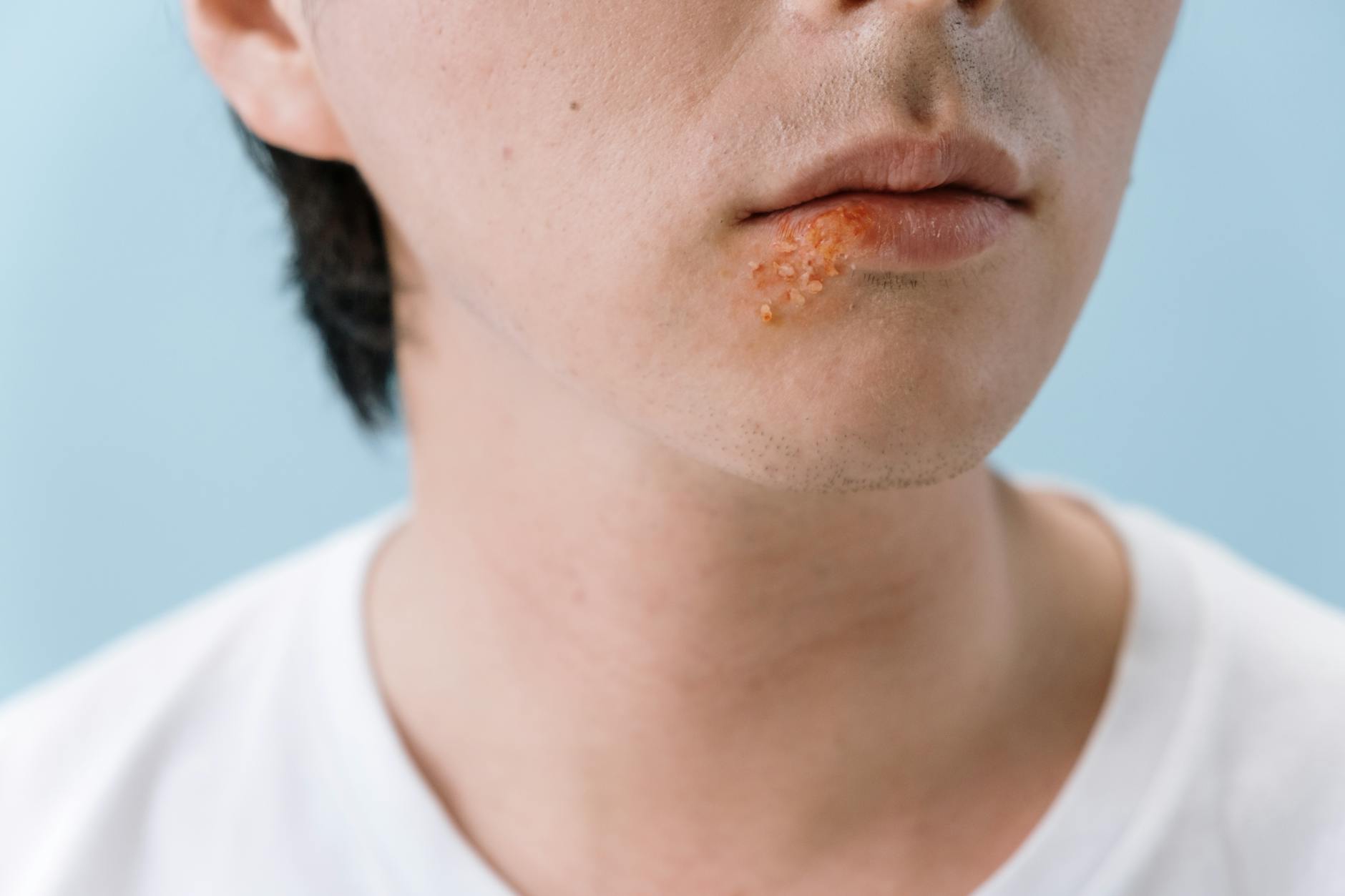
Warmth that spreads beyond a swollen elbow or knee changes the urgency. Septic it develops after bacteria enter the sac, sometimes through a scrape, puncture, or cracked skin. You may initially mistake it for a pressure-related flare because both can cause swelling and tenderness.
Arthritis, Tendinitis, Gout, and Joint Infection Can Look Similar
| Condition | Main tissue involved | Clue that may stand out |
|---|---|---|
| it | Fluid sac near a joint | Focal tenderness or surface swelling over a pressure point |
| Arthritis | Joint surfaces or joint lining | Deeper stiffness and pain across joint movement |
| Tendinitis | Tendon | Pain with resisted muscle use or tendon loading |
| Gout | Crystal-driven inflammation | Sudden severe pain, swelling, and marked sensitivity |
| Joint infection | Joint space | Severe pain with movement and feeling ill |
Clinicians use the symptom timeline, examination findings, and swelling location to narrow the cause. X-rays can show bone changes or fracture after trauma, ultrasound can show fluid near soft tissue, and MRI may help with persistent or unclear pain. That approach aligns with MedlinePlus guidance from the National Library of Medicine, which lists examination and fluid sampling for joint-area swelling.
Aspiration Can Check for Bacteria and Crystals
Aspiration uses a needle to remove fluid from a markedly swollen sac. Laboratory testing can check for bacteria and crystals, while removing fluid may reduce pressure in selected cases. You may need this test when infection or gout remains a concern after examination.
Septic it signs include fever, chills, drainage, severe warmth, spreading redness, fast-growing swelling, and feeling unwell. Seek same-day assessment for any of these changes, inability to bear weight, or major loss of joint movement. Mayo Clinic and Johns Hopkins Medicine describe aspiration as part of evaluation where infection or crystal disease is suspected.
Once infection and serious injury appear less likely, a short period of protection can calm irritated tissue. The goal is lowering pressure without making the joint stiff.
When urgent causes have been ruled out, simple protective measures can reduce irritation while preserving comfortable movement.
A Structured 48-Hour Plan Can Calm Mild Flares
Stopping the painful trigger is the first practical move. Complete stillness can stiffen nearby muscles, so gentle motion within comfort is usually better than holding the area rigid. Your first 48 hours should focus on reducing repeated irritation rather than testing whether the pain has disappeared.
- Pause the trigger: Stop kneeling, overhead lifting, long runs, or leaning that causes pain during the activity.
- Shield the area: Use knee pads, elbow padding, a cushion, or looser footwear to reduce direct contact pressure.
- Use cold therapy: Apply wrapped ice for short intervals with fabric between the cold source and your skin.
- Move gently: Bend, straighten, or rotate through a comfortable range several times during the day.
- Change the setup: Raise a work surface, split heavy loads, take lifting breaks, or avoid painful overhead positions.
Pain Medicine Requires Personal Safety Checks
Acetaminophen may reduce pain for some adults. NSAIDs, including ibuprofen and naproxen, may reduce pain and inflammation, but they are not appropriate for every health situation. You should ask a clinician or pharmacist before using them if you have ulcers, kidney disease, heart disease, blood-thinner use, or certain pregnancy-related concerns.
Medical review is sensible for severe, recurring, worsening, or persistent symptoms despite activity changes. That visit can clarify whether it treatment should include testing, prescription medicine, aspiration, or rehabilitation.
Early improvement is encouraging, but lasting relief depends on addressing the trigger and pacing the return to usual demands.
Recovery Depends on Cause and Return-to-Activity Choices
Improvement from an uncomplicated, noninfectious flare may begin within several days and continue over a few weeks. How long it lasts depends on the original trigger, the amount of ongoing pressure, and whether tendon injury, gout, arthritis, or infection is present. Your work demands can extend recovery when the same motion cannot be avoided.
Persistent Symptoms May Need Clinician-Led Care
Physical therapy can address strength, mobility, posture, and movement patterns that keep loading the same tissue. Aspiration may help with a large fluid pocket, while gout or inflammatory arthritis needs treatment directed at the underlying condition. Corticosteroid injections may be considered for selected persistent cases after infection has been excluded.
Gradual activity changes and targeted rehabilitation can reduce repeated overload better than resting indefinitely. The American Academy of Orthopaedic Surgeons supports rehabilitation and activity modification for overuse-related joint-area pain. Your clinician can tailor the plan to your job, sport, health history, and examination findings.
Function Sets the Pace for a Safe Return
Resume demanding work or sport in stages after daily tasks feel manageable, movement is close to normal, and the triggering task does not create a meaningful pain rise during or later that day. Start with shorter exposure, fewer repetitions, lighter loads, or flatter walking routes. A pain spike the following morning usually means the prior session exceeded your current tolerance.
- Warm up gradually: Use easy movement before overhead work, running, lifting, or repeated kneeling.
- Spread the load: Divide long chores into shorter blocks instead of one extended pressure session.
- Protect contact points: Keep pads available where knees or elbows meet hard surfaces.
- Adjust equipment: Change footwear, tool grip, desk height, or load position that presses on sore tissue.
- Respond early: Reduce the provoking activity when focal soreness returns instead of pushing through it.
Those adjustments matter most during it recovery because the same contact point can become irritated again before it fully settles. A gradual return protects your ability to work, sleep, exercise, and move comfortably.
That measured approach lowers the chance of recurrence and supports a safer, more durable recovery.
Bottom Line
Localized pain and swelling near a joint can come from an inflamed bursa, but infection, gout, tendon injury, and arthritis can look similar at first. You can protect the area, maintain comfortable movement, and reduce the trigger while watching for red flags. Fever, drainage, spreading redness, severe warmth, rapid swelling, or declining function needs prompt medical assessment.
FAQ
What is bursitis, and what does a bursa do?
it is inflammation of a small fluid-filled sac called a bursa. A bursa reduces friction where skin, muscle, tendon, or bone moves near a joint. You may develop pain or swelling when repeated pressure, friction, injury, infection, or inflammatory disease irritates that sac.
What are the first signs of bursitis?
Early signs include focal aching, tenderness with touch, pain during a repeated movement, and stiffness near a joint. You may also see a soft swelling over the elbow or kneecap. Warmth can occur, but fever, drainage, or redness spreading across the skin needs same-day medical assessment.
What are the most common symptoms of bursitis?
Common it symptoms include pinpoint tenderness, aching, pain with pressure or movement, local warmth, stiffness, and reduced range of motion. A superficial sac can form a soft lump near the elbow or kneecap. Your pain may be deeper without visible swelling around the shoulder or hip.
What causes bursitis and who is most at risk?
it causes include repeated kneeling, elbow pressure, overhead work, training spikes, tight footwear, and direct trauma. Risk can rise with gout, rheumatoid arthritis, diabetes, broken skin near a superficial sac, and tasks that repeat the same pressure. You may also be vulnerable after a sudden increase in running, lifting, or climbing.
How can you tell bursitis apart from arthritis, tendinitis, or an injury?
it usually causes focal tenderness beside a joint or a visible swelling over a pressure point. Arthritis more often causes deeper joint stiffness, while tendinitis commonly hurts with resisted muscle use. Your clinician may use examination, X-rays, ultrasound, MRI, or aspiration when the cause remains unclear.
Which types of bursitis affect the shoulder, hip, knee, and elbow?
Shoulder it affects tissue beneath the acromion, while trochanteric it affects the outer hip area. Prepatellar it occurs in front of the kneecap, and olecranon it affects the elbow tip. You may notice different triggers at each site, such as overhead reaching, side-sleeping, kneeling, or leaning on an elbow.
