

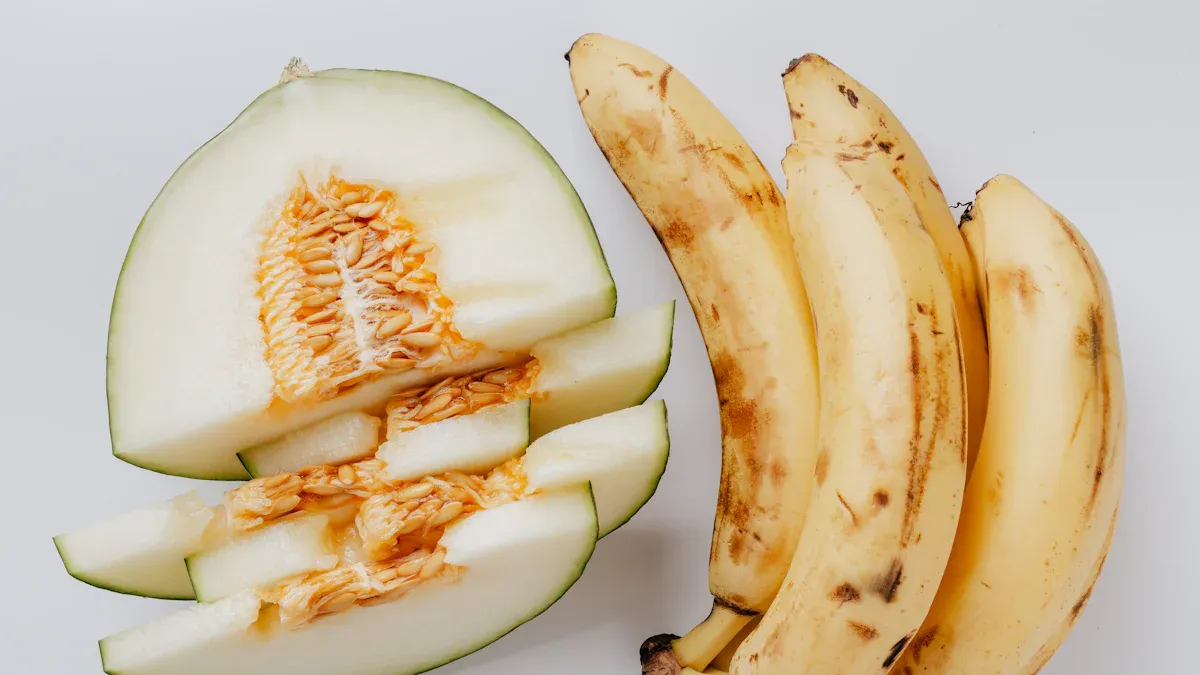
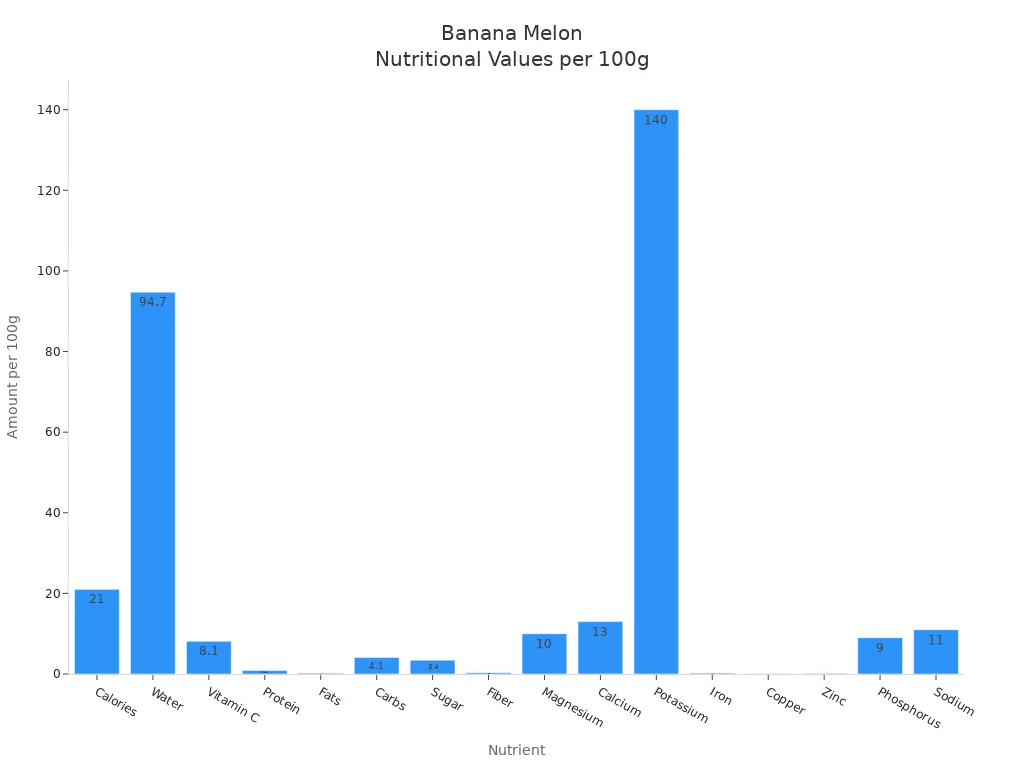
You discover banana melon as a fruit that looks like a melon but smells and tastes like banana. This melon gives you a sweet aroma and a unique flavor. You enjoy a snack that supports your health because banana melon contains very few calories and a lot of water. The Nutrition Facts show that 100g provides only 21 calories, 94.7g water, and important vitamins like vitamin C.
Nutrient | Value per 100g |
|---|---|
Calories | 21kcal |
Water | 94.7g |
Vitamin C | 8.1mg |
Protein | 0.84g |
Fats | 0.2g |
Carbs | 4.1g |
Sugar | 3.4g |
Fiber | 0.3g |
Magnesium | 10mg |
Calcium | 13mg |
Potassium | 140mg |
Iron | 0.21mg |
Copper | 0.04mg |
Zinc | 0.14mg |
Phosphorus | 9mg |
Sodium | 11mg |
Key Takeaways
Banana melon is a low-calorie fruit with only 21 calories per 100g, making it a great snack for weight management.
With over 94% water content, banana melon helps keep you hydrated, especially on hot days or after exercise.
Rich in vitamin C, banana melon boosts your immune system and helps your body fight infections.
The fruit’s low glycemic load makes it suitable for people with diabetes, supporting blood sugar management.
Banana melon is versatile in the kitchen; enjoy it in smoothies, salads, or desserts for a nutritious boost.
What Is Banana Melon?
Banana Melon Overview
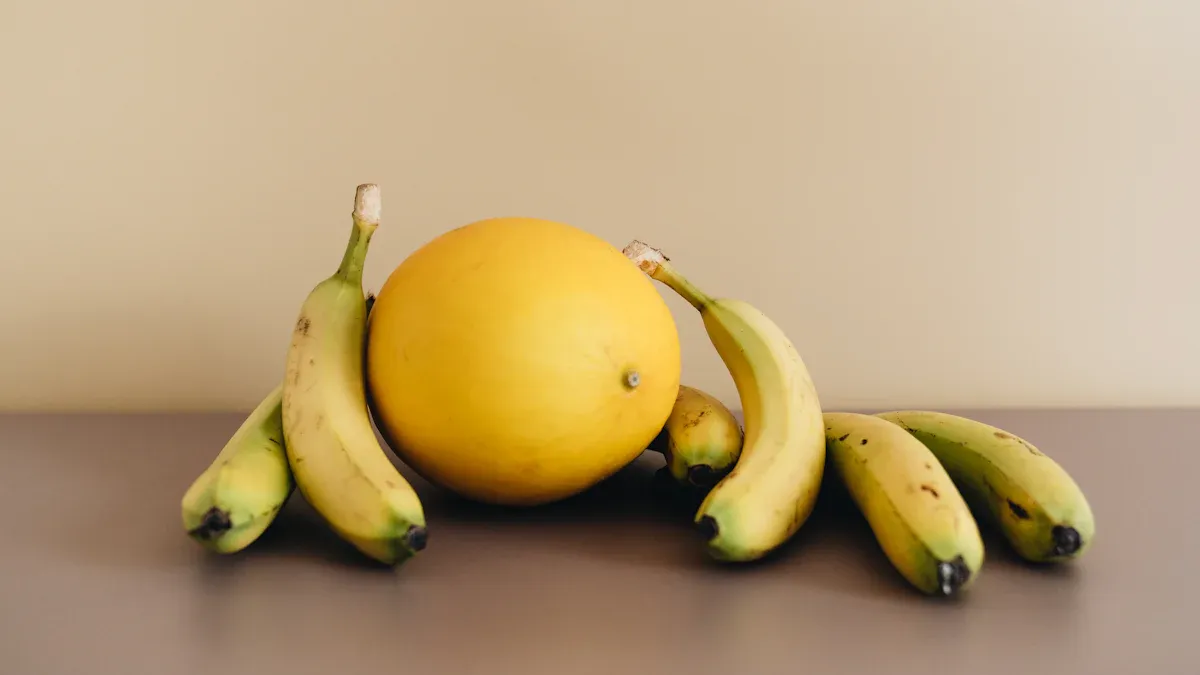
You find banana melon as a unique fruit that stands out among melons. This melon first appeared in the United States around 1880. Farmers grew it as an heirloom variety, and it quickly became popular at agricultural fairs. People noticed its unusual shape and sweet aroma. James J. H. Gregory, a well-known seedsman, highlighted its appeal during the late 19th century. You see banana melon as a fruit with a rich history and a reputation for attracting attention.
Appearance & Taste
You recognize banana melon by its long, smooth yellow skin. The shape looks like a banana, with tapered ends and a curved body. Most banana melons weigh between 5 and 7 pounds. When you cut it open, you see pale orange flesh inside. The color reminds you of cantaloupe, but the texture feels softer and juicier.
The flavor of banana melon surprises you. You taste a sweet and juicy flesh with a hint of banana. The aftertaste is mild and spicy, which makes it different from other melons. You notice that the aroma is pleasant and fruity. If you compare banana melon to other varieties, you see clear differences:
Melon Type | Physical Characteristics | Flavor Profile |
|---|---|---|
Banana Melon | Resembles a banana on the outside; peachy inner flesh similar to cantaloupe | Spicy and sweet with hints of banana aftertaste |
Canary Melon | Bright yellow skin; sweet and tangy flavor | Sweet and tangy |
Crane Melon | Smooth skin; sweet flavor | Sweet |
Tip: You can identify banana melon at the market by its banana-like shape and yellow skin. The sweet aroma often helps you pick a ripe one.
You discover that banana melon offers a special taste and look. Its banana-like features and juicy flesh make it a favorite for those who want something different from regular melons.
Banana Melon Nutrition Facts
Calories & Macronutrients
You learn that banana melon stands out for its low-calorie and low-carb nutrition profile. When you eat 100 grams of banana melon, you get only 21 calories. This makes it a smart choice if you want to manage your weight or enjoy a light snack. The nutrition facts show that banana melon contains very little fat and sugar. You also get a small amount of protein and fiber, which help you feel full.
Here is a table showing the main macronutrients in banana melon per 100g:
Nutrient | Value |
|---|---|
Calories | 21kcal |
Protein | 0.84g |
Fats | 0.2g |
Carbs | 4.1g |
Fiber | 0.3g |
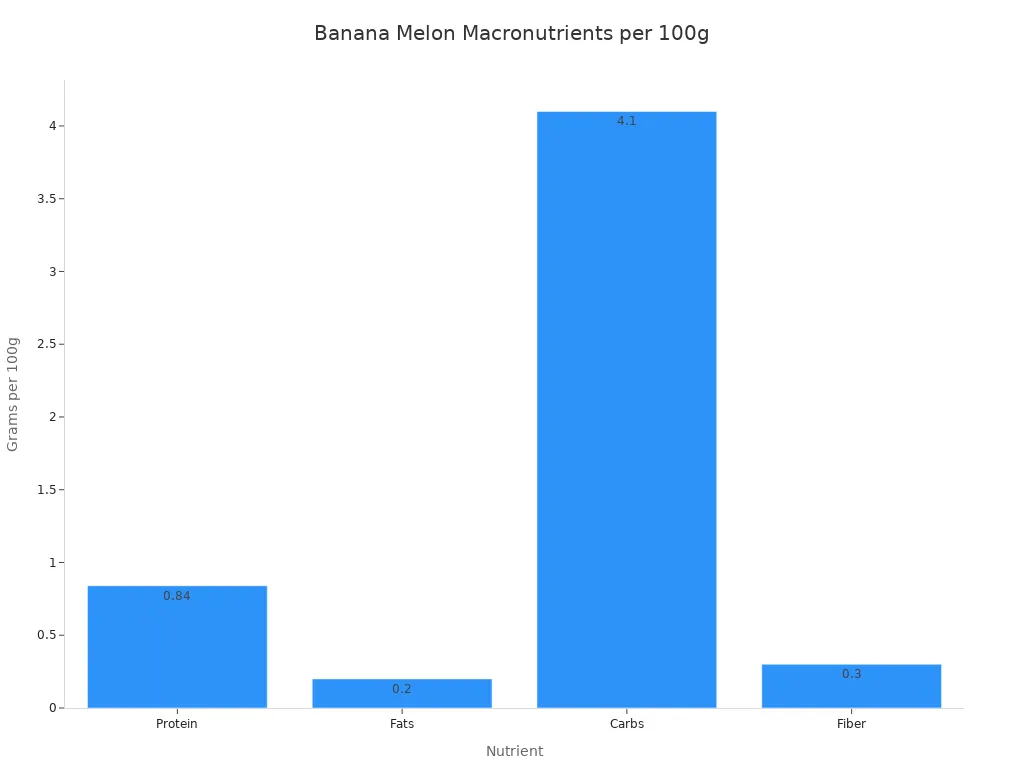
Tip: You can add banana melon to your diet if you want a fruit with fewer carbs than a banana. A banana has about 27 grams of carbs and 105 calories, while banana melon has only 4.1 grams of carbs and 21 calories per 100g.
You see that banana melon fits many nutrition plans. You can eat it if you follow a low-carb, low-calorie, or weight management diet. The nutrition facts make banana melon a healthy snack for many people.
Vitamins & Minerals
You get important vitamins and minerals when you eat banana melon. The nutrition facts show that banana melon contains vitamin C, B vitamins, and minerals like potassium and magnesium. Vitamin C helps your body fight illness and keeps your skin healthy. Folate supports cell growth and helps your body make new cells. Potassium helps your muscles work and keeps your heart healthy.
Here is a table showing the vitamins in banana melon per 100g:
Vitamin | Quantity per 100g | Recommended Daily Value | Percentage of Daily Value |
|---|---|---|---|
Vitamin B1 | 0.02mg | 1mg | 1.7% |
Vitamin B2 | 0.02mg | 1mg | 1.4% |
Vitamin B3 | 0.46mg | 16mg | 2.9% |
Vitamin B5 | 0.07mg | 5mg | 1.4% |
Vitamin B6 | 0.05mg | 1mg | 3.8% |
Folate | 20µg | 400µg | 5% |
Vitamin B12 | 0µg | 2µg | 0% |
Vitamin K | 4.9µg | 120µg | 4.1% |
Vitamin A | 0µg | 900µg | 0% |
Vitamin E | 0mg | 15mg | 0% |
Vitamin D | 0µg | 20µg | 0% |
Vitamin C | 24mg | 90mg | 27% |
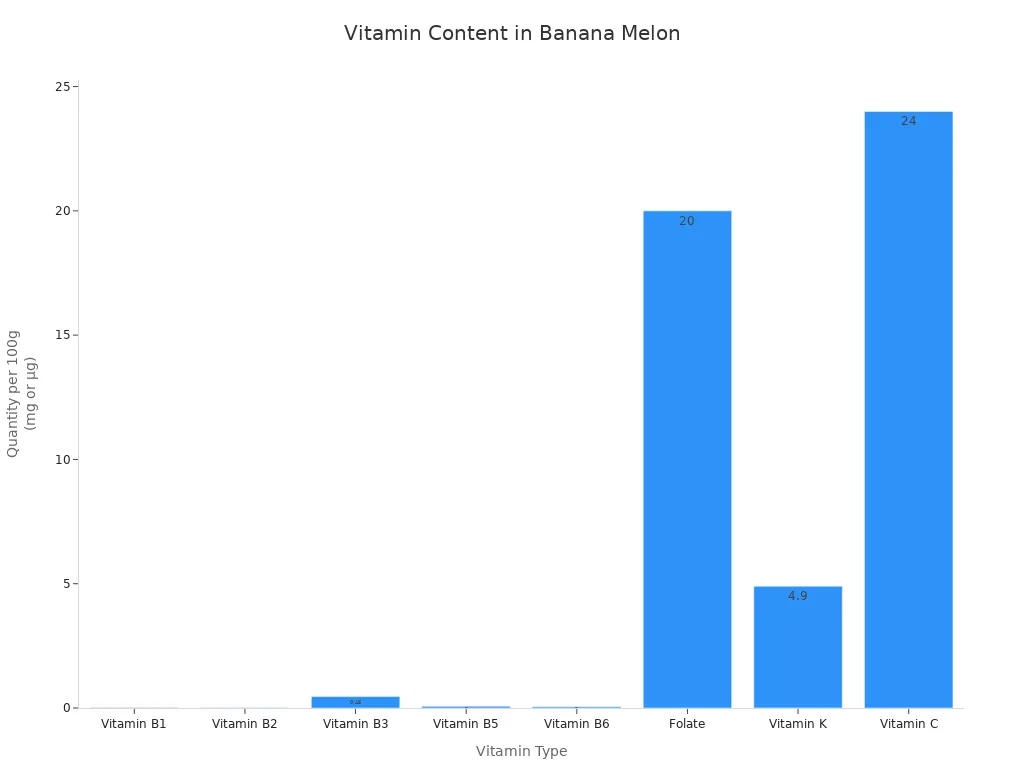
You also get minerals that support your health. The nutrition facts show that banana melon contains potassium, magnesium, and copper. These minerals help your body work well every day.
Mineral | Concentration (per 100g) | % Daily Value |
|---|---|---|
Calcium | 5.00 mg | 0% |
Iron | 0.26 mg | 1% |
Magnesium | 27.00 mg | 6% |
Phosphorus | 22.00 mg | 2% |
Potassium | 358.00 mg | 8% |
Sodium | 1.00 mg | 0% |
Zinc | 0.15 mg | 1% |
Copper | 0.08 mg | 9% |
Manganese | 0.27 mg | 12% |
Selenium | 1.00 mcg | 2% |
Fluoride | 2.20 mg | – |
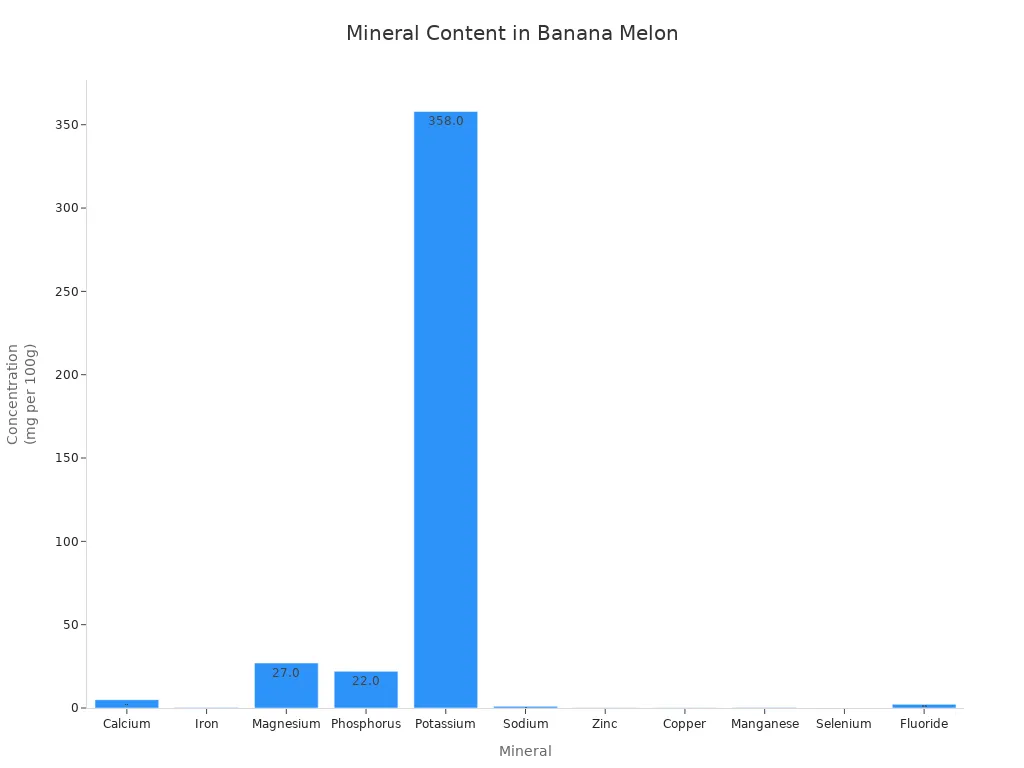
Note: You get 27% of your daily vitamin C from just 100g of banana melon. This makes banana melon a strong source of vitamin C for your nutrition.
Water Content
You notice that banana melon contains a very high amount of water. The nutrition facts show that 100g of banana melon has about 94.7g of water. This means banana melon is over 94% water. You stay hydrated when you eat banana melon, especially on hot days or after exercise.
Here is a table comparing water content in banana melon and other fruits:
Fruit | Water Content (%) |
|---|---|
Banana Melon | 94.7% |
Watermelon | 92% |
Banana | 75% |
Callout: You can choose banana melon if you want a fruit that helps you stay hydrated. The high water content makes banana melon a refreshing snack.
You see that banana melon offers a unique mix of nutrition facts. You get low calories, important vitamins like vitamin C, and minerals that support your health. The high water content helps you stay hydrated. You can add banana melon to your diet for a light, nutritious, and refreshing choice.
Health Benefits of Banana Melon
Hydration & Digestion
You experience strong hydration when you eat banana melon. The fruit contains over 94% water, which helps you stay refreshed and supports your body’s fluid balance. This high water content makes banana melon a healthy snack, especially during hot weather or after exercise. You also benefit from the fiber content in banana melon. The fiber helps regulate your digestion and keeps your bowel movements regular.
You find that banana melon offers dietary fibers that support gut health. Bananas contain fructooligosaccharides and resistant starch. These compounds help beneficial gut bacteria like Bifidobacteria grow. They also support overall digestive health and help you maintain a healthy gut environment. You notice that these nutritious benefits make banana melon a nutritious fruit choice for your daily diet.
Tip: You can choose banana melon for its hydrating effect and digestive support. The combination of water and fiber content helps you feel full and promotes regularity.
Immune Health
You get important antioxidants when you eat banana melon. Vitamin C acts as a powerful antioxidant and supports your immune system. You find that vitamin C helps your body fight infections and keeps your skin healthy. It maintains the function of epithelial cells, which form your body’s first line of defense. Vitamin C also enhances the activity of phagocytes, which engulf and destroy harmful pathogens.
You see that banana melon contains folate, which plays a key role in immune health. Folate helps your body produce antibodies and supports the synthesis of immune cell DNA and protein. The table below shows how banana and its nutrients contribute to immune health:
Food Sources | Nutrient Role in Immune Health |
|---|---|
Banana | Produces antibodies + synthesis of immune cell DNA and protein |
You benefit from the antioxidants in banana melon, including vitamin C, potassium, and zinc. These nutrients help protect your cells from damage and support your body’s defense against illness. You notice that a deficiency in vitamin C can weaken your immunity and increase your risk of infections. Eating banana melon helps you maintain healthy immune function and supports your overall health impacts.
Note: You can boost your immune system by adding banana melon to your diet. The antioxidants and folate work together to keep you healthy and strong.
Banana Melon and Diabetes
You discover that banana melon is suitable for people with diabetes. The fruit has a low calorie and low carb profile, which helps you manage your blood sugar levels. Melons, including musk melon, have a glycemic index of 65. The glycemic load for a typical serving is only 3.14, which means banana melon has a low impact on your blood sugar.
You benefit from the anti-diabetic effects of banana melon. The fruit contains antioxidants like vitamin C, beta carotene, potassium, and lycopene. These nutrients help protect your cells and support cardiovascular health. You find that banana melon fits well into a healthy diet for diabetes management. The low glycemic load and rich nutrient profile make it a smart choice for people who want to control their blood sugar and support cardiovascular health impacts.
You notice that banana melon offers nutritious benefits for your heart and blood vessels. The potassium and magnesium in banana melon help regulate blood pressure and support cardiovascular health. You can enjoy banana melon as part of a healthy eating plan that supports diabetes and overall health impacts.
Callout: You can include banana melon in your diet if you have diabetes. The low glycemic load and high antioxidants make it a safe and healthy option for blood sugar control and cardiovascular health.
Culinary Uses
How to Prepare Banana Melon
You find banana melon easy to prepare for many culinary purposes. When you select this fruit, look for a firm body with a sweet aroma. Let the melon ripen on your counter before you store it in the fridge. This helps the flavor develop fully. After ripening, keep the melon in the refrigerator to maintain freshness. If you want to slow down ripening, wrap the stems in plastic wrap. The skin may turn brown, but the inside stays fresh for several days.
Tips for storing banana melon:
Ripen the melon on the counter first.
Move it to the fridge after ripening.
Wrap stems in plastic to slow ripening.
To prepare banana melon, wash the skin well. Cut the melon lengthwise and scoop out the seeds. Slice the flesh into cubes or wedges. You can eat it fresh or add it to recipes. The soft texture makes it perfect for blending or mixing with other fruits.
Tip: Slice bananas just before serving to keep them from becoming mushy. This works well when you combine banana melon with other fruits.
Smoothies, Salads, and Desserts
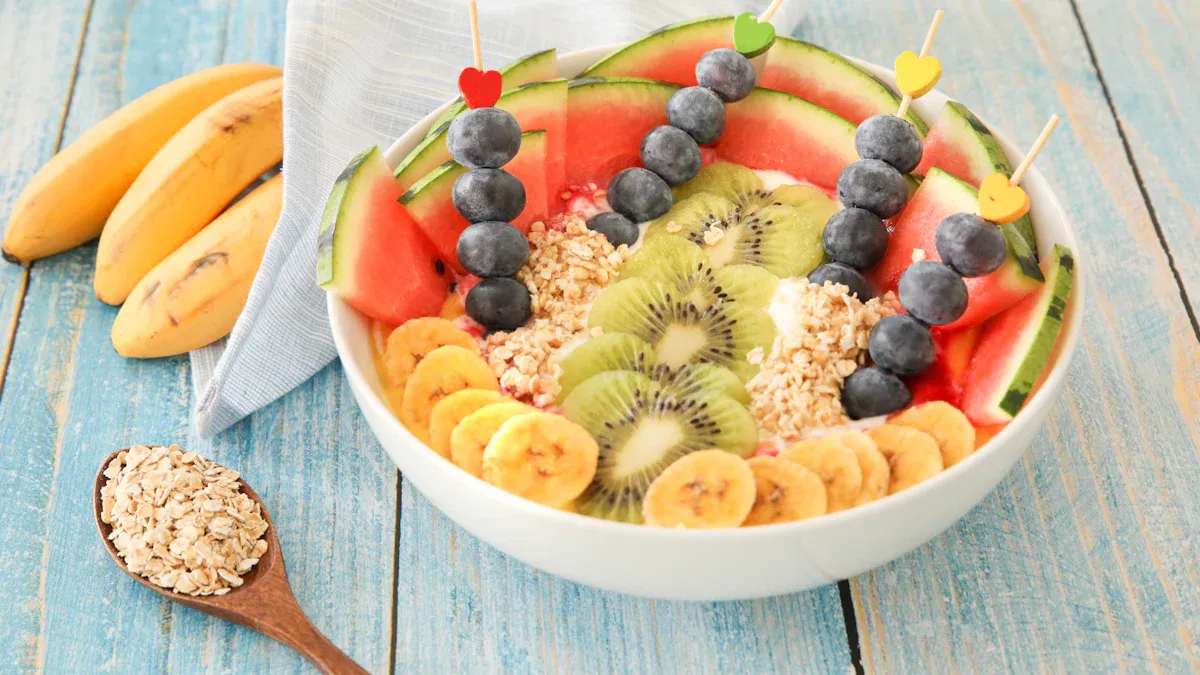
You discover many ways to use cantaloupe and banana melon in the culinary world and usage. Smoothies offer a refreshing option. You can blend banana melon with watermelon, cantaloupe, and coconut water for a hydrating drink. Try adding lemon juice, ginger, and mint leaves for extra flavor.
Ingredient | Quantity |
|---|---|
Bananas | 1 |
Lemon Juice | 1 tsp |
Cantaloupe Melon | 220 g |
Watermelon | 260 g |
Coconut Water | 180 mL |
Ground Flaxseeds | 2 tbsp |
Ginger | 1/4 tsp |
Mint Leaves | 2 |
Vanilla Extract | 1/4 tsp |
Bee Pollen | 1/4 tsp |
Eating cantaloupe and banana melon in salads brings color and nutrition to your plate. Combine watermelon, cantaloupe, honeydew, and banana melon for a sweet and juicy salad. Add finely chopped jalapeno for a mild kick or a dollop of creamy mayonnaise for richness. You can also enjoy banana melon in desserts. Try mixing it with frozen banana, non-dairy milk, and vanilla extract for a creamy treat.
Ingredient | Quantity |
|---|---|
Unsweetened Non-Dairy Milk | 1 cup |
Frozen Banana | 1/2 |
Ripe Chopped Cantaloupe | 1/2 cup |
Protein Powder (optional) | 1 scoop |
Pure Vanilla Extract | 1 tsp |
Ice Cubes | 3 |
You gain nutritional advantages by using banana melon in healthy snacks. The fruit provides protein, fiber, and natural sugars. Watermelon and cantaloupe add hydration and vitamins. Bananas supply potassium, which helps you recover after activity. These fruits keep you full and satisfied for hours.
Callout: You can enjoy banana melon in smoothies, salads, and desserts. The fruit fits many culinary uses and brings flavor and nutrition to your meals.
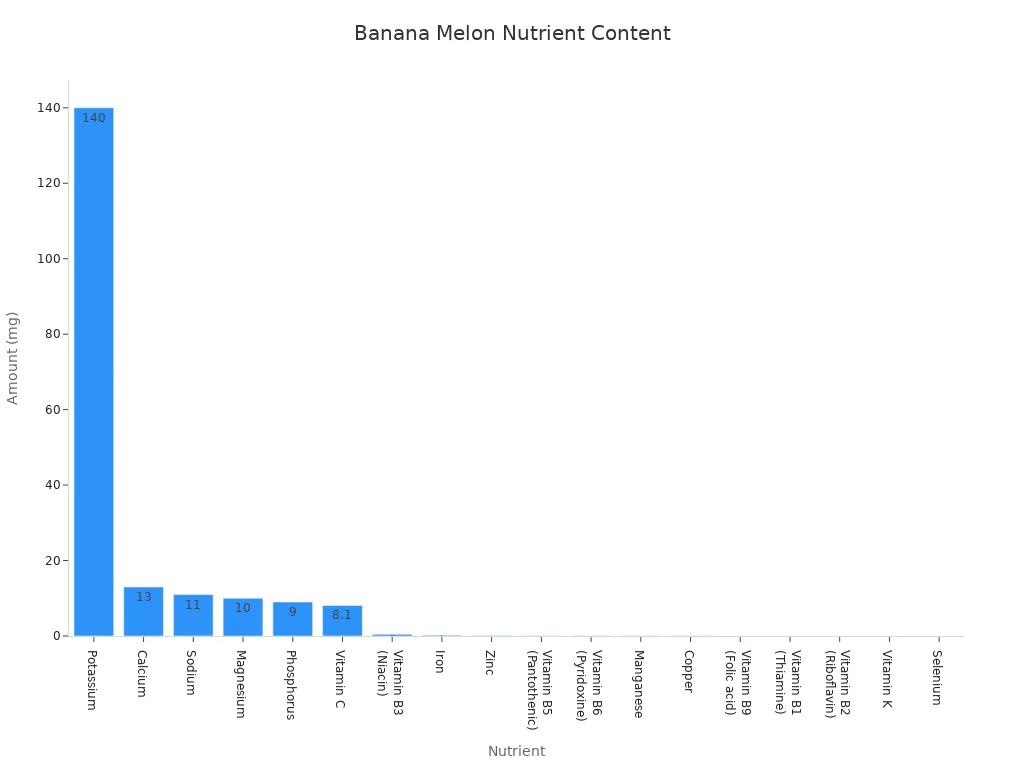
You discover banana melon as a fruit with low calories, high water content, and a rich supply of potassium. The table below shows the nutrition facts that make this melon a smart choice:
Nutrient | Amount |
|---|---|
Calories | 21 |
Potassium | 140mg |
Vitamin C | 8.1mg |
Folate | 20µg |
Protein | 0.84g |
You benefit from potassium, which supports hydration, muscle function, and heart health. Eating banana melon helps you stay refreshed and manage your weight. You enjoy its sweet flavor in smoothies, salads, and desserts. The chart below highlights the potassium content compared to other nutrients:
Note: If you have allergies to banana or other melons, use caution when trying new fruits.
FAQ
What is the best way to store banana melon?
You should keep banana melon at room temperature until it ripens. After ripening, move it to your refrigerator. This helps the fruit stay fresh and juicy for several days.
What does banana melon taste like?
You taste a sweet and juicy flavor with a hint of banana. The flesh feels soft and smooth. Many people enjoy its unique aroma and mild spicy aftertaste.
What recipes can you make with banana melon?
You can blend banana melon into smoothies, toss it in fruit salads, or use it in desserts. Try mixing it with other melons or adding it to yogurt for a refreshing snack.
What nutrients does banana melon provide?
You get vitamin C, potassium, folate, and magnesium from banana melon. The fruit contains very few calories and a lot of water, making it a healthy choice for hydration.
What makes banana melon different from other melons?
You notice banana melon has a long, yellow shape and a banana-like aroma. Its flavor stands out from other melons because of its sweet taste and unique scent.