

Light brown sugar, maple sugar, and maple syrup can stand in for coconut sugar, though moisture, color, and texture determine the best fit. For most baked goods, use light brown sugar at a 1:1 substitution ratio to keep a similar caramel flavor and brown finish.
You’ll find practical swaps for cookies, cakes, quick breads, sauces, no-bake recipes, and drinks, with weight measures and low-carb options for your kitchen.
Coconut Sugar Adds Color, Dryness, and Caramel Flavor
Before choosing a swap, recognize that coconut sugar is more than a sweetener. It is a granulated sugar made from coconut palm sap, not coconut meat, and its sandy crystals bring a tan-brown color, mild caramel notes, and relatively dry texture to batter.
That dry structure affects baking moisture. Coconut sugar generally darkens dough without adding the sticky molasses moisture found in brown sugar, so a replacement can change cookie spread, cake crumb, and sauce thickness. Those traits explain why the closest option differs from one recipe to the next.
Coconut Palm Sap Creates Dry Brown Crystals
Producers heat collected coconut palm sap until much of its water evaporates, then cool and granulate the concentrated syrup. The finished crystals have a toasted flavor and less sticky moisture than light brown sugar or dark brown sugar.
Your crisp cookies and tight-crumb cakes may rely on that dryness. Palm sugar can work in the same role when its crystals are fine and dry, but package labels matter because some products contain cane sugar or arrive as hard blocks that need grating before measuring.
Health Claims Need Label and Medical Context
Coconut sugar remains a caloric added sugar, even though it comes from palm sap rather than refined cane sugar. Blood glucose response depends on the full meal, portion size, medication, and individual metabolism rather than a single glycemic index number.
Individual allergy and dietary needs deserve the same care. Coconut sugar does not come from coconut flesh, yet your clinician’s guidance and the ingredient label should take priority over general claims. With that context in place, the practical baking comparison starts with brown sugar.
Because it behaves much like the original in most batters, brown sugar offers the most practical first comparison.
Brown Sugar Delivers the Closest Pantry Result
Because coconut sugar already has brown color and caramel depth, light brown sugar causes the least disruption in most recipes. Use 1 cup light brown sugar for 1 cup coconut sugar in cookies, muffins, cakes, brownies, and crumb toppings.
A scale gives you a more reliable result than cup measures alone. Plan on roughly 200 grams of coconut sugar per cup, but note that packed brown sugar can weigh more densely than loose coconut sugar crystals. The extra moisture in brown sugar is the main trade-off to manage.
Light Brown Sugar Fits Most Batters
Light brown sugar contains molasses, which gives your baked goods a soft caramel edge without overpowering vanilla, chocolate, or cinnamon. In chocolate chip cookie dough, the swap keeps familiar chew while producing a darker surface than granulated white sugar.
Brown sugar holds more moisture than coconut sugar. For thin cookie dough, chill shaped portions for 20 to 30 minutes before baking so the cookies spread less.
That brief chill helps firm butter before the dough hits the oven. You can use this coconut sugar substitute for cookies at a 1:1 substitution ratio, then adjust only after seeing the first tray.
Dark Brown Sugar Builds a Chewier Finish
Dark brown sugar works best in ginger cookies, barbecue-style glazes, spice cakes, and fudgy brownies where a stronger molasses note belongs. Its higher moisture level can soften crisp edges and make a delicate butter cake denser.
Brown sugar also contributes acidity that reacts with baking soda and releases carbon dioxide. That reaction can change rise and spread, especially in cookies, though whipped egg-foam cakes may develop a tighter crumb. Those differences make a side-by-side conversion chart more useful than a single universal rule.
A measured comparison reveals where equal-volume swaps preserve texture and where moisture or color begins to drift.
Conversion Ratios Show the Moisture and Browning Trade-Offs
Since brown sugar changes moisture, compare both volume and behavior before making a swap. Treat 1 cup coconut sugar as roughly 200 grams for planning, then follow the recipe’s gram amount whenever it is available.
Granule size changes cup measurements. Coarse turbinado sugar leaves more air between crystals, packed brown sugar compresses tightly, and loose maple sugar may measure differently from either one. Your scale removes those small gaps before they become a dry cake or overly sweet sauce.
| Sweetener | Ratio for 1 cup coconut sugar | Sweetness, moisture, browning, and spread | Flavor, texture, and best uses |
|---|---|---|---|
| Light brown sugar | 1 cup, about 200 g | Similar sweetness; adds moisture; deep browning; more spread | Soft caramel flavor; chewier crumb; cookies, muffins, brownies |
| Dark brown sugar | 1 cup, about 200 g | Similar sweetness; wetter; darkest browning; more spread | Strong molasses flavor; chewy texture; spice bakes, sauces |
| Granulated white sugar | 1 cup, about 200 g | Similar sweetness; dry; paler browning; controlled spread | Clean flavor; crisp edges; vanilla cakes, drinks, syrups |
| Maple sugar | 1 cup, about 200 g | Similar sweetness; dry; dark browning; steady spread | Maple flavor; close texture; cakes, cookies, rubs |
| Panela | 1 cup, about 200 g | Similar sweetness; dry; rich browning; moderate spread | Deep cane flavor; rustic crumb; brownies, quick breads |
| Turbinado sugar | 1 cup, about 200 g | Similar sweetness; dry; uneven melting; limited spread control | Light molasses flavor; crunchy crystals; toppings, coarse cookies |
| Date sugar | 1 cup, about 200 g | Less sweet; dry; dark color; limited melting | Fruity flavor; grainy texture; rustic loaves, no-bake bars |
| Maple syrup | 2/3 to 3/4 cup, 210 to 240 g | Sweeter; adds liquid; fast browning; softer spread | Maple flavor; moist crumb; muffins, sauces, glazes |
| Honey | 2/3 to 3/4 cup, 225 to 255 g | Sweeter; adds liquid; fast browning; softer spread | Floral flavor; moist crumb; quick breads, glazes |
| Monk fruit sweetener blend | Follow package ratio; many use 1 cup | Varies by filler; browning and spread vary | Blend-dependent texture; low-carb recipes built for the blend |
| Erythritol blend | Follow package ratio; many use 1 cup | Less browning; dry finish; limited spread | Cooling note; crisp texture; low-carb cookies and cakes |
| Stevia | Package ratio; far below 1 cup | Very sweet; no bulk; little browning or spread | May taste herbal; drinks and tested low-sugar formulas |
A coconut sugar substitute ratio printed on a package takes priority for monk fruit sweetener, erythritol, and stevia blends. Filler ingredients control volume, melting, and browning, while dry sugars preserve the original flour-to-liquid balance more closely. That balance is why dry choices remain the safer starting point for most baking.
That same balance favors granulated alternatives when a recipe depends on predictable spread, lift, or crumb.
Dry Sweeteners Keep Baking Formulas Stable
With the chart in hand, dry substitutes are easiest because they do not add water to your batter. Maple sugar and panela both work at 1 cup for 1 cup, although color can range from honey brown to near mahogany depending on the brand and origin.
Dry swaps protect the planned relationship among flour, eggs, fat, and leavening. That matters in cakes and cookies, where a few tablespoons of unexpected liquid can soften a crumb or increase spread. Flavor becomes the next decision.
Maple Sugar and Panela Add Distinct Depth
Maple sugar is dehydrated maple syrup, so it brings a woodsy sweetness that stands out in oatmeal cookies and butter-based cakes. Panela is unrefined cane sugar with a deeper cane flavor that pairs naturally with cocoa, banana, ginger, and warm spices.
Your vanilla sponge may taste less neutral with either choice. In a brown butter blondie, maple sugar adds a maple note, while panela pushes the flavor toward dark toffee. Match the sweetener to flavors already present rather than treating every brown crystal as interchangeable.
White Sugar, Turbinado, and Date Sugar Serve Narrower Jobs
Granulated white sugar replaces coconut sugar at a 1:1 substitution ratio where a pale color and clean sweetness work better. Cakes rise and set in much the same way, but the final flavor lacks the darker compounds formed during coconut palm sap concentration.
Turbinado sugar has large crystals that can resist full dissolution in fine cake batter. Date sugar is made from dried, ground dates, so it does not melt into a clear syrup; use it for oatmeal bars, banana bread, and energy bites that suit a faint graininess. Liquid sweeteners require more active changes because they bring water into the formula.
Unlike crystals, syrups alter hydration immediately, making careful reductions elsewhere essential before they go into the bowl.
Liquid Sweeteners Require Measured Moisture Adjustments
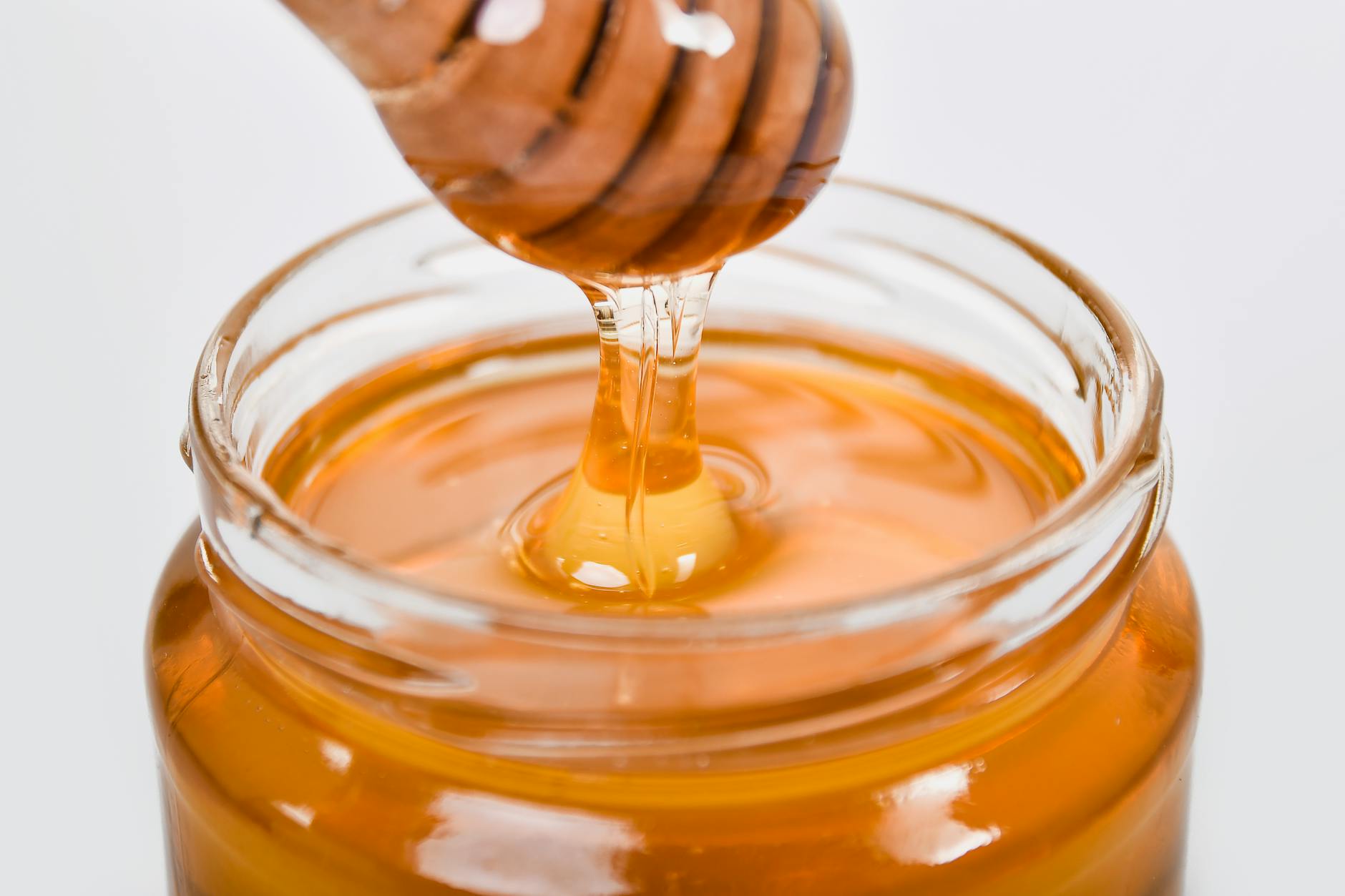
After dry swaps, maple syrup and honey need the most careful handling because their water changes batter structure. Use 2/3 to 3/4 cup maple syrup, honey, or agave for each 1 cup of coconut sugar, then remove 3 to 4 tablespoons of milk, water, juice, or another liquid.
That reduction helps prevent a loose center and heavy crumb. Avoid these swaps in crisp cookies, meringues, hard candy, thin frostings, and recipes that depend on dry sugar crystals. Your forgiving muffins and quick breads can handle them far better.
Lower Heat Controls Fast Browning
Maple syrup and honey contain reducing sugars that brown readily through Maillard reactions with amino acids. Lower the oven temperature by about 25 degrees Fahrenheit for recipes rich in either liquid sweetener, then check color, spring, and crumb rather than time alone.
Honey contains fructose, which browns at lower temperatures than sucrose. A honey-sweetened muffin can look done before the center finishes baking, so tent foil over the pan near the end while the interior sets. That heat difference explains why liquid swaps suit some recipes but not others.
Low-Absorption Recipes Resist Syrup Swaps
- Crisp cookies need dry crystals for spread control and crackly edges, so syrup creates a softer result.
- Meringue-style bakes depend on sugar crystals that stabilize whipped egg proteins, which liquid sweeteners disrupt.
- Dry rubs need granules that cling evenly to food, while syrup makes the mixture sticky.
- Hard candies require controlled water loss and sugar stages, making unplanned liquid swaps unreliable.
- Thin frostings can turn loose because maple syrup, honey, and agave bring water with their sweetness.
Maple syrup and honey fit muffins, banana bread, sauces, and glazes instead. Recipe structure now becomes the deciding factor, especially for cookies, cakes, drinks, and no-bake foods.
Whether a substitute succeeds often depends less on sweetness than on the structure holding everything together.
Recipe Type Determines the Most Reliable Substitute
Because syrup behaves differently, choose a replacement according to the finished texture you want. Chocolate chip cookies and fudgy brownies respond well to light brown sugar, maple sugar, or panela because each keeps a dark shade and rounded caramel flavor.
Brown sugar increases moisture and spread, while maple sugar stays dry and gives a more controlled edge. That contrast matters more than the label claim on a bag of sugar. Cakes need the same dry-to-wet discipline.
Cakes and Quick Breads Need a Stable Moisture Balance
Flour, eggs, and leavening already sit in a planned moisture balance, so dry sweeteners work best in cakes and quick breads. Use granulated white sugar for a pale vanilla cake, light brown sugar for a moist spice cake, or maple sugar for a darker loaf with a mild maple note.
A coconut sugar substitute for cake should not introduce extra liquid unless the formula is already moist and forgiving. For pumpkin bread, use maple syrup or honey only after removing 3 to 4 tablespoons of milk, water, or juice. Angel food cake needs dry granules because the foam depends on steady sugar structure around air bubbles.
Cookies, Sauces, and Drinks Need Different Texture Control
Cookies need a deliberate choice between chew and crispness. Light brown sugar creates a chewier cookie, granulated white sugar gives crisper edges, and maple sugar keeps a dry dough with a distinct flavor. Your first batch provides the clearest evidence of whether chilling or a small ratio adjustment is needed.
Hot coffee and tea accept white sugar, light brown sugar, maple syrup, honey, or agave because they dissolve into warm liquid. Date sugar is better for no-bake bars and rustic baked goods because its fruit particles remain suspended in drinks and glossy sauces. For barbecue sauce, brown sugar adds body, while maple syrup creates a thinner, shinier finish.
Beyond familiar pantry swaps, low-carb options introduce different melting, cooling, and browning behavior.
Low-Carb Sweeteners Need Formula-Specific Expectations
Once recipe texture is clear, low-carb choices require a separate set of rules. Granulated monk fruit sweetener, erythritol, and allulose blends vary because the same front-label claim can hide different base ingredients.
A cup-for-cup monk fruit blend adds some bulk, while pure monk fruit extract and pure stevia are intensely sweet in tiny amounts. Neither concentrated sweetener can replace a full cup of crystals without another ingredient supplying volume and moisture. That missing bulk changes cookies and cakes more than sweetness alone.
Blends Change Melt, Color, and Mouthfeel
Erythritol tends to recrystallize as baked goods cool, leaving a dry or crisp surface and a cooling sensation. Sugar alcohols can also cause digestive discomfort for some individuals, so your portion size and tolerance matter.
Allulose browns rapidly and may leave cookies softer because it behaves differently from sucrose during heating. Monk fruit sweetener blends can include erythritol, allulose, soluble fiber, or another carrier, which is why package directions outrank a blanket 1:1 substitution ratio.
Diabetes Decisions Need Individual Medical Guidance
For sugar replacement for diabetics in baking, a lower-carbohydrate product may fit some eating plans, but medication, serving size, total meal, and personal glucose response call for advice from a qualified clinician.
Neither coconut sugar nor a low-carb sweetener has a universal role in diabetes management. The glycemic index describes blood glucose effects under controlled study conditions, yet mixed meals and individual metabolism can change the response. The American Diabetes Association also emphasizes that carbohydrate intake and blood glucose response vary among individuals.
A healthy coconut sugar substitute is not automatically the best choice for your medical needs. Choose the product that fits your recipe and dietary plan, then use a small test batch before changing a full pan. Those tests make final troubleshooting faster and less wasteful.
Before committing to a full batch, a few targeted checks can expose problems while they are still easy to fix.
Small Checks Prevent Common Texture Problems
After selecting a sweetener, a pale cake, wet batter, or gritty drink usually points to one specific mismatch. Change one variable at a time, because adjusting heat, liquid, and sugar together makes the result hard to interpret.
A single 6-cookie test tray or one muffin can reveal spread, browning, and crumb before you bake the full batch. Your notes should include the sweetener, gram weight, oven temperature, and any liquid removed. Those details turn a failed substitution into a useful formula adjustment.
Targeted Corrections Fix the Most Common Results
- Excess spread calls for chilled dough, a dry sweetener, or slightly less brown sugar in thin cookies.
- Dark crust calls for an oven temperature 25 degrees Fahrenheit lower with honey or maple syrup.
- Dry crumb points toward coarse crystals, overbaking, or a blend that absorbs more moisture.
- Weak caramel flavor responds to light brown sugar or dark brown sugar rather than white sugar.
- Undissolved crystals need finer sugar, more stirring, or gentle heat in drinks and sauces.
- Thin sauce needs less liquid sweetener or more reduction over low heat.
These corrections work because each targets a specific mechanism: water content, crystal size, heat, or sugar composition. The final choice comes down to protecting the texture your recipe needs.
Ultimately, the best swap is the one whose trade-offs match the result you want on the plate.
Bottom Line for Choosing a Coconut Sugar Swap
The strongest replacement matches the role coconut sugar plays in the recipe. Dry brown sweeteners preserve shape and caramel character, syrup sweeteners need less liquid and gentler heat, and concentrated low-sugar extracts need bulk from a formula designed for them.
Use light brown sugar for the closest everyday result, maple sugar or panela for dry specialty flavor, and maple syrup or honey for forgiving quick breads, sauces, and drinks. Your next coconut sugar substitute will work better when you start with texture, then choose the sweetener that supports it.
FAQ
What is the best substitute for coconut sugar in baking?
Light brown sugar is the closest everyday choice for baking because it has a brown color, mild caramel flavor, and similar sweetness. Use 1 cup for 1 cup in most cookies, muffins, brownies, and cakes, while expecting slightly more moisture and softer edges.
Can I substitute brown sugar for coconut sugar at a 1:1 ratio?
A cup-for-cup swap works in most baking, with brown sugar replacing coconut sugar at a 1:1 ratio. Light brown sugar gives your cookies and cakes a similar color and sweetness, but its molasses adds moisture, which can increase cookie spread and soften crisp edges.
Can I replace coconut sugar with regular white sugar?
Granulated white sugar works at a 1:1 ratio in most baked recipes. Your food will look paler and taste cleaner, with less caramel-like depth than coconut sugar. This swap suits vanilla cakes, drinks, syrups, and recipes where dark color is not central.
How do I replace coconut sugar with maple syrup or honey?
For each cup of coconut sugar, use 2/3 to 3/4 cup maple syrup or honey and remove 3 to 4 tablespoons of another liquid. Lower the oven temperature by about 25 degrees Fahrenheit because both liquid sweeteners brown faster than dry sugar.
Which coconut sugar substitute works best in cookies, cakes, and sauces?
Light brown sugar works best in chewy cookies, maple sugar works well in dry cakes and cookies, and granulated white sugar suits pale cakes. For sauces, brown sugar adds body while maple syrup gives you a thinner, shinier texture.
Is date sugar a good substitute for coconut sugar?
Date sugar works in rustic banana bread, oatmeal bars, energy bites, and no-bake mixtures. It does not dissolve into smooth drinks, candy, or glossy caramel sauce because it contains fine particles of dried, ground dates.
