

One tablespoon supplies about 120 calories and may cause digestive upset; a small accidental lick is usually not highly toxic, but it is neither nutritionally necessary nor a reliable home treatment. Your cat can groom oil off within minutes, turning a skin application into an unmeasured oral dose that may upset digestion.
You will find practical guidance here on skin, coat, hairballs, constipation, fleas, weight concerns, and the symptoms that need a veterinarian instead of another home remedy.
Small Amounts May Be Tolerated, but Coconut Oil Is Not a Feline Essential
That low-risk accidental lick does not make the oil a useful daily add-on. A complete cat food already provides the protein, fat, vitamins, and minerals your cat needs for normal body function, while extra oil adds calories without correcting a known nutrient gap.
Complete Cat Food Covers Nutritional Needs
Cats are obligate carnivores, so animal-derived protein and nutrients sit at the center of their nutritional biology. The Association of American Feed Control Officials, or AAFCO, sets nutrient profiles used for complete cat foods, and those profiles do not require coconut oil, medium-chain triglycerides (MCTs), or lauric acid.
Your cat’s body can digest dietary fat, but digestion is not the same as nutritional need. Lauric acid and MCTs receive attention in human wellness marketing, yet their value as routine feline additions has not been established in cats.
Plain Oil and Coconut Products Differ
Ingredient labels matter more than the word coconut on the front of a jar. Avoid oral use or topical skin application without veterinary direction where a product contains fragrance, sweetener, chocolate, alcohol, essential oils, seasoning, or an unfamiliar blend.
Plain, food-grade virgin unrefined coconut oil has fewer added ingredients, but plain does not mean suitable for every cat or every symptom.
- Check added flavors Chocolate, sweeteners, and seasonings create risks that plain oil does not carry.
- Avoid essential oils Concentrated essential oils can be unsafe for cats even in products marketed for skin care.
- Skip scented blends Fragrance adds no feline health benefit and can irritate skin or encourage grooming.
- Read every label A jar labeled coconut may still contain alcohol, preservatives, or other mixed ingredients.
That ingredient check leads to a larger issue: a product can feel soothing on the surface while the source of a skin or coat change continues untreated. The next decision is separating cosmetic claims from care that addresses the cause.
That distinction matters because glossy-coat promises often exceed what coconut oil can reliably deliver.
Popular Claims Outrun Evidence for Skin, Coat, and Internal Health
That distinction matters because a soft-feeling coat is not proof of a solved health concern. Coconut oil for cats’ skin and coat may make a dry paw pad or flaky patch feel less rough for a short time, but it does not explain why the skin changed.
Temporary Moisture Does Not Identify the Cause
Topical application leaves an oily film that can slow water loss from the outer skin surface. Fur may look shinier after oil is rubbed in, but that same film can trap loose hair, stain bedding, and prompt repeated grooming ingestion.
Persistent itchiness needs diagnosis rather than surface shine. Fleas, mites, ringworm, bacterial skin disease, food reactions, environmental allergies, pain, and stress-related overgrooming can each cause scratching, redness, scabs, bald spots, or a dull coat.
Your cat may need a skin exam even when the affected area looks small. A single bald patch near the tail can point toward flea allergy, while ear debris and head shaking can suggest an ear problem instead of simple dryness.
Common Claims Require Different Levels of Evidence
| Claim | What the evidence shows | Recommended action |
|---|---|---|
| Shinier fur | Surface oil can temporarily change how fur reflects light. | Check diet, grooming, and skin causes behind a coat change. |
| Hairball lubricant | No reliable evidence establishes it as a feline hairball treatment. | Use brushing and veterinarian-directed hairball options. |
| Arthritis relief | No reliable feline evidence shows meaningful pain relief. | Arrange an exam for stiffness or reduced jumping. |
| Dental cleaning | Oil does not remove plaque under the gumline. | Seek dental care for bad breath, drooling, or gingivitis. |
| Wound care | Oil can trap debris and increase licking around damaged skin. | Keep wounds available for veterinary assessment. |
A glossy coat cannot separate harmless dryness from disease. That cautious approach aligns with pet-health guidance from PetMD, Farmington Veterinary Hospital, and Green Hills Veterinary Clinic, which place veterinary input ahead of cosmetic home treatments.
Skin claims also overlap with hairball, stool, and parasite claims, where the wrong shortcut can delay useful care. Those concerns need cause-based decisions rather than a richer diet.
More importantly, similar symptoms can stem from problems that dietary fat cannot resolve.
Hairballs, Constipation, and Fleas Require Cause-Based Care
A greasy stool after an oil trial does not prove that a blockage is moving. Coconut oil for cat hairballs and coconut oil for cat constipation are unreliable approaches, and added fat can cause loose stool, nausea, or vomiting instead.
Recurring Hairballs Can Have Several Causes
Hair collects in the stomach during grooming, then mixes with food and fluid before moving through the intestinal tract. Shedding cycles, long fur, overgrooming, low water intake, slow gut movement, and gastrointestinal disease can each affect whether hair reaches the stool or comes back up.
- Brush loose fur Remove shed hair before your cat swallows it during grooming.
- Refresh water stations Place clean water in more than one quiet area to support normal drinking.
- Review food changes Discuss fiber or diet adjustments with a veterinarian when hairballs recur.
- Ask about hairball products Use veterinarian-directed products rather than kitchen oils as lubricants.
- Track vomiting patterns Record dates, food intake, stool output, and hairball appearance for an appointment.
Those notes can separate an occasional hair-filled vomit from repeated vomiting without hair, which suggests a different concern. Your veterinarian can use that pattern to decide whether grooming, diet, intestinal disease, or another factor deserves attention.
Flea Control Requires Feline-Specific Products
An oily coat cannot interrupt a parasite life cycle. Coconut oil does not kill fleas on cats, flea eggs, worms, mites, or other skin parasites, even though oil may briefly slow a flea’s movement through fur.
Effective flea control requires a product matched to species, age, health status, and household exposure. American Animal Hospital Association guidance supports selecting parasite prevention for the individual animal rather than relying on household oils.
Flea dirt, neck scratching, and small crusts deserve closer inspection because they can look like dry skin at first glance. That same careful approach becomes especially important where fat intake can aggravate digestive or weight concerns.
Meanwhile, added fat can create its own complications, particularly for cats already prone to digestive upset or weight gain.
Fat Content Creates the Main Risk for Sensitive and Overweight Cats
The main drawback is concentrated fat, not the coconut itself. Repeated additions can raise your cat’s daily calorie intake with very little volume, which works against measured feeding plans and offers no established nutritional benefit.
Digestive Upset Can Appear Quickly
Vomiting, diarrhea, greasy stools, lip licking, reduced appetite, and abdominal discomfort are familiar signs of fat intolerance. The feline digestive system uses bile and pancreatic enzymes to process fat, and a sudden rich addition can overwhelm a sensitive gut.
Stop the oil after vomiting, repeated loose stool, food refusal, or a clear behavior change, then contact a veterinarian for individualized direction.
Pancreatitis is inflammation of the pancreas, the organ that releases digestive enzymes and hormones involved in blood sugar control. Cats with prior pancreatitis, sensitive digestion, fat intolerance, feline obesity, diabetes mellitus in cats, or a veterinarian-prescribed fat-restricted diet should not receive unplanned oil supplementation.
Weight Changes Can Be Subtle
Small calorie additions can matter because cats eat modest portions. A few unnoticed licks each day can work against your cat’s weight plan, while extra body fat can complicate mobility, grooming, and diabetes management.
Check body shape with a veterinarian instead of relying on a bathroom scale alone. Ribs that are hard to feel and a waist that disappears from above can signal that measured meals, not extra fat, should become the priority.
Digestive tolerance and body condition also explain why online spoon-based serving advice is a poor fit. Any use needs an individualized plan that accounts for grooming and your cat’s medical history.
Because tolerance varies widely, generic serving suggestions cannot replace guidance tailored to your cat’s habits and health.
Veterinary-Directed Use Requires a Conservative, Grooming-Aware Approach
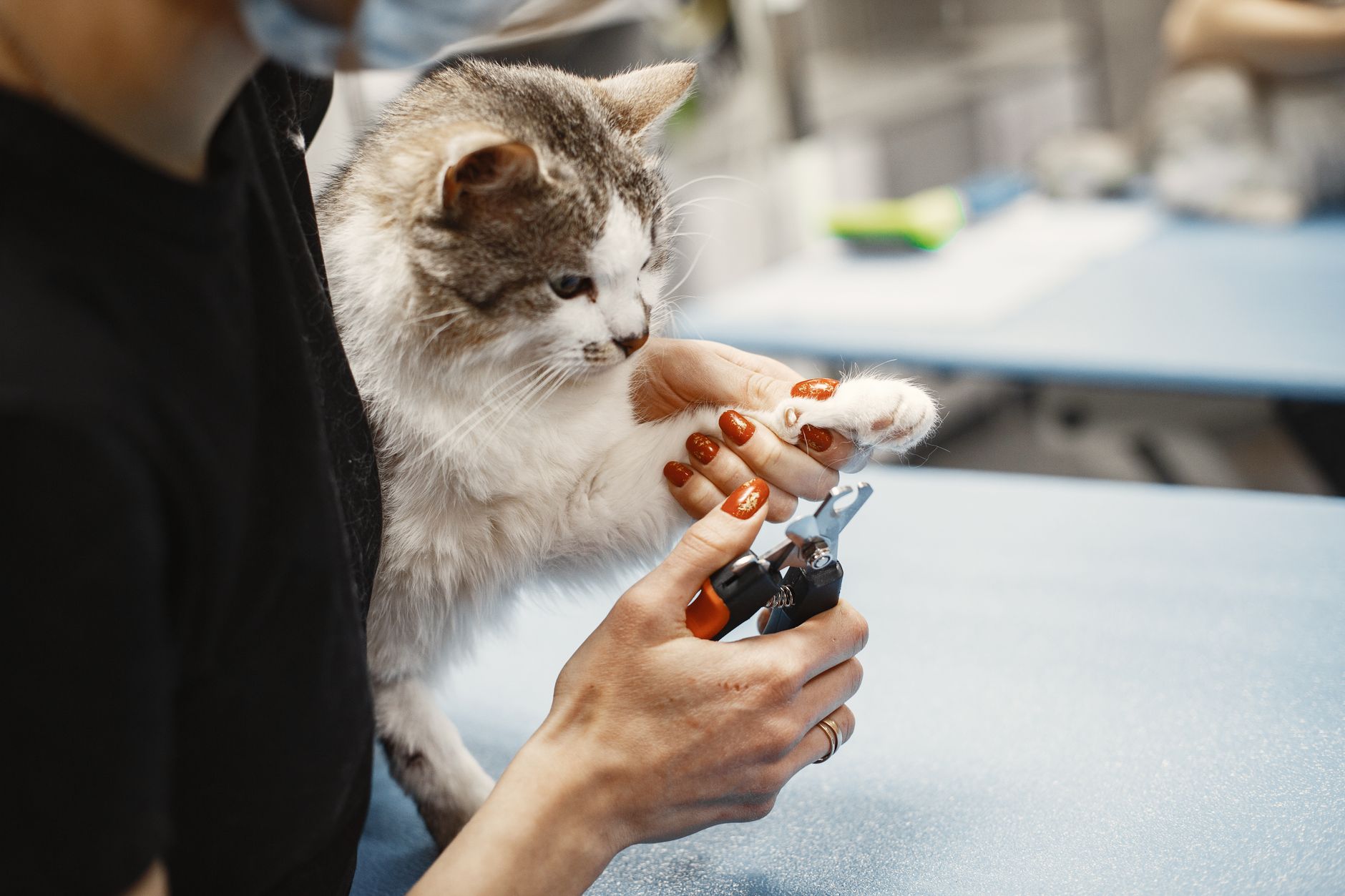
Because body size and health history change the risk, there is no universally established coconut oil dose for cats. Spoon-based serving claims ignore diet, calorie needs, medications, stool patterns, and the fact that two cats can react differently to the same amount.
Oral Trials Require One Change at a Time
Veterinary direction should come before an oral trial intended to address a symptom. Your cat’s current food, body condition, past digestive episodes, medications, and daily stool pattern all affect whether any added fat makes sense.
- Choose plain oil Use only food-grade virgin unrefined coconut oil without flavors, scents, or blended ingredients.
- Start extremely small Follow veterinary direction and use the smallest practical amount rather than a spoon measure.
- Change nothing else Keep new treats and foods out of the routine during the observation period.
- Watch daily habits Track stool texture, appetite, water intake, energy, and vomiting in a dated note.
- Stop at intolerance End the trial at the earliest clear digestive adverse reaction.
Skin Use Becomes Oral Intake Through Grooming
A trace amount on one small patch of intact skin or one rough paw pad is the most cautious topical starting point after veterinary guidance. Keep it away from open wounds, surgical sites, ear canals, eyes, and areas your cat can groom nonstop.
Grooming changes the math within minutes. A generous coat application becomes an unmeasured oral serving after licking, and it can leave fur slick enough to collect loose hair and dust.
Use the smallest amount that can be observed, rather than coating a large area. That restraint also makes it easier for you to recognize whether redness, itchiness, vomiting, or loose stool follows the application.
Careful monitoring becomes essential when even minor changes may signal irritation, intolerance, or an underlying condition.
Worsening Symptoms Shift Priority to Veterinary Advice
Once symptoms persist, the jar belongs back in the cupboard. Repeated vomiting, diarrhea beyond a brief episode, lethargy, appetite loss, abdominal soreness, new thirst changes, or marked stool changes call for a veterinarian.
Urgent Signs Require Prompt Assessment
Straining without producing stool, a swollen or painful belly, repeated unproductive vomiting, breathing changes, collapse, or suspected ingestion of a flavored coconut product require prompt veterinary attention. Your cat can become dehydrated or increasingly uncomfortable while a home approach delays diagnosis.
- Persistent constipation Seek veterinary care rather than adding oil to a cat that cannot pass stool normally.
- Repeated hairballs Bring a vomiting log to identify grooming, diet, or gut factors.
- Flea signs Arrange feline-specific parasite care for flea dirt, itching, or crusted skin.
- Itchy patches Book an exam for redness, scabs, ear debris, bald areas, or overgrooming.
- Any wound Keep oils off damaged skin until a veterinary professional has assessed it.
Symptoms are clues, not chores to cover with oil. A veterinarian can use your cat’s history, physical examination, stool information, skin samples, parasite checks, or blood work to identify the source of a chronic change.
That diagnostic step prevents a temporary oily coating from masking a problem that needs targeted treatment. It also brings the decision back to the narrow role this kitchen fat can realistically play.
Ultimately, prompt attention to new symptoms helps keep this optional product in proper perspective.
Bottom Line on Coconut Oil Use
A small lick of plain coconut oil is rarely highly toxic, but that limited reassurance should not become a daily routine. Your cat has no established nutritional need for it, while digestive upset, extra calories, greasy fur, and delayed diagnosis remain real trade-offs.
Use veterinary advice for persistent hairballs, constipation, itching, flea signs, wounds, or coat changes because the underlying cause directs safer care. Plain oil may be less complicated than flavored products, but it still cannot replace parasite control, skin diagnosis, or a measured nutrition plan.
FAQ
Can cats have coconut oil safely?
After a small accidental lick, plain coconut oil rarely causes severe poisoning in cats. Your cat may still develop vomiting, diarrhea, greasy stool, or appetite changes, especially after more than a lick or with a sensitive digestive system.
What are the proven versus unproven benefits of coconut oil for cats?
Topical oil can temporarily soften a small patch of intact dry skin and make fur look shinier. Coconut oil has not been proven to treat hairballs, constipation, fleas, arthritis, dental disease, wounds, or the medical causes of itchy skin in cats.
Can coconut oil help with hairballs or constipation in cats?
Veterinary evidence has not established coconut oil as a hairball lubricant or constipation remedy for cats. Brushing, water intake, diet review, and veterinarian-directed hairball or bowel care fit the cause more closely and avoid adding unneeded dietary fat.
How much coconut oil can a cat have?
There is no universally established dose for cats. Your veterinarian should decide whether any amount suits your cat’s weight, food intake, medical history, medications, stool pattern, and risk of pancreatitis or digestive upset.
Is coconut oil safe to put on a cat’s dry skin, paws, or coat?
A trace amount may soften one small area of intact dry skin or a rough paw pad for a short period. Your cat will likely groom it off, so avoid large coat applications, open wounds, surgical sites, eyes, ears, and persistently itchy areas.
What side effects can coconut oil cause in cats?
Vomiting, diarrhea, greasy stool, lip licking, reduced appetite, abdominal discomfort, greasy fur, and extra calorie intake are possible side effects. Stop using the oil and contact a veterinarian if your cat develops repeated loose stool, vomiting, food refusal, or behavior changes.
