

Fresh cilantro leaves, whole coriander seed, and ground coriander each need a replacement matched to the form a recipe calls for. Use parsley and lime for leafy brightness, cumin or fennel for warm spice, and caraway seeds where whole-seed texture matters. Matching the form keeps tacos fresh and curries balanced.
You’ll find measured swaps, cuisine-specific choices, seed conversions, and practical omission advice for home cooks working with fresh herbs, pantry spices, and blended seasonings.
Recipe Wording Identifies the Needed Coriander Form
Before choosing a swap, separate the fresh herb from the dried spice. In the US, cilantro usually means the fresh leaves and tender stems of Coriandrum sativum, while coriander usually means the dried seed or ground spice made from that seed. British, Indian, and Australian recipes may call cilantro “fresh coriander,” which can cause an easy but costly mix-up.
The same plant produces three very different kitchen ingredients. Cilantro leaves contain aromatic aldehydes that can taste green, citrusy, bright, or soapy. Coriander seed contains linalool and related compounds, creating a warm flavor closer to orange peel, toasted nuts, and mild flowers.
The Ingredient List Shows the Ingredient’s Job
Texture gives you the fastest answer. A chopped garnish needs a fresh herb, a rye loaf needs intact seeds, and a curry base needs a powder that disperses through oil and broth. Cilantro is not a coriander seed substitute, even though both come from the same plant.
| Recipe clue | Form needed | What it contributes | Best direction |
|---|---|---|---|
| “Chopped,” “handful,” or “garnish” | Cilantro leaves | Fresh green lift | Use parsley, Thai basil, dill, or mint. |
| “Seeds,” “crushed,” or “toast in a pan” | Whole coriander seeds | Crunch and toasted aroma | Use whole fennel seeds, caraway seeds, or cumin seeds. |
| “Ground,” “powder,” or “teaspoon” in a spice list | Ground coriander | Warm, gentle citrus depth | Choose cumin, fennel, caraway, or a carefully measured blend. |
That form check prevents the most common substitution mistake. Ground spice reaches the entire pot quickly, while whole seeds release flavor in small bursts as you bite them. Your replacement should do the same job, not merely share a similar name.
Once the recipe calls for powder, the next decision is how much warmth the dish can handle. Cumin, fennel, and caraway each bring a different kind of intensity.
Because each substitute carries its own strength, measured restraint keeps a powder-based dish balanced.
Ground Coriander Needs Conservative Spice Swaps
With the form settled, start low because ground spices spread through every bite. Cumin is a reliable substitute for ground coriander, but it tastes darker, earthier, and more musky. Begin with one-half the listed amount, then increase only after the dish cooks for several minutes.
A teaspoon of ground coriander can disappear into onion, oil, tomatoes, lentils, or broth without dominating them. Cumin has a stronger roasted character, especially after blooming in fat. Your curry, chili, or spice rub may need lime juice, lemon juice, or fennel to restore some lost brightness.
Cumin and Fennel Create the Closest Pantry Blend
A half-and-half cumin and fennel blend mimics more of coriander’s shape than cumin alone. Combine equal parts ground cumin and ground fennel, then use the blend in the same total quantity listed for coriander. Fennel adds gentle sweetness while cumin supplies the toasted base note.
For example, replace 1 teaspoon ground coriander in chicken curry with 1/2 teaspoon ground cumin plus 1/2 teaspoon ground fennel. The sauce will not taste identical, but it keeps warmth and avoids the sharp, heavy effect of using a full teaspoon of cumin.
| Pantry option | Starting amount for 1 teaspoon ground coriander | Flavor change |
|---|---|---|
| Ground cumin | 1/2 to 1 teaspoon | Earthier, darker, less bright |
| Ground cumin plus fennel | 1 teaspoon total, equal parts | Warm, lightly sweet, closer to citrus |
| Ground caraway | 1/2 to 3/4 teaspoon | Sharper, rye-like, lightly anise-like |
| Garam masala | 1/2 teaspoon | Warmer and more layered |
| Curry powder | 1/2 teaspoon | May introduce turmeric, chile, mustard, or fenugreek |
Spice Blends Change Several Flavors at Once
Garam masala can work in North Indian dishes where cinnamon, cardamom, pepper, and clove already fit the flavor profile. Check the label first because some blends already include coriander seed. Your dish may need less than the recipe amount to avoid turning a mild sauce into a clove-heavy one.
Curry powder is even less predictable because it has no fixed formula. A British-style curry powder may contain turmeric, fenugreek, mustard, chile, ginger, cinnamon, or cumin alongside coriander. That makes it a situational coriander substitute for curry, not an automatic replacement.
Bloom ground spices in oil for about 30 seconds over moderate heat. A rounded aroma should rise before the spice darkens; a scorched smell means the pan ran too hot.
Coriander is not the same as cumin. Both are dried seed spices, yet coriander tastes lighter and more citrusy, while cumin tastes deeper and more musky. Whole spices need a different approach because texture becomes part of the finished dish.
Texture changes the equation, making a seed-for-seed substitute more convincing than another ground spice.
Whole Seeds Need Whole-Spice Replacements
For texture, choose another intact spice when a recipe calls for seeds rather than a powdered seasoning. Intact spices add small bursts of aroma and a gentle crackle in pickles, sausages, rye bread, seed-forward rice, and roasted vegetables. Ground coriander cannot fully reproduce that texture.
Whole coriander seed also reacts differently to heat than powder. Dry toasting wakes up its aromatic oils, while frying the seeds in oil carries those aromas through the dish. Your substitute should tolerate the same cooking method.
Caraway and Fennel Suit European-Style Dishes
Caraway seeds fit sauerkraut, pork sausage, cabbage, rye bread, and vinegar-based brines. Their piney, rye-like flavor sits comfortably beside rich meat and sharp acidity. Use a one-to-one ratio, but reduce it to three-quarters in a delicate cucumber pickle or mild white bread.
Fennel seeds are softer and sweeter than caraway. Use them one-to-one in Italian sausage, tomato sauce, rustic bread, or pickle brine where a gentle licorice note will not feel out of place. A fennel-heavy swap can overpower fish or mild chicken.
Cumin Seeds Fit Hot Oil and Rice Dishes
Whole cumin seeds work best in curries, pilafs, dal, and spice tempering. Start with one-half to three-quarters of the listed coriander seed amount because cumin grows louder during frying. That restraint matters in basmati rice, where a full spoonful can take over the whole pot.
- Toast briefly Heat dry seeds for up to 1 minute, stopping as soon as their fragrance rises.
- Grind close to use Crush toasted seeds shortly before cooking because exposed aromatic oils fade faster than intact seeds.
- Bloom in fat Add whole seeds to warm oil before onions or liquid so their aroma moves into the cooking fat.
- Use a mortar Crack seeds unevenly for marinades where meat benefits from both flavor and varied texture.
You can replace 1 teaspoon whole coriander seed with about 3/4 teaspoon ground coriander in sauces, rubs, and braises. For the reverse swap, grind 1 1/4 teaspoons whole seeds to replace 1 teaspoon ground coriander because ground spice packs more tightly by volume.
That conversion solves a pantry emergency, but it will not replace a leafy finish. Fresh cilantro needs an herb that stays bright after cooking.
A pantry fix can restore flavor, but only tender green herbs recreate a lively final flourish.
Fresh Cilantro Benefits From Fresh Herb Swaps
Once a recipe needs a garnish, use leaves rather than dried spice. Flat-leaf parsley plus lime juice or finely grated lemon zest is the broadest substitute for fresh coriander. The combination adds color, moisture, and citrus lift without cilantro’s distinctive aroma.
A chopped herb lands at the end of cooking, where heat cannot turn dry spice into freshness. Parsley is mild enough to support garlic, onion, chile, avocado, and beans without pulling attention away from them. Your salsa or guacamole will taste balanced rather than falsely seasoned.
Parsley and Citrus Cover Mexican-Style Dishes
Use 1 tablespoon chopped flat-leaf parsley plus 1/2 teaspoon lime juice for every tablespoon of chopped cilantro. Add the lime after cooking so salsa, guacamole, tacos, or Mexican-style beans keep a sharp edge. Parsley plus lime works better than oregano because it supplies the fresh green role cilantro normally fills.
No herb tastes exactly like cilantro. Parsley with citrus comes closest in function, not flavor, because it supports the other ingredients instead of competing with them. That makes it the safest substitute for fresh coriander in a mixed dish.
| Fresh herb | Where it fits | How to use it |
|---|---|---|
| Flat-leaf parsley | Salsa, tacos, grain bowls | Use equal amounts, then add lime juice or lemon zest. |
| Thai basil | Thai soups, curries, noodle bowls | Add near serving for its sweet, peppery scent. |
| Dill | Fish, yogurt sauces, cucumber salads | Use half as much because dill is assertive. |
| Mint | Chutneys, salads, Southeast Asian dishes | Use equal amounts with lime and chile. |
Dried Leaves and Oregano Do Not Fill the Same Role
Dried coriander leaf lacks the wet, green character of fresh cilantro. Ground coriander brings warm spice into a role meant for an herb, so neither belongs as a garnish on tacos or in bright avocado mash. Your finished dish needs moisture and aroma, not more toasted flavor.
Oregano is not a close cilantro replacement. Its woody, peppery flavor may belong in a Mexican-style dish that already uses oregano, but it can pull fresh salsa toward pizza sauce territory. Thai basil, mint, or parsley offer a cleaner direction.
Fold tender herbs into hot food after the burner goes off. The leaves keep their color and aroma instead of turning dark and dull in trapped steam.
Fresh herbs solve the finishing step, while the dish’s cuisine helps narrow the choice further. Mexican, Indian, Middle Eastern, and Thai cooking use coriander in different ways.
Those fresh notes vary by tradition, so the surrounding flavors should guide the most natural substitute.
Cuisine Determines Which Flavor Trade-Off Works
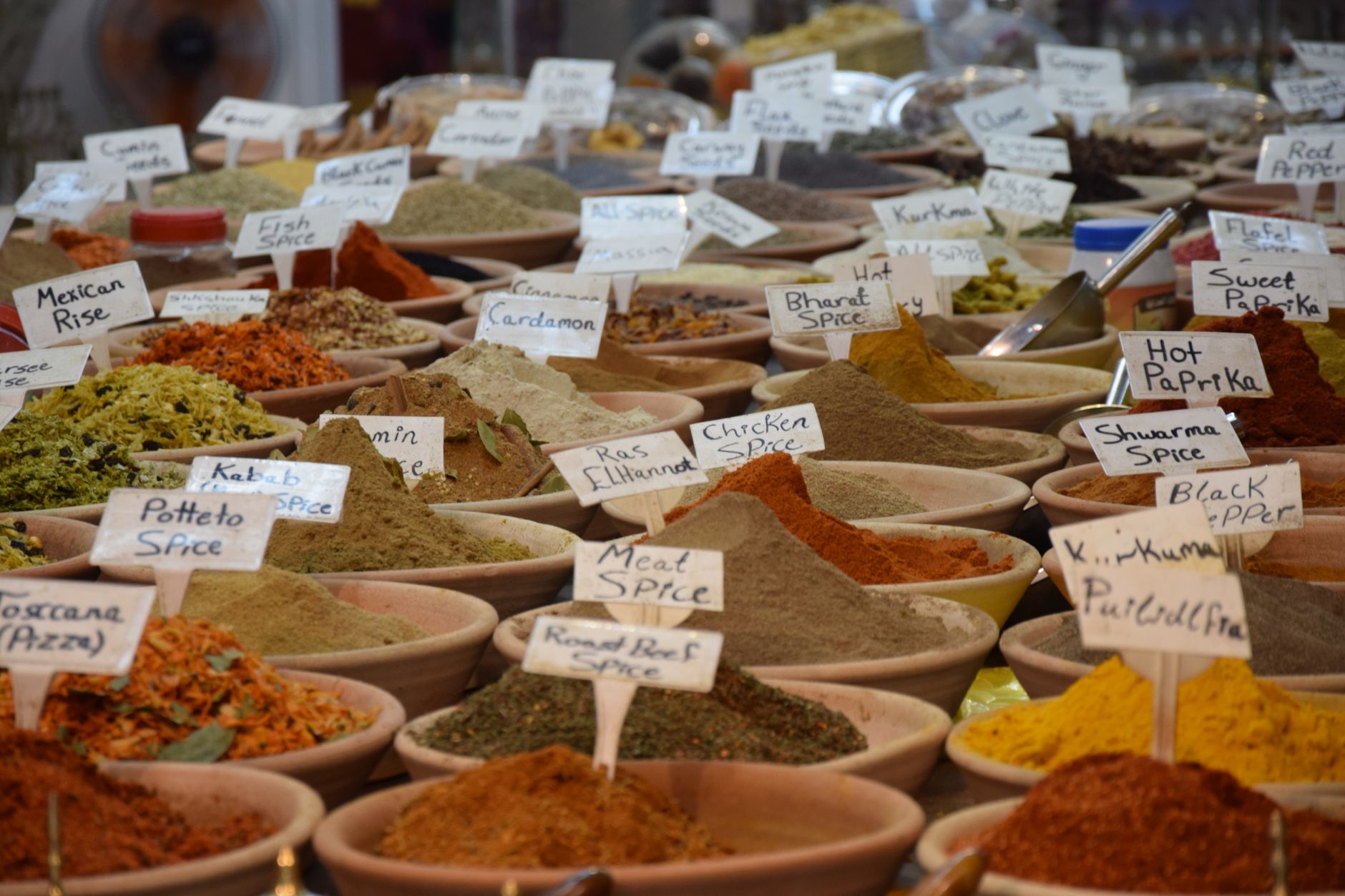
With the ingredient’s role clear, match the replacement to the dish’s regional flavor structure. Parsley and lime suit tacos, salsa, Mexican-style beans, and avocado because those foods already rely on raw onion, chile, and acid. The swap should lift those ingredients rather than compete with them.
Indian and Middle Eastern dishes usually need warmer seed-spice choices. Thai dishes more often need fresh herbs added late. Your cooking method matters as much as the recipe’s country of origin.
Indian and Middle Eastern Foods Favor Seed Spices
For a substitute for coriander in Indian food, use cumin alone, cumin plus fennel, or a restrained amount of garam masala. Cumin works in dal, chickpea curry, and onion-based sauces because its earthiness fits toasted spice foundations. Fennel softens cumin’s edge in dishes that need a lighter finish.
Middle Eastern rice, lentils, marinades, and spice rubs can welcome cumin or caraway. Ground cumin suits lamb kofta seasoning, while caraway seeds make more sense in vinegar-bright cabbage or rye-based flatbread. A coriander substitute for curry should follow both the cuisine and the stage of cooking.
Thai Cooking Keeps Its Herbal Notes Fresh
Thai basil, mint, and lime fit Thai soups, curries, larb-style salads, and noodle bowls better than dried spices. Add Thai basil during the final minute because prolonged heat drives off its sweet, peppery aroma. Your bowl keeps a fresher profile than it would with oregano or ground cumin.
Cooking use reveals the trade-off. Chili needs earthy warmth, baking favors fennel or caraway sweetness, pickling benefits from whole-seed crunch, and a finishing sauce needs fresh herbs. That leaves one useful option for low-stakes recipes: omission.
When no swap fits the dish’s character, complex recipes can often absorb the missing note gracefully.
Omission Works Best in Layered Recipes
After choosing substitutes, skip the ingredient only where it plays a minor role. A missing teaspoon rarely ruins tomato soup, bean dishes, pan sauces, or spice rubs with six or seven other seasonings. Taste after simmering, then add lemon or lime in small amounts if the food needs brightness.
Omission works because salt, acid, fat, and aroma can still balance a layered dish. A simple lentil soup with onion, garlic, cumin, and stock has enough structure to move forward without one spice. Your result may taste less citrusy, but it will not necessarily taste incomplete.
Seed-Forward Recipes Need a Measured Stand-In
Pickles, baked goods, seed-heavy curries, and recipes built around dry spice blends need a replacement rather than an omission. In a coriander-crusted roast or a loaf studded with seeds, the missing ingredient leaves an obvious blank. Use caraway, fennel, or cumin according to the dish’s other flavors.
Adjust after cooking or after blooming spices, not before. Salt sharpens flavor perception, citrus restores high notes, and fresh herbs add aroma at the table. Your next adjustment may be a squeeze of lime instead of another pinch of potent cumin.
Blended Spices Require a Label Check
Automatic curry powder or garam masala swaps can cause more trouble than a small omission. Turmeric can turn a pale sauce yellow, fenugreek can add bitter maple-like notes, and clove can dominate mild lentils. Check the label for coriander, cinnamon, chile, mustard, and other strong additions.
- Soup tastes flat Add lemon juice or lime juice in small drops before adding more ground spice.
- Cumin dominates Stir in yogurt, coconut milk, or extra broth to soften its earthy edge.
- Pickle lacks texture Use whole caraway or fennel seeds instead of a ground replacement.
- Salsa feels plain Add parsley, lime zest, and a small pinch of salt near serving.
Those corrections keep coriander substitutes in proportion. The goal is not a laboratory copy of the missing ingredient. Your dish should still bring salt, acid, aroma, warmth, and texture into balance.
Balance matters more than perfect imitation, leaving a simple framework for confident adjustments.
Final Thoughts
Across every form, the best choice matches the ingredient’s kitchen job. Ground coriander needs cautious warm spices, whole seeds need whole-spice texture, and cilantro needs fresh herbs plus citrus. You’ll get a better result by preserving that role than by chasing an identical flavor.
Start with the listed form, use the conservative ratio, and taste after the replacement has cooked. A small adjustment of lime, fennel, parsley, or broth can make your finished meal feel intentional rather than improvised.
FAQ
What is the best substitute for ground coriander?
A blend of ground cumin and ground fennel is the closest pantry alternative to ground coriander. Use 1/2 teaspoon cumin and 1/2 teaspoon fennel for each teaspoon of ground coriander in your recipe. Cumin alone also works, but begin with 1/2 teaspoon because its earthy flavor becomes stronger during cooking.
What can I use instead of fresh coriander leaves or cilantro?
Flat-leaf parsley plus lime juice is the best broad substitute for fresh coriander leaves or cilantro. Use 1 tablespoon chopped parsley and 1/2 teaspoon lime juice for every tablespoon of cilantro. Your tacos, salsa, guacamole, or bean bowls will keep their green color and citrus lift.
Can I leave coriander out of a recipe?
In soups, sauces, bean dishes, and layered spice rubs, coriander can be omitted when it plays a minor role. Add a little lemon or lime after cooking when your dish needs brightness. Pickles, breads, seed-forward curries, and coriander-centered rubs benefit from a measured substitute.
Is coriander the same as cumin?
No. Coriander and cumin are separate seed spices with different aromatic compounds. Coriander has a lighter citrusy flavor, while cumin tastes earthier and more musky. Your recipe can use cumin as a substitute for ground coriander, starting with one-half the listed amount and adjusting carefully.
Can you use oregano instead of coriander?
Oregano is not a close substitute for coriander or cilantro. Its woody, peppery flavor can fit a Mexican-style dish already built around oregano, but it can clash in salsa, Thai food, Indian curries, and dishes seeking fresh green flavor. Parsley with lime is a safer fresh-herb direction.
What herb tastes most like cilantro?
No herb duplicates cilantro’s flavor. Flat-leaf parsley mixed with lime juice or lemon zest comes closest to its culinary role because your dish gains fresh green color and citrus lift without cilantro’s stronger aroma. Thai basil, dill, and mint fit specific cuisines but taste more distinct.
