

On grocery shelves, these three staples differ: couscous is small wheat pasta, quinoa is a seed cooked like a grain, and rice is a cereal grain with several varieties. Quinoa has more protein, couscous cooks fastest, and rice changes substantially by type.
Your best choice depends on nutrition goals, gluten needs, blood-sugar planning, cooking time, texture, budget, and the meal you want to build.
Three Staples Have Different Origins
Although the cooked grains can look similar in a bowl, they come from different plants and processing methods. That origin affects your fiber intake, gluten exposure, cooking time, and texture at the table.
Couscous Begins as Wheat Pasta
A bowl of pale couscous may resemble rice, but it is closer to pasta. Traditional couscous comes from moistened semolina, a coarse wheat flour rolled into tiny granules. Most packaged fine couscous cooks in about 5 minutes because the granules have already been steamed and dried.
Regular couscous is usually made from refined semolina, so much of the wheat kernel’s bran and germ has been removed. Whole-wheat couscous keeps more of those layers, which raises dietary fiber and gives your finished dish a nuttier flavor. Both types contain wheat gluten, the protein network that gives pasta structure but makes couscous unsuitable for celiac disease and wheat allergy.
Israeli couscous, also called pearl couscous, is larger and rounder than fine North African couscous. It cooks more like small pasta pearls, with a chewier bite and a longer simmer. You can use it in soups and cold salads, although its nutrition still depends on whether the flour is refined or whole wheat.
Quinoa Is a Seed Used Like a Grain
Unlike wheat or rice, quinoa grows on a broadleaf plant related to spinach and beets. It is a pseudocereal, meaning its seeds are cooked and served much like whole grains. Each small seed has a germ ring that loosens during cooking, creating quinoa’s familiar curled shape.
The outer coating contains saponins, natural compounds with a bitter taste that protect the seed. Rinse quinoa in a fine-mesh sieve before cooking to remove much of that coating. Toasting the damp seeds in a dry skillet for several minutes gives your finished quinoa a warmer, nuttier flavor.
Rice Includes Several Distinct Foods
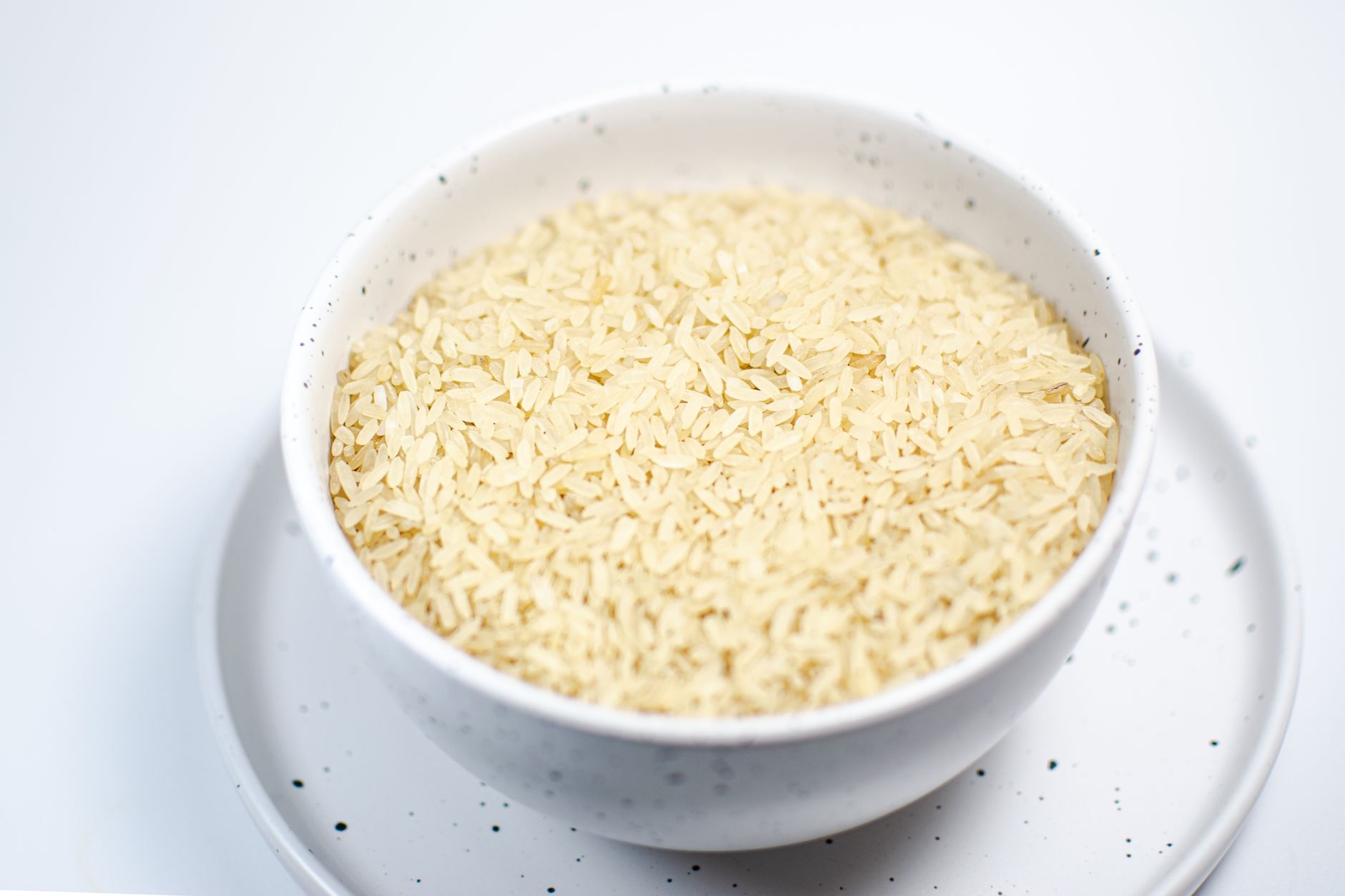
Rice is a cereal grain, but the word rice does not tell you much about fiber, aroma, chew, or blood-sugar response. White rice has its bran and germ polished away. Brown rice keeps both layers, while parboiled rice is soaked and steamed before milling, moving some nutrients inward from the bran.
Basmati rice has long, slender grains and a dry, separate texture. Jasmine rice is softer and more fragrant, while sticky rice contains more amylopectin, a starch molecule that makes cooked grains cling together. Wild rice is technically an aquatic grass seed rather than true rice, and its dark, firm grains add a striking chew to your meal.
Those origin differences make a fair couscous quinoa rice nutrition comparison more useful when you compare the same cooked serving size. A vague scoop from a package does not show what reaches your plate. The next step is comparing each food cup for cup.
Once portions are standardized, the numbers reveal where these similar-looking staples truly differ.
Cooked-Cup Nutrition Shows the Main Differences
Using one cooked cup puts calories, carbohydrates, protein, and dietary fiber on the same scale. Package labels still matter because brands can vary through enrichment, milling, seasoning, and serving-size definitions.
| Cooked food, 1 cup | Calories | Carbohydrates | Protein | Fiber |
|---|---|---|---|---|
| Regular couscous | 176 | 36 g | 6 g | 2 g |
| Whole-wheat couscous | 176 | 36 g | 6 g | 6 g |
| Quinoa | 222 | 39 g | 8 g | 5 g |
| White rice | 205 | 45 g | 4 g | 1 g |
| Brown rice | 218 | 46 g | 5 g | 4 g |
| Basmati rice | 205 | 45 g | 4 g | 1 g |
| Wild rice | 166 | 35 g | 7 g | 3 g |
Calories and Carbohydrates Stay Fairly Close
Cooked-cup calorie counts for these staples are closer than dry package measurements may suggest. These foods fall between 166 and 222 calories per cooked cup in the table. Water adds substantial weight during cooking, so measuring dry grains can make your serving appear smaller than it becomes.
White rice has the highest carbohydrate total here at 45 grams per cooked cup, but the gap is modest. The rest of your plate usually creates the bigger calorie difference. A cup of white rice with sweetened sauce and fried protein has a different total than a half-cup served with broccoli, salmon, and sesame oil.
Fiber and Minerals Create Bigger Nutrition Gaps
Quinoa provides more protein and fiber than refined couscous or white rice per cooked cup. It also supplies magnesium, iron, folate, and manganese. Magnesium supports hundreds of enzyme reactions, including energy metabolism and muscle function, so quinoa’s mineral content has value beyond a package claim.
Brown rice keeps the bran and germ removed during white-rice processing. Those layers provide fiber, minerals, oils, and plant compounds, although the oils can shorten shelf life and become stale. Store brown rice in a sealed container in a cool cupboard, and check an older bag by sight and smell before you cook it.
Couscous can provide selenium, especially where semolina wheat absorbed more selenium from the soil. Selenium supports antioxidant enzymes such as glutathione peroxidase, though levels vary by growing region and product. Those nutrient differences lead directly to the protein question that matters in meal planning.
Among those differences, protein stands out because it can shape fullness and meal balance.
Quinoa Delivers More Protein Than Rice or Couscous
Among these three staples, quinoa has the strongest protein profile per cooked cup. It supplies about 8 grams, compared with 6 grams in couscous, 5 grams in brown rice, and 4 grams in white rice. Your bowl still needs other protein sources for a high-protein meal.
Complete Protein Helps Plant-Forward Meals
A complete protein contains all nine essential amino acids in amounts the body can use. Quinoa fits that description, while rice and wheat contain lower amounts of certain essential amino acids. Your body can still use amino acids from varied foods across the day, so every meal does not need a complete pattern.
In a quinoa vs couscous protein comparison, quinoa has the clearer edge. Whole-wheat couscous paired with chickpeas, chicken, lentils, feta, yogurt, or fish can still make a satisfying meal. The complete plate matters more than treating one starch as nutritionally perfect.
Whole-Grain Choices Narrow the Fiber Gap
Whole-wheat couscous and brown rice provide more fiber than regular couscous and white rice. Fiber adds bulk without digestible carbohydrate calories and slows the rate at which food leaves the stomach. That slower movement may help your lunch feel more sustaining.
- Choose quinoa for protein. Its 8 grams per cooked cup work well in grain bowls, bean salads, and meatless dinners.
- Choose whole-wheat couscous for speed. Hot broth and about 5 minutes produce a fluffy side with more fiber than refined couscous.
- Choose brown rice for chew. Its bran gives stir-fries and bowls a firmer texture than white rice.
- Choose wild rice for contrast. Its dark grains bring a nutty bite and more protein than standard white rice.
- Choose white rice for softness. Its mild flavor suits strongly seasoned curries, stews, and braises.
Quinoa may cause gas or bloating for some people, especially after a large serving or a sudden rise in fiber intake. Start with a smaller portion, rinse it well, and give your digestive system time to adjust.
For a direct health comparison, quinoa is more nutrient-dense than regular couscous in many meals because it has more fiber, protein, magnesium, and iron. Whole-wheat couscous remains a useful choice, but refined couscous has less fiber. That distinction becomes more practical during blood-sugar planning.
Protein and fiber also influence how steadily a meal may affect blood sugar.
Blood-Sugar Response Depends on Type, Portion, and Pairing
Carbohydrate grams alone do not predict how your body responds after a meal. The glycemic index ranks carbohydrate foods by how quickly they raise blood glucose under controlled conditions. Glycemic load also considers serving size, which makes it more useful for the amount on your plate.
Starch Structure Changes Digestion Speed
Amylose and amylopectin explain part of the difference among rice varieties. Amylopectin has a branched structure that digestive enzymes can access quickly, while amylose packs more tightly and may slow starch digestion. Sticky rice tends to contain more amylopectin, while some basmati and parboiled rice varieties contain more amylose.
White rice and sticky rice may raise blood glucose faster than brown, basmati, parboiled, or wild rice, although cooking time and grain type still matter. Quinoa and whole-wheat couscous can fit blood-sugar-aware meals because their protein and fiber slow digestion compared with refined choices. Your glucose response can differ from a chart value because sleep, activity, medication, and meal composition also affect it.
Meal Pairing Has a Larger Effect Than a Single Grain
A balanced plate with protein, vegetables, and healthy fats matters more for diabetes than choosing one supposedly magic grain. Fill about half your plate with nonstarchy vegetables, reserve roughly one-quarter for protein or beans, and use the remaining quarter for a moderate starch serving. A half-cup to 1 cup cooked is a practical starting range.
- Add nonstarchy vegetables. Broccoli, peppers, greens, mushrooms, and zucchini add volume with far fewer digestible carbohydrates.
- Include satisfying protein. Beans, eggs, fish, poultry, tofu, or Greek yogurt may slow meal digestion.
- Use unsaturated fat. Olive oil, avocado, tahini, and nuts add flavor and may soften a meal’s glucose rise.
- Measure the starch. A heaped restaurant scoop can reach 2 cups before its carbohydrate load is obvious.
- Watch sauces closely. Sweet glazes and creamy bottled dressings can add sugar, sodium, and calories quickly.
Cooling cooked rice in the refrigerator and reheating it later may modestly raise resistant starch. Resistant starch resists digestion in the small intestine and reaches the large intestine, where gut microbes ferment part of it into short-chain fatty acids. The effect is modest and does not replace your individualized diabetes plan, glucose checks, or professional guidance.
That plate-based strategy has a limit because a food within your carbohydrate target may still be unsuitable for gluten exposure or digestive tolerance. Those concerns deserve attention before meal-prep convenience.
Yet a favorable glucose profile matters little if an ingredient causes digestive symptoms or gluten exposure.
Gluten and Digestive Tolerance Affect Safe Choices
Traditional couscous contains wheat, even though its small granules can resemble a separate grain. You need to avoid traditional couscous with celiac disease or a wheat allergy. In celiac disease, gluten triggers an immune reaction that damages the small intestine, so even small exposure matters.
Plain Quinoa and Rice Have No Natural Gluten
Unlike wheat-based couscous, plain quinoa and rice are naturally gluten-free. For celiac disease, choose products labeled for gluten absence under strict manufacturing controls, especially oats, grain blends, flavored rice packets, and quinoa from shared bulk bins. Separate strainers, cutting boards, and serving spoons protect your food in kitchens where wheat products are prepared.
Seasoned boxed mixes need a label check beyond gluten. Sodium, flavor powders, oils, and added sugars can turn a plain staple into a very different food. A plain bag gives you more control over broth, herbs, salt, and ingredients in the final dish.
Rice Variety Can Reduce Long-Term Arsenic Exposure
Rice can absorb inorganic arsenic from soil and irrigation water. Infants and young children face greater concern because rice-based foods can make up a larger share of their diets. The Food and Drug Administration discusses this exposure in relation to rice and rice-based foods.
Rinsing rice before cooking removes surface starch and may remove a small amount of arsenic. Cooking rice in extra water and draining the excess may lower arsenic further, though the method also removes some water-soluble nutrients. Rotating quinoa, oats, corn, barley for those who tolerate gluten, potatoes, and other starches can lower your long-term exposure.
Higher-fiber grains can bring temporary bloating, cramping, or changes in bowel habits. Raise portions gradually, drink fluids throughout the day, and seek individualized medical advice for persistent symptoms or diagnosed digestive conditions.
Once safety and tolerance are clear, your choice can return to practical details such as cooking time, texture, and the main dish. Those daily trade-offs are usually what decide the final grain.
After safety and comfort are settled, preparation demands and plate preferences help narrow the choice.
Meal Type and Portion Size Guide Everyday Choices
A grain bowl with roasted squash and black beans needs a different base than a saucy chicken curry. Quinoa holds its shape and adds protein. Fine couscous absorbs lemony dressing quickly, while white rice stays soft and neutral when you want the main dish to dominate.
Cooking Method Supports Different Meals
Quinoa suits hearty salads, vegetable-stuffed peppers, and lunch bowls that need to hold up for 2 or 3 days. Its firm seed coat resists mushiness after refrigeration. Cook quinoa with about a 2-to-1 liquid-to-quinoa ratio, rest it covered for 5 minutes, then fluff it with a fork.
Couscous suits fast weeknight sides, Moroccan-style vegetable dishes, and salads with cucumber, herbs, lemon, and olive oil. Pour hot liquid over fine couscous, cover it, and fluff it after about 5 minutes. Gentle fluffing separates the grains, while aggressive stirring can make your couscous compact.
White rice suits gentle meals, budget-focused family dinners, and recipes where a soft grain carries sauce. Brown rice, basmati, parboiled rice, and wild rice fit meals that call for more chew, more fiber, or a milder blood-sugar response. Basmati can take 12 to 20 minutes depending on type, while brown and wild-rice blends may need 35 to 50 minutes.
Portion Size Shapes Weight Goals
A measured serving and the rest of the meal influence weight goals more than any one grain alone. Start with about one-half to 1 cup cooked, then add volume from vegetables and fullness from protein. Your hunger level, activity, and the rest of the meal help determine the final amount.
A lunch can include one-half cup quinoa, three-quarters cup roasted cauliflower, one-half cup chickpeas, chopped parsley, and a spoonful of tahini dressing. On another day, one-half cup whole-wheat couscous with grilled chicken, tomatoes, and arugula may fit your schedule better because it takes less time. Variety can make routine meals easier to sustain.
| Your priority | Strong fit | Why it fits |
|---|---|---|
| No-gluten eating | Quinoa or plain rice | Both have no natural gluten, but packaged blends need cross-contact checks. |
| More protein | Quinoa | It provides about 8 grams per cooked cup and contains all essential amino acids. |
| Faster cooking | Fine couscous | It hydrates in about 5 minutes with hot liquid. |
| Lower-cost meal base | White or brown rice | Large bags can stretch across several meals and work with many cuisines. |
| Blood-sugar awareness | Quinoa, wild, brown, basmati, or parboiled rice | Fiber, protein, starch structure, and portion control may lead to a steadier meal. |
| Soft, mild texture | White rice | Its neutral flavor and tender grains suit saucy dishes. |
| Meal-prep salads | Quinoa or wild rice | Both retain a distinct texture after chilling and dressing. |
Use the table for meal planning rather than as a permanent health label. Your pantry can hold several useful starches, each serving a different role at the table. That flexibility makes the final choice much simpler.
Rather than seeking one universal winner, match each option to the meals you make most often.
Bottom Line
Quinoa is usually the strongest pick for more protein, dietary fiber, magnesium, and iron. Whole-wheat couscous works well for fast wheat-based meals, while rice deserves to be chosen by variety rather than habit. Your portion size and meal pairing shape fullness and blood sugar more than a simple health ranking.
For couscous vs quinoa vs rice, choose quinoa for sturdy salads and plant-forward bowls, couscous for a 5-minute side dish, and rice for soft texture or variety-specific cooking needs. Build your bowl around vegetables, protein, flavor, and a starch portion that fits your goals.
FAQ
The healthiest option changes with your dietary needs, cooking routine, and meal composition. These answers address the most common nutrition, gluten, blood-sugar, and meal-prep decisions.
Which is healthier, couscous, quinoa, or rice?
With more protein, fiber, magnesium, and iron per cooked cup, quinoa is the most nutrient-dense choice for many meals over regular couscous or white rice. Brown rice and whole-wheat couscous can also fit your diet well, especially when you want more fiber than refined grains provide.
Is quinoa healthier than brown rice?
Per cooked cup, quinoa provides 8 grams of protein and 5 grams of fiber, compared with brown rice’s 5 grams of protein and 4 grams of fiber. Brown rice still provides whole-grain benefits, and your preferred texture, budget, and recipe can make it the better practical choice.
Is couscous a whole grain or a refined pasta?
Made from semolina, traditional couscous is wheat pasta, and regular versions are usually refined because their bran and germ have been removed. Whole-wheat couscous is available and provides more dietary fiber, but both regular and whole-wheat couscous contain gluten.
Which has more protein and fiber: quinoa, rice, or couscous?
At about 8 grams of protein and 5 grams of fiber per cooked cup, quinoa leads regular couscous, white rice, and brown rice in this comparison. Whole-wheat couscous provides about 6 grams of fiber, while wild rice provides about 7 grams of protein per cooked cup.
Which option is best for blood sugar and diabetes-friendly meals?
Quinoa, wild rice, brown rice, basmati rice, parboiled rice, and whole-wheat couscous can support blood-sugar-aware meals because fiber, protein, and starch structure may slow digestion. Your portion, cooking method, sauce, and meal companions still shape blood glucose response, so follow your individualized care plan.
Is couscous gluten-free?
Because semolina wheat is its main ingredient, traditional couscous is not gluten-free. Quinoa and plain rice contain no natural gluten, but you should check flavored mixes, shared bulk bins, and packaged blends for cross-contact warnings when celiac disease or wheat allergy is a concern.
