

After a meal, the fiber and fermentable carbohydrates in green beans can trigger intestinal gas or bloating. They can, especially in larger portions or sensitive guts, but tender green beans usually create less digestive burden than kidney beans, black beans, chickpeas, or lentils.
Here’s how portion size, cooking, FODMAPs, meal ingredients, IBS, and warning signs can help you judge whether green beans belong comfortably on your plate.
Green Beans Can Cause Gas but Differ From Dried Beans
That difference starts with the part of the plant you eat. Green beans are immature pods picked before the seed fully matures, while black beans, kidney beans, chickpeas, and lentils are mature seeds with denser fiber and more concentrated fermentable carbohydrates.
Your body may tolerate a cooked vegetable side more easily than a chili bowl full of mature legumes. A cup of green beans beside chicken and rice creates a different digestive exposure than a bowl containing kidney beans, onion, cheese, and a carbonated drink.
Fiber and Carbohydrates Reaching the Colon
Some carbohydrates pass through the small intestine without full absorption. In the colon, gut bacteria use that material as fuel and produce hydrogen, methane, and carbon dioxide.
Mild flatulence, belching, or temporary bloating after a fiber-rich meal can be normal. Your symptoms deserve more attention when sharp pain, urgent diarrhea, persistent constipation, or a major bowel-habit change appears alongside the gas.
| Food | Usual serving pattern | Digestive exposure | Practical expectation |
|---|---|---|---|
| Green beans | Cooked vegetable side | Moderate fiber with less concentrated seed material | May feel easier on the gut than mature beans |
| Black beans | Half-cup or larger bowl portion | Dense fiber and oligosaccharides | May cause more intestinal gas in sensitive eaters |
| Kidney beans | Chili, soup, or salad serving | Dense seed structure and fermentable carbohydrates | Greater chance of bloating after a large portion |
| Chickpeas | Hummus, salad, or grain bowl portion | High legume carbohydrate exposure | May feel heavier than a green-bean side |
That seed-versus-pod distinction explains why broad warnings about beans can be misleading. The next step is understanding what happens when leftover carbohydrate reaches your colon.
Those carbohydrates can ferment differently depending on your gut microbes, digestive sensitivity, and the amount you eat.
Fermentation and Gut Sensitivity Shape the Symptoms
Because some carbohydrate reaches the large intestine intact, gas production depends on fermentation rather than a food being inherently harmful. Gut bacteria break down fiber and other fermentable carbohydrates, and the resulting gases can create pressure, movement, and abdominal bloating.
Your gut microbiome influences how strongly you feel that process. A meal may cause little trouble one week and more discomfort during constipation, after a sudden fiber increase, or during an irritable bowel syndrome (IBS) flare.
Oligosaccharides Matter More in Mature Legumes
Raffinose is one type of oligosaccharide, a carbohydrate that human digestive enzymes do not fully break down before it reaches the colon. Mature dried legumes contain more of these fermentable carbohydrates than green beans, which is why green beans versus dried beans is a useful digestive distinction.
Black beans, kidney beans, chickpeas, pinto beans, and lentils bring concentrated seed tissue to a meal. Green beans contain water-rich pods and much smaller undeveloped seeds, so your usual serving contains a different carbohydrate load.
Fiber and raffinose help explain why beans may cause gas, although the amount on your plate still matters. That mechanism aligns with patient education from Cleveland Clinic on beans, fiber, and intestinal gas.
Rapid Fiber Changes Can Increase Temporary Gas
A sudden jump from few vegetables to large servings of green beans, bran cereal, fruit, and lentils can leave you noticeably more bloated for several days. The gut microbiome adapts to a new fuel supply, but abrupt changes give it more fermentable material at once.
Constipation can intensify the same effect. Slower stool movement gives bacteria more time with fermentable material, so your abdomen may feel fuller after foods that usually seem harmless.
That makes portion size more useful than a blanket ban. Meal composition can create an even bigger difference than the green beans themselves.
Yet the vegetable may not be the only trigger, since sauces, seasonings, and side dishes can add their own burden.
Meal Ingredients Can Mimic a Green-Bean Reaction
Once fermentation is part of the picture, the rest of the plate deserves equal attention. Garlic, onion, cream sauce, soda, and a large meal can each cause fullness or gas that gets blamed on the vegetable beside them.
A plain serving gives you clearer information than a heavily seasoned restaurant side. Begin with about one-half cup of well-cooked green beans in a familiar meal, then note symptoms through the rest of the day.
Common Triggers Beside the Beans
Garlic and onion contain fructans, which are fermentable carbohydrates that may aggravate a sensitive gut. Creamy sauces can slow stomach emptying because of their fat content, while carbonated drinks add dissolved gas before colonic fermentation begins.
- Garlic-heavy seasoning: Garlic butter, garlic salt, onion powder, and seasoning blends may add fermentable triggers beyond the green beans.
- Cream sauces: Rich dairy sauces may feel heavy when lactose digestion is limited or a meal is already high in fat.
- Large meal volume: A packed plate stretches the stomach and can create pressure without signaling a food intolerance.
- Carbonated drinks: Soda and sparkling water may add burping and fullness before digestion reaches the colon.
- Sugar alcohols: Sorbitol and xylitol in gum, mints, or desserts can produce gas in sensitive digestive systems.
- Fast eating: Rushing through dinner increases swallowed air and makes your symptom pattern harder to interpret.
A steakhouse dinner with garlic butter, bread, onion soup, soda, and dessert tests far more than one vegetable. Preparation becomes the practical next variable to control.
Because preparation affects texture, fiber breakdown, and added ingredients, it can meaningfully change how a serving feels afterward.
Cooking and Storage Methods Can Change Comfort
With meal triggers separated out, texture becomes easier to assess. Cooking green beans until tender does not remove all fiber or FODMAPs, but softer pods may be easier for your digestive tract to process than stiff, undercooked beans.
Fresh, frozen, and canned green beans all retain fiber. The main differences are texture, seasoning, sodium, and the number of other ingredients that arrive in the same serving.
Tender Cooking Supports Easier Digestion
Cook the pods until they bend easily under a fork rather than leaving them stiff and squeaky. Thorough chewing also gives your digestive system a more manageable starting point.
- Steam until tender: Steaming softens the pods without adding garlic, onion, cream, or other possible triggers.
- Simmer gently: A short simmer creates a softer texture than a crisp sauteed or raw-style preparation.
- Roast with restraint: Olive oil, lemon zest, dill, basil, and black pepper keep flavor simple during a food trial.
- Start with half: Serve about one-half cup before moving to a larger restaurant-style portion.
- Chew thoroughly: Smaller food particles reduce the work required during digestion and limit swallowed air from rushed eating.
Canned Green Beans Can Still Cause Gas
They can, because canning does not remove all fiber or fermentable carbohydrates. Their soft texture and thorough heat processing may feel easier for your digestion than firmer fresh pods.
Check the label before using canned beans as a comparison food. Onion, garlic, meat flavorings, rich sauces, and high sodium can complicate the result, while a plain canned variety gives you a cleaner trial.
Once cooking methods are clear, IBS and total meal FODMAP load become the next useful considerations.
For people with IBS, those practical adjustments work best alongside attention to personal FODMAP tolerance and total meal load.
IBS and Low-FODMAP Eating Require Individual Portion Trials
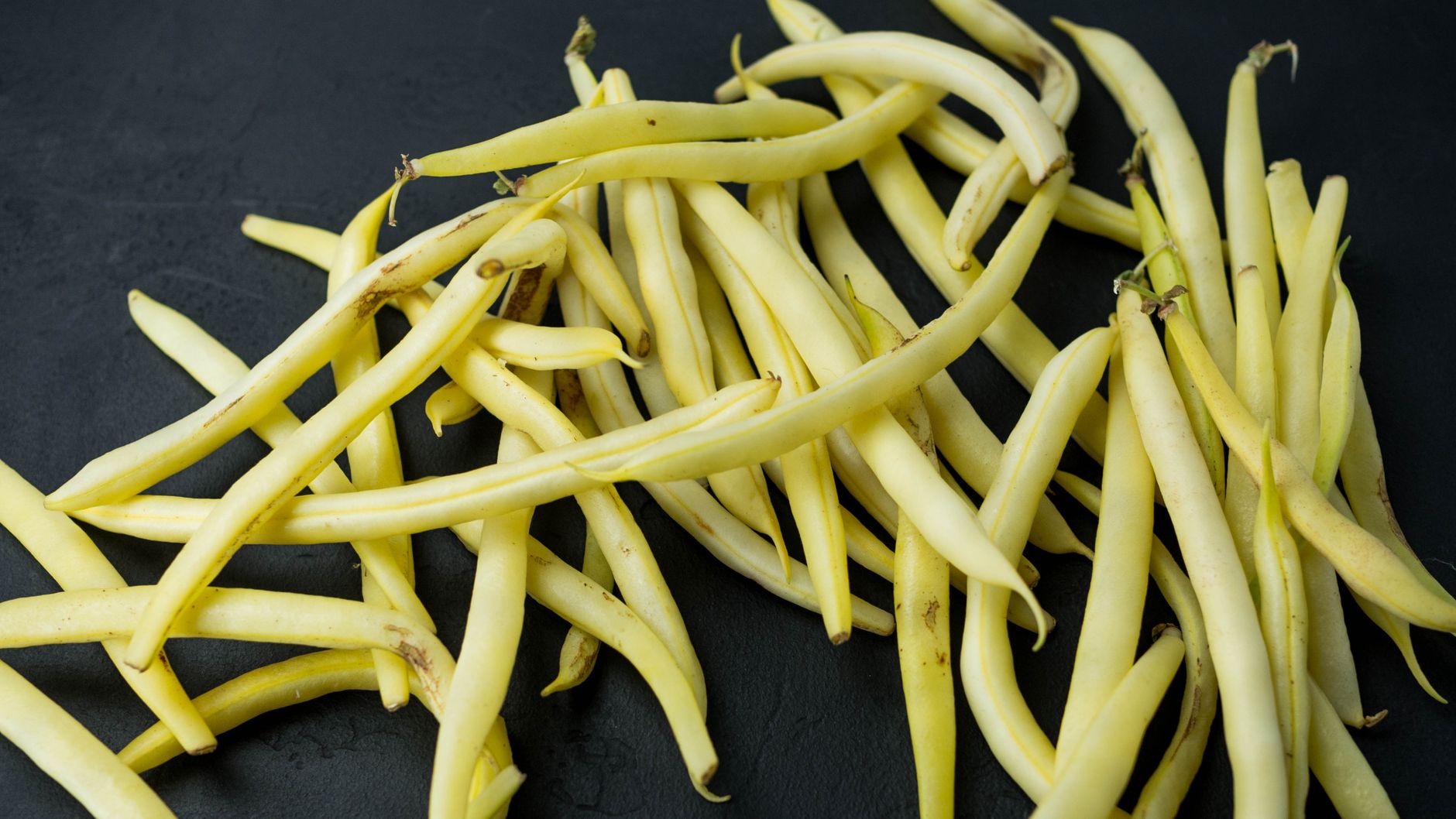
For a sensitive gut, green beans are generally tolerated in typical portions, but the full meal still matters. Monash University lists green beans among foods that may fit a low-FODMAP diet in suitable portions.
FODMAPs are fermentable carbohydrates that can draw water into the bowel and ferment rapidly. In irritable bowel syndrome (IBS), that combination can increase pain, gas, bowel urgency, and green beans and bloating concerns.
Total FODMAP Load Changes the Meal
A single food does not determine the digestive impact of a plate. Green beans with rice, baked fish, and a familiar herb may sit differently than the same beans with garlic bread, onion dressing, cauliflower, and sparkling water.
Your total FODMAP load may matter more than one food’s reputation. A smaller serving in an otherwise familiar meal helps separate a green-bean response from a reaction to several fermentable foods eaten together.
Try a small portion of well-cooked green beans in an otherwise familiar meal, then raise the amount on a separate day only after symptoms stay calm. One meal cannot diagnose IBS, food intolerance, or another digestive condition.
Digestive Enzymes Have Limits
Alpha-galactosidase is an enzyme used in products such as Beano. It targets certain oligosaccharides in mature legumes, so it is more relevant to chickpeas, black beans, and kidney beans than to a serving of green beans.
Digestive enzymes cannot diagnose or treat food intolerance, IBS, or ongoing digestive disease. Discuss supplements with a qualified healthcare professional before starting one, especially during pregnancy, nursing, medication use, or care for a medical condition.
A careful food trial usually tells you more than guessing with supplements. The same method also helps you build a tolerable fiber routine.
Rather than relying on assumptions, a structured approach can reveal which portions and fiber increases your body handles comfortably.
A Gradual Tolerance Plan Can Clarify Your Pattern
After identifying meal-level triggers, change only one variable at a time. A short, consistent trial can show whether green beans are the likely issue or simply one part of a more complicated meal.
Keep the meal familiar and leave time between trials. Your notes do not need to be elaborate, but the details should be specific enough to spot a repeating pattern.
A Six-Step Routine for Clearer Results
- Start small: Serve about one-half cup of tender green beans with foods your stomach already handles comfortably.
- Cook them well: Steam, simmer, or roast until the pods are soft enough to pierce easily with a fork.
- Eat more slowly: Chew fully and pause between bites to reduce swallowed air during the meal.
- Change one factor: Raise the portion on another day instead of adding garlic, cream sauce, and soda together.
- Build fiber gradually: Spread higher-fiber foods across several days instead of making one sudden large dietary shift.
- Track your response: Record portion size, timing, pain, stool changes, drink, and foods eaten alongside the beans.
Across three to seven meals, look for the same combination of food, portion, and symptom timing. That record becomes especially useful if persistent symptoms require a clinician’s assessment.
Patterns found through gradual testing can guide everyday choices, while ongoing or severe symptoms deserve professional evaluation.
Persistent Symptoms Need Medical Attention
Although ordinary gas usually passes, repeated pain or bowel changes should not be explained away as a vegetable reaction. Severe or ongoing abdominal pain, vomiting, nighttime symptoms, weight loss, blood in stool, or lasting diarrhea or constipation warrant medical care.
A food record can help a clinician see patterns, but it cannot rule out another digestive issue. Gas has several possible causes, which is consistent with patient information from Medical News Today and Cleveland Clinic.
Infant Gas Needs Age-Appropriate Context
They may be followed by normal infant gas as a baby’s digestive system adapts to new foods. Offer soft, age-appropriate green-bean preparations in small amounts and watch feeding, comfort, stool changes, and hydration.
Contact a pediatric clinician for repeated vomiting, a swollen or hard belly, blood in stool, poor feeding, fever, dehydration signs, or poor weight gain. Those symptoms call for medical advice rather than further food experimentation.
With red flags ruled out, a modest portion and simple preparation remain the most practical place to start.
After serious causes are excluded, keeping the approach simple offers a useful way to judge whether green beans fit your diet.
Bottom Line on Green Beans and Gas
Compared with black beans, kidney beans, chickpeas, and lentils, green beans usually produce less gas. Your portion size, cooking method, usual fiber intake, gut microbiome, bowel pattern, and meal ingredients shape the result.
Start with tender green beans in a plain meal and use about one-half cup as a practical trial. Persistent pain, blood in stool, vomiting, weight loss, nighttime symptoms, or ongoing bowel changes need medical attention instead of repeated food tests.
FAQ
These answers address the portion, preparation, IBS, infant, and symptom questions that most commonly come up after a green-bean meal.
Do green beans cause gas and bloating?
In the colon, fiber and fermentable carbohydrates from green beans may cause gas and bloating when not fully digested. Gut bacteria ferment that material and release hydrogen, methane, and carbon dioxide. Your portion size, gut microbiome, usual fiber intake, constipation, and meal ingredients influence the result.
Why do green beans cause gas or bloating for some people?
Green beans contain dietary fiber and fermentable carbohydrates that may reach your colon without full digestion. Gut bacteria ferment that material and release hydrogen, methane, and carbon dioxide. Your serving size, gut microbiome, usual fiber intake, constipation, and digestive sensitivity all shape how much bloating or flatulence you notice.
Are green beans less gassy than kidney beans, black beans, or other legumes?
Because diners eat immature pods rather than concentrated mature seeds, green beans tend to cause less gas than black or kidney beans. A side of green beans has a different fiber and oligosaccharide exposure from a bowl of dried legumes. Your own response can still vary with portion size and meal ingredients.
Are green beans low FODMAP?
A modest serving of green beans can fit a low-FODMAP eating pattern, though total meal FODMAP load and personal sensitivity still matter. Well-cooked beans in a small familiar meal give you a cleaner trial than a plate also loaded with onion, garlic, creamy sauce, or carbonated drinks.
Can cooking green beans reduce gas?
Cooking them until tender may make their texture easier for your digestive tract to handle, although it does not remove all fiber or fermentable carbohydrates. Steam, simmer, or roast the pods until soft, then chew thoroughly. Your simplest comparison is a plain preparation without garlic, onion, cream sauce, or soda.
How many green beans can I eat if I have IBS or a sensitive stomach?
In a familiar meal, about one-half cup of well-cooked green beans is a sensible starting portion for IBS or a sensitive stomach. Keep the rest of the plate simple, then increase the portion on a separate day only when your symptoms remain calm. Your response matters more than a single universal serving rule.
