

In the colon, dietary fiber and fermentable carbohydrates feed gut bacteria, which can produce temporary gas, bloating, and mild cramps. Your reaction may appear hours after a meal, especially after a large serving or a sudden increase in fiber.
This practical overview helps you identify the carbohydrate load, choose gentler preparation methods, manage portions, and recognize symptoms that deserve medical care.
Individual Tolerance Shapes Lentil Symptoms
Because carbohydrate fermentation varies from meal to meal, a half-cup serving may feel comfortable for you yet cause abdominal pressure for someone else. Lentils contain dietary fiber and fermentable carbohydrates, but portion size, meal ingredients, bowel transit, and digestive sensitivity all influence the result.
Starting Fiber Intake Changes the Response
A low-fiber eating pattern gives your digestive tract less time to adapt to a sudden bowl of lentils. Someone who already eats beans, vegetables, and whole grains regularly may notice fewer stool changes after adding a half-cup serving.
- Portion size matters because a larger serving sends more fermentable material into your large intestine at one time.
- Meal ingredients matter because onions, garlic, wheat, dairy, and sugar alcohols can add their own gas-producing effect.
- Gut microbes differ because your gut microbiome contains its own mix of carbohydrate-fermenting bacteria.
- Digestive sensitivity differs because irritable bowel syndrome (IBS) and FODMAP sensitivity can lower the amount you tolerate comfortably.
- Recent diet shifts matter because rapid fiber changes can alter stool bulk, gas volume, and bowel rhythm.
Lentils are not inherently harmful to your gut. But during a digestive flare, or after a sharp jump in fiber, they can feel difficult to tolerate. That discomfort starts with the carbohydrates that pass beyond your small intestine.
Those undigested carbohydrates then become fuel for gut microbes, producing gas as they ferment.
Fermentable Carbohydrates Create Gas in the Colon
Once food reaches the colon, the delayed timing makes more sense. Lentils contain galacto-oligosaccharides (GOS), a type of oligosaccharide that human digestive enzymes do not fully break down in the small intestine.
Gut Bacteria Ferment Unabsorbed Carbohydrates
Undigested GOS travel into the large intestine, where bacteria ferment them. Fermentation produces hydrogen, methane, and carbon dioxide, and trapped gas can stretch the bowel wall enough to create pressure or cramping for you.
Methane can matter more than its name suggests. Digestive medicine research links methane production with slower intestinal transit in some individuals, which helps explain why gas and constipation may appear together after lentils or other fermentable foods.
Dietary Fiber Has a Separate Effect
Fiber is not the same as GOS. Some dietary fiber adds bulk and holds water in stool, while fermentable fibers become fuel for gut bacteria. Both actions can change comfort as your eating pattern shifts.
A sudden increase in fiber may bring more gas before your digestive routine settles. The National Institute of Diabetes and Digestive and Kidney Diseases includes fiber in a bowel-health eating pattern, while also recognizing that rapid fiber increases can affect comfort.
That distinction keeps you from treating every fiber-rich food as a problem. Timing, quantity, and the foods sharing your plate provide more useful clues than cutting lentils immediately.
Because tolerance depends on context, the first few exposures may feel more intense than later servings.
Early Servings Can Feel More Uncomfortable
After the colon fermentation process begins, symptoms may show up later that day or the following day. How long does gas last after eating lentils depends on your portion size, transit speed, meal ingredients, and baseline digestive sensitivity.
Gradual Exposure Gives Your Gut Time to Adjust
Several small servings spread across a week may feel easier than one large bowl of stew. Your body can adapt to a higher-fiber eating pattern over time, though adaptation does not make lentils symptom-free for every digestive system.
- Start with less by choosing a small serving instead of a restaurant-size bowl of lentil soup.
- Repeat the portion across several meals so you can spot a consistent symptom pattern.
- Track the timing by noting bloating, stool changes, and discomfort through the following day.
- Change one variable by adjusting portion size or preparation instead of overhauling your entire diet.
Beans, onions, garlic, wheat-based foods, cruciferous vegetables, some dairy products, and sugar alcohols can also produce gas. A lentil stew with onions, garlic, and sausage may feel far heavier than plainly cooked lentils, so blaming a single ingredient can send you in the wrong direction.
Once meal context becomes clearer, preparation methods give you another way to reduce the fermentable load.
Fortunately, how lentils are handled before cooking can change how much of that material reaches the colon.
Preparation Methods Can Reduce the Fermentable Load
Because some carbohydrates dissolve into water, draining liquid can change what reaches your digestive tract. Soaking dried lentils and rinsing canned lentils may lower part of the water-soluble GOS load, though neither method removes every fermentable carbohydrate.
| Form | Preparation detail | What it may mean for comfort |
|---|---|---|
| Dried lentils | Cooked directly from dry | May retain more water-soluble fermentable material. |
| Soaked lentils | Soaked, then drained before cooking | Discarding soak water may reduce some GOS. |
| Sprouted lentils | Soaked and germinated before cooking | Sprouting alters seed carbohydrates, though your comfort can still vary. |
| Thoroughly cooked lentils | Cooked until tender throughout | Soft texture may be easier for your digestive tract to process. |
| Canned lentils | Drained from canning liquid | May offer a convenient starting form. |
| Rinsed canned lentils | Rinsed under running water | May further lower water-soluble fermentable carbohydrates. |
Thorough cooking softens the lentil seed structure and may reduce gastrointestinal discomfort. Firm, undercooked lentils can be harder for you to break apart mechanically, especially in salads where the texture stays al dente.
Drain soaked lentils, discard the soaking water, and cook in fresh water. Rinse canned lentils under running water for 20 to 30 seconds before adding them to a meal.
Soaking lentils can reduce gas for some people because discarded water carries away part of the dissolved carbohydrate load. The form and variety you choose can further shape how a serving feels.
Beyond cooking technique, the lentil itself influences texture, concentration, and the digestive response to a portion.
Lentil Type and Form Affect Digestive Comfort
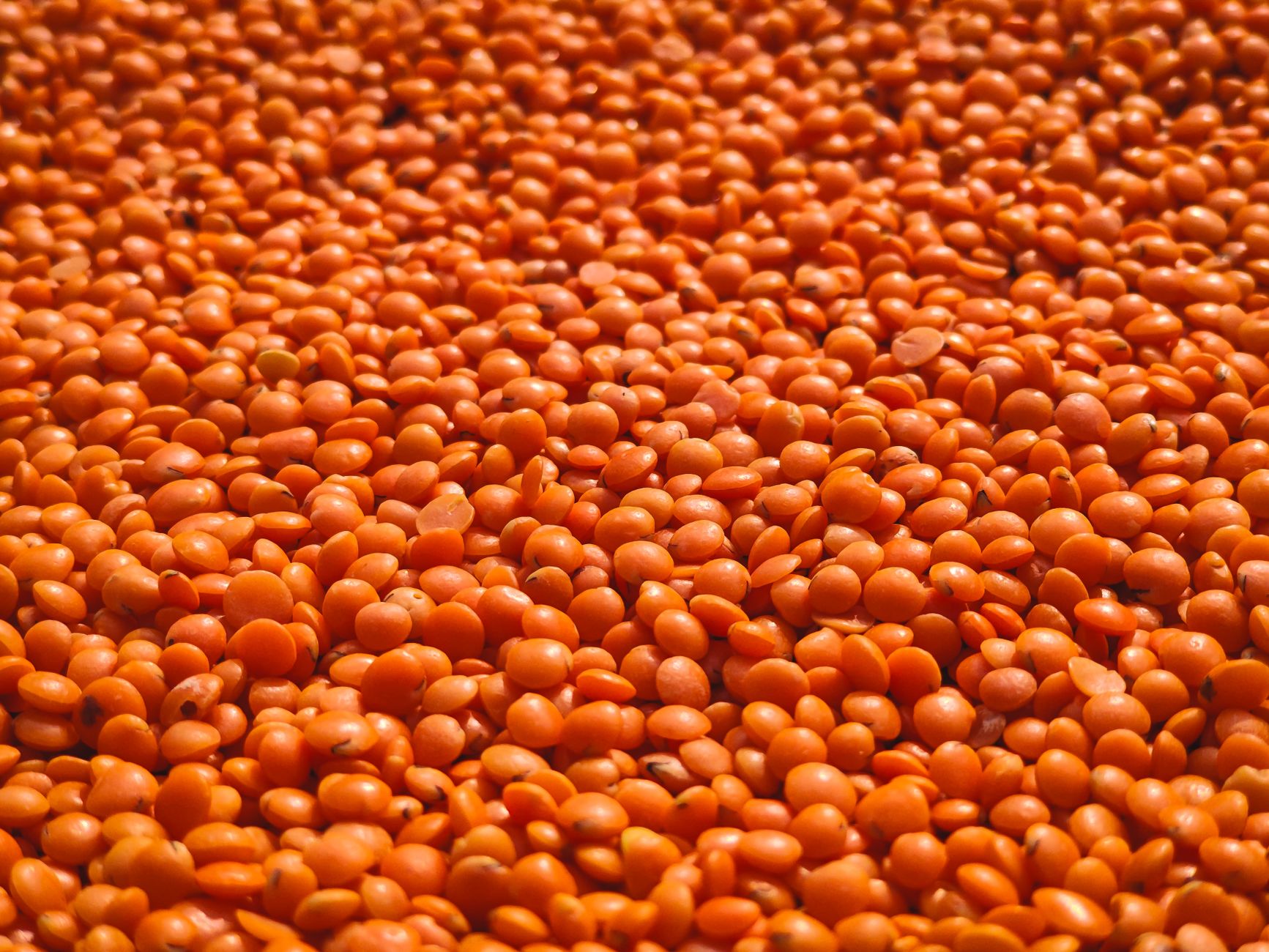
Texture changes faster than chemistry. Red lentils are split and cook into a soft puree, which may feel gentler for you than intact green or brown lentils, but they still contain GOS and dietary fiber.
| Lentil type or form | Texture after cooking | Practical starting use |
|---|---|---|
| Red lentils | Soft and broken down | Soups, dals, and blended sauces |
| Brown lentils | Tender with a mild bite | Simple side dish in a small portion |
| Green lentils | Firmer and earthy | Salads after thorough cooking |
| Black lentils | Dense and tender | Stews with measured portions |
| French lentils | Firm and shape-holding | Meals where texture is a priority |
| Canned, rinsed lentils | Soft and ready to use | Low-effort small servings |
Their soft texture may feel easier for you to manage, but no universal ranking exists because portion size, cooking time, and FODMAP sensitivity carry more weight than color alone.
Canned lentils can be a practical starting form because draining and rinsing reduce exposure to liquid-borne carbohydrates. Portion-dependent FODMAP guidance from Monash University supports this approach, since the same food may fit at one amount and become harder to tolerate at a larger amount.
That portion-dependent pattern makes a measured reintroduction plan more useful than a full avoidance rule.
Rather than eliminating lentils, testing small amounts methodically can reveal a more comfortable personal threshold.
A Gradual Portion Plan Supports Reintroduction
Start with less than appetite might suggest. Two tablespoons of cooked lentils provide a clear baseline for your digestive system without turning dinner into a high-fiber experiment.
- Begin with two tablespoons of cooked lentils in one meal, paired with familiar foods your stomach handles well.
- Repeat that amount across two or three separate meals before increasing your portion.
- Move to one-quarter cup only after symptoms stay manageable at the smaller amount.
- Pause at discomfort rather than pushing through marked bloating or cramps to reach a larger serving.
- Choose one fiber shift per meal by avoiding lentils alongside new bran cereal or a large broccoli serving.
Fluid intake matters as fiber rises because fiber holds water in the gut. Steady hydration may help stool pass more easily, while a large fiber increase without enough fluid can leave you feeling full, backed up, or gassy.
For lentils and IBS, smaller portions of canned, rinsed lentils may fit a low-FODMAP diet more comfortably for some people. A registered dietitian can help you run a structured food trial without cutting broad food groups longer than necessary.
Portion work can lower the chance of a rough meal, but short-term discomfort may still happen after a larger serving.
Even with a careful buildup, occasional bloating can arise, making simple measures for easing pressure useful.
Short-Term Relief Can Ease Gas Pressure
As gas moves through the bowel, pressure usually eases. Gentle walking, warm fluids, and time may feel more useful for you than lying still after a large lentil meal.
- Take a short walk to encourage normal intestinal movement and help trapped gas shift.
- Use gentle warmth from a heating pad over clothing for temporary cramp-like discomfort.
- Drink water steadily across the day, especially after a fiber-heavy meal.
- Keep meals plain at the next meal by avoiding extra onions, garlic, or sugar alcohols.
- Track the pattern with food amount, timing, and symptoms across several meals.
Alpha-galactosidase is a digestive enzyme available in some products that may split certain legume carbohydrates before they reach the colon. Results vary, so speak with a pharmacist or qualified clinician before using digestive enzymes during pregnancy, nursing, medication use, or a medical condition.
Simethicone works differently. It joins small gas bubbles into larger bubbles that may pass more easily, rather than changing lentil carbohydrate digestion. Peppermint oil may affect gut muscle activity for some adults, but it can also trigger reflux symptoms and deserves clinician guidance.
Severe pain is not a normal price of eating lentils. Stop treating the meal as the only explanation when symptoms feel intense or keep returning.
That boundary matters because ordinary gas follows a different pattern from symptoms that need medical attention.
Still, relief strategies are not a substitute when symptoms are severe, recurrent, or accompanied by warning signs.
Persistent Symptoms Need Medical Assessment
Temporary bloating after a new high-fiber meal differs from repeated or intense symptoms. Pain that disrupts your sleep, lasts beyond the expected meal pattern, or feels disproportionate to a small serving merits a clinical conversation.
- Persistent abdominal pain needs assessment, especially pain that becomes sharper or more frequent.
- Blood in stool warrants prompt medical evaluation rather than another food experiment.
- Unexplained weight loss can signal an issue beyond ordinary lentil-related gas.
- Vomiting or fever calls for timely medical care, particularly alongside abdominal pain.
- Major bowel shifts include ongoing diarrhea, constipation, or a new stool pattern.
A clinician may look beyond lentils for lactose intolerance, celiac disease, inflammatory bowel disease, infection, or functional conditions such as IBS. Your food symptoms can overlap, and a careful history offers better clues than avoiding every plant food.
Lentils eaten by a breastfeeding parent do not directly cause gas in a breastfed infant because food carbohydrates do not enter breast milk in that form. A baby who seems unusually uncomfortable, feeds poorly, vomits, or has fewer wet diapers needs discussion with a pediatric clinician.
With those cautions in mind, the practical takeaway is to tailor lentil intake to your own response.
Bottom Line
Lentils can bring gas because bacteria ferment carbohydrates that your small intestine does not fully digest. Begin with a modest cooked portion, use thorough cooking or rinsed canned lentils, and change one meal variable at a time.
Persistent pain, blood in stool, weight loss, fever, vomiting, or major bowel changes call for medical assessment rather than more kitchen experiments. Your goal is not to eliminate every symptom-free plant food, but to find the lentil portion and preparation method that fit your digestive comfort.
FAQ
Do lentils cause gas and bloating?
When GOS and other fermentable carbohydrates reach the colon, bacteria ferment them and can trigger gas and bloating. Your symptoms may be stronger after a large portion, a sudden fiber increase, or a meal containing onions, garlic, wheat, dairy, or sugar alcohols.
Why do lentils make some people gassy?
Lentils contain GOS, dietary fiber, and other fermentable carbohydrates that human digestive enzymes do not fully break down. Your gut microbiome ferments those carbohydrates in the large intestine and produces hydrogen, methane, and carbon dioxide.
How can you avoid gas when eating lentils?
Start with two tablespoons of cooked lentils, repeat that amount across several meals, and raise your portion gradually. Soaking dried lentils, discarding the soaking water, cooking until soft, and rinsing canned lentils may reduce some fermentable carbohydrates for you.
Does soaking lentils reduce gas?
During an overnight soak, some water-soluble GOS can move into the liquid, potentially reducing gas after cooking. Drain the lentils, discard that water, and cook them in fresh water so you do not add the dissolved carbohydrates back to your meal.
How long does gas last after eating lentils?
Symptoms may begin later the same day or the following day because lentil carbohydrates reach the large intestine after digestion higher in the gut. For you, the duration depends on portion size, bowel transit, meal ingredients, and your digestive sensitivity.
Do canned lentils cause gas?
Even after canning, these legumes retain fiber and fermentable carbohydrates that can still produce gas. Draining and rinsing them may lower some water-soluble carbohydrates, making a small serving a practical option for your first trial.
