

Refrigeration failures, damaged packaging, or visible warning signs can cause perishable Impossible Beef Made From Plants to spoil. Your use-by date, storage history, and package condition should guide the decision.
Here, you’ll find practical storage limits, freezer advice, thawing steps, leftover handling, and clear discard signs for unopened packages, cooked plant-based meat, and food left out too long.
Impossible Meat Requires Refrigerated Handling
Because it is perishable, plant-based meat does not belong in a pantry. Impossible Meat contains moisture, fats, proteins, and nutrients that can support bacterial or mold growth after poor temperature control. You should handle it with the same care you would give any chilled meat alternative.
Impossible Foods sells products such as Impossible Beef Made From Plants in refrigerated packaging because low temperatures slow microbial growth. Refrigeration does not stop growth completely. A warm car ride, a delayed grocery delivery, or a package left on the counter can reduce your safety margin before the printed date arrives.
Use a four-part check before cooking: read the label, recall the storage history, inspect the sealed package, then inspect the food itself. Uncertainty belongs in the discard decision.
That storage history matters because the cold chain runs from the store case through your trip home and into your refrigerator. Package integrity also matters: a torn seal, leaked liquid, or swollen tray can signal a problem before you even open it. The label gives you the next decision point.
That deadline matters even more once the package enters your refrigerator, where temperature and time begin working together.
The Package Label Establishes the First Deadline
With that cold chain in mind, the printed date is your best first reference. For unopened refrigerated Impossible Meat, the use-by date and stated refrigerator storage directions apply to that exact formulation, packaging system, and production batch.
Continuous Cold Storage Supports the Printed Date
A use-by date assumes the package stayed at its stated refrigerator temperature during transport, retail display, and storage at home. Warmer conditions allow harmful bacteria to multiply faster, so your receipt date matters less than whether the product remained cold. That approach aligns with USDA food safety guidance and FoodSafety.gov advice on prompt refrigeration of perishable foods.
Store handling, delivery timing, and the ride home all affect the cold chain. A package that feels warm, looks puffed up, or has a broken seal deserves more caution, even with several days left before its use-by date. That same caution becomes more important after opening.
Manufacturer Instructions Override General Timelines
Impossible Foods may print directions that differ from storage advice for Beyond Meat, Field Roast, or Lightlife products. Those brands use different ingredients, package designs, and refrigeration instructions, so your package should lead the decision.
Check the label before putting groceries away, then place the package in the refrigerator rather than the door. The door warms each time it opens, while a center shelf usually gives your food steadier cold storage. Once the seal breaks, the timing gets shorter.
After opening, exposure to air and handling means the product needs a shorter, more careful timeline.
Opening and Cooking Shorten the Storage Window
After the package is opened, air, utensils, hands, and kitchen surfaces enter the equation. Cover unused product tightly, return it to the refrigerator promptly, and follow any shorter label timing. You can reduce waste by portioning only what dinner requires.
Cooked plant-based meat needs the same prompt chilling. Refrigerate leftovers within 2 hours, or within 1 hour where the air temperature exceeds 90 degrees F. Those limits reflect the period when food can sit in temperatures that support faster bacterial growth, consistent with FoodSafety.gov guidance.
| Product state | Where it belongs | Practical timing |
|---|---|---|
| Unopened refrigerated package | Refrigerator at the label temperature | Use by the printed use-by date when cold storage stayed consistent. |
| Opened uncooked product | Sealed container or tightly wrapped package | Follow the shorter package direction and keep it cold between uses. |
| Cooked crumbles, patties, or meatballs | Covered refrigerator container | Use within several days after prompt refrigeration. |
| Frozen unopened package | Freezer | Freeze before the use-by date; quality can fade during long frozen storage. |
| Thawed product | Refrigerator | Use according to the label directions after thawing. |
- Seal leftovers tightly. A shallow covered container limits air contact and helps keep refrigerator odors from transferring into your food.
- Mark cooked containers. Write the cooking date on tape so your meal plan does not depend on memory after several days.
- Use clean utensils. A fork that touched raw food can move unwanted microbes into opened plant-based meat.
- Cool in portions. Split a large skillet batch into smaller containers so the center cools faster in your refrigerator.
That shorter window after opening explains why freezing can be useful when your dinner plans change. Freezing preserves the product longer, but it does not keep texture and flavor unchanged forever.
When those tighter timelines no longer fit your plans, freezing offers flexibility at a gradual cost to quality.
Freezing Extends Storage but Reduces Quality Over Time
Since opening creates a shorter timeline, freezing before the use-by date can protect an unused package. Does Impossible Meat Go Bad in the freezer depends on temperature stability: microbial growth pauses while food remains solidly frozen, but freezer storage cannot prevent every quality change.
Water inside the product forms ice crystals during freezing. Temperature swings create larger crystals, which can rupture cells and leave a thawed patty dry, crumbly, or less cohesive. Your freezer can preserve safety for an extended period, but a badly damaged texture may no longer be worth serving.
Freezer Burn Indicates Quality Loss
Freezer burn develops as moisture moves from food into dry freezer air. Pale, leathery patches do not mean active food spoilage by themselves, yet they can leave a cooked burger dry and stale-tasting. You can avoid much of that damage by limiting exposed air.
| Storage choice | Safety role | Quality trade-off |
|---|---|---|
| Original unopened package | Protects the product before its label deadline | Works well for a short planned freezer stay. |
| Tightly wrapped opened portion | Limits air exposure and contamination | Needs a visible date mark for clear freezer inventory. |
| Long frozen storage | Limits bacterial growth while frozen solid | Raises the chance of freezer burn, texture loss, and muted flavor. |
Wrap opened portions tightly, press out excess air, and write the freeze date where you can see it. A two-year-old frozen package may remain safe from freezing alone when held continuously frozen, but heavy freezer burn and unknown temperature swings make discarding a sensible choice. The next risk appears during thawing.
Yet preserving food in the freezer shifts the challenge to warming it safely without extended temperature exposure.
Refrigerator Thawing Controls Temperature Exposure
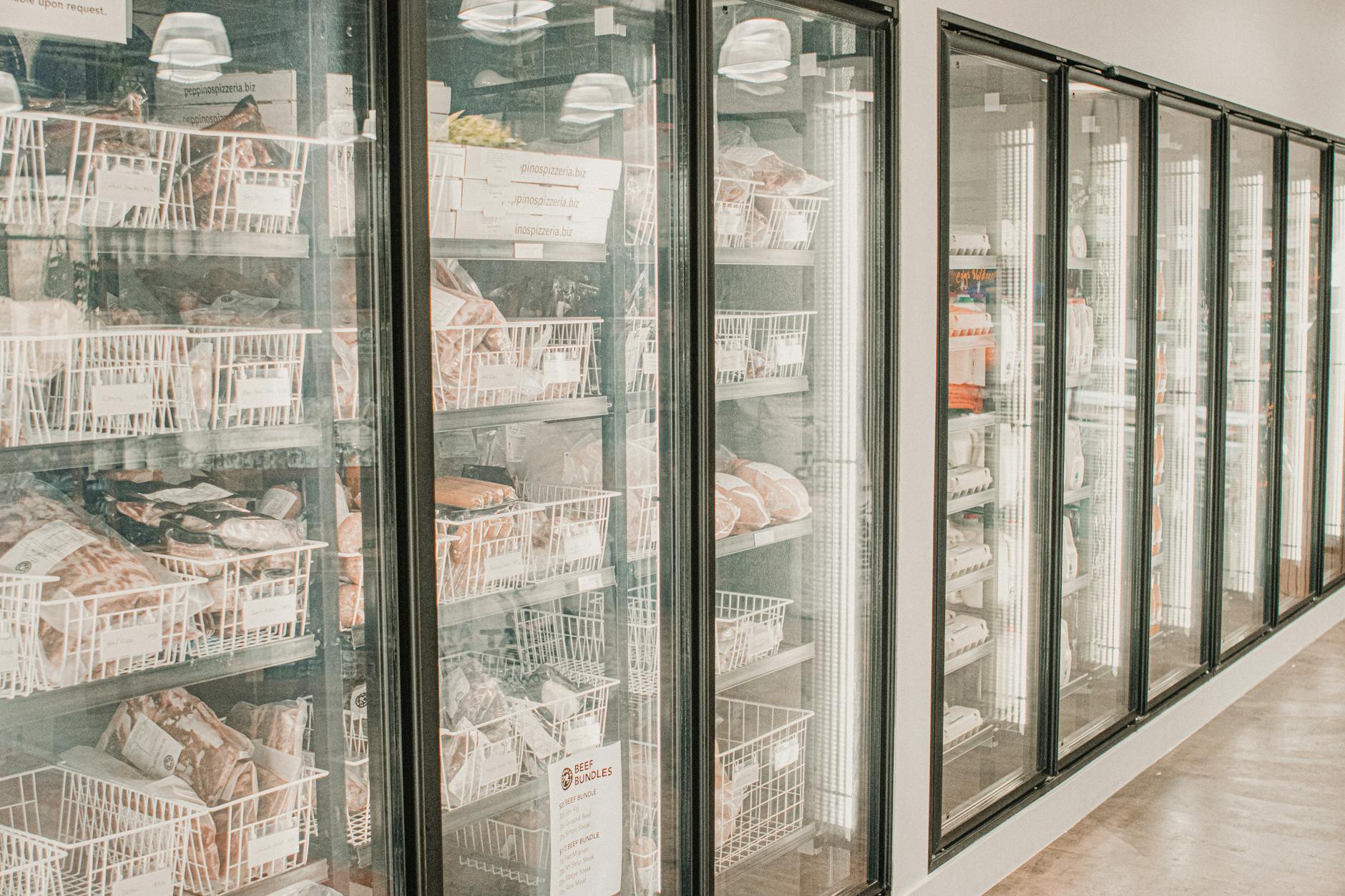
After freezer storage, move the package into the refrigerator rather than onto the counter. Refrigerator thawing keeps the outside from spending extended time in a warm kitchen while the center remains frozen. Your refrigerator is the proper place for thawing.
How long does thawed Impossible Meat last depends on the package directions and its storage history before freezing. Thawing restores moisture and a soft texture, so you should not treat the product as newly purchased. Check the date, odor, and package condition before cooking.
Avoid repeated thawing and refreezing. Each warm-up period adds handling and temperature exposure, while repeated ice-crystal formation damages texture.
Manufacturer directions take priority after refrigerator thawing. Without a clear refreezing direction, use thawed product soon or cook it, cool leftovers promptly, and freeze only after that handling step. Sensory checks come next because cold storage cannot repair damaged food.
Even careful thawing cannot undo prior damage, making visible and sensory warning signs especially important.
Spoilage Shows Up in Smell, Texture, Color, and Packaging
Once thawing is complete, inspect the package before heating anything. How to tell if Impossible Meat is bad comes down to a cluster of evidence, including off odors, color and texture changes, leakage, and package swelling. A single faint color shift is less meaningful than several warning signs together.
Clear Warning Signs Require Disposal
- Off odor. Sour, rancid, or putrid smells signal breakdown that cooking should not be asked to fix.
- Slimy texture. A slick or sticky film on raw product can accompany bacterial growth or product degradation.
- Visible mold. Fuzzy spots or unusual growth mean you should discard the package rather than trim the affected area.
- Package swelling. A puffed container can indicate gas production from microbial activity inside the package.
- Leakage or tears. Liquid escaping from a damaged seal raises concerns about contamination and temperature abuse.
- Strange color changes. Gray, green, blue, or black areas paired with odor or slime warrant disposal.
Minor darkening by itself can reflect pigment changes or oxygen exposure rather than spoilage. Impossible products use heme from soy leghemoglobin for a meat-like color and flavor profile, and oxygen exposure can shift that color without proving danger. But discoloration paired with slime, leaking, off odors, or uncertain refrigerator storage calls for disposal.
Never taste questionable raw or cooked product as a safety check. Some microbes and their byproducts are not reliably detected by a tiny taste, so that risk gives you no useful answer. A cautious discard rule is safer than trying to salvage a doubtful package.
Because uncertainty cannot be tasted away, choosing safety over salvage becomes the practical standard.
A Conservative Discard Decision Prevents a Risky Meal
Those warning signs matter most when the package is past its use-by date or has an unclear storage history. Does Impossible Meat Go Bad before the printed date can happen after warm storage, a damaged seal, or a break in the cold chain. You should use unopened product within label guidance or freeze it before plans change.
A common situation makes the trade-off clear: an opened package appears after a busy week, the opening date is unknown, and liquid sits near the seal. Your choice is not between waste and a certain meal. It is between replacing one package and accepting an avoidable foodborne illness risk.
Cooking destroys many living bacteria under proper conditions, but it cannot reliably make badly spoiled food suitable to eat. Some bacterial toxins can remain after heating, while rancidity and mold-related damage do not disappear in a skillet. That principle leads directly to a safer storage routine.
Putting that standard into everyday practice starts with habits that limit time, temperature swings, and contamination.
Key Storage Habits Protect Food Quality and Safety
Cold storage,not a plant-based label,determines whether Impossible Meat remains safe and high quality. Keep unopened packages cold, follow the use-by date, freeze food before that date when plans shift, and thaw only in the refrigerator. Your storage choices affect both safety and the final texture on the plate.
- Read the package. Product-specific storage directions from Impossible Foods should guide your handling of unopened and thawed product.
- Protect the cold chain. Refrigerate groceries promptly after shopping or delivery, especially during warm weather and long drives.
- Limit cross-contamination. Keep opened product covered and use clean utensils, cutting boards, and containers.
- Label leftovers. Mark cooked crumbles, patties, or meatballs with the cooking date before placing them in the refrigerator.
- Freeze before doubt. Move an unopened package to the freezer before its use-by date instead of hoping you will use it later.
- Discard warning signs. Off odors, slime, mold, swelling, leakage, and unknown temperature exposure outweigh the desire to avoid waste.
A package is replaceable. Your next meal should not depend on guessing whether spoiled food is still safe.
FAQ
Does Impossible Meat go bad?
Refrigerated Impossible Meat is perishable and can spoil when stored improperly. Your risk rises after warm storage, an interrupted cold chain, package damage, or storage beyond the use-by date and manufacturer directions.
How can you tell if Impossible Meat has spoiled?
Check for sour or rancid off odors, a slimy texture, mold, leakage, package swelling, or unusual dark, green, blue, or black discoloration. Your safest choice is disposal when more than one warning sign appears.
How long does unopened Impossible Meat last in the refrigerator?
Use the printed use-by date and refrigerator temperature direction on your unopened package as the main reference. Your product can become unsuitable before that date after warm storage, a damaged seal, or an interrupted cold chain between the store and your refrigerator.
How long is Impossible Meat good after opening?
Follow the shorter storage direction printed on your opened package, keep it tightly covered, and refrigerate it promptly between uses. Your opening date matters because air, utensils, and kitchen surfaces can shorten the usable window.
Can you eat Impossible Meat after the use-by date?
A package past its use-by date deserves extra caution, especially after inconsistent refrigerator storage or package damage. You should discard it when the date has passed and any off odor, slime, leakage, swelling, or uncertain storage history is present.
Can you freeze Impossible Meat, and how long does it last frozen?
Freeze Impossible Meat before its use-by date and keep it continuously frozen for extended storage. Your food can remain safe while solidly frozen, but freezer burn, dehydration, and texture loss can increase during a long freezer stay.
