

Benefits of peanuts is a practical way to describe how this food gives you protein, healthy fats, dietary fiber, magnesium, vitamin E, niacin, and antioxidants in one small serving. That mix helps with fullness, blood sugar control, and heart health without needing a long ingredient list.
This guide covers why peanuts earn a spot in smarter snack plans, tracing eight practical advantages and showing how their nutrient makeup supports everyday goals from steady energy to heart-friendly eating.
Key Takeaways
- Peanuts pack protein, fiber, and fat into a small portion, so they often feel more filling than many snack foods.
- Their fat profile leans toward monounsaturated fat, the same type linked with better heart-friendly eating patterns.
- Plain peanuts bring niacin, folate, magnesium, and vitamin E, which matter for daily metabolism and cell function.
- They are low in sugar and carbohydrates, so they fit better than candy when you want steadier snacking.
- Unsalted and dry-roasted varieties usually make the most sense for routine use.
The Nutrient Profile That Makes Peanuts Stand Out
That snack advantage starts with a dense mix of macronutrients and micronutrients in a very small serving. In 1 ounce, you get about 7 grams of protein, 2 to 3 grams of fiber, and close to 14 grams of fat, with much of that fat coming from monounsaturated and polyunsaturated sources.
Protein slows digestion, fiber adds bulk, and fat carries flavor that makes plain food feel satisfying. You can use that mix to bridge long gaps between meals without needing a sugary coating or a long ingredient list.
A Simple Serving Snapshot
About 28 peanuts make up a standard ounce, and that size gives you around 160 to 170 calories. The count helps because peanuts are easy to overpour from a jar, especially during work, travel, or late-night snacking.
The USDA FoodData Central nutrient database also lists niacin, folate, magnesium, phosphorus, copper, and vitamin E in peanuts. Those nutrients do different jobs, but together they help explain why peanuts are more than a casual nibble.
What The Key Nutrients Do
Niacin helps your body turn food into usable energy, while folate plays a role in cell growth and normal red blood cell formation. Magnesium supports muscle and nerve function, and vitamin E acts as an antioxidant in your tissues.
That mix gives peanuts a practical edge over many packaged snacks, especially when you want food that does more than fill a gap. Once you see the nutrient profile, the next step is sorting out the most useful health benefits of peanuts one by one.
That synergy sets up a closer look at how each benefit shows up in real life.
Key Takeaways
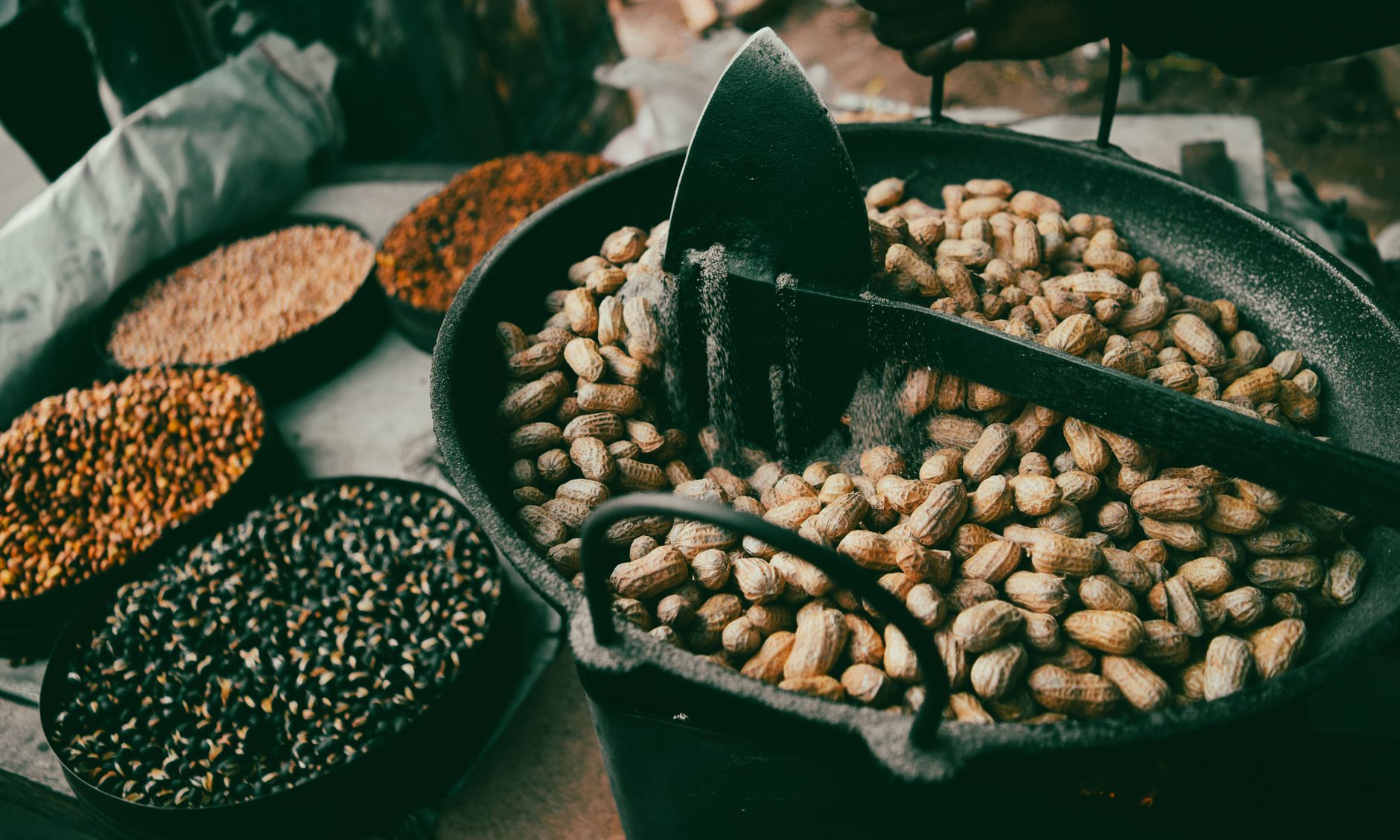
Peanuts work best as a steady, ordinary snack rather than a health halo food. The strongest benefits of peanuts come from the way their nutrients act together, not from any single compound.
Composition, not hype, is what makes the heart and fullness story worth unpacking.
The Eight Benefits, Mapped One by One
Benefit 1, Fuller Stomach Pressure
Protein and fiber slow eating and digestion, so hunger tends to ease more gradually. That can make peanuts useful during the long stretch between lunch and dinner, especially when you need something that holds up through desk work or travel days.
Benefit 2, Better Fat Swaps
Replacing chips or pastry snacks with peanuts shifts the fat mix toward monounsaturated fat. Nutrition organizations such as the American Heart Association often point to unsaturated fats as a better fit than trans fat or heavy saturated fat in snack foods.
Benefit 3, Energy Metabolism Support
Niacin, magnesium, and folate all take part in energy-related body processes. They do not create instant energy on their own, but they help your body use the fuel you already ate more efficiently.
Benefit 4, Antioxidant Protection
Peanuts contain polyphenols, tocopherols, and other antioxidant compounds that help buffer oxidative stress. That matters because everyday metabolism, exercise, and environmental exposure all create reactive compounds your body has to handle.
Benefit 5, A Lower-Sugar Snack Choice
Plain peanuts contain very little sugar and modest carbohydrate, so they fit better than candy when you want a snack that does not swing toward sweetness. Their texture also forces slower chewing, which gives your appetite more time to settle.
Benefit 6, Steady Fuel Between Meals
Protein plus fat gives peanuts staying power that crackers often lack. For a long commute, an after-school gap, or a late afternoon work block, that mix can feel more useful than a snack that disappears in two bites.
Benefit 7, Brain-Friendly Fuel
The brain depends on a constant energy supply, and peanuts contribute fats and micronutrients that fit that pattern. Vitamin E and unsaturated fat matter here because nerve tissue is especially sensitive to oxidation and fuel swings.
Benefit 8, Heart-Pattern Eating Fit
Peanuts can fit into eating patterns that place more weight on nuts, beans, vegetables, and other minimally processed foods. A review in PubMed Central has linked nut intake with better cardiovascular markers in many dietary patterns, though the benefit depends on the full diet, not one food alone.
One useful way to think about the benefits of peanuts is this: they work as a substitute, not a miracle. The food you replace often matters more than the peanut itself, which is why chips, candy, and sweet trail mixes tell a more useful story than isolated nutrient numbers.
| Benefit | Main Nutrient Link | Why It Matters |
|---|---|---|
| Fullness | Protein and fiber | Slower digestion can help hunger stay calmer between meals. |
| Heart pattern fit | Monounsaturated fat | That fat type fits better than heavy saturated fat in many snack foods. |
| Energy metabolism | Niacin and magnesium | These nutrients take part in how your body turns food into fuel. |
| Cell defense | Vitamin E and polyphenols | They help your body deal with oxidative stress from daily wear and tear. |
| Steadier snacking | Low sugar, lower carb | The profile works better than candy when you want less sugar spikes. |
WebMD and Healthline both describe the same broad point in plain terms: peanuts are nutrient-dense, not empty calories. That line matters because the food earns its place through composition, not hype, and that leads directly into peanuts for heart health and satiety.
Because of that, peanuts make the most sense when measured against the snacks they replace.
Why Peanuts Work Well for Heart Health and Satiety
That nutrient mix matters most when you want a snack that supports your day instead of spiking hunger again an hour later. The same protein, fiber, and unsaturated fat that improve fullness also help explain peanuts for heart health.
Monounsaturated Fat Gives Them An Edge
Peanuts are rich in oleic acid, a monounsaturated fat also found in olive oil. That fatty acid tends to fit better in a heart-conscious eating pattern than fats that come with more saturated or trans fat in bakery snacks and fried foods.
The chemistry matters here. Monounsaturated fat has one double bond, which makes it more flexible in the body than saturated fat, and that difference helps explain why many nutrition models place nuts in a better category than processed snack cakes.
Protein And Fiber Slow Down Hunger
Protein triggers satiety signals, and fiber adds physical bulk in the stomach and intestines. Together, they can delay the return of hunger more effectively than crackers or candy bars that burn through quickly.
That is where the common worry about fattening snacks gets clearer. Peanuts are calorie-dense, yes, but the problem is often the container size, not the food itself. A cup poured without measuring can drift into a second meal’s worth of calories.
The Portion Story Matters More Than Fear
Use a small bowl, not the bag. A measured handful helps the peanut portion do its job without turning a snack into a calorie spill.
You may have seen this play out in a dental chair more than once, where a patient swaps sweets for peanuts, then eats three times as much because the food feels harmless. The food choice improved, but the portion erased the advantage.
That trade-off leads naturally to comparisons, because the smartest snack is the one that fits your day better than the next closest option.
What looks similar on the shelf can differ sharply once the ingredient list starts adding extras.
Peanuts Versus Other Snacks, From Chips to Candy
That comparison gets practical fast because snack choice is usually about convenience, not theory. Peanuts bring more protein and fiber than chips, and that difference changes how long you stay satisfied.
| Snack | What You Get | Practical Trade-Off |
|---|---|---|
| Peanuts | Protein, fiber, unsaturated fat, magnesium | More staying power, more nutrients, and a smaller sugar load. |
| Potato chips | Salt, starch, fat | Crunchy and quick to eat, but less filling per bite. |
| Candy | Added sugar, quick carbs | Fast energy with little fullness or micronutrient value. |
| Trail mix | Nuts, dried fruit, seeds, add-ins | Can be useful, but sugar-coated pieces and chocolate change the balance fast. |
That comparison shows why peanuts earn their place in a work bag or lunch box. Chips deliver crunch, candy delivers sweetness, and peanuts deliver a slower burn that can carry you farther through the afternoon.
Trail mix deserves a separate look because it can go either direction. A plain mix with peanuts, almonds, and seeds can be solid, while a blend packed with candy pieces and yogurt-coated bits starts acting like dessert.
Those extras change the picture enough that serving size and shopping choices have to be considered together.
Choosing The Better Jar, Bag, Or Tin
The label matters because peanuts are easy to dress up with salt, sugar, or oil. A simpler package usually keeps the benefits of peanuts closer to the original food.
Plain And Unsalted Usually Make The Best Routine Pick
Unsalted peanuts keep sodium in check and let the natural flavor come through. That matters for blood pressure patterns or for avoiding the way salty snacks encourage bigger portions.
Dry-roasted peanuts often keep the ingredient list short, which makes them easier to fit into an ordinary pantry. You still get the same basic nutrient structure, with flavor coming from heat rather than extra coating.
Roasted, Raw, And Flavored Versions Are Not The Same
Roasted peanuts can taste richer because heat changes flavor compounds through the Maillard reaction, the same browning process that creates toast-like notes in many foods. Raw peanuts keep a milder flavor, while heavily seasoned varieties can bring sugar, salt, or oil that changes the nutrition picture.
Roasted peanuts benefits depend on what gets added after roasting. Salted peanuts are fine for some situations, but they are not the cleanest everyday choice. Sugar-coated versions start to behave less like a staple snack and more like a sweet treat.
Short Label Checks Save You Trouble
- Keep ingredients short, because peanuts, oil, and salt are easier to judge than long flavor blends.
- Watch sodium, since salted versions can climb fast in a busy snack habit.
- Skip heavy coatings, because honey glazes and candy shells change the balance.
- Choose simple roasting, since dry-roasted peanuts usually stay closer to the original food.
Brands such as Planters and generic store tins can both work, but the label matters more than the logo. The same peanut can act very differently once sugar, salt, or oil joins the mix, which is why portion control and package choice belong in the same conversation.
With the basics of choosing and portions in place, peanuts can fit daily eating without tipping into too much.
Portions, Daily Use, And The Main Cautions
Portion size is the difference between a smart snack and a calorie spill. You can get the it without overdoing it when you keep the serving small and the container visible.
A Sensible Serving Stays Small
A standard serving is about 1 ounce, or roughly a small handful. That size gives enough protein and fat to blunt hunger without turning the snack into an easy calorie overload.
For real life, that can look like a small bowl next to the coffee machine, a measured portion in a lunch bag, or a container with a fixed scoop. Those small habits matter because peanuts are easy to keep eating while distracted.
Daily Use Depends On The Rest Of Your Plate
Regular peanut intake can fit a healthy eating pattern, especially when it replaces chips, cookies, or other refined snacks. The balance changes when the rest of the day already includes plenty of nut butter, fried food, or salty packaged items.
There is no single correct frequency for every person. Your goals, appetite, activity level, and meal pattern all shape how often peanuts make sense, which is why portion control beats blanket rules.
Allergy, Sodium, And Storage Need Real Attention
Anyone with a peanut allergy should avoid them completely, because reactions can be serious and fast.
Sodium deserves a glance on the package, especially for salted nuts. Aflatoxin risk also deserves respect, since peanuts can be affected by molds under poor storage conditions; trusted suppliers and intact packaging lower that concern. The National Peanut Board and food safety guidance both point to dry, cool storage as a practical habit.
Keep peanuts sealed, dry, and away from heat. Stale smell, discoloration, or a bitter taste are signs to throw the package out.
That caution is the last piece of the practical side. Once you know how to choose them and how much to use, the health it become easier to fit into everyday eating without drifting into excess.
Final Thoughts
Peanuts earn their place because they pack protein, fiber, healthy fats, and key micronutrients into a small, useful snack. The biggest payoff comes when you choose plain or dry-roasted versions, keep the serving modest, and use them to replace less useful snack foods.
FAQ
What are the health benefits of peanuts?
Peanuts offer protein, fiber, unsaturated fat, niacin, folate, magnesium, and vitamin E in one compact food. That mix can help with fullness, steadier snacking, and a heart-conscious eating pattern when your portion stays reasonable.
How many peanuts should you eat a day?
A standard serving is about 1 ounce, which is roughly a small handful. That amount gives you a useful nutrient hit without making calories creep up too fast, and your total intake should fit the rest of your meals.
Are roasted peanuts healthier than raw peanuts?
Both can fit a healthy diet, but dry-roasted peanuts often have a texture and flavor that many people find easier to use. Raw peanuts keep the ingredient list plain, while heavily salted or sugar-coated roasted versions change the nutrition picture.
Are peanuts good for skin?
Vitamin E and polyphenols in peanuts help protect cells from oxidative stress, and that can matter for skin health in a broad nutrition sense. They are not a skin fix, but they do add nutrients that fit a balanced diet.
Who should avoid eating peanuts?
Anyone with a peanut allergy should avoid them entirely. If you are watching sodium, calorie intake, or portion size, you should also choose carefully and pay attention to how peanuts fit with the rest of the day.
Do peanuts help with heart health?
Peanuts can fit heart-conscious eating because they contain mostly unsaturated fat and little sugar. The benefit comes from replacing less useful snack foods and keeping the serving controlled, not from treating peanuts as a stand-alone fix.
