

With just a few calories per tablespoon, the sharp root offers a bold flavor, brief sinus relief, and modest plant compounds such as glucosinolates and isothiocyanates. It is also a small source of vitamin C and dietary fiber, though the real value depends on serving size and how you use it.
This article covers horseradish benefits for anyone curious about the root’s nutritional profile, its notable compounds, and the ways it may support congestion, digestion, and everyday meals.
Key Takeaways
- Heat drives action. The pungent compounds create the nasal-clearing sensation and the bite you feel in your mouth.
- Nutrition stays modest. Fresh root brings vitamin C, dietary fiber, and plant compounds, while prepared versions can add salt, vinegar, or cream.
- Eight benefits stand out. Congestion relief, digestive stimulation, antioxidant action, and flavor gains make the strongest practical case.
- Evidence varies. Some effects rest on chemistry and tradition, while others remain plausible rather than proven in people.
- Small amounts make sense. Spoonfuls can irritate the stomach, trigger reflux, or sting the mouth and nose.
- Detox claims run ahead. Horseradish fits a healthy plate, but liver-cleanse claims are not supported.
Horseradish’s Pungent Compounds And Nutritional Profile
Fresh horseradish root behaves like a chemical alarm bell. When you cut or grate it, glucosinolates convert into isothiocyanates, including allyl isothiocyanate, which creates the sharp burn.
That reaction matters because it explains both the flavor and the health story. The root also brings a little vitamin C, some dietary fiber, and antioxidants, while staying very low in calories unless cream, sugar, or extra salt gets added.
Fresh Root And Prepared Condiment
Fresh root gives you the cleanest nutrition profile because it carries the plant’s natural pungency with little else attached. Prepared horseradish, the jarred condiment many people keep in the fridge, can include vinegar, salt, oil, or cream, and that changes sodium and fat content fast.
A tablespoon of prepared horseradish can be a sharp accent on roast beef, but the label tells the real story. Nutrition depends on the ingredient list, since the root itself is not the same as a creamy sauce built around it.
| Form | Main nutrition traits | Practical impact |
|---|---|---|
| Fresh horseradish root | Very low calorie, small vitamin C amount, pungent sulfur compounds | Strongest heat, simplest ingredient profile |
| Prepared horseradish | Root plus vinegar, salt, and sometimes cream or oil | More convenient, but sodium or fat can rise |
| Cream-style sauce | Horseradish plus dairy base and seasonings | Milder heat, richer texture, fewer root-only qualities |
Grating the root releases more allyl isothiocyanate within minutes, so the sharpest bite appears right after cutting. That same burst explains why the smell can rush straight into your nose.
Two simple facts anchor the science here. Glucosinolates are storage compounds, and isothiocyanates are the reactive products that follow tissue damage. That chain reaction is common in mustard family plants, which is why horseradish tastes closer to mustard seed than to a sweet root like carrot.
Because that sharpness reaches the nose, it has long been used for temporary relief when breathing feels blocked.
The Eight Benefits Most Worth Knowing
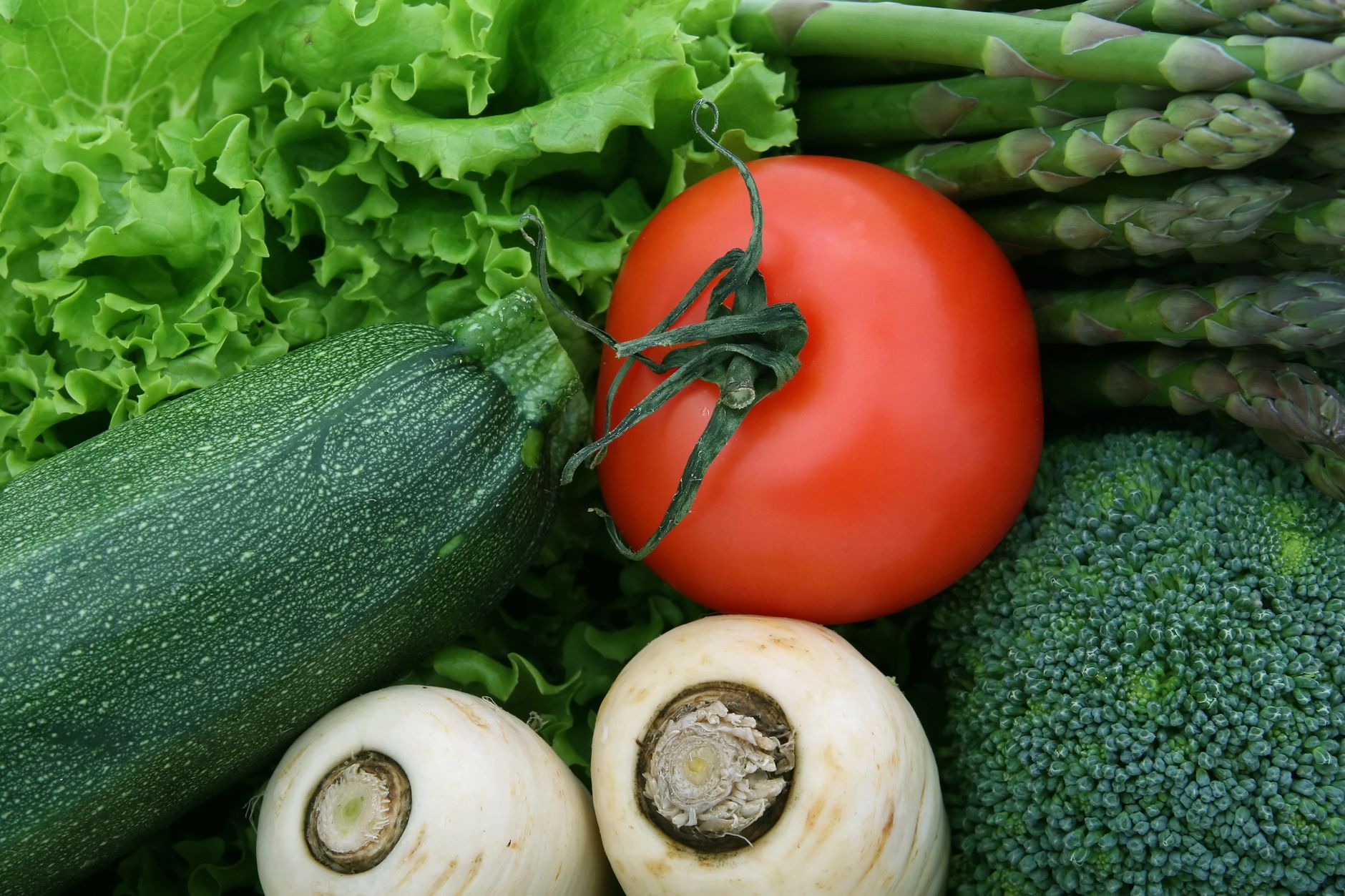
Horseradish earns its place on the table through a mix of chemistry, tradition, and practical cooking value. The list below separates the stronger claims from the softer ones so you can judge horseradish benefits without overreading them.
A Clear Table Of Evidence Strength
| Benefit | Evidence strength | What it means in practice |
|---|---|---|
| Congestion relief | Plausible, short-term | The sharp vapor may open the nose for a brief stretch. |
| Digestive stimulation | Plausible, traditional use | Small amounts may wake up appetite and gastric secretions. |
| Antioxidant support | Plausible | Plant compounds may help reduce oxidative stress. |
| Antimicrobial action | Laboratory based | Sharp compounds show activity in lab settings, not a guarantee in meals. |
| Immune support | Modest | Vitamin C and plant compounds may play a small supporting role. |
| Low-calorie flavor | Well supported | You get strong taste with very few calories in normal amounts. |
| Respiratory comfort | Traditional | People have long used it for cold-season comfort. |
| Metabolic support | Weak to plausible | It may help food feel more satisfying, which can shape meal choices. |
What Each Benefit Means For Daily Use
- Congestion relief: The burn can temporarily open nasal passages and make breathing feel easier.
- Digestive stimulation: A small amount can spark appetite before a heavy meal.
- Antioxidant support: Plant compounds may help your cells handle oxidative stress from normal metabolism.
- Antimicrobial action: Lab findings suggest activity against some microbes, but food use is not the same as a lab dish.
- Immune support: Vitamin C contributes to normal immune function, even though horseradish is not a major source.
- Low-calorie flavor: A little root can replace richer condiments and still keep dinner interesting.
- Respiratory comfort: Warm, pungent foods have long sat beside soups and cold-season meals.
- Metabolic support: A sharper plate may help you feel satisfied with less richness overall.
Three of these stand on firmer ground than the others. Flavor, low-calorie use, and short-term nasal clearing follow directly from the chemistry, while immune and metabolic claims stay more modest and should stay that way.
That same bite can make a meal feel livelier, which helps explain its role at the table.
Clean labels matter here. A jar with added cream, sugar, or heavy salt can erase part of the nutrition story even though the root itself stays simple.
Why Horseradish Can Help With Congestion And Colds
That sharp nose-clearing effect shows up fastest when the root is fresh and newly grated. Allyl isothiocyanate is volatile, so it rises quickly, irritates mucous membranes, and can create the feeling of a more open airway for a short stretch.
That sensation can feel dramatic, but it is local and temporary. Horseradish may ease discomfort during a cold or sinus flare, yet it does not clear an infection, shrink swollen tissue, or replace medical care for fever, severe pain, or symptoms that linger.
How The Heat Acts In The Nose
Capsaicin in chili peppers works one way, and horseradish works another. The root does not rely on the same molecule, but both create a sensory shock that changes how breathing feels, which is why your nose may seem open right after a bite.
Cleveland Clinic and WebMD both frame this kind of effect as symptom relief rather than a cure, and that distinction matters. A spoonful may help you feel less stuffed up at lunch, while a sinus infection still needs proper evaluation if pressure, drainage, or pain keeps building.
Traditional Respiratory Comfort
Herbal traditions have placed horseradish beside winter meals for generations because heat and aroma feel useful during congestion. That history does not prove a medical effect, yet it explains why the root keeps showing up in cold-weather recipes and pungent sauces.
WishGarden Herbs and other herbal labels often lean on this comfort angle, and the reason is practical. People reach for strong flavors when their nose feels blocked, and horseradish delivers a fast sensory hit that a mild vegetable never could.
That cold-season use leads naturally to digestion, because the same bite that stings the nose also changes how a meal feels on the tongue.
Beyond taste, those compounds are also studied for how they may influence the body’s defenses.
Digestion, Appetite, And The Case For Mild Stimulation
Rich food often arrives with horseradish for a reason: the sharp flavor can cut through fat and wake up the palate. That same bite may prompt saliva and gastric secretions, which is why a small amount can feel helpful before or during a heavy meal.
Why Small Amounts Feel Helpful
The stomach tends to respond better to a measured dab than to a loaded spoonful. A thin smear on beef, fish, or roasted potatoes can sharpen the meal without flooding your mouth with heat or irritating the upper gut.
That difference matters for your own response. Gentle stimulation can feel like appetite support, while a bigger hit can flip the script and leave you with burning, burping, or a churning stomach an hour later.
Kitchen Use Beats Supplement Thinking
Horseradish makes more sense as a condiment than as a dose. Food use gives you flavor in context, alongside protein, starch, or vegetables, and that setting is far easier on digestion than treating the root like a concentrated extract.
RxList and EBSCO both tend to frame herb-like ingredients through use, caution, and form, and that lens fits horseradish well. Normal table use gives you the culinary upside without pushing the gut the way a large raw serving can.
One practical example helps here. A teaspoon mixed into yogurt or sour cream on salmon behaves very differently from a heaping spoon eaten straight from the jar, and your stomach usually tells the difference within minutes.
Once you understand that serving size matters, the next layer is the plant chemistry that may support antioxidant and immune function.
Even beneficial compounds have limits, and strong condiments can irritate when the dose creeps too high.
Antioxidant, Immune, And Antimicrobial Effects In Context
Plant chemistry does real work here, even if the work is small. Horseradish contains antioxidant compounds that may help limit oxidative stress, which is the wear and tear created by normal metabolism and outside exposures.
Antioxidants And Oxidative Stress
Antioxidants do not make a food magical. They help buffer reactive molecules, and horseradish brings enough of them to matter as part of a varied diet, not enough to replace vegetables, fruit, or other core foods.
The interesting part is the sulfur chemistry. Isothiocyanates can act as mild stress signals, and that kind of signal may help cells activate their own defense systems. That is a mechanism, not a promise, and the difference keeps the claim honest.
Vitamin C And Immune Function
A small serving of horseradish supplies vitamin C, which helps normal immune function and collagen production. The amount is modest, so it plays a supporting role rather than serving as a major source the way citrus or peppers might.
Sharp plant compounds also show antimicrobial activity in laboratory settings, and that has fed the root’s reputation for decades. Lab activity does not translate cleanly to the dinner plate, though, because stomach acid, dilution, and cooking all change what survives in food.
The compounds make sense biologically, but the practical effect stays supportive, not therapeutic, which is exactly how a condiment should be described.
That support is only useful when the serving stays reasonable, because too much of a strong condiment can turn helpful heat into irritation.
With the cautions in mind, it becomes easier to use horseradish as a bright, versatile kitchen tool.
Safe Portions, Side Effects, And Who Should Avoid It
A little horseradish can brighten a plate; too much can feel like a chemical dare. Spoonfuls of the raw root or an oversized mound of prepared sauce can burn the mouth, trigger reflux, or upset the stomach within a short time.
Normal Amounts Versus Too Much
Small food amounts are the sensible zone for most people. Think in teaspoons mixed into food or used as a condiment, not in large raw piles eaten alone, because the sharp compounds can irritate tissue fast.
What happens after a spoonful depends on the person and the serving. Some people get a quick nose-clearing rush and move on, while others feel watery eyes, chest warmth, burping, or a stomach ache that lingers for hours.
- Acid reflux: Sharp condiments can aggravate burning in the chest or throat.
- Ulcer history: Raw pungency may add discomfort in an already sensitive stomach.
- Mustard-family allergy: Mustard family plants are the issue, not Brussels sprouts or broccoli alone.
- Kidney concerns: Large raw amounts are not a casual choice for anyone with medical restrictions.
- Medication questions: Blood pressure drugs, thyroid care, and other prescriptions deserve professional review before regular use.
People with reflux, ulcers, or a known Brassicaceae allergy should be cautious, and the same goes for anyone pregnant, nursing, or managing a chronic condition. A clinician can sort out whether your meals need limits, because the safe range depends on the whole medical picture.
Severe throat pain, trouble breathing, vomiting, or a rash after eating it deserves prompt medical attention. The root itself is food, not a toy, and strong symptoms mean your body is telling you to stop.
After safety, the next practical question is how to use the root in meals without overwhelming the rest of the plate.
Used well, it can wake up vegetables, cut through fattier proteins, or sharpen sauces without any detox drama.
Everyday Uses That Make Horseradish Practical
A roast dinner is the obvious home for horseradish, but the root can do more than sit next to beef. The trick is to use just enough heat to sharpen the meal without drowning out the main ingredient.
Simple Pairings That Work
| Food | Best use | Why it works |
|---|---|---|
| Roast beef | Small dollop on the side | The bite cuts richness and adds contrast. |
| Seafood | Mixed into a light sauce | The sharp edge lifts mild fish without heavy seasoning. |
| Roasted vegetables | Stirred into yogurt or mustard dressing | Brings depth to carrots, beets, or cauliflower. |
| Sandwiches | Thin smear under meat or cheese | Adds heat without extra calories from richer spreads. |
Fresh horseradish vs prepared horseradish matters most at the table. Fresh root gives a brighter, harsher burn, while prepared condiment feels smoother and may carry more salt or cream, so the right choice depends on flavor and on your stomach.
The liver detox claims need a direct answer. Horseradish does not detox the liver in any proven way, and no condiment can do that job. What it can do is fit into a balanced diet that leaves your liver with less work from excess sugar, alcohol, and highly processed food.
Health benefits of horseradish make sense in that ordinary-food frame. Use it to wake up vegetables, cut through fattier proteins, or sharpen sauces, and you get the culinary upside without pretending the root performs a body cleanse.
Wrap Up
Horseradish earns attention because a small amount changes a meal and a bigger amount can change how your nose feels for a few minutes. The real value sits in its chemistry, its low-calorie punch, and its place as a strong condiment, not in detox myths or exaggerated claims.
FAQ
What healing properties does horseradish have?
Horseradish does not heal disease, but its pungent compounds may offer short-term nasal clearing, modest antioxidant support, and mild digestive stimulation. Those effects come from food chemistry and traditional use, so they belong in the category of support, not cure.
What happens if you eat a spoonful of horseradish?
A spoonful can burn your mouth, sting your nose, and trigger tears or stomach upset. Some people feel a quick sense of clearer breathing, but reflux, burping, or lasting irritation can follow, especially with the raw root or a very hot prepared blend.
Does horseradish clean your liver?
No solid evidence shows that horseradish cleans the liver. The root fits a balanced eating pattern, yet liver function depends on overall diet, alcohol intake, medications, and medical conditions, not on a condiment.
Should I eat horseradish every day?
Small food amounts can fit daily eating for some people, especially as a seasoning rather than a side dish. Daily use is a poor choice for anyone with reflux, ulcers, or mouth sensitivity, because the burn can stack up.
Who should avoid horseradish?
People with acid reflux, ulcer symptoms, mustard-family allergy, or a very sensitive stomach should be cautious. Anyone pregnant, nursing, or taking prescription medicine should ask a qualified clinician before making it a regular habit.
Is fresh horseradish better than prepared horseradish?
Fresh root delivers the cleanest ingredient list and the strongest bite, while prepared horseradish is easier to use and may be milder. The better choice depends on whether you care more about heat, convenience, sodium, or added cream.
