

This small spice can support digestion and nutrition in several everyday ways. The seeds can support digestion, add antioxidants and fiber, and bring a sharp, anise-like flavor through compounds such as carvone and limonene.
This guide covers why caraway has remained a fixture in spice jars and home remedies, outlining nine practical benefits, gut-friendly uses, and the evidence behind teas, seeds, and traditional applications.
Key Takeaways
- Digestive comfort is the clearest use, especially for gas, bloating, and a heavy feeling after meals.
- Whole seeds, tea, and spice blends are the most practical forms for everyday cooking.
- Antioxidants, fiber, and small amounts of minerals add modest nutritional value.
- Traditional use is broader than the research, so some claims deserve more caution.
- Caraway oil is the most concentrated form and needs the most care.
- Portion size matters because larger amounts can bother a sensitive stomach.
Why Caraway Has Stayed Relevant In Kitchens And Home Remedies
A loaf of rye bread, a bowl of cabbage, and a cup of hot seed tea explain the staying power of caraway better than a label ever could. Caraway seed benefits start with flavor, then move into digestion because the seeds contain carvone and limonene, two aromatic compounds that help explain their scent and their reputation after meals.
Caraway sits in two worlds at once: it is a kitchen spice and a traditional digestive aid. You get the best value by separating the everyday uses from the claims that need more caution, so each benefit can stand on its own.
Those aromatic molecules matter because essential oils in herbs do more than add fragrance. They can interact with the muscles and nerves around the digestive tract in subtle ways, which is why a small serving sometimes feels more useful than its size suggests.
Satiety is only part of the picture, and its gentler digestive effects show up most clearly in daily use.
The Nine Benefits That Matter Most
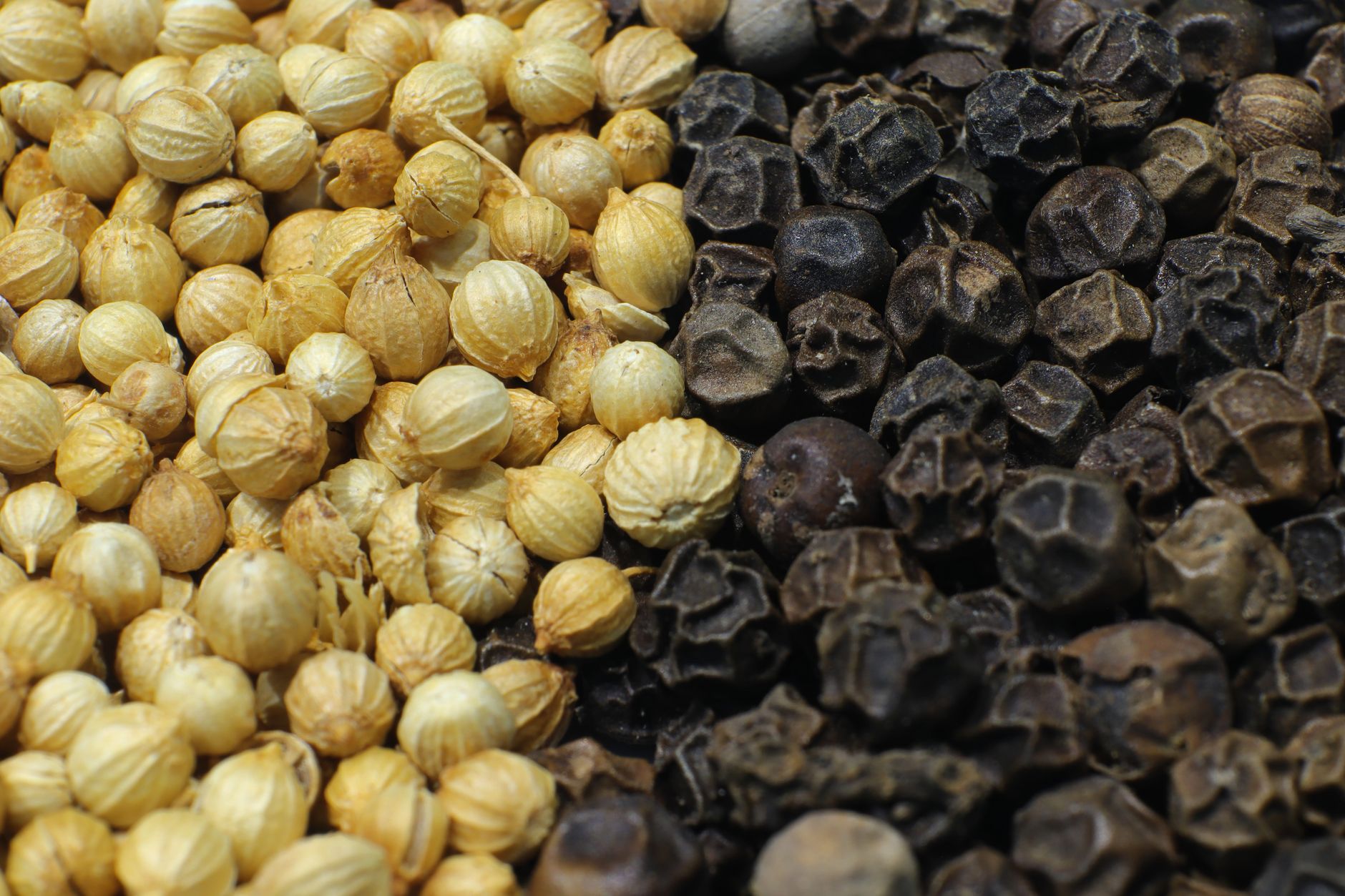
The clearest caraway seed benefits cluster around the gut, while the broader ones involve modest nutrition and plant compounds. A tablespoon of whole seeds gives you flavor, antioxidants, and a little fiber without changing a dish much, which is why the spice fits so easily into daily cooking.
| Benefit | Practical value | Evidence shape |
|---|---|---|
| Digestive comfort | May ease gas, bloating, and fullness after meals | Traditional use with the most real-world support |
| Mild indigestion relief | Can fit after rich meals or heavy spice blends | Mixed, but plausible from carminative oils |
| Appetite support | May help meals feel more appealing | Older culinary tradition, limited modern data |
| Antioxidant activity | Adds protective plant compounds to food | Lab and food-chemistry support |
| Fiber contribution | Supports regular eating patterns and stool bulk | Basic nutrition fact |
| Mineral trace amounts | Provides small amounts of iron, calcium, and manganese | Nutrition profile evidence |
| Anti-inflammatory potential | May help calm inflammatory signals in lab models | Promising but early |
| Blood sugar support | May fit a meal plan that aims for steadier glucose | Limited human evidence |
| Heart-health support | May help through fiber and plant compounds | Indirect and still modest |
Digestive Comfort Comes Out Ahead
Gas and bloating sit at the center of caraway’s reputation for a reason. The seeds are a classic carminative, which means they may help the stomach and intestines move gas along instead of trapping it in the upper abdomen.
That same effect is why caraway tea benefits often show up after large meals in many kitchens. You may notice the difference most after beans, cabbage, fried foods, or a holiday plate that sits heavy in your stomach.
Nutrient Support Stays Modest But Real
Caraway is not a major source of any single nutrient, yet it still contributes useful traces. The seeds bring fiber, a little iron, some calcium, and manganese, which matters more when your meals rely on small additions of herbs and spices.
Antioxidants add another layer. The polyphenols in caraway do not turn the spice into a cure for anything, but they do help explain why a teaspoon or two can matter more than its size suggests.
Broader Claims Need More Care
Anti-inflammatory, blood sugar, cholesterol, and heart-health claims sound attractive, but they sit farther from everyday proof. The chemistry points in a promising direction, yet the practical effect from a normal kitchen serving is probably small.
Caraway seeds for weight loss should stay in the flavor category, not the fat-loss category. A spice that helps meals feel satisfying may fit a lighter eating pattern, though it does not drive weight change on its own.
This practical role becomes easier to judge when the evidence is separated from the older claims surrounding it.
How Caraway Supports The Gut In Everyday Use
A spoonful of seeds after a heavy dinner can feel different from the same seeds baked into bread, and that timing matters. The oils in caraway may relax smooth muscle in the digestive tract a little, which can change how pressure and gas are felt in your belly.
Gas, Bloating, And Heaviness
Caraway seeds for bloating make the most sense after meals that leave you swollen or tight across the waistline. The effect is not dramatic, but a warm cup of caraway tea or a lightly seasoned dish can fit the moment better than another rich dessert.
Fiber adds a second route. Even small amounts can help food move through the gut with less drag, which may reduce the sluggish, packed sensation that follows a dense plate.
Rich Meals Are The Common Test Case
Roast meat, creamy sauces, lentils, and cabbage dishes are classic examples. Those meals slow digestion for many people, and caraway often earns its place there because the flavor matches the food while the oils may ease the after-feel.
The plant works best as a nudge, not a rescue. Once that is clear, the next step is sorting solid evidence from old herbal lore.
Once the evidence is sorted, the real question becomes how to work the seed into meals and tea.
Use caraway as a meal companion, not as a fix for every stomach complaint. A seed tea after dinner fits better than loading food with so much spice that your stomach turns irritated instead of calm.
Where The Evidence Is Strongest, And Where It Gets Thin
The research picture is uneven, and that matters more than glossy claims. Digestive comfort has the most practical support, antioxidant activity is well grounded in chemistry, and several of the other benefits rest on early or indirect evidence.
Better Supported Uses
Caraway’s best-supported role is easing mild digestive discomfort. The seeds have a long history in European, Middle Eastern, and South Asian cooking, and that history lines up with modern interest in carminative herbs such as fennel and anise.
Lab work also keeps finding antioxidant activity in caraway extracts. That does not translate into a disease claim, but it does show the seeds contain active plant compounds rather than just flavor alone.
More Tentative Claims
Blood sugar, cholesterol, weight, and inflammation claims need restraint. Human data are limited, and the results do not justify treating the seeds like a therapy for any health condition.
PMC and other medical databases include small studies and reviews that point toward possible metabolic effects, yet sample sizes stay small and methods vary. That means the signal is interesting, not settled.
Traditional Use Versus Research Use
Traditional medicine often gives you the strongest clues about how a spice is used in daily life, while research tells you how much confidence to place in the claim. Both matter, but they do different jobs.
That split helps you avoid two errors: overpromising the spice and dismissing it entirely. The most useful path is to pair the seed’s culinary value with the claims that have the clearest support, which leads straight into use.
Freshness matters, and the form you choose shapes both flavor and how quickly it fits into cooking.
Simple Ways To Use Caraway Seeds In Food And Tea
To use caraway seeds well, start with dishes that already welcome earthy or tangy flavors. Whole seeds work in rye bread, sauerkraut, cabbage soup, roasted carrots, and spice rubs for pork or chicken.
Whole Seeds For Flavor And Texture
Whole seeds release aroma slowly, so they hold up in heat better than ground spice. A pinch in a pan of onions changes the smell within seconds, which is useful when you want a dish to feel more grounded and less flat.
They also add texture. That matters in bread crusts, slaws, and braised vegetables where a little crunch feels welcome.
Caraway Tea After Meals
A warm cup after dinner often feels best once a heavy meal starts to settle. Steep lightly crushed seeds in hot water, strain them, and sip slowly while the meal settles.
The tea is modest in taste, but the warmth and aroma matter. For some people, that alone makes it easier to feel less full and less tense after dinner.
Powder For Speed
Ground caraway blends in faster than whole seeds, which helps in batters, soups, and dry rubs. The trade-off is scent loss, since the volatile oils escape more quickly once the seed is milled.
That is why the jar on the shelf can smell weaker after a while. A whole-seed jar keeps its character longer, while powder asks for quicker use in recipes.
That difference matters most when dosage and sensitivity come into play, especially with more concentrated forms.
Crush whole seeds right before cooking, and the aroma lands harder. A mortar and pestle or the back of a spoon is enough for most home kitchens.
Choosing Between Whole Seeds, Powder, And Oil
Form changes the experience as much as flavor does. Whole seeds give you the safest, most flexible starting point, while caraway essential oil belongs in a much narrower lane because it is highly concentrated.
| Form | Best use | Caution level |
|---|---|---|
| Whole seeds | Cooking, tea, and spice blends | Lowest |
| Ground powder | Quick mixing into soups, doughs, and rubs | Moderate |
| Essential oil | Rare specialty use under professional guidance | Highest |
Whole Seeds Suit Most Kitchens
Whole seeds keep their oils sealed until heat, chewing, or crushing releases them. That makes them predictable in cooking and easier to portion than powder or oil.
They also fit into more foods. You can toast them with onions, fold them into bread, or steep them in water without changing the texture of the meal too much.
Powder Trades Aroma For Convenience
Ground spice works fast, but it loses lift sooner. That trade-off matters in your pantry, since a fine powder can sit quietly in a jar long after the whole version would still smell lively.
Use powder where smooth texture matters more than aroma, such as soups or batters. It is a practical option, not the most expressive one.
Essential Oil Needs The Most Caution
Caraway oil concentrates the volatile compounds into a tiny volume, so a little goes a long way. That concentration is exactly why it belongs in a different category from kitchen spice.
For home use, the seed is the safer choice. Essential oil deserves professional guidance because concentrated plant oils can irritate tissue or cause unwanted effects more easily than the whole herb.
Those cautions become easier to understand when the seed is compared with its close relatives in everyday cooking.
Serving Size, Side Effects, And Who Should Be Careful
A modest portion is the simplest way to keep this spice easy to tolerate. The seeds carry calories, and a small serving adds flavor without piling on much energy, while larger amounts can irritate a sensitive stomach.
Common Side Effects
- Stomach irritation can happen in sensitive people after larger servings.
- Heartburn may show up in some stomachs that react to strong spice.
- Allergic response is rare but possible with any seed spice.
- Oil sensitivity is more likely with concentrated forms than with whole seeds.
Most kitchen use stays gentle, but the oil form changes the picture. That is the form where caution matters most, since a concentrated extract can act very differently from a spoonful of bread spice.
Who Should Be Careful
Pregnancy deserves a cautious stance because herbal use during pregnancy needs individual review. Medication use also matters, especially when a person manages digestion, blood sugar, or bleeding risk and wants to add strong herbal products.
Seed allergies deserve attention too, since a spice that tastes harmless can still trigger a reaction in a sensitive person. A history of reflux, irritable bowel symptoms, or stomach lining irritation also makes a modest start smarter than a heavy one.
Start with food amounts before trying tea or extract. That gives your stomach a chance to show whether the spice fits your routine.
Practical Portion Sense
There is no universal daily amount that suits every person, and that is the honest answer. A culinary sprinkle in bread or soup fits everyday use better than thinking in supplement-style doses.
That approach keeps the spice in the role it handles best. It also helps you judge caraway seeds side effects in a real meal, where the flavor and the stomach response show up together.
That comparison makes the takeaway easier to trust and remember in the kitchen.
Caraway, Cumin, And Fennel In Plain Language
The three seeds look related in the jar, yet the flavor tells them apart fast. Caraway is sharper and more anise-like than cumin, while fennel leans sweeter and softer.
| Seed | Taste | Common use |
|---|---|---|
| Caraway | Sharp, earthy, lightly sweet, anise-like | Rye bread, cabbage, tea, spice blends |
| Cumin | Warm, nutty, smoky | Chili, curries, roasted vegetables |
| Fennel | Sweet, bright, licorice-like | Tea, sausage, salads, digestion-focused blends |
Flavor Choice Comes Before Wellness Claims
Flavor is the best way to choose among them. Cumin works for deep savory heat, fennel fits a softer sweet edge, and caraway lands in the middle with a crisp, old-world bite.
That distinction matters in practice because the right seed makes a dish easier to finish. A spice that suits the food also makes it easier for you to use it often enough to matter in daily cooking.
Digestive Teas Use Similar Herbs For Different Reasons
Fennel tea and caraway tea show up in the same conversations because both may help a tense stomach feel less crowded. Caraway tastes drier and sharper, while fennel comes off rounder and sweeter.
Choose the one that matches your palate, then judge the result in your own meal routine. A spice that tastes right is far easier to keep in rotation than one that fights the dish.
What To Remember
Caraway works best as a practical kitchen spice with a long digestive history, not as a cure-all. The clearest caraway seed benefits sit around gas, bloating, and post-meal heaviness, while the rest of the claims deserve a lighter touch and a cautious eye.
FAQ
What are the benefits of caraway seeds?
After rich meals, these seeds may help ease gas, bloating, and that heavy, overfull feeling. They also add antioxidants, fiber, and small amounts of minerals, which makes them useful as a flavoring with some nutritional value.
How do you use caraway seeds for bloating?
A small cup of caraway tea after a meal is a common approach, especially after cabbage, beans, or other dense foods. Whole seeds in bread, soup, or a spice blend can also fit the same goal through everyday cooking.
Are there side effects or risks of caraway seeds?
Side effects are not common at kitchen amounts, but stomach irritation, heartburn, and allergic reactions can happen. Caraway essential oil deserves extra caution because concentrated plant oils act more strongly than whole seeds.
How much caraway seeds should you take per day?
There is no single amount that fits every person. Culinary use in bread, soup, or tea keeps the serving modest and is a sensible starting point, especially for anyone watching calorie intake or digestive comfort.
Can caraway seeds help with weight loss?
Used mainly for flavor, this spice is not a reliable weight-control strategy. They may help meals feel satisfying and can fit a balanced eating plan, but they do not drive body-weight change on their own.
Who should not use caraway seeds?
Anyone with a seed allergy, strong reflux, a sensitive stomach, or a pregnancy-related concern should get personal guidance before using caraway in concentrated form. Medication use and chronic digestive symptoms also deserve a professional review.
