

This ginger-family rhizome is prized in kitchens and folk medicine for its sharp, piney citrus aroma and its early research profile. The plant, also called Alpinia galanga, is valued for digestive comfort, antioxidant compounds, and flavor that changes with the form you use.
You can judge galangal more clearly when you separate food use from supplement claims. This overview covers the root, its evidence level, its safety profile, and the situations where the spice fits your routine best.
Key Takeaways
- Antioxidant activity: The root contains polyphenols and essential oils that may help limit oxidative stress.
- Digestive use: Traditional systems use it for bloating, sluggish stomach comfort, and nausea.
- Evidence gap: Many claims come from lab work or folk use, not strong human trials.
- Form matters: Fresh root, dried powder, tea, and capsules can act very differently in your routine.
- Safety matters: Pregnancy, lactation, and medication interactions deserve caution.
What Galangal Is And Why It Matters
That sharp, citrusy bite comes from a rhizome that looks like ginger but tastes more piney and bright. The main kitchen species is Alpinia galanga, a ginger-family plant that also sits in the same botanical neighborhood as turmeric.
Galangal root matters because you can use it in broth, tea, or capsules, but each form delivers a different strength and purpose. Southeast Asian cooks use it in tom yum, curries, and simmered dishes, and that long kitchen history helps explain why galangal benefits keep surfacing in wellness searches.
Why the root draws so much attention
Essential oils give galangal its snap, and polyphenols drive much of the wellness interest. Those compounds are tied to antioxidants, which matter because oxidative stress can wear down cells over time.
That mix of flavor and chemistry makes the root feel more than culinary. A bowl of soup with galangal gives you small, repeated exposure, which fits regular eating better than dramatic promises.
Shared roots can be misleading, though, and the differences become clearer when the evidence is examined closely.
The Benefits Most Worth Knowing First
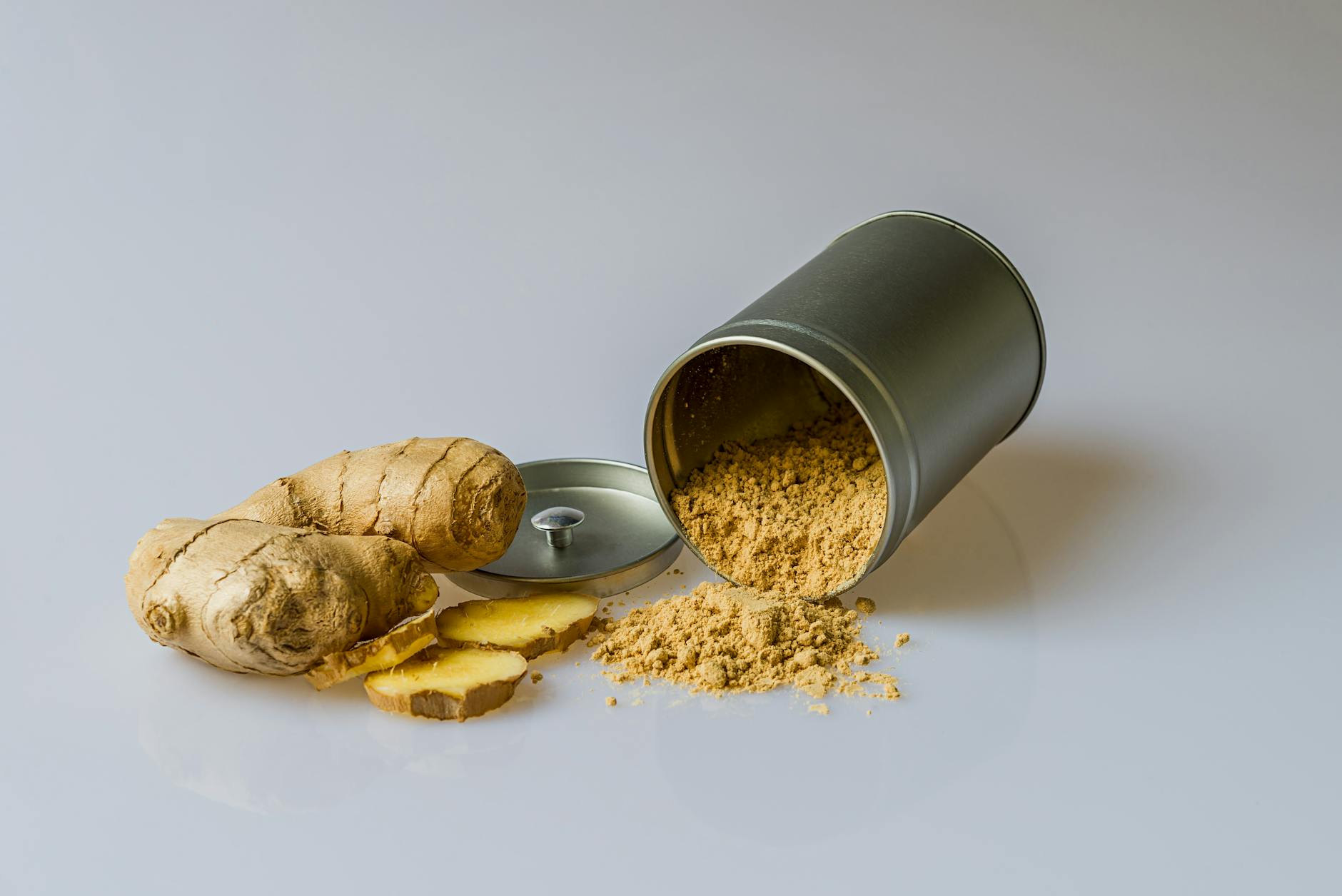
The strongest case begins with antioxidant chemistry, because that is where the clearest lab support sits. Researchers keep finding plant compounds that interact with oxidation, and that gives galangal a real biochemical profile instead of a vague folk reputation.
Digestive comfort comes next in traditional use. People have long used the root for bloating, nausea, and that heavy, stalled feeling after a rich meal, which is why it still shows up in herbal tea blends and mixed spice formulas.
Antioxidants and cell protection
Galangal contains flavonoids and phenolic compounds, both known for redox activity. That does not mean a slice of root fixes a medical issue, but it does explain why the plant keeps showing up in nutrition and chemistry discussions.
The clearest fit comes from food use. A bowl of soup with galangal gives you small, repeated exposure, which suits regular eating habits better than dramatic claims.
Digestive comfort and a lighter stomach
Traditional healers have used the root as a warming, aromatic aid after large meals. The scent can matter, because volatile oils stimulate smell and taste pathways that shape how the stomach feels.
Galangal tea benefits get mentioned often for that reason. A strained infusion feels gentler than chewing raw root, and it may suit your stomach better on a day when strong flavors seem too harsh.
Inflammation and early antimicrobial signals
Some lab work points to compounds that may calm inflammatory signaling and slow the growth of certain microbes in test dishes. The key phrase is test dishes, because that setting is far from the human body and from real infection care.
Even with that limit, the signal matters. It places galangal benefits in the same broad family of plant compounds researchers watch in herbs, spices, and aromatic roots.
That broader comparison also sets up the next question, because the flavor and chemistry of this root only make sense when you place it beside ginger and turmeric.
Careful reading matters here, because some popular uses have stronger support than others.
Where Galangal Resembles Ginger And Where It Does Not
That comparison matters because galangal vs ginger is one of the most common search patterns around the root. Ginger, galangal, and turmeric all come from the same general family, but each rhizome brings a different flavor profile and a different kitchen job.
Ginger leans warm and peppery, galangal tastes brighter and more citrus-like, and turmeric is earthy and yellow-orange. That is why chefs do not treat them as interchangeable in recipes or herbal routines.
| Plant | Flavor | Common kitchen role |
|---|---|---|
| Galangal | Sharp, citrusy, pine-like | Broths, curries, Southeast Asian soups |
| Ginger | Warm, spicy, peppery | Tea, stir-fries, baked foods, marinades |
| Turmeric | Earthy, bitter, slightly mustard-like | Color, seasoning blends, rice dishes |
Why the three roots get mixed up
All three are rhizomes, which means they grow underground on horizontal stems that store energy. That shared shape fools the eye, but taste and aroma tell the real story once you slice them open.
A curry that needs fragrance may call for galangal, while a stir-fry that needs warmth may call for ginger. Using the wrong root can flatten the dish, and that same mismatch carries over into herbal routines.
Those culinary differences matter because the research behind the strongest claims still needs careful reading, especially when a search result makes the plant sound more proven than it is.
Those ordinary uses matter most when the strongest evidence is separated from the surrounding hype.
The Research Behind The Strongest Claims
Traditional use runs much deeper than human trial data, so claim strength varies a lot. The strongest support sits with antioxidant chemistry, while digestion, inflammation, and microbial activity rest on weaker evidence and lab models.
Scientists keep looking at compounds such as galangin, alpinin, and other flavonoids because these molecules can affect oxidation and cell signaling in controlled settings. That does not equal a medical result, but it does explain the interest.
Evidence levels across common claims
| Claim area | Main evidence type | Strength of support |
|---|---|---|
| Antioxidant activity | Laboratory chemistry and animal work | Moderate for mechanism, limited for people |
| Digestive comfort | Traditional medicine and culinary use | Longstanding use, little direct trial data |
| Inflammation support | Cell and animal studies | Promising, but not settled in people |
| Microbial activity | Test tube work | Early signal only |
| Male fertility and testosterone interest | Animal and limited exploratory work | Speculative |
| Skin, hair, and hormonal search topics | Folk use and weak evidence | Very limited |
What the stronger and weaker claims mean
Antioxidant data tells you the plant has active chemistry, which is a real step beyond folklore. The jump from chemistry to a human result still needs direct study, and that gap is where overstatement starts.
Search interest around fertility, cancer-related protection, skin support, and menopause relief reflects curiosity more than proof. Healthline, Drugs.com, and Draxe cover the topic because the root is interesting, not because every claim has equal backing.
That evidence gap also shapes which uses feel practical today, since the clearest value still comes from ordinary cooking rather than from a long list of wellness promises.
Form matters too, since a kitchen spice behaves differently from a tea or capsule.
Fifteen Uses People Associate With Galangal
The list below mixes tradition, culinary use, and early research so you can see what is plausible and what stays speculative. A few items have a stronger basis in chemistry, while others live mostly in folk practice.
That split matters because galangal benefits are not all built the same way. You can use the root as food without pretending every wellness claim carries the same weight.
Digestive and comfort uses
- Digestive calm: Traditional use centers on easing bloating and that stuck, overfull feeling.
- Nausea support: Aromatic teas and soups have long been used after rough meals or travel.
- Possible antiulcer interest: Early lab work has explored whether the root helps protect stomach lining cells.
Inflammation, microbes, and general resilience
- Inflammation support: Plant compounds may affect pathways tied to swelling and tissue irritation.
- Microbial activity: Test tube studies have found activity against certain bacteria and fungi.
- Respiratory use: Folk practice places it in warming drinks for chesty seasonal discomfort.
- Immune support: People often use it in broths and teas during times of strain.
Hormonal, skin, hair, and vitality claims
- Male fertility interest: Animal studies have drawn interest around sperm and hormone markers.
- Testosterone curiosity: Search interest is strong, but human evidence is thin.
- Female health interest: Menopause and cycle-related uses appear in folk traditions, not solid trials.
- Skin and hair uses: Pastes and rinses show up in home remedies, with little direct evidence.
- Oral freshness: Chewing a slice can leave a cleaner mouth feel after strong meals.
- Circulation and vitality: Warming spice traditions link it with alertness and body warmth.
- Antioxidant intake: The root adds plant compounds that help round out a spice-heavy diet.
- Metabolic interest: Some people search for blood sugar or weight support, yet proof stays early.
- Spiritual use: Ritual and symbolic uses appear in some traditions, with evidence limited to culture.
Menopause Natural Solutions and similar niche sources often highlight female symptom interest, while Drugs.com focuses more on usage and interaction cautions. Both angles matter, because your reason for using the root changes how carefully you should judge the claim.
Genuine culinary use still gives the clearest payoff. A soup or broth makes sense on any weeknight, while fertility, skin, and hormone claims need a much higher evidence bar before they deserve confidence.
Once you know where the claims stand, the next step is choosing the form that fits your cooking, tea routine, or supplement shelf.
Those differences explain why caution rises as the dose and concentration increase.
How To Use Galangal In Food, Tea, Or Supplements
Fresh root is the easiest place to start because a thin slice can perfume a whole pot. It works well in soups, curries, and broths where a bright citrus edge fits the dish instead of overpowering it.
Dried powder behaves differently. It spreads through sauces more evenly, but the aroma fades faster than fresh rhizome, so you get less of the sharp lift that cooks want for Southeast Asian recipes.
Simple tea and kitchen use
A basic tea starts with sliced fresh root simmered in hot water until the liquid turns fragrant, then strained into a cup. Honey or citrus can soften the edge, and that makes the drink feel gentler than chewing raw pieces.
Choose tea on days when your stomach feels touchy. A steeped infusion gives you flavor and aroma with less chew, which is easier to tolerate than raw root for many people.
Fresh root, powder, capsules, and extracts
In recipes, fresh root works best, dried powder suits spice blends, and capsules or extracts are usually chosen for packaged routines. A label that names the species, such as Alpinia galanga, tells you more than a vague spice blend ever will.
Quality also depends on storage. Keep fresh rhizomes dry and cool, trim any moldy spots right away, and use powders before their aroma fades, because stale spice gives you less flavor and less useful plant chemistry.
Practical tips for choosing the form
- Choose fresh root: Use it for broth, soup, and dishes that need a clean citrus note.
- Choose powder: Use it for dry rubs, blends, and quick seasoning.
- Choose tea: Use it for a milder aromatic drink after meals.
- Choose supplements carefully: Check the plant name and ingredient list before you buy.
The form you choose also shapes the side effects you might notice, because food-level use and concentrated products do not behave the same way in the body.
That simple approach keeps the herb useful without letting caution get lost in the noise.
Safety, Side Effects, And Who Should Skip It
Stomach upset is the main complaint people report with strong spice or concentrated extracts. Burning, irritation, or loose stools can show up more easily in sensitive people than in someone who cooks with a few slices in broth.
Pregnancy and lactation call for caution. Data are thin, so many clinicians prefer a conservative approach, especially with concentrated forms, mixed herb products, or routines that already include several botanicals.
Medication interactions and routine caution
Medication interactions matter most for blood thinners, diabetes drugs, and layered supplement stacks. A root that seems harmless in food can act differently in a capsule, where the concentration is higher and the label may hide other herbs.
Start with food-level use before any concentrated product. That approach gives you the real flavor and lets you notice stomach sensitivity before the dose gets stronger.
Who should be extra careful
- Pregnant people: Ask a qualified clinician before using concentrated forms.
- People who nurse: Safety data are limited, so caution is the safer move.
- Anyone on blood thinners: Herb and drug overlap can raise interaction concerns.
- People on diabetes medication: Blood sugar routines deserve extra review.
- Sensitive stomachs: High doses can bring irritation faster than kitchen use.
Galangal dosage is not standardized across products, which makes the label more important than any number pulled from a blog or social post. Your best safeguard is a small culinary amount, a single-form routine, and a pharmacist or clinician’s advice for complex medication lists.
What To Remember
The strongest case for galangal is still culinary and chemical, not dramatic or cure-driven. You get the most reliable value from its flavor, its aromatic oils, and its long record in traditional cooking, while the wellness claims stay uneven in strength.
FAQ
What are the health benefits of galangal?
Lab studies point most strongly to antioxidant compounds, traditional digestive relief, and early inflammation-related effects. Claims about fertility, skin, hair, or metabolism are much weaker and should stay in the speculative column.
Is galangal better than ginger or turmeric?
Neither root wins across every use. Ginger suits warm spice notes and tea, galangal fits bright broths and Southeast Asian cooking, and turmeric brings color and earthiness, so the better choice depends on your recipe and your goal.
What are the side effects of galangal?
Some people experience stomach upset, mouth or throat irritation, or loose stools, particularly with stronger preparations. Concentrated extracts may act more intensely than fresh root in food, so your risk changes with the form.
How do you make galangal tea?
Slice fresh root, simmer it in hot water until fragrant, then strain it into a cup. A short steep gives a milder drink than raw root, which is useful when your stomach feels sensitive.
Who should avoid galangal?
Pregnant people, people who nurse, and anyone with complex medication routines should get professional advice before using concentrated products. The same caution applies if your stomach reacts strongly to spicy or aromatic roots.
Does galangal interact with medications?
It may interact with blood thinners, diabetes drugs, and multi-herb routines, especially in supplement form. Food use is less concerning than extracts, but a pharmacist or clinician can review your list for safer use.
