

vitamin B1 thiamine benefits is a simple way to describe how thiamine helps your body turn carbohydrates into usable energy, support nerves, and keep the brain and heart working normally. When intake drops, fatigue, tingling, weak muscles, or mental fog can show up before a clear deficiency pattern forms.
This article covers the science behind thiamine’s role in everyday health, from metabolism and nerve signaling to early warning signs of low intake and which people are most likely to fall short.
Key Takeaways
- Thiamine acts as an enzyme cofactor, so carbohydrate conversion runs more smoothly.
- Nerves, brain, heart, and muscles feel low intake sooner than many other tissues.
- Fatigue and irritability can show up before numbness or serious neurologic change.
- Pork, legumes, nuts, seeds, whole grains, and fortified cereals give dependable intake.
- Alcohol misuse, malabsorption, and restricted eating patterns raise deficiency risk.
- Severe signs need medical evaluation, especially confusion, walking trouble, or heart symptoms.
What Thiamine Does In The Body
As a water-soluble vitamin, thiamine leaves little room for your body to store a large reserve. It helps several enzyme systems move carbohydrate into usable cellular energy, which is why breakfast habits and overall diet quality matter so much during a busy day.
Nervous system function depends on that same chemistry. Brain tissue, heart muscle, and skeletal muscle all need steady energy turnover, and they feel the strain fast when intake falls. A single missed source does not cause a crisis, but a pattern of low intake can change how you feel in small, easy-to-miss ways.
Why Thiamine Acts Like A Metabolic Helper
Thiamine works as a cofactor for enzymes in energy metabolism, including pyruvate dehydrogenase and alpha-ketoglutarate dehydrogenase. Those enzymes sit near the center of the process that turns food into ATP, the cell’s energy currency.
That detail matters because carbohydrate conversion is not just about calories. Without enough thiamine, the body has a harder time moving fuel through the pathway cleanly, and energy may feel flat even before any clear deficiency syndrome appears.
Why Certain Organs Notice Low Intake Fast
The brain uses fuel continuously, and nerve cells need steady chemical signaling to function well. Heart tissue and working muscles also burn through energy at a high rate, so they react faster than slower tissues to a shortage.
That is why thiamine deficiency symptoms can feel broad at the start. Tiredness, poor appetite, or weakness may appear long before the connection becomes clear to a vitamin that affects the brain, heart, and peripheral nerves.
Those everyday clues point to specific patterns, especially when low thiamine begins affecting the body in telltale ways.
Tip: Think in patterns, not single symptoms. A week of low energy means less than repeated fatigue plus tingling, irritability, or appetite changes.
The Eight Benefits That Make B1 Worth Knowing
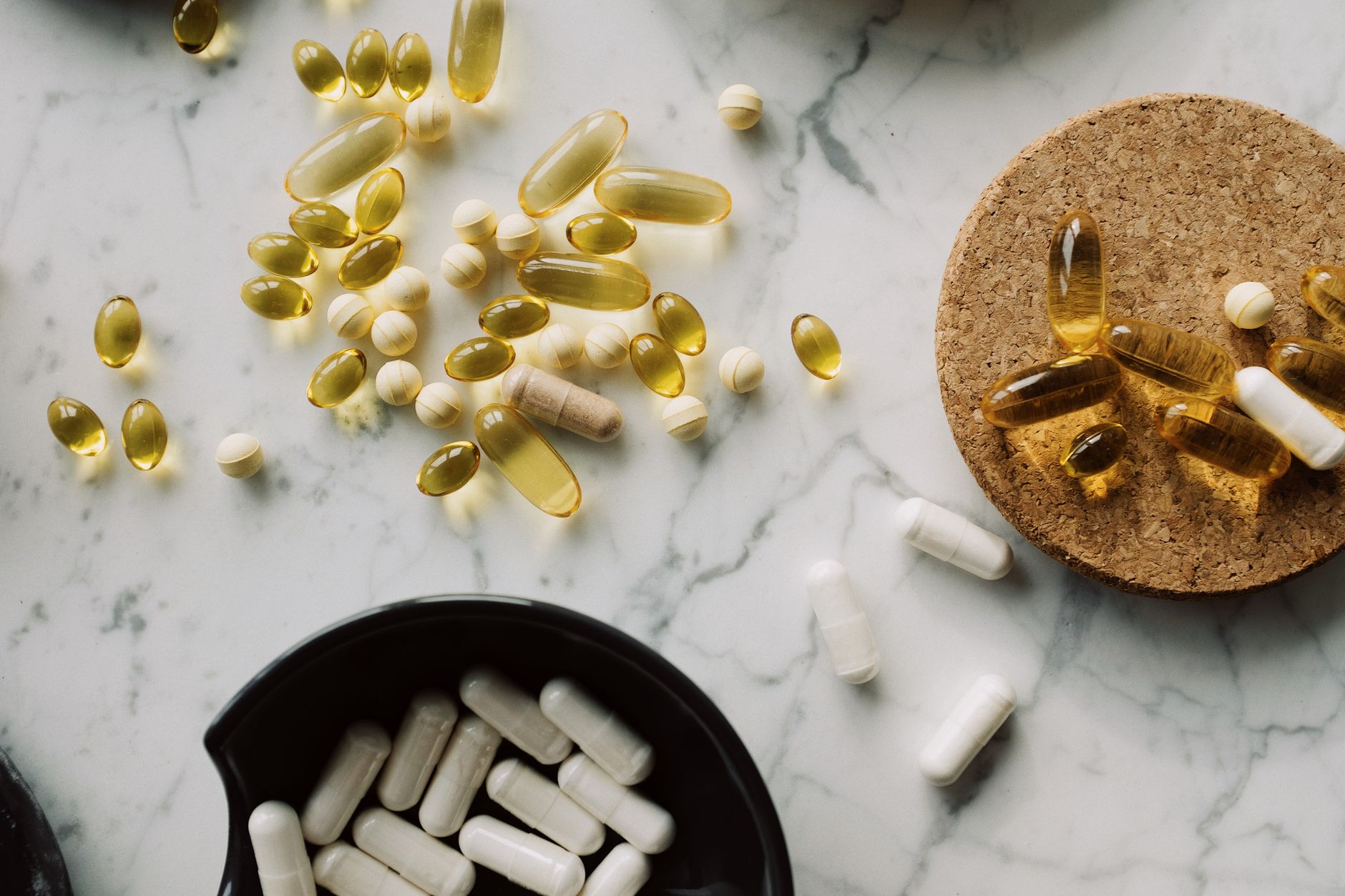
Thiamine benefits show up across metabolism, nerves, muscles, and the heart. Cleveland Clinic and the NIH Office of Dietary Supplements both describe vitamin B1 as part of normal energy production, and that basic role helps explain why low status feels so widespread.
The eight benefits below are connected pieces of the same job, and each one matters in a different body system you rely on every day. You can use that framework to connect what you feel with what the vitamin actually supports.
1. Carbohydrate Energy Conversion
Thiamine helps enzymes move carbohydrate through energy pathways, so food becomes usable fuel instead of stalling in the process. That can matter most on days with higher mental or physical demand.
In practical terms, steady intake may help your body keep energy production running normally rather than limping along. That is the simplest explanation for why vitamin B1 thiamine benefits begin with fuel.
2. Nerve Signal Transmission
Nerve cells need energy to send and receive signals, and thiamine helps that machinery stay active. This is one reason peripheral nerve health comes up so often in discussions of B1.
Tingling, numbness, or a burning sensation in the feet can be a clue that nerve tissue is under stress. Those signs do not prove deficiency on their own, but they deserve attention when they appear with poor intake or alcohol misuse.
3. Brain Performance And Mental Clarity
The brain is a high-demand organ, and its cells are sensitive to shortages in energy metabolism. A steady thiamine supply helps maintain the chemistry behind attention, memory, and processing speed.
Medical News Today and PubMed Central both discuss the link between thiamine and neurologic function, especially in deficiency states. That is why fogginess, irritability, and confusion matter more than a simple energy complaint might suggest.
4. Heart Function And Circulation
Heart muscle uses energy nonstop, so thiamine status can matter for rhythm and pumping strength. Severe deficiency has long been linked with cardiovascular problems, including wet beriberi in medical literature.
Your circulation does not rely on one nutrient alone, but thiamine helps the heart run its energy systems in a normal way. That connection is one reason low intake can feel like general weakness rather than a neat, isolated symptom.
5. Muscle Work And Physical Stamina
Muscle contraction needs ATP, and thiamine helps make that ATP available from carbohydrate pathways. That is why endurance, coordination, and day-to-day movement can feel off when status drops.
A long walk, a stair climb, or carrying groceries becomes harder when energy turnover lags. The vitamin may stay out of sight during movement, yet muscles depend on it every time they contract.
6. Enzyme Support Across Energy Pathways
Thiamine is part of a wider vitamin B complex that helps multiple metabolic steps work together. It also supports enzymes beyond one single pathway, which is why it shows up in broad discussions of nutrient adequacy.
One expert-level detail matters here: thiamine diphosphate is the active form used by cells. That form helps carbohydrate metabolism keep moving through the citric acid cycle and related reactions, so the vitamin acts more like a tool than a fuel source.
7. Protection Against Deficiency Syndromes
Enough intake helps keep classic deficiency syndromes, including beriberi, from appearing. Beriberi can involve nerve, heart, or mixed symptoms, which shows how central thiamine is to basic physiology.
Wernicke-Korsakoff syndrome is another serious thiamine-related condition tied to severe deficiency, especially in the setting of alcohol dependence. Cleveland Clinic and NIH materials both treat that risk as a medical concern, not a casual nutrition issue.
8. Fewer Diet-Linked Low Energy Spirals
Low thiamine intake can make a vague tired spell feel more persistent because the underlying energy pathways stay strained. That does not mean every tired day is a vitamin problem, but the nutrient belongs in the picture.
Examine.com and NIH Office of Dietary Supplements both frame B1 as a practical nutrient for adequacy, not a stimulant. That distinction helps you stay grounded while you sort out whether diet, stress load, sleep, or another factor is driving the slump.
| Benefit | Body System | What You May Notice |
|---|---|---|
| Carbohydrate energy conversion | Cell metabolism | Better fuel handling during busy days |
| Nerve signal transmission | Peripheral nerves | Less chance of tingling tied to low status |
| Brain performance | Central nervous system | Cleaner focus and steadier mental pace |
| Heart support | Cardiovascular system | Better tolerance for daily workload |
| Muscle function | Skeletal muscle | More reliable movement and stamina |
| Deficiency defense | Whole body | Lower chance of beriberi patterns from low intake |
Thiamine deficiency symptoms can start as small changes and then move fast. That speed matters because body stores are limited, so a mild dip can become a serious problem faster than many people expect.
That timing shapes what you should watch for next. The next section shows where low thiamine usually appears first and how the pattern differs from ordinary tiredness.
That progression is why certain habits and health conditions deserve extra attention when thiamine stores start to slip.
Where Low Thiamine Shows Up First
Fatigue is usually the earliest clue, and it rarely arrives alone. Poor appetite, irritability, and a general sense of weakness often sit beside it, which makes the problem easy to blame on sleep or stress.
The nervous system often sends sharper signals next. Tingling, numbness, or burning in the feet and hands can point toward peripheral nerve stress, and that pattern deserves more respect than a random ache.
Mild Low Intake And Growing Deficiency
Small intake gaps tend to feel vague. A flat morning, reduced interest in food, or physical tasks taking more effort than usual can all fit the picture.
As the shortage grows, symptoms become more specific. Beriberi may involve weakness, nerve trouble, swelling, or heart strain, while Wernicke-Korsakoff syndrome can bring confusion, balance trouble, and memory change.
Symptoms That Need Faster Attention
Confusion, trouble walking, or a racing heart are not ordinary nutrient complaints. Those signs can point to severe deficiency or another urgent medical issue, and they deserve a prompt clinical review.
That same caution applies when symptoms cluster after heavy alcohol use or poor eating. A short delay can matter because thiamine-related neurologic change may become harder to undo once it has progressed.
When risk is higher, the simplest fix often begins with ordinary meals that can quietly restore intake.
Warning: Sudden confusion, balance loss, or chest symptoms should not be brushed aside as simple low energy. Those signs need medical evaluation.
Who Is More Likely To Run Low
Low intake is the most obvious risk, but it is not the only one. Restricted eating patterns, limited access to fortified foods, and a very narrow diet can all leave you short over time.
Alcohol misuse is one of the classic risk factors because it can reduce intake, absorption, and storage at the same time. Malabsorption, gastrointestinal surgery, inflammatory bowel disease, and other digestive disorders can also lower status even when food intake looks decent.
Diet Patterns That Leave Gaps
- Very narrow menus can leave out whole grains, legumes, and fortified grain products.
- Low appetite periods reduce total food intake and shrink nutrient variety.
- Highly refined grain habits remove a major natural source of B1.
- Food insecurity can limit access to thiamine-rich staples and fortified foods.
Medical And Life Situations That Raise Risk
Older adults can run low more easily because appetite, digestion, and medication schedules can all shift with age. People with chronic illness or higher calorie needs may also need closer attention, especially during recovery from illness or surgery.
Diabetes appears in deficiency discussions because metabolic stress and certain complications can overlap with low nutrient status. PubMed Central reviews also note that alcohol dependence remains one of the strongest clinical warning flags, which is why a nutrition history matters so much in care.
Once you know who is at risk, food becomes the most practical place to start. The next section shows which choices actually move intake in a real kitchen, not a textbook pantry.
Even with a fuller pantry, supplements and safety still matter when intake needs to be precise.
Food First: The Most Practical Thiamine Sources
Pork, legumes, nuts, seeds, and whole grains give dependable thiamine without forcing a complicated menu. Those foods fit into breakfast, lunch, and dinner in a way that is easier to sustain than chasing one perfect source.
Fortified cereals, breads, and grain products can also raise intake with very little friction. The key is consistency, because thiamine is a water-soluble nutrient and your body depends on regular intake rather than a large reserve.
Everyday Foods That Pull Their Weight
- Pork supplies a strong natural source that fits into simple meals.
- Beans and lentils add thiamine plus fiber and protein.
- Sunflower seeds and nuts work well as snacks or salad toppings.
- Whole grain bread and brown rice bring thiamine into common meals.
- Fortified breakfast cereal can help on days with a short morning routine.
How To Put Sources Together
A sandwich on whole grain bread, a bean soup, and a side of nuts or seeds gives more coverage than one isolated food. That kind of meal pattern matters because thiamine intake is a daily habit, not a one-time fix.
For example, a lunch of pork and brown rice gives two useful sources in one plate. Another day, lentil chili with whole grain toast can cover the same ground without feeling repetitive.
The FoodData Central database from the United States Department of Agriculture lists nutrient values for foods, and that database matters because package labels do not always show everything you need. It helps you see which staples quietly carry more B1 than you expected.
That difference makes dosing easier to manage, and it leads naturally to the main takeaway.
Supplements, Safety, And When Medical Advice Matters
A supplement can make sense when intake is low, absorption is impaired, or a clinician has reason to suspect deficiency risk. That decision belongs to the larger health picture, not just a label claim, because symptoms and causes vary a lot from person to person.
Thiamine is water-soluble, so excess is usually excreted in urine rather than stored for long periods. Even so, vitamin B1 side effects can happen, and any new product can interact with your situation, especially during pregnancy, nursing, medication use, or chronic illness.
Common Safety Points To Keep In View
- Digestive upset can appear with some forms or in sensitive stomachs.
- Rare reactions may occur, especially with injectable forms used in medical settings.
- Mixed supplements can include other ingredients that change how you feel.
- Drug and condition reviews matter more than brand claims or label promises.
Signs That Call For A Clinician
Severe weakness, confusion, balance trouble, heart symptoms, or a history of alcohol misuse belong in a medical visit rather than a self-directed fix. That is true even when the problem seems nutrition-related, because the neurologic and cardiac stakes are too high to guess.
Thiamine deficiency symptoms can overlap with anemia, infection, thyroid issues, and other conditions, so the label is not something to assign casually. A qualified clinician can sort out intake, absorption, and broader causes, then decide whether the next step is dietary change, lab work, or another plan.
One more point matters for safety: more is not automatically better. High-dose vitamin B1 thiamine benefits are not the goal here, because your body handles this nutrient differently from fat-soluble vitamins, and that changes how excess behaves.
Wrap Up
Thiamine matters because it sits inside the systems that make energy, nerve signals, muscle work, brain activity, and heart function possible. The biggest return comes from steady intake through food, then a careful medical conversation only when symptoms or risk factors make that step sensible.
FAQ
What does vitamin B1 thiamine do for your body?
Thiamine helps enzyme systems turn carbohydrates into usable cellular energy and keeps nerve, brain, muscle, and heart tissue working normally. It is a water-soluble B vitamin, so regular intake matters more than long-term storage.
What organ does thiamine affect?
Thiamine affects several organs at once, especially the brain, heart, nerves, and muscles. Those tissues use energy at a high rate, which is why they can show low-status signs sooner than slower tissues.
What are the first signs of B1 deficiency?
Fatigue, irritability, poor appetite, and general weakness are common first signs. Tingling or numbness can follow, and worsening symptoms may move toward beriberi or Wernicke-Korsakoff syndrome.
How much vitamin B1 do adults need per day?
The recommended vitamin B1 intake varies by age, sex, and life stage, so the NIH Office of Dietary Supplements is the safest reference point for exact numbers. A clinician can also adjust guidance for pregnancy, nursing, illness, or low intake risk.
Can you take too much vitamin B1?
Thiamine is water-soluble, so the body usually removes extra amounts in urine. High intake still deserves caution because side effects and product interactions can happen, especially with mixed formulas or medical conditions.
What foods are high in thiamine?
Pork, legumes, nuts, seeds, whole grains, and fortified cereals are dependable sources. A mix of these foods across the day gives you better intake than relying on a single item.
