

Benefits of curry powder come from a blend of turmeric, cumin, coriander, fenugreek, and other spices that add flavor with very few calories. To use it well, you get a modest mix of antioxidant and anti-inflammatory compounds, plus a practical way to support digestion, heart health, and better seasoning.
This guide explores what curry powder may contribute beyond flavor, including its spice blend, the research behind possible health effects, and where caution matters for anyone cooking with it regularly.
Key Takeaways
- Flavor first: Curry powder adds strong taste with very few calories, which can make meals feel satisfying.
- Plant compounds: Turmeric, cumin, coriander, and fenugreek bring compounds linked with antioxidant activity.
- Digestive support: Aromatic spices may stimulate digestive secretions before and during meals.
- Less sodium: The blend can help you rely less on salt while still making food taste bold.
- Mixed evidence: Claims for heart health, blood sugar, and brain health depend on the spice mix and the dose.
- Modest effect: The benefits of curry powder are smaller than many headlines suggest because food amounts are limited.
What Curry Powder Contains And Why It Matters
The blend changes the health story because it is not a single spice. Turmeric brings curcumin, cumin adds aromatic oils, coriander contributes plant compounds like linalool, and fenugreek brings bitter notes that can affect taste and digestion.
Those ingredients matter because each one carries a different set of phytochemicals. Curcumin gets the most attention for antioxidant activity, while the other spices add small amounts of vitamins, minerals, and volatile compounds that shape flavor and body response.
The usual spice mix inside the jar
Common blends include turmeric, coriander, cumin, fenugreek, ginger, black pepper, mustard, and chili. Black pepper matters because piperine can influence curcumin bioavailability, which is one reason turmeric gets paired with it in foods and extracts.
That chemical detail helps explain why curry powder and turmeric do not behave the same way in the kitchen. The blend gives a broader set of compounds, but less of any single one than a spoon of turmeric alone.
Why small amounts still count
The compounds are present in modest levels, so the effects are gentle rather than dramatic. Think of curry powder as a seasoning that nudges your meal in a healthier direction, not a concentrated source of a single active ingredient.
That distinction keeps the benefits of curry powder in perspective and sets up the more practical question of what those benefits can reasonably look like in day-to-day meals.
Even so, the strongest claims depend on how the dish is built, not just the spice itself.
Eight benefits most often linked to curry powder
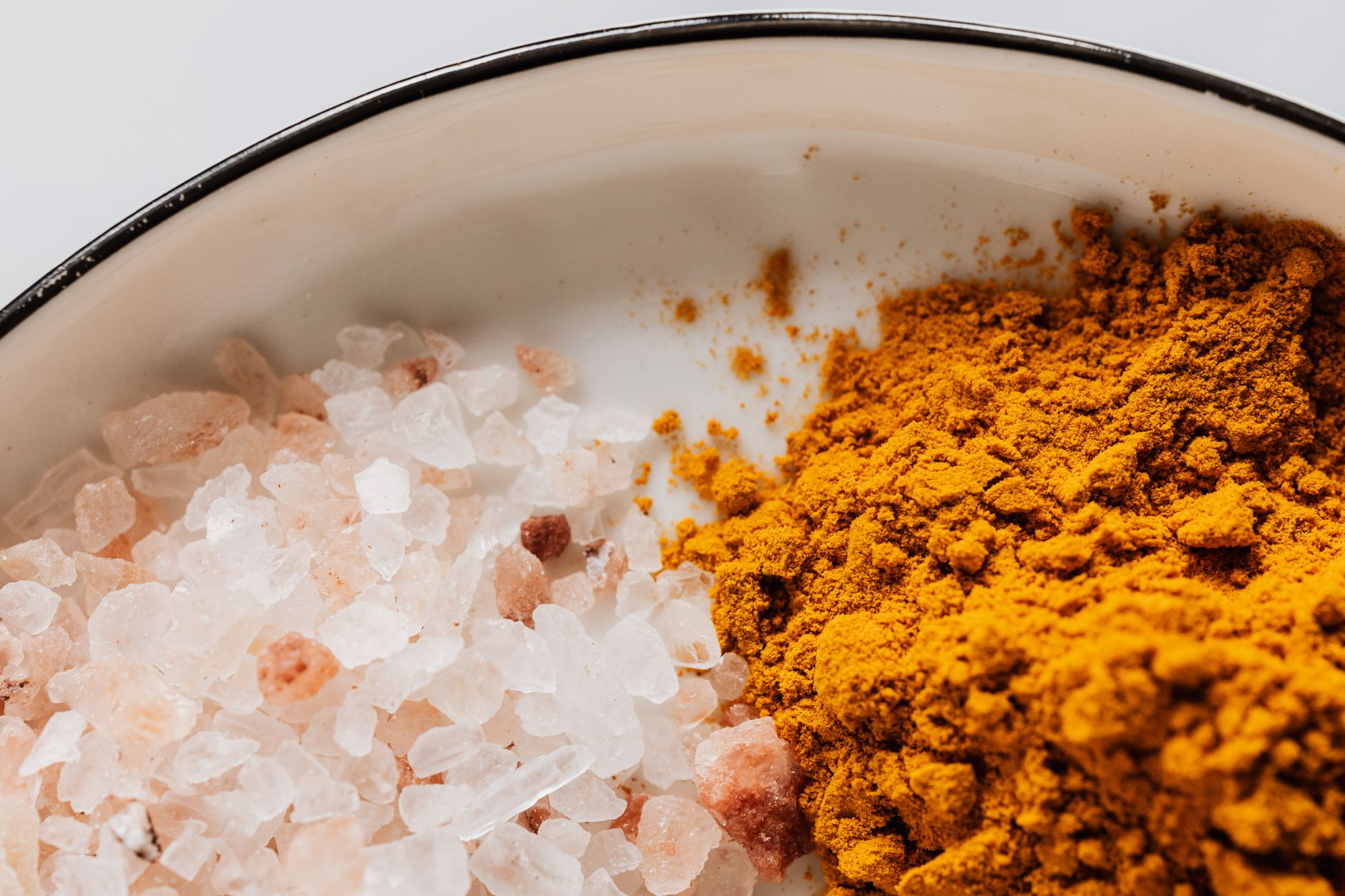
Those eight themes show up again and again in nutrition discussions, and they are not all equal. Some rest on direct chemistry, while others come from the way the seasoning changes food choices and eating habits.
Antioxidant activity from spice compounds
Turmeric is the headline ingredient here because curcumin can help reduce oxidative stress in laboratory settings. Cumin, coriander, and fenugreek also add antioxidant compounds, so the mix works like a small team rather than a solo act.
Oxidative stress happens when reactive molecules outpace the body’s defenses. Food patterns rich in plant compounds matter because they can help tip that balance back toward normal, even though curry powder by itself is only one piece of the picture.
Anti-inflammatory potential in the blend
Curcumin has been studied for effects on inflammatory signaling pathways such as NF-kB, which helps control how cells respond to stress. That does not mean a spoonful of seasoning acts like medicine, but it helps explain why curry powder and inflammation are linked in health coverage.
The anti-inflammatory discussion is strongest for individual spice compounds and concentrated preparations. In everyday cooking, you still get a small contribution that may fit well inside a diet pattern built around vegetables, legumes, fish, and olive oil.
Digestive support from aromatic spices
Spices with strong aroma can stimulate salivation and other digestive secretions before food even reaches the stomach. That is one reason a meal seasoned with curry powder may feel more satisfying and easier to eat than the same dish left bland.
Ginger, cumin, coriander, and fenugreek are the pieces most tied to this effect. For you, that can mean less heavy reliance on creamy sauces or extra salt to make a meal feel finished.
Heart-health potential through better seasoning choices
One of the clearest health benefits of curry powder is indirect: it helps you flavor food without piling on sodium. A lower-salt rice dish, lentil soup, or roasted vegetable tray matters more for heart health than any single spice claim. That aligns with practical guidance from the American Heart Association.
Some research also looks at blood vessel function and lipid markers from individual spice compounds, but that evidence is uneven. The realistic gain is that curry powder can help your plate taste complete while you keep the rest of the recipe lighter.
Blood sugar response after meals
Fenugreek and turmeric get the most attention in this area because they have been studied for possible effects on post-meal glucose response. The findings are mixed, and the ingredient amounts in normal cooking are small, yet the signal is strong enough to keep researchers interested.
For your meals, the more reliable win is what comes with the seasoning, not just the seasoning itself. Curry powder in a chickpea stew or vegetable curry can make high-fiber foods more appealing, and that food pattern matters more than a spice claim alone.
Brain-health interest in aging research
Curcumin is the main reason this spice blend keeps appearing in discussions of cognitive aging and Alzheimer’s disease. The idea is biological, not magical: compounds that influence inflammation and oxidative stress may matter to brain cells over time.
That said, the amount in a typical recipe is small, and the human evidence is far from settled. Treat the brain-health angle as a research topic, not a promise. That caution matches the National Institute on Aging’s plain-language approach to dietary claims.
Antibacterial and antifungal activity in the lab
In laboratory work, several spice compounds have shown antibacterial and antifungal activity. That means they can slow certain microbes under controlled conditions, but food use does not turn curry powder into a disinfectant.
Use that fact as a clue about chemistry, not as a health claim. The spices have biologically active molecules, and that helps explain why they smell intense, taste layered, and behave differently from plain salt.
Satiety from bold flavor
Strong seasoning can make a meal feel complete before portions creep upward. That matters because flavor satisfaction can help you stop at a reasonable serving of rice, chicken, lentils, or vegetables.
A lunch of curried lentils with roasted cauliflower, for example, may feel richer than the same bowl with only salt and pepper. That kind of meal design is where the benefits of curry powder show up in real life.
When evidence varies by ingredient, the question becomes which form works best in the kitchen.
Where the research is stronger and where it is still thin
The strongest evidence sits around antioxidant and anti-inflammatory activity, especially for turmeric and curcumin. Those findings are repeated in cell studies, animal work, and some human nutrition research, but the dose used in studies is usually far higher than what you get from a normal recipe.
Most studies examine single spices or concentrated extracts, not the full curry powder blend in a standard meal. That difference matters because food use gives you smaller amounts and a wider mix of compounds, which makes the real-world effect milder.
What the stronger data actually shows
Curcumin gets the most attention because it is the best-studied compound in the blend. Research on inflammation, oxidative stress, and lipid markers is suggestive, but curry powder itself has not been studied as cleanly as turmeric extract or isolated curcumin.
That means headlines can sound more certain than the evidence really is. A food ingredient can be worth using without pretending it has the same level of proof as a medical therapy, and that is where balanced nutrition advice stays honest.
What stays preliminary
Claims about cancer, brain aging, and immune support are the most likely to overreach. Some lab and early human studies are interesting, yet they do not show that curry powder cures, prevents, or reverses disease.
For you, the safe reading is simple: the blend can be part of a healthier pattern, but the evidence is uneven and ingredient dependent. That leads neatly into the practical comparison with turmeric.
That contrast matters because everyday cooking usually rewards flexibility more than precision.
Curry powder versus turmeric in everyday use
Turmeric is a single spice, while curry powder is a mixture that often includes turmeric along with cumin, coriander, and fenugreek. That difference changes both the flavor and the amount of curcumin you get per teaspoon.
| Feature | Turmeric | Curry Powder |
|---|---|---|
| Plant form | Single spice root powder | Spice blend with several ingredients |
| Main compound of interest | Curcumin | Some curcumin, plus other spice compounds |
| Flavor profile | Earthy, mild, bitter | Layered, savory, sometimes hot |
| Best kitchen use | Focused turmeric flavor | All-purpose seasoning for mixed dishes |
Turmeric usually delivers more curcumin per teaspoon, so it makes more sense for a focused curcumin angle. Curry powder makes more sense for daily cooking because it is easier to use in soups, eggs, grains, and roasted vegetables.
That practical split matters more than a label fight. One is better for a narrow ingredient goal, and the other is better for broad, repeatable flavor.
Enjoying that flavor is one thing, but certain situations call for a closer look at safety.
Ways curry powder can fit into a healthier meal pattern
A small spoon in the right dish can do more than a heavy shake over bland food. Curry powder pairs well with ingredients that already carry fiber, protein, and healthy fat, which is where meals feel steady instead of flat.
Start with mild amounts in a skillet or soup pot, then taste before adding more. That keeps the spice from taking over your meal while still giving you its full aroma.
- Vegetables: Toss cauliflower, carrots, or green beans with olive oil and curry powder before roasting.
- Soups: Stir it into lentil, pumpkin, or tomato soup for deeper flavor without extra salt.
- Protein dishes: Use it on chicken, fish, tofu, or eggs for a quick weeknight change.
- Grain bowls: Mix it into rice or quinoa with chickpeas and herbs for a fuller taste.
- Yogurt sauces: Blend a little into plain yogurt for a fast dip or drizzle.
Healthy fats matter here because curcumin is fat-soluble, so a little olive oil, yogurt, or coconut milk can help the flavor carry through the dish. That does not make the spice a drug, but it does make the meal more satisfying and useful.
A dinner of salmon, brown rice, and curried broccoli is a good example of how the benefits of curry powder show up without fanfare. The seasoning helps the plate taste bigger than the calories suggest.
Those concerns are easier to manage when daily use stays moderate and consistent.
Who should be cautious and what side effects to watch for
Spice blends can irritate the stomach, especially in a person with reflux, gastritis, or a low tolerance for heat. Curry powder side effects are usually mild in food amounts, yet a large amount can still bring burning, bloating, or an upset stomach.
Allergy risk matters too because blends may include mustard, sesame, dairy powder, or traces from shared processing lines. Always check the label on packaged mixes, since the ingredient list can change from brand to brand. That kind of label reading lines up with FDA allergen guidance.
Digestive irritation and reflux
Chili-heavy blends can trigger heartburn, and even milder mixes can feel rough on an empty stomach. You will notice the difference most in soups or sauces that are very acidic or heavily spiced.
People with irritable bowel symptoms or frequent reflux often do better with smaller amounts mixed into cooked food, not sprinkled heavily at the table. That keeps flavor while lowering the chance of irritation.
Medication and diet cautions
Frequent use deserves extra care for anyone on a restrictive diet or using medications that affect clotting or digestion. Curcumin and other spice compounds can interact with absorption or tolerance in ways that deserve professional review.
Pregnancy, nursing, and chronic digestive conditions also deserve caution. A registered dietitian or clinician can help you judge whether a normal kitchen amount fits your situation.
That steady role is what makes it worth one last look before wrapping up.
A practical rhythm for safe, useful daily cooking
A realistic serving approach is small and steady, not concentrated and heroic. Treat curry powder as a seasoning you use across the week, the same way you might use garlic, oregano, or black pepper, rather than as a special health product.
- Use a light hand: Start with a small amount in a recipe, then adjust only after tasting the finished dish.
- Rotate dishes: Use it in vegetables, beans, eggs, soups, and fish so your meals stay varied.
- Pair with fat: Add olive oil, yogurt, or coconut milk where the recipe fits to carry flavor.
- Watch the salt: Let the seasoning do part of the flavor work so you do not reach for extra sodium.
- Track comfort: Back off the heat level fast, because your stomach often tells you more than the label does.
A weekly rhythm like this is where the it become practical. You get better-tasting vegetables, more interesting legumes, and a lower chance of relying on salty sauces that crowd out other flavors.
Used that way, curry powder works best as part of an overall healthy diet, not as a cure-all. The blend earns its place by making good food easier to eat again and again.
Final Thoughts
Curry powder is worth using because it brings flavor, plant compounds, and a small nutritional edge to ordinary meals. Its strongest value comes from the way it helps you cook better food with less salt and more variety, while the bigger health claims stay modest and ingredient dependent.
FAQ
What are the health benefits of curry powder?
The main health it come from its spice compounds, which may add antioxidant activity, mild anti-inflammatory effects, digestive support, and better flavor with little calorie load. The size of the effect depends on the blend and the amount you use.
What does curry powder do for your body?
It adds aromatic compounds that can stimulate appetite, support meal satisfaction, and contribute small amounts of plant chemicals that matter in a balanced diet. It does not act like a medicine, and the effects stay modest in normal food amounts.
Are there any downsides to eating curry powder?
Stomach upset, reflux, and irritation can happen, especially with spicy blends or larger amounts. Allergy concerns matter too, so you should check labels for mustard, sesame, dairy, or cross-contact from shared processing.
Which is healthier, turmeric or curry powder?
Turmeric is better for a focused curcumin angle because it is a single spice with that compound at higher concentration. Curry powder is better for everyday cooking because it brings broader flavor and can help you use more plant-based meals.
How much curry powder should you use each day?
A small amount used in food is the most practical approach, since curry powder works best as a seasoning, not a supplement. Your comfortable amount depends on heat tolerance, digestive sensitivity, and the rest of the recipe.
