

Reducing visceral fat, subcutaneous fat, bloating, and water retention at the same time is usually the key to a flatter waist. The fastest safe shift comes from a calorie deficit, more protein intake, better sleep quality, and daily movement, so your waist can look smaller within a week.
This guide covers the practical steps behind a flatter midsection, from what’s really causing abdominal bulge to a seven-day reset for eating, movement, and sleep that can help when a pot belly shows up suddenly.
Key Takeaways
- Fat loss is whole-body loss. Your middle shrinks through lower overall calories, not stomach-only training.
- Protein and fiber matter. Meals that include both help you feel full and cut down on grazing.
- Liquids matter fast. Sugary drinks and alcohol can hide a large share of extra calories.
- Walking adds up. Daily steps burn energy without leaving you too tired to stay consistent.
- Waist checks beat scale panic. Clothing fit, photos, and waist circumference show changes the scale can miss.
What a pot belly really is and why it shows up
A soft belly, a tight belly, and a rounded lower waist can come from different things, and that difference changes your plan. Visceral fat sits deeper around organs, subcutaneous fat sits under the skin, bloating comes from gas or fluid, and posture can push the abdomen forward even in lean people.
Visceral fat carries the bigger concern
Visceral fat is the deeper kind, and that placement makes it more tied to blood sugar trouble, high blood pressure, and unhealthy cholesterol patterns. Mayo Clinic and Johns Hopkins Medicine both point to abdominal fat as a marker worth watching because fat around the organs behaves differently from fat just under the skin.
That deeper fat also tends to hang on during stress, short sleep, and long stretches of sitting. Your waist can stay stubborn even when the rest of your body changes, which is why spot reduction from crunches never delivers the result you want when you are trying to get rid of a pot belly fast.
Bloating, water retention, and posture can fake fat gain
Lunch can leave your stomach flatter by morning or fuller by evening, and that swing is not pure body fat. Carbonated drinks, salty meals, constipation, poor sleep, and menstrual-cycle shifts can all change abdominal size for a day or two.
Posture adds another layer. An anterior pelvic tilt or relaxed core can make your lower belly stick out, so you may need better sitting and standing habits along with fat loss to get the look you want. That sets up the real task of how to reduce belly fat in 7 days without doing anything extreme.
That mix of fat, bloating, and posture is why the first week should focus on the biggest visible levers, starting with food and drinks.
Simple meals make the calorie gap easier to maintain, and that pattern sets up a full week of reset-friendly choices.
The fastest safe way to shrink your waist
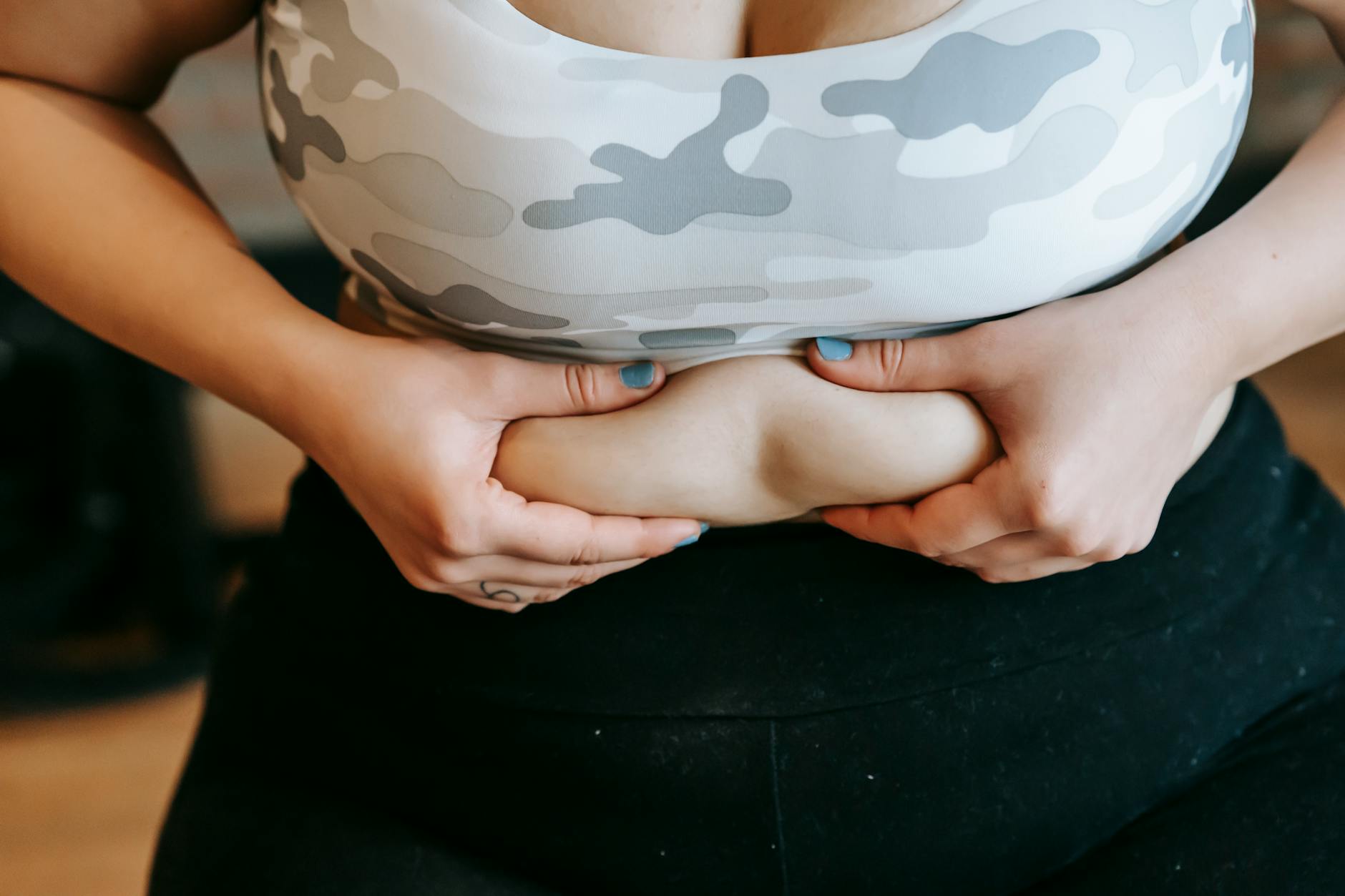
The fastest safe way to lose belly fat at home starts with a modest calorie deficit, not a crash diet. A large cut in food often rebounds because hunger rises, sleep gets worse, and your next meal gets bigger than planned.
Build a plate that keeps you full
Protein, dietary fiber, and minimally processed foods work together here. Protein intake helps steady appetite, fiber slows digestion, and foods that need chewing tend to keep portions in check better than drinks, chips, and sweets.
Think chicken, fish, eggs, Greek yogurt, beans, lentils, berries, apples, leafy greens, oats, and potatoes with the skin on. That mix gives you fewer calories per bite, which matters more than chasing one magic ingredient when you want to lose belly fat naturally.
Cut the easiest liquid calories first
Soda, sweet coffee drinks, juice, and alcohol can add a lot without making you feel full. Reducing them can lower your intake fast enough to show up at the waist before the scale fully catches up.
Start with the biggest leaks in your day, not the hardest habit to break. Liquid calories and oversized portions usually give you the quickest visible change.
Rush and WebMD both frame belly fat loss around basic energy balance, and the science backs that up. You need to burn more energy than you take in, because no exercise drill can outwork a steady calorie surplus. Once that is set, the next week becomes much easier to run.
That calorie gap becomes easier to hold when your meals stay simple, which is exactly where a seven-day reset helps.
Predictable eating creates room for movement, which is where daily activity starts turning effort into momentum.
A simple seven-day reset for food and drinks
Seven days is enough to look less puffy, feel lighter, and start moving in the right direction. It is not enough to erase deep belly fat, but it can change your waist measurement enough to keep you going.
Use a clean daily checklist
- Protein at every meal. Put eggs, yogurt, chicken, tofu, fish, beans, or cottage cheese on the plate.
- Plants twice daily. Add vegetables or fruit at breakfast, lunch, and dinner to raise fiber without piling on calories.
- Water over sweet drinks. Swap soda, juice, and sugary coffee drinks for water, sparkling water, or unsweetened tea.
- Keep portions steady. Use the same plate size and the same meal pattern for the full week.
- Trim the obvious extras. Remove chips, pastries, and late-night grazing before you change every meal at once.
A simple example helps: two eggs with fruit and plain yogurt at breakfast, a chicken salad at lunch, and salmon with vegetables and rice at dinner. That kind of day gives you protein, fiber, and enough structure to avoid the snack spiral that makes the waist feel swollen by night.
Reduce bloat while fat loss starts
Lowering salt-heavy takeout, carbonated drinks, and very large evening meals can make your stomach look flatter within a few days. This is where how to reduce bloating and belly size fast becomes more visible than the slower body-fat change underneath it.
Women often notice a stronger pattern across the month because hormones shift fluid balance and appetite. A steadier meal schedule, better hydration, and less alcohol can soften those swings even before fat loss becomes obvious. From there, movement makes the next phase work better.
By the end of the week, your food choices should feel more predictable, and that sets up the movement plan that keeps the change going.
Even with exercise in place, poor sleep, stress, and liquid calories can quietly undo the progress.
Walking, cardio, and strength training that actually help
Your waist changes faster when movement raises energy use without leaving you too sore to repeat the routine tomorrow. Daily walking, regular cardio exercise, and strength training work better together than crunches alone because they change calorie burn, fitness, and body shape at the same time.
Use walking as your daily base
Walking is the easiest home-based fat-loss tool because it is low strain and easy to repeat. A few short walks after meals can also help blunt that heavy, stuffed feeling that makes the stomach look larger in the evening.
Johns Hopkins Medicine points to regular movement as a practical part of belly-fat reduction, and the reason is simple: more movement raises daily calorie burn without spiking hunger as much as harder training can. You do not need a perfect workout to start seeing your waist respond.
Add cardio for burn and heart health
Brisk walking, cycling, swimming, rowing, or a steady home routine all count as aerobic work. The point is to keep your heart rate up long enough to raise weekly energy use and improve health markers alongside fat loss.
A 30-minute brisk walk, five days a week, does more for a pot belly than a week of endless abdominal curls. Cardio cannot target the waist alone, but it supports the calorie deficit that does the real work when you want to lose belly fat at home.
Keep muscle while the waist shrinks
Resistance training matters because it helps preserve muscle while weight comes off. That matters for body composition, since losing only body fat gives you a tighter shape than losing size from muscle and water at the same time.
A pair of dumbbells, a resistance band, or body-weight moves such as squats, rows, presses, and hinges can be enough. The goal is not a gym-body plan, it is to avoid the skinny-fat look that can leave your midsection soft even after the scale drops. The habits around sleep, stress, and alcohol are what often decide whether that effort sticks.
Once movement is in place, the next bottlenecks are usually sleep debt, stress, and drinks that quietly add calories back in.
Those hidden setbacks can mask real change, so waist-focused tracking gives a clearer view than the scale alone.
The habits that make belly fat harder to lose
Short sleep and high stress can make a calorie deficit feel harder than it should. That happens because hunger signals rise, cravings get louder, and late-night eating gets more tempting after a rough day.
Sleep changes appetite control
A short night can push you toward larger portions the next day, and the effect is strong enough to notice in real life. Research in sleep medicine links poor sleep with changes in appetite hormones such as ghrelin and leptin, which helps explain why tired people reach for quick calories.
That does not mean one bad night ruins progress. It means your waist responds better when you protect a steady sleep window, keep caffeine earlier in the day, and avoid turning the evening into a second dinner.
Stress and alcohol work against your plan
Stress can steer you toward fast food, sweets, and skipped workouts, especially during workweeks that never seem to stop. A short walk, a fixed dinner time, and a phone-free wind-down routine do more than most quick fixes because they reduce the triggers that lead to overeating.
- Cut weekday drinking. Even a few drinks can add enough calories to slow waist change.
- Set a kitchen close time. A clear cutoff keeps late-night snacking from becoming routine.
- Keep sleep regular. A steady bedtime helps hunger feel less chaotic.
- Use a stress reset. Ten minutes of breathing, stretching, or quiet time can stop a craving loop.
Alcohol matters more than many people expect because it adds calories and loosens eating control at the same time. Mayo Clinic and other clinical sources often flag alcohol reduction as part of abdominal-fat reduction for that reason alone. Once you start tracking what changes, you can see progress more clearly than a scale number ever could.
Those daily habits matter because they can blur the picture, so the next step is measuring the change in a way that actually matches what your waist is doing.
Rapid swelling or pain changes the story entirely, and that calls for a medical check rather than another diet tweak.
How to measure progress beyond the scale
The scale can lie about belly change for several days in a row. Water shifts, digestion, salt intake, and soreness can hide fat loss, so waist measurement and how your clothes fit tell a better story.
Track the same waist point each week
A tape measure placed at the navel or the narrowest point you can find, taken at the same time each week, gives the most consistent result. Waist circumference gives you a cleaner read on abdominal change than random daily weigh-ins.
Body mass index can still help as a general risk marker, but it misses body shape. Two people with the same BMI can carry very different amounts of visceral fat, which is why a tape measure gives you better feedback for a pot belly.
| Signal | What It Shows | How Often To Check |
|---|---|---|
| Waist circumference | True change in abdominal size | Once a week |
| Clothing fit | Real-world changes under shirts and pants | Several times each week |
| Weekly photos | Shape changes that the mirror can hide | Once a week |
| Meal and sleep notes | What pushed the waist up or down | Daily |
Write a short note beside each photo set, such as “higher sodium,” “walked 8,000 steps,” or “slept 6 hours.” That tiny log helps you spot patterns in bloating, alcohol intake, and late eating. The next step is knowing which belly changes are not just fat at all.
When the size change shows up quickly or comes with pain, the problem may not be ordinary weight gain, which means you need a different response.
Safe progress matters more than shortcuts, and that balance is the real answer when trimming a pot belly fast.
When belly changes need medical attention
A belly that grows fast, feels hard, hurts, or comes with swelling should not be treated like routine fat gain. That kind of change can point to fluid buildup, digestive trouble, organ issues, or another medical problem that needs evaluation.
Red flags deserve a prompt check
Shortness of breath, vomiting, unexplained weight loss, fever, severe pain, or a belly that seems suddenly tense are all reasons to seek medical attention. Those symptoms do not match ordinary pot belly fat and should not be brushed off as simple bloating.
Women also need to pay attention to changes tied to pregnancy, fibroids, ovarian issues, or menopause-related shifts in body composition. A clinician can sort out whether the issue is fat, fluid, posture, or something else that needs a different plan.
Procedures come after a real evaluation
Surgical or body-contouring options exist, and places such as SpaMedica Toronto and procedures like CoolSculpting are often marketed for abdominal shaping. Those options are not a substitute for understanding the cause, and they do not replace a lifestyle plan for visceral fat or general weight change.
For a sudden or painful change, the next move is medical assessment, not a faster diet tweak. For a steady, soft belly, the seven-day reset and the habits above give you a more realistic path than chasing a shortcut. That is the real answer to how to get rid of a pot belly fast, because fast has to stay safe.
Wrap Up
The quickest visible shift comes from trimming liquid calories, raising protein and fiber, walking more, and sleeping better, not from punishing workouts or stomach exercises. You can flatten bloating in days and start real fat loss at the same time, then measure the change with your waist, your clothes, and your energy.
FAQ
What kills stomach fat the fastest?
A calorie deficit is the main driver, and you create it fastest by cutting sugary drinks, alcohol, and oversized portions while adding daily walking. Protein and fiber help you stay full enough to hold the plan.
How can I reduce my belly size in 7 days?
Seven days can lower bloating and start visible fat loss by removing sweet drinks, keeping meals steady, walking daily, and eating protein at each meal. The waist may look smaller even before deep belly fat changes much.
How do I get rid of my pot belly if I’m female?
The same basics apply, but hormone shifts, sleep loss, and stress can make water retention and cravings louder. A steady meal pattern, less alcohol, and regular movement can make the waist respond more predictably.
Can a pot belly go away?
Yes, a pot belly can shrink when overall body fat drops and bloating triggers are handled well. Deep visceral fat takes patience, but waist change can still show up in a few weeks.
How do I tell the difference between belly fat and bloating?
Fat changes slowly and feels softer and more stable from day to day. Bloating often rises after meals, changes by evening, and comes with tightness, gas, or a bigger swing in clothing fit.
What should I eat and drink for the first week to lose belly fat?
Build meals around eggs, yogurt, fish, chicken, beans, vegetables, fruit, oats, and water or unsweetened drinks. That mix lowers calorie intake without leaving you so hungry that you rebound later.
