

Black sapote benefits refer to the nutrition and eating advantages you get from the ripe fruit: vitamin C, dietary fiber, potassium, and antioxidant compounds in a low-fat, spoonable pulp. The fruit is also known as chocolate pudding fruit or black persimmon, and its value depends on ripeness, because firm fruit tastes plain while soft fruit tastes sweet and dessert-like.
This guide covers why black sapote stands out among tropical fruits, what its nutrient profile contributes, and how ripeness changes both flavor and everyday use in the kitchen.
Key Takeaways
- Vitamin C matters: Black sapote brings vitamin C, which supports collagen formation and day-to-day immune function.
- Fiber changes the feel: Its dietary fiber can make a sweet serving more filling than a spoonful of pudding.
- Ripe fruit tastes best: Soft, dark fruit gives the chocolate-like taste, while firm fruit stays bland and starchy.
- Low fat helps balance desserts: The pulp works as a lighter swap beside cream, butter, or heavy pastry fillings.
- Potassium adds value: The fruit contributes potassium, a mineral tied to muscle and nerve function.
- Storage and handling matter: Ripened fruit softens fast, so eating it soon keeps texture and flavor in better shape.
Black Sapote’s Place Among Tropical Fruits
That dessert-like texture is what makes black sapote stand out in the produce aisle. In markets, it may also be called chocolate pudding fruit or black persimmon, and that naming overlap causes plenty of mix-ups for first-time buyers.
Black sapote belongs in the same broad tropical-fruit conversation as mango, papaya, and sapodilla, but it stands apart because the edible flesh darkens as it matures. Specialty Produce describes it as a fruit with a custard-like interior, while FoodPrint notes that seasonality and handling shape quality from the tree to the bowl.
Ripeness changes the eating experience
Underripe fruit feels firm and tastes plain, almost like a starchy melon with little aroma. As ripening advances, the flesh softens, sugars rise, and the pulp turns spoonable, which is why the same fruit can seem disappointing one day and rich the next.
That shift matters because the eating stage determines whether you get a smooth dessert bowl or a dry, astringent mouthful. Once you know that, the rest of the black sapote benefits story starts to make practical sense, since nutrition only helps you enjoy it when the fruit is ready.
The next step is looking at what that ripe pulp actually brings to the table nutritionally.
Those nutrients do more than fill a label; they shape the benefits people commonly seek.
The Nutrition Profile That Drives Its Appeal
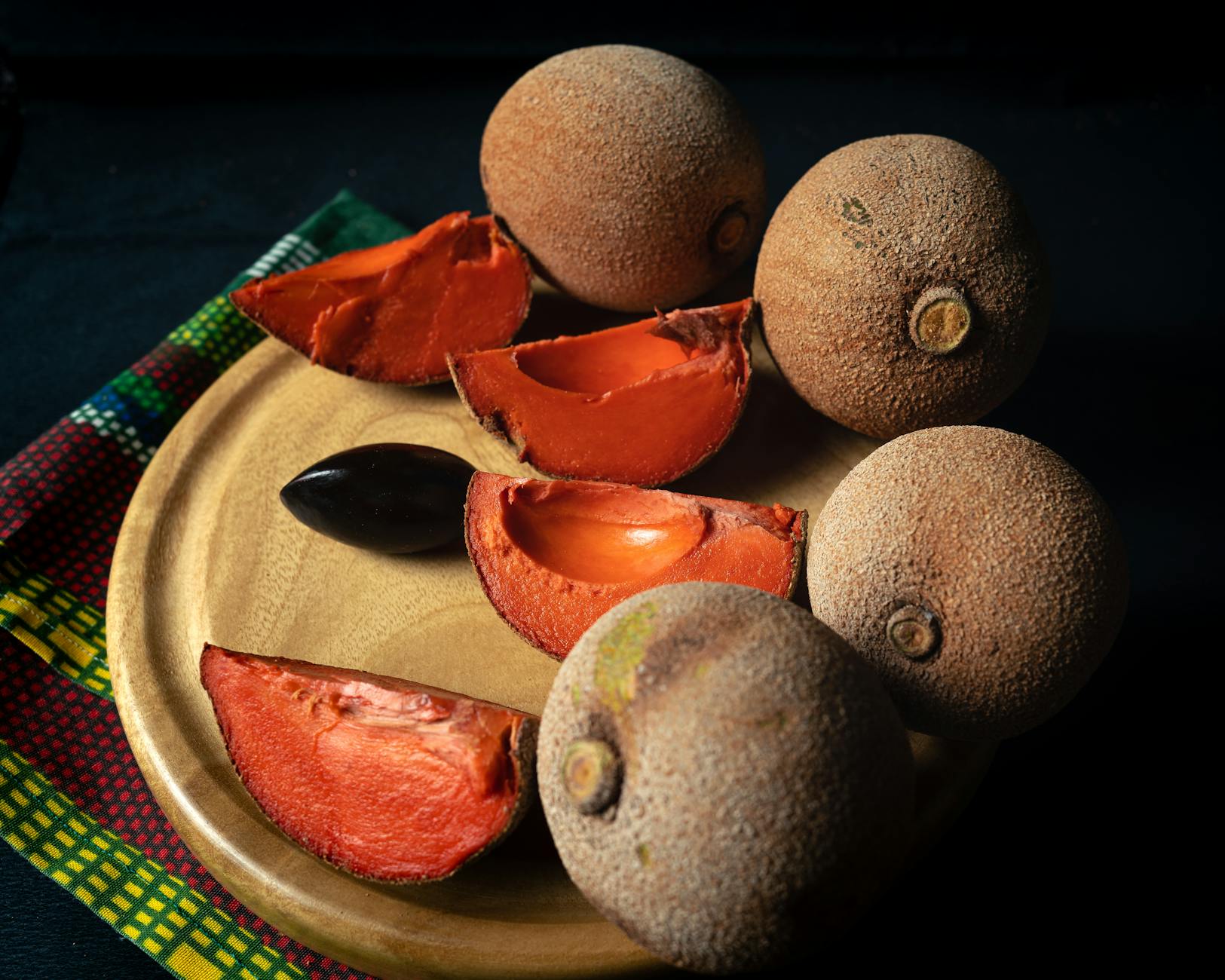
That flavor payoff comes with a short list of nutrients that are easy to track: vitamin C, dietary fiber, potassium, and smaller amounts of magnesium and vitamin A. Black sapote nutrition facts vary by fruit size and ripeness, but the general pattern stays consistent, which helps you compare it with richer desserts.
| Nutrient per 100 g | Approximate amount | Why it matters |
|---|---|---|
| Calories | About 50 to 80 | Keeps the fruit lighter than many creamy sweets |
| Carbohydrate | About 12 to 20 g | Provides the sweet base in the ripe pulp |
| Dietary fiber | About 3 to 5 g | May aid digestion and help you feel full |
| Vitamin C | Modest to useful amounts | Supports collagen formation and immune function |
| Potassium | Useful amount | Supports normal muscle and nerve function |
| Magnesium | Small amount | Helps everyday body processes run smoothly |
| Vitamin A | Small amount | Adds to nutrient balance in mixed meals |
| Fat | Very low | Makes the fruit feel lighter than custards or ice cream |
The low-fat profile matters because fat changes mouthfeel and calories fast. A ripe serving can give you the rich taste of a pudding without the butter, egg yolks, or cream that usually carry that texture.
Black sapote nutrition facts also make more sense in the context of whole fruit, not isolated nutrients. The fruit pulp contains plant compounds, including antioxidants, and those compounds work best as part of a varied diet that already includes vegetables, beans, nuts, and other fruits.
That broader nutrient mix leads directly into the health effects people usually want to know about.
Timing changes everything, since the fruit’s stage of ripeness affects both flavor and safety.
The Health Effects That Come From Its Nutrients
A nutrient mix rich in fiber, vitamin C, and potassium does most of the work here rather than any single magic compound. Vitamin C, fiber, potassium, and antioxidant compounds each play a different role, and the fruit gives you a dessert-style way to bring them to the plate.
Vitamin C supports collagen and immune function
Vitamin C is used in collagen formation, the process that helps keep skin, gums, and connective tissue structured. It also contributes to immune support, so a ripe serving adds one more fruit source to your day without feeling heavy.
That pairing matters because collagen turnover never stops. Your skin and blood vessels need a steady supply of the nutrient, not a dramatic one-time dose, which is why fruit variety beats fixating on a single ingredient.
Fiber may aid digestion and fullness
Dietary fiber adds bulk to the meal and slows how quickly a sweet food moves through the gut. A fruit cup with fiber can feel more satisfying than a refined dessert, which may help you stop at a smaller portion.
Most people notice this effect at the table before they notice it in a nutrition label. The spoonful feels soft and rich, but the body registers a bit more staying power than it would from plain sugar or a glassy pudding.
Potassium helps muscle and nerve function
In the body, potassium works with sodium and other minerals to support muscle contraction and nerve signaling. Black sapote adds a modest amount, which makes it part of a potassium-aware eating pattern rather than a solo solution.
Bananas get most of the press for potassium, yet tropical fruits like this one can still add to your daily total. That is useful on days when your meals lean toward sweets and fewer vegetables than usual.
Antioxidants may reduce oxidative stress
Antioxidant compounds help the body handle oxidative stress, which is the wear-and-tear pressure created during normal metabolism. In plain terms, they help neutralize unstable molecules before those molecules cause extra cellular strain.
Scientists have studied many fruits for this trait, and black sapote fits the broad pattern of deeply pigmented produce carrying protective plant compounds. The key word is may, because antioxidants are part of diet quality, not a promise tied to one fruit.
Low fat makes the fruit a lighter sweet option
Black sapote is low in fat, so it can sit in the same meal slot as a richer dessert without matching the heaviness. That makes it useful on nights when you want something sweet yet do not want cream, pastry, or fried batter.
A ripe half-fruit can satisfy the urge for a pudding-like finish while keeping the meal simpler. That trade-off is one reason black sapote benefits show up as much in habit change as in nutrient math.
Magnesium adds everyday nutritional balance
Magnesium appears in smaller amounts, but that still matters because the mineral participates in many routine body functions. It helps support energy use, muscle activity, and enzyme function across the day.
It is easy to overlook small contributions from fruit, yet those modest amounts stack with grains, legumes, nuts, and greens. That is how a dessert fruit can still fit a practical eating pattern.
Vitamin A supports normal nutrient balance
Vitamin A shows up in modest amounts in ripe pulp, and that helps round out the fruit’s profile. The nutrient is associated with vision, cell growth, and immune-related functions, so even small contributions have a place in mixed meals.
A single fruit never needs to carry the whole nutrient load. The better question is whether it adds something useful to the foods you already eat, and black sapote does that without forcing a heavy calorie load.
Sweet pulp can replace heavier desserts
The naturally sweet pulp can stand in for richer sweets in a few meals during the week. Swapping in fruit for a cream-based dessert cuts fat and often trims calories, while still giving you a soft, spoonable finish.
That swap works best after dinner, in lunch bowls, or in a chilled fruit cup. From there, the next issue is getting the fruit at the right stage, because timing changes everything.
Once the fruit is ready, gentle preparation keeps its texture and natural qualities intact.
Ripeness is the dividing line. Hard fruit is usually a disappointment, while fruit that yields to gentle pressure gives you the texture and flavor people expect.
Ripe Fruit, Better Flavor, Safer Eating
A black sapote can go from bland to lush in a short window, and that window is the difference between a good bowl and a wasted fruit. Soft skin, a darkened exterior, and flesh that gives slightly near the stem signal readiness.
Feel and color tell the story
Ripe fruit gives a little under light thumb pressure, much like a ripe avocado. The skin often shifts from green to a darker green-brown, and the aroma becomes sweeter as the pulp softens inside.
Underripe fruit stays firm and can taste dry, so eating it too soon brings the wrong texture and very little sweetness. That is why when to eat black sapote matters as much as any nutrition claim.
Eat it at the soft stage
A fruit that yields slightly to gentle pressure usually tastes best before it becomes overly soft. At that point, the flesh is spoonable and the chocolate-like taste shows up without a chalky edge.
Some fruit ripens unevenly, so a quick check at both ends helps. A fruit that feels ready on the outside but stays firm in the center often needs another day or two on the counter.
Store it after ripening
Once ripe, the fruit moves quickly and can lose texture in a short time. Refrigeration slows the softening, so a ripe fruit can hold better for a brief period after it reaches the right stage.
Cut fruit belongs in a covered container in the fridge and should be eaten soon for the cleanest taste. That practical step keeps the flavor and keeps you from throwing out fruit that went too far past ripe.
Use gentle pressure, not a hard squeeze. Bruising a ripe fruit can make the pulp watery before you ever get it to the spoon.
Once the fruit is ready, simple handling and plain serving methods help you keep the good texture intact.
What you serve, and how often, also determines who should be cautious and why.
Simple Ways To Serve It Without Losing The Benefits
Black sapote works best in plain formats that keep the pulp front and center. Fresh spooning, blending, and light dessert folding each preserve the soft texture while letting you control what else lands in the bowl.
Eat it fresh from the shell
Cut the fruit open, remove the seeds, and scoop the pulp straight out. A squeeze of citrus is common in tropical fruit bowls, but the flavor stands on its own once the fruit is fully ripe.
This is the cleanest way to judge quality because there are no extra ingredients hiding the taste. You notice right away whether the pulp is silky, grainy, or past its peak.
Blend it into chilled desserts
The pulp mixes well with yogurt, oats, or a banana base, though plain fruit keeps the flavor lighter. A blender smooths the texture, which works well for breakfast bowls or a soft evening snack.
Keep added sugar low so the fruit stays recognizable. A sweet fruit plus sweet syrup turns the bowl into a heavier dessert, which defeats the point for most people seeking black sapote benefits.
Fold it into simple dessert ideas
Use the pulp in parfaits, fruit cups, or a thin layer over plain toast. It also works as a natural sweetener in no-bake fillings, where its cocoa-like flavor fits cream cheese, coconut yogurt, or oats.
Portion size still matters. A half cup to one cup of pulp is enough for most meals, especially because the dessert flavor makes it easy to overdo without noticing.
The most practical serving rule is to treat it like fruit, not like a candy bowl. You get the best balance when the portion looks modest on the plate and the rest of the meal stays built around protein, grains, or vegetables.
That serving pattern also affects who should go slow and what black sapote side effects are worth watching for.
That simple rule leaves one final takeaway: ripe fruit, used promptly, works best in sensible portions.
Safety Limits, Daily Use, And Smart Swaps
Fully ripe black sapote is generally eaten as a fruit, and the main safety issue is handling the fruit at the right stage. Soft, intact pulp is the target; damaged, moldy, or badly overripe fruit belongs in the compost, not the bowl.
Daily use depends on the whole diet
One serving can fit a balanced pattern, but the rest of the day’s meals matter far more than a single fruit. A daily serving adds fiber and micronutrients, yet it also adds sugar and calories, so the rest of your meals should stay varied.
That point matters more than any headline about a single fruit. A person who eats black sapote with nuts, yogurt, and vegetables gets a very different day than someone who adds it on top of several sweet treats.
Some people should limit intake
People with fruit restrictions from a healthcare professional, or anyone tracking blood sugar carefully, may want smaller portions and more consistent meal pairing. The fruit’s natural sugars rise with ripeness, so a very soft serving can taste sweeter than expected.
Pregnant or nursing people, or anyone taking medication that affects diet, should ask a qualified clinician before making it a routine food. That is standard caution, not a warning that belongs to this fruit alone.
Use it as a lighter dessert swap
Compared with cake, custard, or ice cream, ripe black sapote can feel lighter and simpler. The fruit gives you sweetness, some fiber, and very little fat, so it works well in the spot where a richer dessert would usually sit.
That swap does not make the fruit a cure or a fix for anything, and it should not carry that burden. It just gives you a useful option when you want a dessert-like finish with a cleaner ingredient list and a more fruit-forward texture.
One more practical detail: skin benefits from black sapote are indirect. The fruit’s vitamin C may support collagen formation, but healthy skin still depends on sleep, fluids, protein, sun habits, and the rest of your diet.
That brings the whole topic down to a simple buying rule: choose ripe fruit, use it soon, and keep portions realistic.
What To Remember
Black sapote earns its place through ripeness, texture, and a nutrient mix that suits a lighter sweet serving. You get the most from it when the fruit is soft, eaten in sensible portions, and folded into a varied diet instead of treated like a miracle food.
FAQ
What are the benefits of eating black sapote?
Black sapote can add vitamin C, dietary fiber, potassium, and antioxidant compounds to your meals. Its ripe pulp is also low in fat, so it can stand in for heavier desserts without feeling as dense.
What does black sapote taste like and how do you eat it?
Ripe fruit tastes sweet and chocolate-like, with a soft texture that feels close to pudding. You eat it by scooping the pulp from the skin, removing the seeds, and serving it plain or blended into yogurt, oats, or simple dessert bowls.
Is black sapote safe to eat when ripe?
Properly handled ripe fruit is generally safe to eat, while any damaged or moldy piece should be thrown away. You should avoid eating fruit that smells off, leaks, or shows visible spoilage.
What happens if you eat sapota daily?
Daily intake can fit a balanced diet, but portion size and the rest of your meals matter more than the fruit alone. A daily serving adds nutrients and sweetness, yet too much fruit can crowd out other foods.
When is the best time to eat black sapote?
A fruit that feels soft under gentle pressure and scoops easily usually signals the best moment to eat it. That stage gives you the sweetest flavor and the smoothest texture.
How much black sapote should you eat at one time?
A half cup to one cup of pulp is enough for most meals. That amount gives you the dessert-style flavor without turning the fruit into a heavy portion.
