

Alphabetical list of fruits A to Z is a fruit list arranged from A through Z so you can find names fast, from apple and banana to xigua and zucchini. It works as a simple reference for spelling checks, classroom sorting, and quick letter-by-letter review.
This guide covers common fruits, exotic fruits, and tricky edge cases for kids, parents, and teachers who need a clean alphabetical fruit list with practical spelling help.
Key Takeaways
- Fast letter scan: A to Z sorting helps you find fruit names without reading long blocks.
- Common plus uncommon: Apple, banana, and cherry sit alongside lesser-known names like quince and ugli fruit.
- Rare letters matter: X, Y, and Z have fewer natural choices, so imported names fill gaps.
- Fruit meaning varies: Tomato and squash can count as botanical fruits even though kitchens treat them like vegetables.
- Classroom friendly: Short names, spelling help, and picture cues make the list useful for kids and parents.
How This Alphabetical Fruit List Is Built
Sorting by starting letter keeps the list simple, which matters when you only need one name for M or Z. Botanical families can get messy fast, while first-letter order gives you a clean table for quick scanning, spelling practice, and classroom use.
The rule here is practical: a fruit is an edible plant part that fits common food use or botanical fruit classification. That means tomato appears in the discussion, while names that show up in kitchens, school books, and produce aisles get priority over obscure entries.
What Counts As A Fruit Here
Apples, berries, citrus fruits, stone fruits, melon varieties, and tropical fruits all fit without debate. Tomato, zucchini, and butternut squash sit in a gray zone because the plant part is a botanical fruit even though the kitchen treats them like vegetables.
That split matters because school lists and science class can point in different directions. Fewer surprises follow once culinary use and classification stay separate, and the list remains useful instead of turning into a taxon lesson.
Spelling Variants And Regional Names
Some names shift by country, and that changes how you search or teach them. Ugli fruit, for example, may appear with a hyphen or without one, while yuzu and cherimoya keep their standard spellings in most English sources.
Tip: keep the local name and the common English name together on your notes. That small habit helps you match the same fruit across school books, grocery labels, and imported produce signs.
Once that rule is set, the table becomes much easier to trust. The next step is the actual list of fruits in alphabetical order in one clean view.
Those names form the backbone of quick study, while everyday examples make the list feel familiar.
The A To Z Fruit Index In One Scannable Table
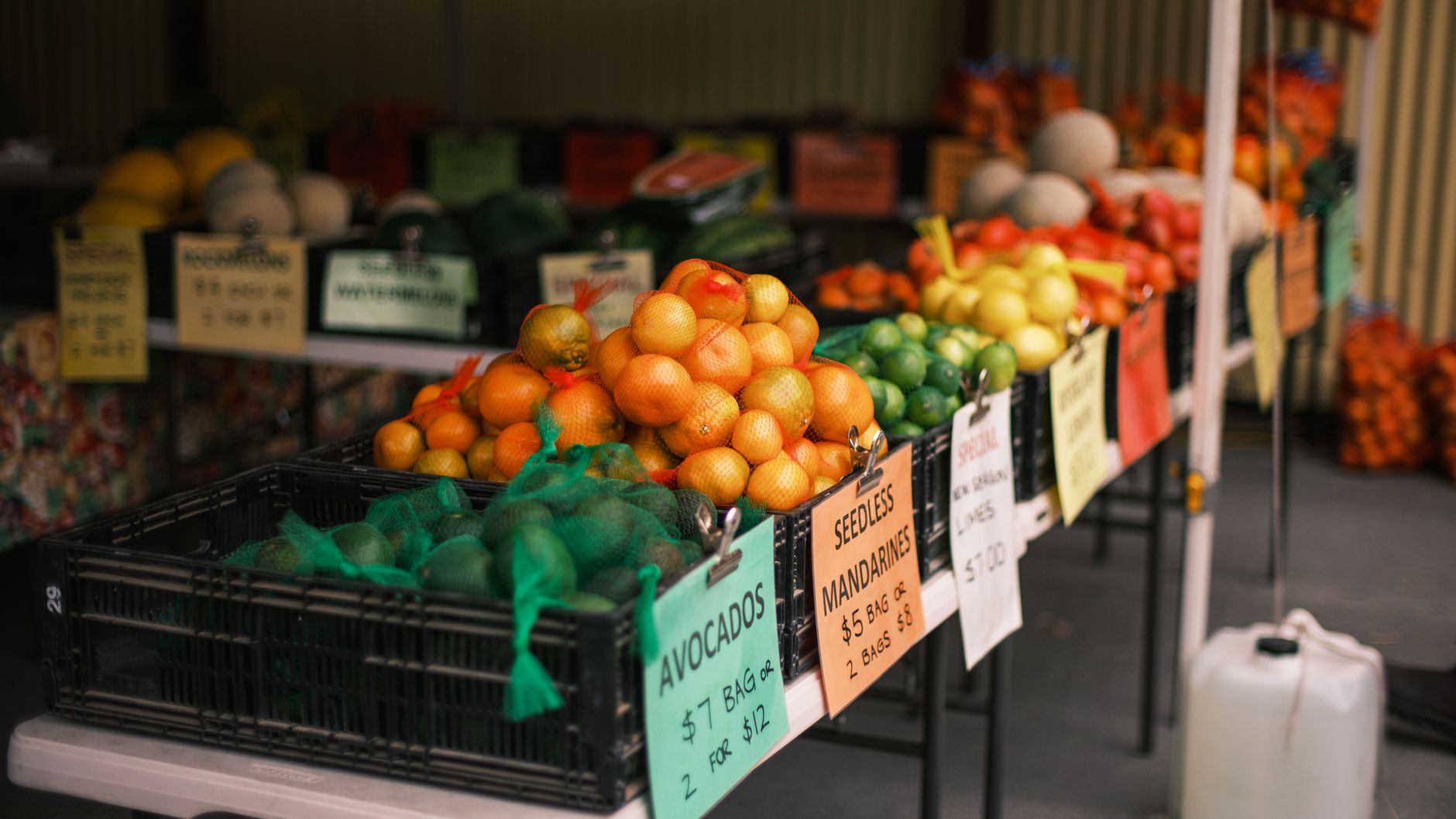
One name per letter gives you a complete backbone, while a few extra entries fill out the letters that offer more choice. A table works best here because your eyes can jump straight to the starting letter without hunting through prose.
| Letter | Fruit Names | Quick Scan Help |
|---|---|---|
| A | Apple, apricot, avocado | Apricot and avocado are common add-ons. |
| B | Banana, blackberry, blueberry | Berry names are useful for school sorting. |
| C | Cherry, clementine, cranberry | Cherry is the classic classroom example. |
| D | Date, durian | Date is the most familiar starter. |
| E | Elderberry, egg fruit | Elderberry is the better-known choice. |
| F | Fig, feijoa | Fig is the common pick. |
| G | Grape, guava, grapefruit | Guava adds tropical variety. |
| H | Honeydew melon | Honeydew gives you a melon entry. |
| I | Indian fig | Also called prickly pear in many places. |
| J | Jackfruit, jujube | Jackfruit is the better-known example. |
| K | Kiwi, kumquat | Kiwi is the most familiar entry. |
| L | Lemon, lime, lychee | Citrus names sit well here. |
| M | Mango, melon, mulberry | Mango is the main classroom staple. |
| N | Nectarine | A stone fruit with peach family ties. |
| O | Orange, olive | Orange is the standard choice. |
| P | Pear, peach, pineapple, papaya | Pineapple and papaya broaden the mix. |
| Q | Quince | Quince is the usual Q fruit. |
| R | Raspberry, rambutan | Raspberry is the easier familiar pick. |
| S | Strawberry, star fruit | Strawberry remains the best-known S fruit. |
| T | Tangerine, tomato | Tomato appears in botanical fruit use. |
| U | Ugli fruit | Imported and easy to miss in print. |
| V | Voavanga | Rare, but real in English reference lists. |
| W | Watermelon | A classic melon entry for W. |
| X | Xigua | A watermelon type used in English lists. |
| Y | Yellow passion fruit, yuzu | Yuzu is the more familiar name. |
| Z | Zucchini, ziziphus | Zucchini appears in culinary fruit usage. |
The table gives you one fruit for every letter, then adds extra names where the alphabet has room. That makes the alphabetical list of fruits A to Z feel complete without turning into a wall of text.
Live Eat Learn is a useful reference point for broad fruit coverage, while Simple Wikipedia signals the plain-language style many people want for quick study. The next section shifts from the full index to the names you are most likely to see in daily life.
Even the trickiest entries become manageable once the rare names and spelling patterns get some attention.
Common Fruits And Familiar Classroom Examples
That broad index becomes easier to remember once you group the fruits you already see in lunchboxes and produce aisles. Apple, banana, cherry, date, grape, lemon, mango, orange, and strawberry show up in almost every beginner fruit set.
Citrus, Berries, And Stone Fruits
Citrus fruits give you lemon, lime, orange, tangerine, and grapefruit, all packed with bright, sharp flavor. Berries bring strawberry, blueberry, blackberry, raspberry, and cranberry, while stone fruits add cherry, peach, nectarine, and apricot.
That grouping helps memory because the brain stores related items in clusters. Fruit names A to Z become easier to sort once the list also sits inside familiar types.
Tropical Fruits And Melons
Tropical fruit names usually spark the most interest in a fruit names A to Z list. Mango, papaya, guava, jackfruit, lychee, and kiwi each give you a different spelling pattern, which makes them useful for spelling practice.
Melons are easy to place too, with watermelon and honeydew melon giving you strong visual examples. A small sketch or picture cue beside each one helps younger children match shape, color, and name in a single glance.
Short Notes For Familiar Spellings
- Apricot: The first syllable is softer than many spellings suggest.
- Kiwi: Short, simple, and useful for early alphabet drills.
- Guava: Two syllables, with a clear middle vowel sound.
- Cherry: A solid anchor word for the C section.
- Fig: Short enough to work well in picture cards.
Those common names carry most of the teaching load, yet the awkward letters still need attention. That is where rare fruit names and spelling help start doing real work.
Cross-border trade can make one fruit feel ordinary at home and strangely rare elsewhere.
Uncommon Letters, Rare Fruits, And Tricky Spellings
That spelling work matters most at the end of the alphabet, where the usual grocery names thin out fast. X, Y, and Z expose the weak spots in a fruit list right away.
X, Y, And Z Entries
Xigua is a watermelon type used in English reference lists, so it fits the X slot cleanly. Yuzu is a citrus fruit with a strong aromatic rind, and zucchini appears in culinary fruit usage even though many kitchens treat it like a vegetable.
Ziziphus is another Z-name that can appear in reference work, while ugli fruit and voavanga make the list feel less patchy. A rare starting letter can still hold a real fruit name, even when your local store never stocks it.
Spelling And Pronunciation Helps
Cherimoya, quince, and ugli fruit cause spelling slips because the vowels do not behave like English school phonics expect. Cherimoya carries three clear beats, quince starts with a hard Q sound, and ugli fruit keeps the odd-looking name that matches its Jamaican origin story.
Heads up: imported fruit names often shift in spelling before they settle into English usage. A short pronunciation cue next to the name can save a lot of confusion during quizzes or lesson prep.
According to the United Nations Food and Agriculture Organization, global fruit trade moves names across borders as well as produce. That movement explains why a fruit can feel common in one country and unfamiliar in another.
With that distinction in place, the list can become a handy printable resource instead of a static reference.
Botanical Fruits That Read Like Vegetables
That naming split is easiest to see with tomatoes and squash, which often sit in the vegetable bin but still count as fruits in botany. Tomato shows up in fruit discussions because the seed-bearing part comes from the flower, which fits botanical fruit classification.
Butternut squash belongs in the same conversation for the same reason, even though the kitchen treats both as vegetables. The structure comes first in plant science, while flavor and meal use drive the kitchen label.
Why The Classification Split Exists
Botany looks at structure, while cooking looks at use. Seed-bearing plant parts such as tomato, cucumber, and squash can qualify as botanical fruits, yet meal planning still groups them with vegetables because flavor and preparation matter more at the stove.
In school settings, that distinction helps you answer both kinds of questions without mixing them together. The list stays accurate for science class and still makes sense for daily food use.
Simple Rule For Sorting Edge Cases
- Seed inside: Seed-bearing structures usually point toward botanical fruit.
- Kitchen use: Savory cooking can still place the item with vegetables.
- Common name: Tomato stays the clearest example for mixed classification.
- Lesson goal: Science classes may use different labels than recipe cards.
World Cancer Research Fund often uses fruit and vegetable language in health education, which shows how classification matters in public information too. Once that distinction is clear, you can turn the list into something printable and easy to use.
With the basics covered, the list settles into a practical tool rather than a passing novelty.
Printable Practice And Picture-Friendly Learning Tools
A printable fruit list PDF works well for teachers, parents, and students who want something that sits on a desk or hangs on a wall. Picture cues beside each letter help visual learners connect apple, banana, cherry, and kiwi to the written word faster than flash-only practice.
Ways To Use The List
- Alphabet drills: Match each letter to a fruit name in order.
- Spelling practice: Copy names like guava, quince, and watermelon.
- Matching games: Pair a picture card with the correct starting letter.
- Quick quiz prep: Cover the fruit column and recall names from memory.
- Classroom labels: Place one fruit per letter on posters or folders.
A compact reference block works best at the bottom of a handout. Keep the letters bold, use short fruit names, and leave enough space for notes or pictures so the sheet stays useful after the first lesson.
Apple, banana, cherry, date, elderberry, fig, grape, honeydew melon, kiwi, lemon, mango, nectarine, orange, pear, quince, raspberry, strawberry, tomato, ugli fruit, watermelon, xigua, yuzu, and zucchini form a solid starter set for quick recall. That mix gives you a printable fruit list PDF that still feels practical after the novelty wears off.
Final Thoughts
A clean list of fruits in alphabetical order works best when it balances familiar names with the odd letters that are easy to forget. Once you have one fruit for every starting letter, plus a few spelling cues and classification notes, the list becomes useful for class, home, and quick reference.
FAQ
What are the fruits from A to Z?
Apple, banana, cherry, date, fig, grape, kiwi, mango, orange, pear, quince, strawberry, watermelon, xigua, yuzu, and zucchini appear in a simple letter-by-letter lineup. A complete set gives you at least one fruit for every letter, even the rare ones.
What are all the fruits in alphabetical order?
By moving through the alphabet, the list groups each fruit name in a straightforward sequence. That format makes quick scanning easier, especially when you need a fruit name for a single letter during schoolwork or a quiz.
What fruit starts with X?
On most English fruit lists, xigua is the best-known name beginning with X, and it refers to a type of watermelon. Xanthium is not a fruit people usually want for school lists, so xigua is the clearer choice for most reference work.
Are tomato and squash fruits or vegetables?
Inside the flower, both tomato and squash form seeds, which is why botanists classify them as fruits. Kitchen use still places them with vegetables, so the label changes based on whether you are speaking scientifically or cooking from a recipe.
Can I get a printable fruit list PDF?
A one-page PDF makes fruit names easy to print for letter drills, spelling practice, and picture matching. A good version uses bold starting letters, short fruit names, and enough white space for notes or classroom marks.
