

In a morning smoothie, the finer texture and easier blending come with a trade-off in how the seed is handled, not a clear health winner. Ground chia exposes more surface area, which can improve nutrient absorption for some compounds, while whole chia keeps its seed coat intact and holds up longer in storage.
This guide helps anyone choosing between ground and whole chia seeds see where each form shines, from smoothies and baking to shelf life, digestion, and everyday convenience.
Key Takeaways
- Ground chia blends smoothly and can make some nutrients easier for your body to access.
- Whole chia keeps a firmer gel, adds crunch, and stores longer in a pantry.
- Soaked chia changes texture more than nutrition, so it is not the same as grinding.
- Digestion matters, because softer textures may feel easier than intact seeds for some people.
- Hydration matters, since chia absorbs liquid and its fiber works best with enough fluid.
The core trade-off between texture and absorption
That trade-off starts with the seed coat, which controls how fast water and digestive enzymes reach the interior. More surface area usually means easier access to some fats and minerals, while the intact shell preserves structure until you chew or soak it.
| Form | Texture and use | What changes in the body |
|---|---|---|
| Ground chia | Fine, smooth, easy to blend into drinks, batter, and cooked grains | More of the seed surface is exposed, so fats and minerals may be easier to access |
| Whole chia | Crunchy dry seed that swells into gel in liquid | Intact seed coats can limit release unless you chew well or soak it |
| Soaked chia | Soft gel used in puddings and drinks | Hydration changes mouthfeel and ease of swallowing, while the seed structure stays intact |
Chia seeds bring fiber, ALA, omega-3 fatty acids, and minerals either way, but the seed coat changes how fast those pieces become available. Harvard T.H. Chan School of Public Health notes that chia is rich in fiber and ALA, which matters because fiber and fat behave differently once the shell stays intact.
A cracked seed is more like an open door than a locked one. The fat inside a whole seed can remain less accessible, while grinding exposes more of the oil-rich interior and the tiny mineral package that sits with it. That does not make whole chia useless; it shifts the job from digestion to texture.
So the real question is not whether chia is healthy. It is whether you want it to disappear into a smoothie, stand up as a gel, or sit on top of food with a little crunch.
Convenience has a cost, and freshness becomes the main reason to keep the seeds intact.
Where ground chia delivers the most value
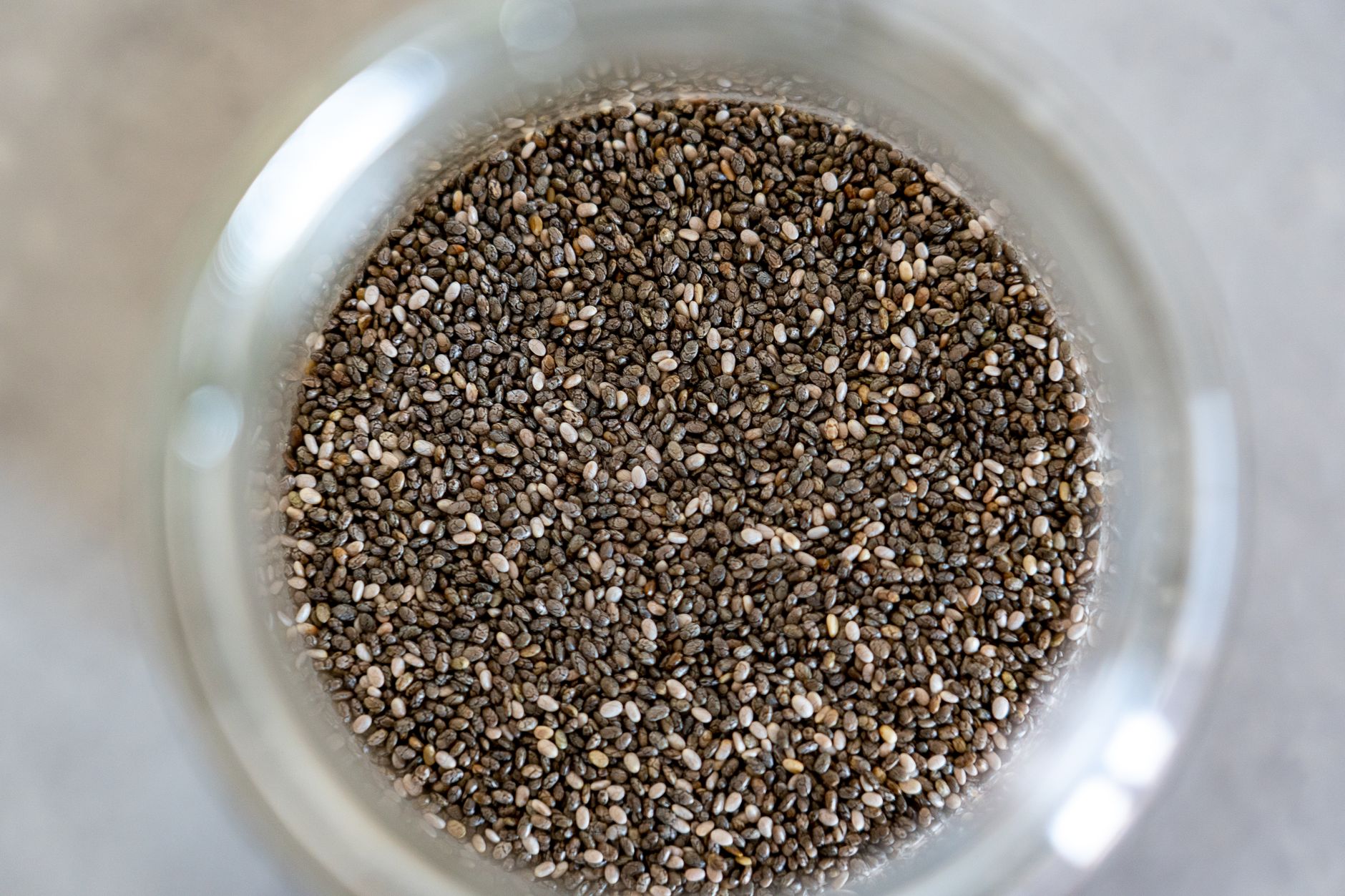
That texture difference shows up fastest in foods that need to stay smooth. Ground chia is the better choice when you want the seed to fade into the background instead of showing up as visible beads.
Smooth recipes and baked foods
Ground chia slips into smoothies, oatmeal, yogurt, batter, and muffins without leaving the gritty finish that whole seeds can bring. That makes it useful in recipes where the seed should disappear into the background and let the rest of the food keep its texture.
Banana-oat muffins are a good example. Ground chia can blend into the batter without changing the bite the way whole seeds might, while still contributing fiber and binding ability. In bread-like mixtures, that binding effect helps the batter hold together because chia forms a gel with water.
Digestive comfort and nutrient access
Ground chia can be a better fit for you when a soft texture feels easier or whole seeds seem to move through too quickly. The outer shell of a whole seed can resist breakdown, so grinding gives digestive enzymes a better shot at the seed interior.
The key scientific point is simple: fiber stays fiber after grinding, but the surface area rises sharply. That can make some fats and fat-soluble compounds easier to reach. It does not turn chia into a magic ingredient, and it does not erase the fiber benefit either.
Tip: Store ground chia in a sealed jar and use a small package size. The exposed oil spoils faster than the intact seed, especially near heat and sunlight.
That storage detail matters because the oil you expose at grinding time also exposes the clock on freshness. You get convenience and better access, but you also need to use it sooner.
Texture changes more than mouthfeel, especially once fluid turns the seed into a gel.
When whole chia seeds make more sense
That freshness trade-off flips when the recipe depends on visible swelling and a firmer bite. Whole chia keeps its shape long enough to build gel, crunch, and a longer pantry life.
Gel-forward recipes
Whole chia works best in recipes that depend on visible swelling. Chia pudding, chia drinks, and overnight jars need the seed to hold its shape long enough to form that familiar gel layer.
That gel comes from soluble fiber, especially mucilage, which turns slick and thick once water surrounds the seed. The result is a spoonable texture that ground chia cannot copy in the same way, because milling changes the seed structure before it has time to swell.
Toppings with crunch
Sprinkling whole chia over salad, toast, cereal, or cottage cheese adds a mild crunch without blending the seeds away. It also keeps the flavor quiet, which is useful when you want texture but not a thickened dish.
Chewing still matters. Whole seeds that are swallowed with little chewing may pass with less release of their interior fats and minerals, while well-chewed seeds break down more fully in the mouth and stomach.
EatRight.org points out that chia’s appeal comes from both its fiber and its flexibility in meals, and that flexibility is exactly where whole seeds shine. Once texture becomes the priority, whole seeds can make more sense than a powdery meal.
That leads straight into digestion, because the same fiber that helps texture also changes how the seed behaves with fluid. The next choice is less about flavor and more about how your gut handles the gel.
Small processing steps can change hydration, thickness, and timing in ways that matter at the table.
Digestion, fiber, and the constipation question
That fiber story matters most when your meal needs enough liquid to move comfortably. Chia swells in water, so the way you serve it affects comfort as much as the form itself.
Why water changes the picture
Chia soaks up liquid and forms mucilage, a gel that changes stool texture as it moves through the gut. That means hydration is part of the story, not a side detail, because dry chia without enough fluid can feel dense or uncomfortable for some people.
Ground chia may feel easier on the stomach for some people because the seed coat no longer does all the work. Still, fiber works best in the presence of fluid, and the effect depends more on your overall intake than on chia alone.
A careful view of constipation support
Chia can fit into a fiber-rich eating pattern that may help regularity, but it is not a stand-alone answer. Enough water, fruits, vegetables, and movement shape bowel habits more than any single ingredient.
A useful rule is to treat chia like a helper, not a fix. Eat it with a drink or wet food, and watch how your body reacts over several meals rather than judging it from one bowl of pudding.
That practical approach also helps when you compare soaked, blended, and ground forms, because each one changes the bowl in a different way. The difference is easy to miss unless you see the method side by side.
Because heat and air work quickly, storage becomes the practical test of which form lasts longer.
Soaking, blending, and grinding are not the same move
That difference shows up as soon as you put the seeds into liquid. Soaked chia, blended chia, and ground chia all feel different in the mouth, but they do not do the same thing.
Soaking changes texture; grinding changes structure; blending only distributes the seed through another ingredient. That difference matters because a jar of soaked whole chia still contains intact seeds, while ground chia exposes the interior before it ever hits the bowl.
EatRight.org and Harvard T.H. Chan School of Public Health both emphasize chia’s fiber value, and the method you choose changes how that fiber sits in the food. A smoothie, a pudding, and a batter each reward a different approach.
| Method | Main effect | Best use |
|---|---|---|
| Soaking | Creates gel and softens the mouthfeel | Puddings, chilled drinks, spoonable snacks |
| Blending | Mixes chia into a smoother drink or batter | Smoothies, shakes, pancake batter |
| Grinding | Breaks the seed coat and exposes more interior surface | Oatmeal, baking, quick mixing, finer texture |
The practical rule is clean: soak for gel, blend for a smoother sip, and grind for easier mixing with broader access to the seed interior. That is the simplest way to sort ground chia seeds vs whole chia seeds vs soaked versions without getting lost in jargon.
Once you know how the seed behaves in liquid, storage becomes the next decision because air and heat change the shelf life. Freshness is where the gap between the two forms becomes easiest to notice.
That everyday pattern is what makes storage advice useful, not just theoretical.
Storage rules that protect freshness
That shelf-life gap is easiest to see once you grind the seeds. Whole chia keeps longer because less surface area meets air and light.
Ground chia exposes the oil-rich interior, so it can stale faster and pick up off flavors sooner. That is a chemistry issue, not a marketing one, and it matters because unsaturated fats react more readily with oxygen than a sealed whole seed.
The fats in chia are unsaturated, including ALA, and light and heat speed oxidation. That is why storage matters more after grinding and why a sealed container is not optional if you buy in bulk.
Warning: Keep ground chia in a sealed container away from the stove, the window, and warm cabinets. Refrigeration or freezing makes sense for longer storage.
A small bag that you finish in a few weeks makes more sense than a large pouch that sits open for months. Whole seeds fit pantry storage better, while ground chia rewards a smaller buy-and-use rhythm that matches how fast you actually cook.
That storage pattern is easy to turn into a simple buying choice once you know how you cook during the week. A person making smoothies every morning has a different shelf-life problem than someone topping yogurt twice a month.
With those priorities clear, the choice becomes straightforward at the shelf and in the kitchen.
A simple way to choose for your kitchen and health goals
That choice gets easier when you match the form to the dish instead of chasing a winner. The best pick depends on what you want from fiber, omega-3 fatty acids, protein, and texture.
| Your goal | Better fit | Why it fits |
|---|---|---|
| Smoother smoothies or oatmeal | Ground chia | It disappears into wet foods and mixes fast. |
| Gel texture or spoonable pudding | Whole chia or soaked chia | The seed stays intact long enough to form mucilage. |
| Long pantry storage | Whole chia | The intact coat slows oxidation. |
| Quick baking support | Ground chia | It blends into batter without a gritty bite. |
| Crunchy toppings | Whole chia | It adds texture without changing the base food much. |
- Pick ground for quick mixing into wet foods and a softer mouthfeel.
- Pick whole for visible gel, crunch, and longer storage on the shelf.
- Use soaked chia for spoonable texture without turning the seeds into meal.
- Blend whole seeds only when the recipe can handle a little texture shift.
- Chew well so whole seeds release more of their interior before swallowing.
- Pair with fluid so the fiber has enough liquid to do its work.
For daily use, a modest portion fits most mixed diets, and chia works best as one fiber source among several. A few spoonfuls in a meal can be enough to change texture and add fiber without turning the dish heavy.
Ground chia seeds vs whole chia seeds is less about a winner and more about matching the form to the food in front of you. If you want better nutrient access in a smoothie, choose ground; if you want gel, crunch, or longer storage, choose whole.
Final Thoughts
The better choice depends on the job you need chia to do. Ground chia opens the seed for smoother recipes and easier access to some nutrients, while whole chia keeps its gel, holds crunch, and stores longer.
Pick the form that fits your recipe, your digestion, and how quickly you use it. That simple match gives you the most useful result from chia seeds without forcing a single answer onto every meal.
FAQ
Does grinding chia seeds destroy nutrients?
Grinding does not erase chia’s fiber, omega-3 fatty acids, or minerals. It does expose more surface area, which can make some of the seed interior easier to access while also making the oil more vulnerable to oxidation during storage.
Are ground chia seeds better than whole chia seeds for digestion?
Ground chia may feel easier for some people because the seed coat is broken down before eating. Whole chia can still work well, especially with enough liquid, but its intact shell can make the texture feel heavier.
Which form has better fiber retention and nutrient absorption?
Both forms keep the fiber, but ground chia can improve access to the seed interior. Whole chia still brings fiber and gel-forming mucilage, yet some of the fats and minerals may remain less available unless the seed is chewed or soaked well.
How much chia seeds should you eat per day?
A moderate daily amount fits better than a large serving, because chia is dense in fiber and absorbs liquid. Start with a small amount in food, watch your digestion and hydration, and ask a qualified health professional for personalized guidance, especially with a medical condition.
How should you store ground chia seeds?
Seal ground chia in a container away from heat and light, then refrigerate or freeze it if you keep it for longer. Whole chia stores more easily in a cool pantry because the intact seed coat slows oxidation.
