

A cooked roux of fat and all-purpose flour becomes a rich, dairy-free gravy when oat milk is whisked in and the mixture is seasoned until it tastes savory instead of sweet. Unsweetened oat milk gives you the cleanest base for biscuits, potatoes, or sausage.
You are getting the full method here, from carton choice and roux ratios to texture fixes, storage, and a sausage gravy with oat milk variation for breakfast.
Key Takeaways
- Unsweetened oat milk works best. Vanilla or sweetened cartons can push the sauce toward a cereal-like flavor.
- A roux does the heavy lifting. Fat plus flour gives the gravy its body before the liquid goes in.
- Broth deepens the taste. Vegetable broth helps oat milk taste richer and less soft.
- Low heat protects texture. A steady simmer thickens the sauce without scorching the milk solids.
- One base, three paths. The same method works for vegetarian, vegan, or sausage gravy with small fat changes.
What Makes Oat Milk Gravy Work
That creamy texture starts with how oat milk behaves in the pan. It acts more like a mild dairy milk than almond or coconut milk, so you get a round body instead of a sharp nut note. Its soft sweetness sits close to savory, which helps white gravy and can also work against it if you pick the wrong carton.
Unsweetened oat milk is the safest choice for a classic country-style result because salt, pepper, and browned fat stay in charge. The sauce still needs patience, since oat milk can scorch faster than water once the pan runs hot.
Flavor stays savory with the right carton
Original, unsweetened oat milk has a soft grain note that blends into flour and fat. Sweetened or vanilla versions can push the sauce toward dessert, and that shows up fast over breakfast biscuits.
White pepper, black pepper, and a little bouillon pull the flavor back toward breakfast gravy. That keeps the sauce from tasting like warmed oat drink, which is the wrong lane for biscuits or mashed potatoes.
Heat control changes the final texture
Oat milk holds up best at a calm simmer. Hard boiling drives off water too fast, thickens the starch unevenly, and raises the chance of a scorched bottom.
A finished spoonful should coat the back of a spoon, not cling like paste. That balance starts with the fat and flour, which is where the next section matters most.
Because the fat already carries seasoning, the roux only needs careful proportions to stay balanced.
The Ingredients That Give It Body
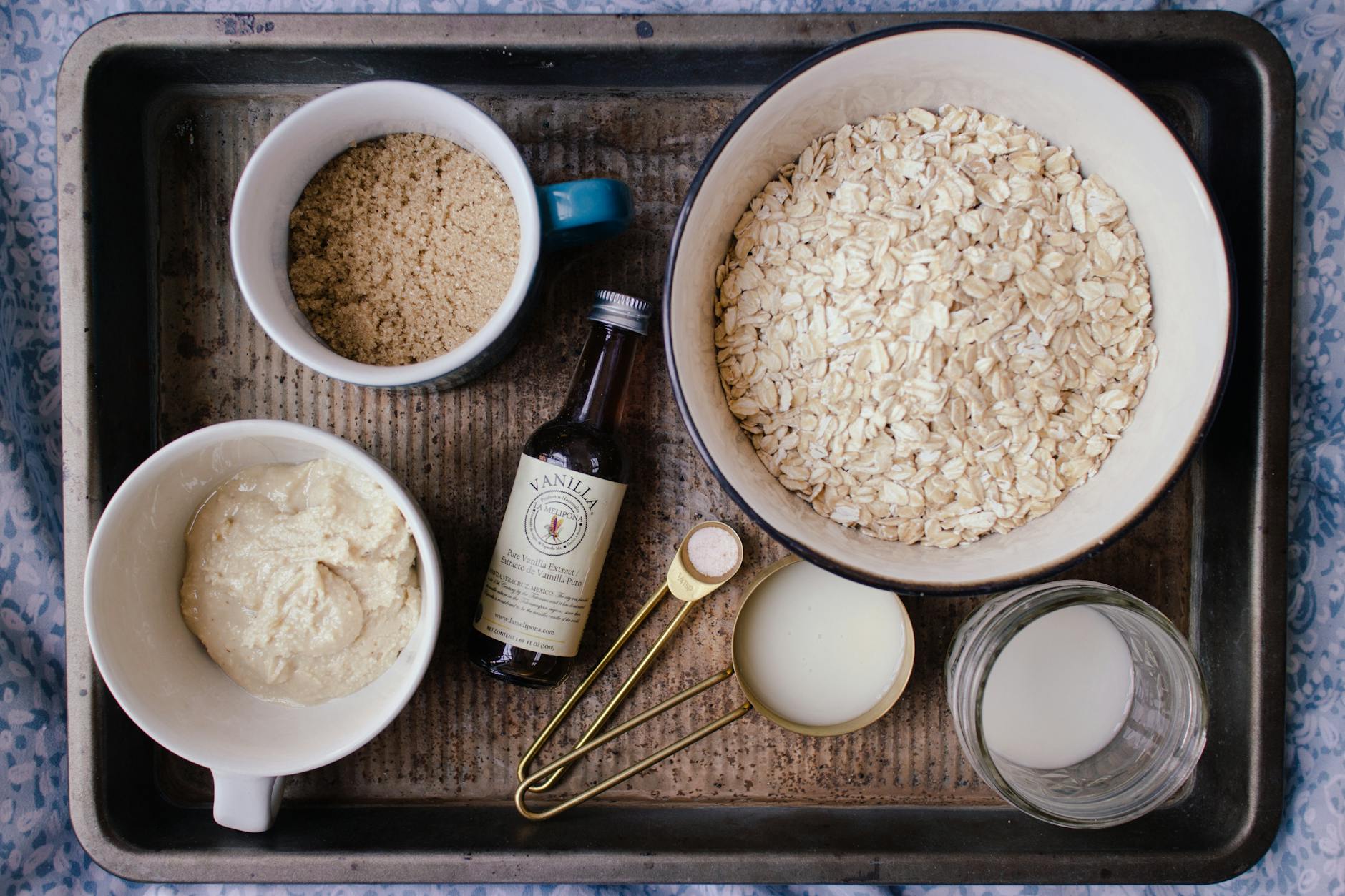
A small set of ingredients carries the whole sauce: butter or vegan butter, all-purpose flour, oat milk, and a little broth if the flavor needs help. That base gives you a dairy-free country gravy that can stay light for potatoes or firm enough for biscuits.
| Fat source | Flavor impact | Best use |
|---|---|---|
| Butter | Rich, familiar, slightly sweet | Classic white gravy with dairy |
| Vegan butter | Close to butter, usually neutral | Vegan gravy recipe |
| Oil | Clean, plain, less rich | Simple plant-based gravy |
| Sausage drippings | Bold, salty, meaty | Sausage gravy with oat milk |
Vegetable broth matters because oat milk alone can taste thin in a savory sauce. A splash of broth brings salt, depth, and a more finished flavor, especially with plant-based fat.
Seasoning does more than add salt
White pepper gives the gravy a softer heat and a pale color, while black pepper gives a sharper bite and the specks people expect in pepper gravy. Garlic powder, onion powder, and a pinch of bouillon can round out the flavor without making the sauce heavy.
That seasoning logic matters even more with breakfast sausage, since the drippings already bring salt and spice. Once you know your fat source, the roux becomes easy to size for any batch.
A properly cooked roux creates the smooth foundation that makes the oat milk whisk in cleanly.
Building A Roux Without Guesswork
A roux is just fat and flour cooked together until the raw flour smell fades. For gravy, that step matters because it swells the starch grains before the oat milk hits the pan, which gives you a smooth sauce instead of a floury one.
A simple ratio scales cleanly
Start with 2 tablespoons fat and 2 tablespoons all-purpose flour for about 1 to 1 1/2 cups gravy. Double the pair for a larger batch, then add liquid slowly until the texture fits biscuits, potatoes, or a skillet breakfast.
That ratio gives you room to move. Use a little less liquid for thick biscuit gravy, then add more broth or oat milk for a looser pour over mashed potatoes.
Cook out the raw flour taste
- Melt the fat. Warm butter, vegan butter, oil, or sausage drippings over medium-low heat.
- Stir in flour. Whisk until the mixture looks smooth and sandy, with no dry pockets.
- Cook briefly. Keep the roux moving for 1 to 2 minutes until it smells nutty, not pasty.
- Watch the color. A pale golden tint is enough for white gravy; darker roux shifts the flavor.
The science here is starch gelatinization. Heat and fat coat the flour particles, then the starches swell once liquid arrives, which thickens the sauce in a stable way. That aligns with the classic roux method used in white sauces, including vegetarian white gravy and other gravy styles that rely on a smooth starch network. After that base is set, whisking in the oat milk becomes the step that separates smooth gravy from lumpy gravy.
Once the base thickens, the same method can swing from a plain version to a savory one.
Whisking In Oat Milk For A Smooth Finish
Adding the liquid in stages keeps the roux from clumping at the bottom of the pan. A cold pour all at once can shock the flour into little balls, while a slow stream gives the starch time to absorb evenly.
Add liquid in rounds
Start with a small splash and whisk until the paste loosens. Keep adding oat milk in half-cup rounds, then finish with broth only after the sauce starts to thicken.
That sequence gives you control over texture. Oat milk brings creaminess, and broth adds backbone, so the two together taste fuller than either one alone.
Keep the burner low enough that the surface barely trembles. A hard boil can scorch oat milk at the pan edge before the center thickens.
Look for a slow bubble, not a boil
A gentle simmer is the sweet spot for this sauce. Stirring with a whisk or flat spatula every few seconds keeps the flour suspended and helps the gravy stay glossy instead of grainy.
That method matters even more in thin pans or stainless steel skillets, which transfer heat fast. Once the base thickens, the same formula can split into a vegetarian version or a sausage version without changing the technique.
That choice changes the flavor, but the real challenge is still rescuing any flaws in texture or taste.
From Vegetarian White Gravy To Sausage Gravy
That same roux can stay meatless or take on a breakfast sausage flavor with one fat change. Vegetarian white gravy feels clean and mild, while sausage gravy with oat milk tastes deeper because the drippings carry browned bits and salt.
Vegetarian white gravy stays simple
Use butter, vegan butter, or neutral oil, then season with salt, pepper, and a little broth. A pinch of thyme or sage works well, but the sauce still needs restraint so it stays in the country gravy lane.
A few drops of maple syrup are not the answer here, since oat milk already has soft sweetness. Black pepper, onion powder, and a little bouillon do a better job of bringing the flavor into focus.
Sausage gravy gets its depth from the pan
Brown breakfast sausage, leave a spoonful of fat in the skillet, and use that fat for the roux. Those browned solids are packed with flavor, and they turn the milk sauce into a classic biscuit topping.
For sausage gravy with oat milk, taste before salting. The sausage and drippings often bring enough seasoning, so extra salt can push the gravy too far. A little black pepper and sage finish it cleanly.
Small finishing touches make each version feel complete
- Vegetarian version: Add a pinch of sage and a spoon of broth for depth.
- Vegan version: Use vegan butter and vegetable broth for a fuller savory base.
- Sausage version: Fold in crumbled sausage at the end so the texture stays balanced.
- Pepper gravy style: Finish with extra black pepper right before serving.
That fork in the road matters because the best finishing move depends on what already lives in the pan. Once the sauce is made, the real test comes from texture faults and flavor gaps.
When the gravy turns out right, the only question left is what starch or side it should coat.
Fixing Thin, Thick, Lumpy, Or Bland Gravy
Gravy problems are fixable as long as the pot stays on the stove. Thin sauce needs more time, thick sauce needs liquid, and lumps need motion before they set into little flour dumplings.
Thin gravy needs one more minute, not panic
Let it simmer gently and stir often. The flour thickens as water leaves the pan, so a sauce that looks loose at 30 seconds can land in the right zone a minute later.
If it still runs after that, whisk a small extra spoon of flour into fat in a separate skillet, then blend that paste in. Cornstarch can work in some recipes too, but it gives a shinier finish and a different mouthfeel than roux-thickened gravy.
Thick gravy loosens with warm liquid
Stir in warm oat milk or broth one tablespoon at a time. Cold liquid can tighten the starch again, which makes the sauce seize instead of relax.
Over-thick gravy after cooling is common because starch sets as it rests. Reheat it slowly, then add a splash of warm liquid and whisk until the spoon slides through smoothly again.
Lumps and flat flavor need different fixes
Small lumps can vanish with a whisk, immersion blender, or fine sieve. Larger lumps usually mean the liquid went in too fast, so gentle straining is faster than trying to crush them in the pan.
Bland gravy needs salt in small steps, plus black pepper or white pepper for lift. A spoonful of broth, a pinch of bouillon, or a bit more browned sausage can pull the flavor into balance without making the sauce heavy.
Season in layers. Salt changes fast in gravy, and a little extra can hide the oat flavor instead of helping it.
Once the texture is under control, serving becomes the easy part, and the plate decides how loose the sauce should be.
Storage can dull that silkiness, so a good finish keeps the next serving smooth instead of gluey.
Serving It Over Biscuits, Potatoes, And More
Breakfast biscuits are the classic landing spot, but mashed potatoes, roast vegetables, toast, and breakfast bowls all work well. Thick gravy clings to biscuits, while a slightly looser pour suits potatoes and roasted mushrooms better.
Adjust texture for the plate
For biscuits, stop cooking a little earlier so the sauce stays spoonable and dense. For potatoes, add a small splash of broth until the gravy slides instead of mounds.
That small adjustment keeps the meal from feeling off. A biscuit needs grip, but potatoes need flow, and the same pot can do both without a new recipe.
Use it beyond breakfast
Roast cauliflower, green beans, and skillet tofu all take well to a light white gravy. Toast works too, especially when you want a fast savory lunch with a soft, creamy finish.
Oat milk gravy also fits meal prep because the base reheats better than many cream sauces. Store it in a covered container in the fridge, then warm it slowly on low heat with a splash of broth or oat milk to bring the texture back.
Make ahead without losing texture
Cool the gravy before refrigerating it so the steam does not water down the surface. Reheat in a saucepan rather than the microwave when you want the smoothest result, since direct heat gives you more control over thickness.
A gentle stir every minute keeps the sauce from sticking as it warms. That last step matters because the starch tightens during storage, and the next meal should still feel silky, not sticky.
Bottom Line
The best oat milk gravy depends on three choices: the right carton, a calm roux, and low heat. Get those right, and you get a savory sauce that works for biscuits, potatoes, or sausage without tasting sweet or thin.
FAQ
How do you make gravy with oat milk?
Start with fat and all-purpose flour, cook the roux for a minute or two, then whisk in unsweetened oat milk slowly. Keep the heat low and add broth only as needed for a fuller savory taste.
Will oat milk make gravy sweet?
Unsweetened oat milk stays mild, but sweetened or vanilla cartons can push the flavor toward sweet. White pepper, black pepper, salt, and broth keep the sauce in the savory lane.
How do you keep oat milk gravy from getting lumpy?
Add the liquid in small amounts and whisk after each pour so the roux can absorb it evenly. A smooth paste at the start gives you the best shot at a smooth finish.
Can you make sausage gravy with oat milk?
Yes. Brown the sausage, use some of the drippings for the roux, then whisk in oat milk and season lightly because the meat already brings salt and pepper.
How do you thicken oat milk gravy if it is too thin?
Let it simmer a little longer, since flour thickens as moisture leaves the pan. A small extra spoon of roux can help too, and cornstarch works in some recipes for a different finish.
How do you store and reheat oat milk gravy?
Store it in a covered container in the fridge after it cools, then reheat it slowly over low heat. Add warm oat milk or broth a tablespoon at a time until the texture loosens again.
