

A practical English word bank for classwork, spelling practice, and quick review, this list includes common, tropical, and rare picks. You can group common, tropical, and rare picks so the list stays orderly instead of turning into a jumble.
This page helps you study fruit names in English with clear categories, a full alphabetical list, and simple spelling support for learners, teachers, and kids.
Key Takeaways
- Grouped learning helps. Common, tropical, citrus, berry, and stone fruit sets are easier to remember than one long wall of names.
- Every name stays edible. The list sticks to fruits you are likely to meet in English, not botanical edge cases with little classroom use.
- Short descriptions matter. A one-line clue beside each fruit helps you match the word to shape, taste, or color.
- Spelling gets easier fast. Names like pomegranate, quince, and rambutans become simpler once you see them in context.
- Regional labels show up too. A few fruits have alternate English names, so you can recognize both forms in books and lessons.
What Counts As A Fruit In English
In everyday English, a sweet or tangy edible plant part can be eaten raw, sliced into a bowl, or used in desserts and drinks. That plain meaning matters most for schoolwork, shopping, and daily conversation.
Botany draws the line more broadly, since tomatoes, cucumbers, peppers, and avocados form from a flower and hold seeds. In real use, though, English speakers still group tomatoes and cucumbers with vegetables, so this list stays focused on fruits you are likely to name as fruit.
Tomatoes and cucumbers sit in a gray zone. Botanical definitions call them fruits, but everyday English usually does not.
That split explains why fruit vocabulary can feel messy at the edges. A child may hear berry in one lesson, then meet strawberry and raspberry in another, while a science class uses fruit in a stricter way. The list below uses the ordinary English meaning and keeps the choices practical for you.
Patterns like those make the familiar entries stand out, which is why the easiest fruits deserve attention first.
The Full A-Z List Of 100 Fruit Names
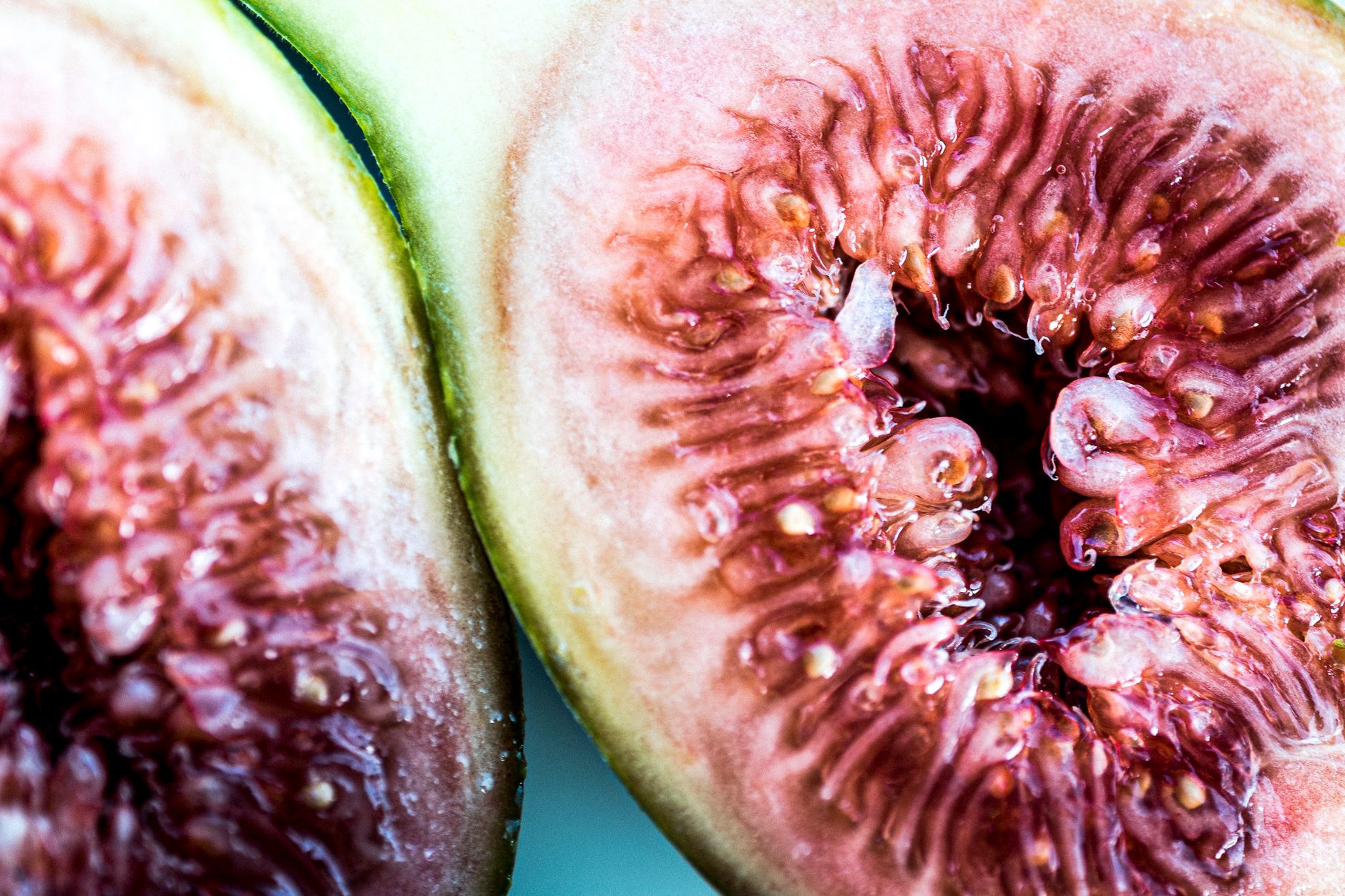
The alphabetized list below keeps every item in one place, with a short tag that helps you recognize it quickly. That makes it easier to copy into flashcards, a worksheet, or a printable fruit names list without hunting through mixed notes.
| Fruit | Short descriptor | Fruit type |
|---|---|---|
| Apple | crisp, round, common snack fruit | common fruit |
| Apricot | small orange fruit with soft flesh | stone fruit |
| Avocado | creamy green fruit with a large pit | tropical fruit |
| Banana | long yellow fruit with soft flesh | common fruit |
| Blackberry | dark berry made of many small druplets | berry |
| Blackcurrant | small tart berry used in jams | berry |
| Blueberry | tiny blue berry with a sweet taste | berry |
| Breadfruit | large starchy tropical fruit | tropical fruit |
| Cantaloupe | orange-fleshed melon with netted skin | melon |
| Carambola | star fruit with crisp yellow ridges | tropical fruit |
| Cherry | small round fruit with a pit | stone fruit |
| Chikoo | sweet brown fruit also called sapodilla | tropical fruit |
| Cloudberry | golden berry from cool northern regions | berry |
| Coconut | hard-shelled fruit with white flesh and water | tropical fruit |
| Cranberry | small tart red berry | berry |
| Currant | tiny berry used fresh or dried | berry |
| Date | soft brown fruit from the date palm | dried fruit |
| Dragon fruit | bright pink fruit with speckled flesh | tropical fruit |
| Durian | large spiky tropical fruit with strong odor | tropical fruit |
| Elderberry | dark berry used in syrups and pies | berry |
| Fig | soft fruit with tiny edible seeds | common fruit |
| Gooseberry | small green or red tart fruit | berry |
| Grape | small round fruit that grows in clusters | berry |
| Grapefruit | large citrus fruit with a bitter edge | citrus fruit |
| Guava | fragrant tropical fruit with seeded flesh | tropical fruit |
| Honeydew | pale green melon with smooth skin | melon |
| Jackfruit | very large tropical fruit with yellow pods | tropical fruit |
| Jambul | purple fruit also called jamun | tropical fruit |
| Jujube | small red-brown fruit with a date-like taste | stone fruit |
| Kiwi | brown fuzzy fruit with green flesh | common fruit |
| Kumquat | tiny citrus fruit eaten with the skin | citrus fruit |
| Lemon | yellow citrus fruit with sharp flavor | citrus fruit |
| Lime | small green citrus fruit | citrus fruit |
| Lychee | small red fruit with sweet white flesh | tropical fruit |
| Mandarin | easy-peel citrus fruit | citrus fruit |
| Mango | juicy tropical fruit with a large pit | tropical fruit |
| Mangosteen | purple tropical fruit with white segments | tropical fruit |
| Mulberry | long dark berry that stains fingers | berry |
| Nectarine | smooth-skinned peach relative | stone fruit |
| Orange | round citrus fruit with a bright peel | citrus fruit |
| Papaya | large tropical fruit with orange flesh | tropical fruit |
| Passion fruit | small round fruit with fragrant pulp | tropical fruit |
| Peach | soft fuzzy fruit with a pit | stone fruit |
| Pear | green or yellow fruit with a narrow top | common fruit |
| Persimmon | orange fruit that becomes soft when ripe | common fruit |
| Pineapple | spiny tropical fruit with sweet yellow flesh | tropical fruit |
| Plum | small round stone fruit | stone fruit |
| Pomegranate | red fruit full of jewel-like seeds | common fruit |
| Pomelo | large citrus fruit related to grapefruit | citrus fruit |
| Quince | hard yellow fruit used cooked more than raw | pome fruit |
| Raspberry | soft red berry made of tiny clusters | berry |
| Redcurrant | bright red tart berry | berry |
| Rose apple | crisp tropical fruit with floral scent | tropical fruit |
| Salak | snake fruit with scaly brown skin | tropical fruit |
| Satsuma | small sweet citrus fruit | citrus fruit |
| Soursop | spiky green tropical fruit with creamy pulp | tropical fruit |
| Star apple | purple or green fruit with star-shaped pulp | tropical fruit |
| Strawberry | red fruit with seeds on the outside | berry |
| Tamarind | pod-like fruit with tangy brown pulp | pod fruit |
| Tangerine | small orange citrus fruit | citrus fruit |
| Tomato | seeded fruit often used as a vegetable | botanical fruit |
| Ugli fruit | rough-skinned citrus fruit from Jamaica | citrus fruit |
| Water apple | crisp watery fruit with a mild taste | tropical fruit |
| Watermelon | large striped fruit with juicy red flesh | melon |
| White currant | pale version of the currant family | berry |
| Yellow passion fruit | golden version of passion fruit | tropical fruit |
| Ziziphus fruit | fruit from the ziziphus tree family | stone fruit |
Two science notes help the list make sense. A berry, in botany, forms from one flower with one ovary and several seeds, which is why grapes and tomatoes fit the botanical label while strawberries do not. A stone fruit has a hard inner pit, which is why peaches, plums, cherries, and apricots feel like a natural family.
That structure gives you a real memory aid, not just a stack of names. Once you know the pattern, the list becomes easier to sort, spell, and teach, and the common fruits come into focus faster than the rare ones.
Even simple fruit names vary more than they first appear, and those differences lead naturally into pronunciation and regional usage.
Common Fruits To Learn First
Apple, banana, orange, and grapes sit near the center of fruit vocabulary because you hear them in stores, lunch boxes, and classroom charts. Those four give you a fast base, and each one also has a simple spelling pattern that newer learners can manage.
- Apple gives you a short, clean word with a double consonant only in related forms like apple pie.
- Banana teaches a repeated vowel pattern that is easy to hear and say.
- Orange appears in color words and juice labels, so it shows up in daily life.
- Grapes helps you learn a plural form that still works as a fruit name in English.
- Mango brings in a tropical staple that many schools use in food charts.
- Watermelon adds a long compound word that is useful for spelling practice.
Pears, plums, peaches, and strawberries belong in the next learning tier. They are familiar enough for kids and beginners, but each one adds a slightly different spelling shape, from silent letters to clustered consonants, so your practice gets wider without getting obscure.
Because those labels work well with images and repetition, spelling details become easier to notice and remember.
Tropical, Citrus, Stone, And Berry Groups
That sorting trick shows up most clearly once you start grouping the names by family instead of studying them one by one. A citrus fruit tastes bright and sharp, a stone fruit carries a pit, a berry tends to pack many seeds or small seed-like parts, and tropical fruits often come with vivid skins or softer flesh.
Citrus Fruits Stay Easy To Sort
Lemon, lime, orange, grapefruit, pomelo, kumquat, mandarin, satsuma, and ugli fruit all belong in the citrus family. Their skins, oils, and acid content give them a shared sharp scent, which is why the group feels so recognizable even before you taste them.
Citrus also gives you useful English contrasts. A mandarin peels more easily than a grapefruit, kumquat is small enough to eat whole, and pomelo is much larger than orange. Those size clues help you sort the names fast.
Stone Fruits Cluster Around The Pit
Peach, plum, cherry, apricot, nectarine, and jujube each form around a hard inner stone. That pit is the main clue, and it explains why these fruits behave more alike than their colors suggest.
Stone fruits matter for spelling practice too. Peach and plum are short, cherry and apricot are longer, and nectarine shows how a familiar family can still bring a tougher word shape into your list of fruit names in English.
Tropical Fruits Carry The Most Variety
Mango, papaya, pineapple, guava, lychee, durian, jackfruit, and soursop show how wide tropical vocabulary can get. Some are juicy, some are creamy, and some are large enough to look almost unfamiliar in a grocery bin.
Fruit families do part of the memory work for you. Once you know that kiwi, pineapple, and mango sit in the tropical group, the individual words stick faster.
Berries round out the categories with smaller, seed-rich names like blueberry, raspberry, blackberry, cranberry, and currant. That cluster is a strong classroom set because the words are short, repeated in labels, and easy to pair with pictures, which is where the next section becomes useful.
Picture-based practice helps, but learners also need a small core set that sticks quickly.
Spelling, Pronunciation, And Regional Names
Some fruit names look simpler than they sound, and that mismatch can slow down your review. Lychee, quince, pomegranate, and guava are common sticking points because the letters do not match the spoken rhythm in an obvious way.
Harder Names Sound Better In Pieces
Lychee is often said as LEE-chee in US English classrooms. Quince has one crisp syllable, pomegranate breaks into four beats, and kumquat lands with a hard K sound at the start and middle.
Jackfruit, passion fruit, and dragon fruit are easier to pronounce than they look because the second word does most of the work. Say the two parts clearly, and the full name becomes less crowded on the tongue.
Regional English Names Change The Label
Chikoo and sapodilla refer to the same fruit in different English settings, and jambul may also appear as jamun. Mandarin, tangerine, and satsuma can all sit near the small orange citrus group, yet local usage still shifts the exact label.
Water apple, rose apple, and star apple are also useful examples because the added word tells you shape or texture, not flavor alone. That pattern helps you read fruit names in English more carefully, especially across school charts, market signs, and recipe lists.
One practical trick is to write each tricky word beside a simple cue. Pomegranate can sit next to red seed cluster, while persimmon can sit next to soft orange fruit, and that pair of words often matters more than a long definition.
Those folders are useful, yet a few especially common names should be learned before everything else.
Picture-Friendly Practice For Kids And Classrooms
Fruit words stick faster when you pair them with a drawing, a photo, or even a rough sketch. Apple, banana, and orange are easy to label, but the same method works for durian, pomelo, and star fruit once the image is clear.
Simple Visual Prompts Work Well
Use a blank box beside each name and write one visual clue, such as red round fruit for cherry or fuzzy brown fruit for kiwi. That tiny cue helps you separate similar names like plum and peach, or lime and lemon.
- Match word to picture by pairing each fruit name with a simple sketch or printed image.
- Group by color using red, yellow, green, and purple labels for faster sorting.
- Sort by size from tiny berries to large fruits like watermelon and jackfruit.
- Cover and recall by hiding the name card and saying the fruit aloud.
- Swap partners in a matching game so your child or classmate must name the fruit from memory.
Worksheet Layout Keeps Review Tidy
A two-column sheet works well, with the fruit name on the left and a blank space on the right for spelling, pronunciation, or a drawing. That layout is easy to print, easy to copy, and clean enough for classroom learning.
You can also split the sheet into four blocks, one for common fruits, one for citrus fruits, one for berries, and one for tropical fruits. The categories act like file folders, and that makes recall smoother during quizzes or quick oral drills.
That smaller core gives the full list a friendlier shape, making the final review feel manageable.
The Fruits Most Learners Should Memorize First
Start with the names that show up in lunch boxes, grocery aisles, and basic English lessons. Those core words carry the most practical value, and they give you a strong base before you move into rarer fruit names in English.
- Apple gives you the most familiar classroom fruit and a very short spelling pattern.
- Banana trains vowel rhythm and appears in beginner vocabulary lists everywhere.
- Orange helps with color-word confusion because the fruit and the color share a label.
- Grapes teaches a plural form that still acts like a single food name.
- Mango anchors tropical vocabulary and is easy to say in English.
- Pineapple builds confidence with a compound word that breaks into two familiar parts.
- Watermelon adds length without adding much pronunciation stress.
- Kiwi keeps the list modern and short, which helps during fast review.
- Pear and plum round out the temperate set with simple spellings.
- Strawberry stays worth memorizing because it appears in food labels, desserts, and color words.
That short checkpoint should sit beside the full list, not replace it. Once you know these ten, the rest of the 100 fruit names feel less random, and the rare entries become easier to recognize instead of intimidating.
Wrap Up
A strong fruit list works best when you can sort it by common use, type, and spelling shape. That is what turns a long inventory into usable English vocabulary, and it is why the same names keep showing up in classrooms, labels, and simple conversation.
FAQ
Can you give me a list of 100 fruits?
Yes, and the list above gives you exactly 100 edible fruit names in English with short clues for each one. The mix includes common fruits, citrus fruits, berries, stone fruits, tropical fruits, and a few less familiar names.
What are 100 fruit names in English?
They are everyday English names for fruits such as apple, banana, orange, grape, mango, kiwi, pear, plum, pineapple, and watermelon, plus many others from the same categories. The table keeps them in alphabetical order so you can study them in smaller parts.
What are the top 100 fruits?
In school and daily use, the strongest core set starts with apple, banana, orange, grapes, mango, pineapple, watermelon, kiwi, pear, and strawberry. After that, you can expand into citrus, stone fruits, berries, and tropical names that show up less often.
How do you pronounce difficult fruit names?
Break the word into sound chunks and say each part on its own, such as pome-gran-ate or pas-sion fruit. Lychee, quince, and kumquat are easier once you slow them down and repeat them beside a simple visual cue.
Can I get a printable list of fruit names?
Yes, and the alphabetized table is set up for that purpose because it is clean, duplicate-free, and easy to copy into a worksheet. You can also split it into categories for flashcards or classroom review.
