

Dry chia seeds keep their quality much longer than chia that has been mixed with water. Whole dry chia seeds can keep for years in a cool pantry, while soaked chia seeds and chia water need refrigeration and lose quality much faster.
You need different storage rules for pantry storage, refrigerator storage, and freezer storage, plus a clear way to spot spoilage signs before you use a bad batch.
Key Takeaways
- Dry chia seeds in a sealed pantry package can stay good for 2 to 4 years.
- Soaked chia and chia gel belong in the refrigerator and fit a 5 to 7 day window.
- Room-temperature chia in water can sour, ferment, or spoil far faster than dry seeds.
- Rancid odor, bubbling, discoloration, mold, or slime mean the batch should go.
- Freezer storage helps dry chia hold quality far longer than a warm kitchen cabinet.
The Three Chia States That Age Differently
Dry seeds and hydrated seeds age on different clocks, and that difference changes everything about storage. Once water enters the mix, the seed coat softens, the gel layer forms, and microbes have a damp surface to work on.
You can think of chia seeds as two different foods once hydration starts. Whole dry chia seeds behave like a shelf-stable pantry staple, but soaked chia seeds act more like a fresh prepared food that needs cold storage.
Dry Seeds Stay Stable Longer
Whole dry seeds age slowly because their low moisture content limits spoilage and slows flavor loss. An unopened pouch blocks air and pests better than an open bag, and a tight lid helps keep humidity out of the container.
Brands such as Bob’s Red Mill and Nutiva package chia as a shelf-stable pantry staple, and that seal matters because oxygen and humidity drive staling. Less air means less oxidation, and less moisture means fewer clumps and fewer pantry insects.
Water Changes The Storage Rules
Once chia hydrates, it behaves more like a fresh prepared food than a dry pantry item. That shift matters because chia gel holds water at room temperature, and water plus warmth gives bacteria and yeast a better place to multiply.
A jar of chia with liquid on the counter can smell sharp or start bubbling long before dry seeds would show trouble. Chia Fresca, a drink made with chia and liquid, falls into that same fast-moving category, so refrigeration becomes the safer default.
You should treat chia in water as a short-life food, not a pantry staple. That distinction helps you answer how long chia seeds last in water without mixing up it with dry seed storage.
That longer shelf life depends on where you keep them, and the timeline changes with temperature and moisture.
Pantry Storage That Keeps Dry Seeds Fresh
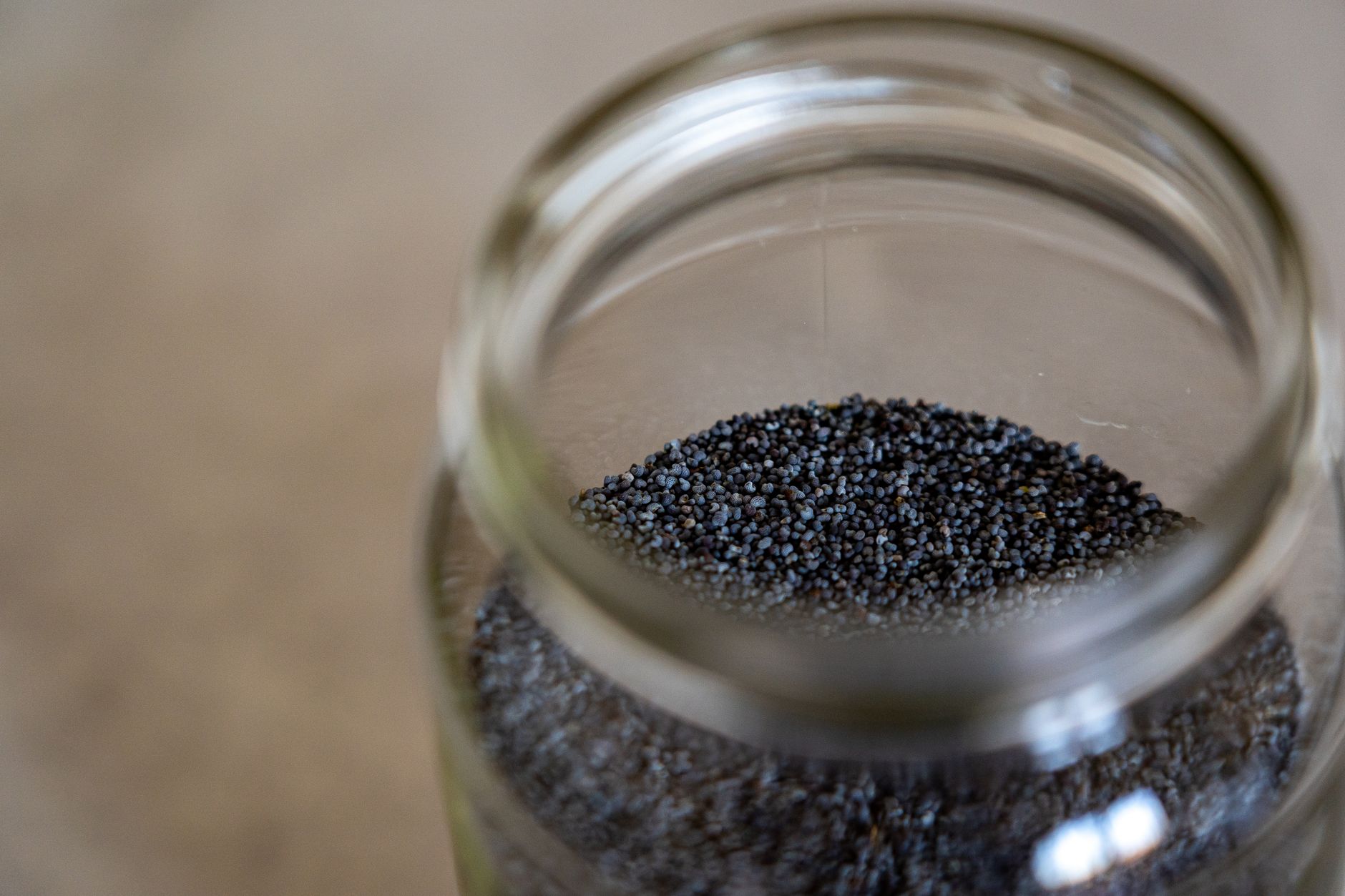
A cool pantry works because dry seeds do not spoil quickly the way wet foods do. When you keep air, heat, and humidity low, you protect the mild, nutty flavor that makes chia useful in oats, yogurt, and baked goods.
That same low-moisture setup is what gives chia seeds shelf life in pantry storage measured in years rather than weeks. The main job is keeping the package dry after it opens.
Airtight Containers Slow The Damage
Glass jars with tight lids, hard plastic canisters, and resealable pouches with the air pressed out all help. The reason is simple: less oxygen means less oxidation, and less moisture means fewer clumps and less chance of mold growth on the surface.
A stove-side cabinet is a poor choice because repeated heat swings push moisture in and out of the package. A darker shelf away from steam usually works better, and a refrigerator starts to make more sense in humid homes or for very large bags.
Airtight container storage is especially useful after the first opening because it slows stale flavor and keeps pantry storage more stable. A sealed jar also helps you notice changes in smell before the seeds sit too long.
Warm Kitchens Shorten Freshness
Chia seeds shelf life in pantry storage drops faster in summer kitchens, near dishwashers, or above ovens. Heat speeds oxidation in the tiny oils inside the seed, and that is the main path toward a rancid smell.
Tip: Keep dry chia in the same kind of container you would use for nuts or flax, since all three dislike heat, light, and moisture.
You can store smaller amounts in the pantry and freeze the rest, which keeps the working container opened less often. That split storage works well for bulk bags from retailers such as Costco or Whole Foods Market private labels, where the package size is often bigger than a month of use.
Freezing slows down that decline, but once water enters the picture, the clock speeds up sharply.
A Simple Timeline For Pantry, Fridge, Water, And Freezer
That storage split makes the time limits much easier to read. The chart below separates unopened, opened, and prepared chia so you can match the container to the state of the food.
You get the clearest answer when you separate dry seeds from soaked chia seeds and from chia water. Each form has a different shelf life because moisture changes the risk level almost immediately.
| Storage state | Place | Typical time span | Main risk |
|---|---|---|---|
| Unopened dry seeds | Pantry | 2 to 4 years | Slow quality loss, stale flavor |
| Opened dry seeds in airtight storage | Pantry | 2 to 4 years | Moisture pickup, rancid smell, pests |
| Soaked chia or chia gel | Refrigerator | 5 to 7 days | Fermentation, mold, slime |
| Chia in water at room temperature | Counter | Same day, not overnight for safety planning | Bacterial growth, souring, gas |
| Dry seeds in long-term storage | Freezer | Years, with quality best preserved when sealed well | Moisture from poor packaging |
The freezer matters most for dry chia, not for prepared gel. Cold air slows oxidation and keeps oils from drifting into stale territory, so a freezer-safe bag or jar can extend freshness far beyond a pantry shelf.
Those risks become harder to ignore when visible spoilage appears, because texture and smell reveal the earliest trouble.
Why Soaked Chia Demands Faster Use
Once chia absorbs water, it stops behaving like a dry storage item. The gel layer traps liquid around the seed coat, and that moist surface gives microbes the right conditions to spread.
That is why how long soaked chia seeds last in the fridge is measured in days, not months. Cold slows growth, but it does not stop food safety issues from building over time.
Refrigeration Slows Spoilage
How long soaked chia seeds last in the fridge depends on how clean the container is and how cold the refrigerator stays, but 5 to 7 days is a practical window. A tightly covered jar keeps out extra contamination from utensils, air, and other foods in the refrigerator.
Guidance on cold storage for cooked and cut foods follows the same basic principle: cold slows microbial growth, but it does not stop it. Chia gel is not a cooked dish, yet the storage rule is the same, and your refrigerator buys time that room temperature does not.
Room Temperature Moves Fast
Chia seeds in water left at room temperature can ferment quickly, especially in a warm kitchen. That process can bring a sour smell, fizz, or slight pressure under a lid, all of which point to gas-producing microbes at work.
Overnight soaking on the counter is a gamble that gets riskier as the room warms. A mason jar by the sink can turn from plain to unpleasant by morning, while a jar in the refrigerator stays far steadier.
Yes, because the added moisture creates a better environment for bacteria and yeast. If you leave chia seed water out too long, the quality can slip from normal to unsafe by the next day.
Sensory clues matter most, yet age and labeling still help decide whether a stash deserves another use.
The Signs That Chia Seeds Or Chia Gel Have Turned
A bad batch usually gives you several clues at once. Dry seeds usually warn you first with smell, while soaked chia shows trouble through odor, texture, and appearance.
You can use a simple toss-it checklist instead of guessing. Smell, texture, color, and visible growth give you a much better read than the date on the package alone.
Dry Seeds Show Rancid Notes
- Stale smell means the oils have aged and flavor has faded.
- Paint-like odor points to rancidity from oxidized oils.
- Bitter taste suggests the seeds no longer taste neutral or nutty.
- Dusty clumps can mean moisture entered the package.
Rancidity is not the same as mold. It comes from fat oxidation, and chia has enough natural oil to pick up that off smell over time, especially in a hot pantry or near sunlight.
If you want to know how to tell if chia seeds are bad, start with smell and finish with texture. A dry packet that smells neutral and pours freely is usually fine, while a clumped packet often needs a closer look.
Soaked Chia Shows Spoilage Faster
Sour odor, bubbles, discoloration, mold, or a slimy surface all point to spoilage in chia gel. A spoonful that looks stringy in a normal way is fine, but a slippery film or a fermented smell means you should toss it.
Taste is a backup check only after the visual and smell checks pass. A tiny sample that tastes sharp, fizzy, or off-balance is enough reason to discard the batch without using more of it.
How to tell if chia seeds have gone bad in water comes down to those visible and sensory changes. Once the gel smells sour or shows bubbling, do not keep testing it.
Different forms call for different choices, since freshness, safety, and convenience shift as hydration begins.
Warning: Do not rely on appearance alone for soaked chia. A clear jar can still hold spoiled gel, especially after several days in a warm refrigerator door.
Old Seeds, Expired Labels, And When To Keep Or Toss
Best-by dates are quality markers, not automatic spoilage deadlines. A package from a year or two past that date can still smell neutral and work fine in oatmeal or smoothies, while a fresher package that smells rancid should go.
That gap between date and quality matters most with dry chia seeds, because the label does not show how the bag was stored. Heat, humidity, and a weak seal can shorten shelf life long before the printed date arrives.
Five-Year-Old Packages Need A Sensory Check
Very old chia seeds, including five-year-old packages, can still be usable if they smell clean, look dry, and taste plain. Food age alone does not decide safety; moisture, heat, and seal quality matter more than the calendar.
A 5-year-old pouch stored in a cool, sealed pantry may be better than a one-year-old bag kept above a stove. That is why storage history matters more than the label when you judge how long do chia seeds last in pantry conditions.
Freezing Extends Dry Storage
Freezing works best for dry whole seeds that you do not use every day. The low temperature slows the oil changes that lead to rancid flavor, and a tight package keeps freezer moisture from forming frost inside the bag.
Use the freezer for long-term overflow, not for soaked chia. Once water is in the mix, the refrigerator is the right storage tool, and freezing changes the texture in ways that make the gel less useful.
They still can if moisture gets into the package, but quality holds much longer there than on a warm shelf. That makes freezer storage a smart backup when you buy a large bag and use it slowly.
How long do chia seeds last is easiest to answer in one line: dry seeds hold up for years, soaked seeds move on a days-long clock, and water changes the food safety picture the moment hydration starts.
With that in mind, the simplest rule is to trust your senses and err on the side of tossing it.
What To Do With Chia At Each Stage
A quick judgment call saves food and lowers guesswork. Dry seeds get sealed, wet seeds get chilled, and anything sour or slimy gets discarded without a second round of tasting.
You can handle chia seeds shelf life in pantry storage with a simple routine that keeps the best bags separate from the rest. The same routine also helps you decide how to store chia seeds for freshness after opening.
- Check the state Dry seeds belong in pantry or freezer storage, while gel belongs in the refrigerator.
- Smell the batch Rancid or sour odor points to loss of quality or spoilage.
- Look at the texture Slime, bubbling, or mold means the container is no longer usable.
- Review the container Loose lids, damp scoops, and warm cabinets shorten shelf life fast.
- Choose the next spot Move dry seeds to a sealed jar or the freezer, and keep soaked chia cold.
That simple sequence works for breakfast jars, smoothie prep, and homemade chia pudding alike. It also keeps chia water from sitting on the counter long enough to surprise you with a sour smell later in the day.
If you are deciding whether to keep or toss a jar, the safest choice is usually the obvious one. A clean smell, dry texture, and tight lid support freshness; the opposite pattern points to discard.
Final Thoughts
Dry chia and soaked chia follow different rules, so the storage state matters more than the seed itself. Keep dry seeds sealed, chill hydrated batches promptly, and move any liquid-mixed chia to the refrigerator fast.
Once smell or texture turns off, the safest choice is to toss it. That approach protects food safety without forcing you to guess how long do chia seeds last from the label alone.
FAQ
Do chia seeds in water go bad in the fridge?
Yes, chia in water can still spoil in the refrigerator, even though cold slows the process. A clean, covered container gives you a practical 5 to 7 day window, but sour odor, bubbles, mold, or slime mean the batch should be discarded sooner.
How long do soaked chia seeds last without refrigeration?
Soaked chia should not sit out for long. Room temperature lets fermentation and bacterial growth move faster, so a counter jar is a same-day item rather than an overnight storage plan.
How can you tell if chia seeds have gone bad?
Dry seeds turn suspect when they smell rancid, taste bitter, or feel clumped from moisture. Soaked chia gives sharper clues, including sour odor, discoloration, bubbling, mold, or a slippery texture.
Are expired chia seeds safe to eat?
An expired best-by date does not automatically mean the seeds are spoiled. Dry chia can still be usable after that date if it smells normal and stays dry, but any rancid smell or dampness is a reason to discard it.
Can you freeze chia seeds for long-term storage?
Yes, freezing dry seeds can help preserve freshness for long storage. Use a sealed, moisture-tight container so freezer air does not create frost or clumping inside the package.
