

What do chia seeds taste like refers to a mild, mostly neutral flavor with a light nutty or earthy edge. The bigger change is texture: dry chia seeds feel briefly crisp, while soaked chia seeds turn soft and gel-like as they absorb liquid.
This article covers the subtle flavor profile of chia seeds, how their consistency changes in drinks and dishes, and practical tips for making them work well in smoothies, puddings, and everyday cooking.
Key Takeaways
- Dry texture first: Dry chia seeds are tiny, lightly crunchy, and faintly flavored, so mouthfeel stands out more than taste.
- Soaked change fast: Soaked chia seeds turn soft and gel-like, which changes chia pudding, drinks, and yogurt in a noticeable way.
- Fruit helps most: Fruit, vanilla, cinnamon, and citrus make chia taste cleaner without demanding much sugar.
- Liquid matters: You can eat chia dry, but liquid changes the texture quickly and can make swallowing more comfortable.
- Small portions work: A small starting portion and enough water make chia easier to use in smoothies, oats, and sauces.
A Subtle Seed With A Big Texture Shift
Plain chia seeds taste mild, neutral, and only lightly nutty or earthy. Your tongue gets a quiet signal, but your mouth notices the texture change first, especially once liquid reaches the seeds.
Dry chia is a little like poppy seeds crossed with tiny sesame flecks, only softer in flavor. Compared with flaxseed or basil seeds, chia brings less aroma and more mouthfeel, so you use it for structure as much as taste.
Food makers and home cooks value chia for fiber, thickness, and its ability to absorb liquid. Bob’s Red Mill and Taste of Home both frame chia as a mix-in rather than a bold-flavored seed, and that is the practical truth in your bowl or glass.
That difference shows up most clearly once the seeds hydrate, because the same spoonful can feel crisp, slick, or pudding-like depending on the dish you put it in. You can also see why what do chia seeds taste like is really a texture question in disguise.
Because the seeds are mild, the surrounding liquid and mix-ins end up steering the whole flavor.
Dry Seeds Versus Soaked Seeds At The Table
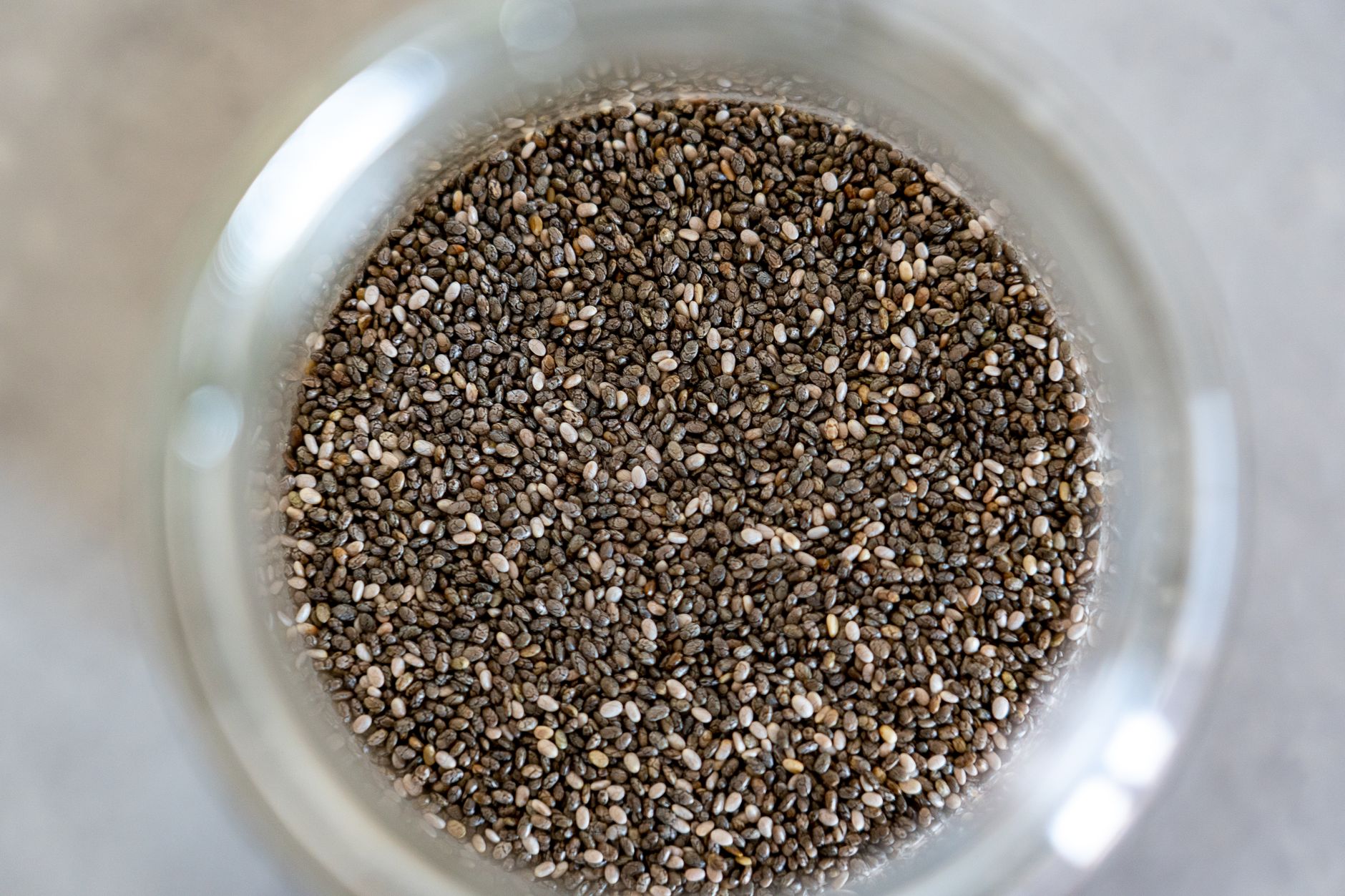
The biggest change happens when water enters the picture, because chia is built to absorb it quickly. That shift affects flavor, mouthfeel, and the way you plan breakfast or a snack.
| Form | Flavor | Texture | Best Use |
|---|---|---|---|
| Dry chia | Very mild, faintly nutty | Tiny crunch, then quick softening | Toppings, stirred into batter, sprinkled on yogurt |
| Soaked chia | Even more muted | Soft, gel-like, pudding-like | Chia pudding, drinks, overnight oats |
| Mixed chia in thick food | Takes on nearby flavors | Less noticeable, more blended | Smoothies, yogurt, oatmeal, sauces |
Dry seeds give you a brief crackle before they start pulling in moisture from saliva or the surrounding food. That quick hydration changes the surface fast, which is why a spoonful of dry chia never stays crunchy for long.
Soaked chia is a different experience altogether. The flavor fades into the background, while the outer layer forms a gel from soluble fibre and water binding, which gives chia pudding its thick, spoonable body.
That gel is not starch and it is not magic. It is a physical reaction from soluble fiber in the seed coat, and it explains why your drink can thicken in 10 to 20 minutes instead of acting like plain water.
Plain soaked seeds in water can taste almost invisible. In yogurt or a smoothie, the same seeds blend into the base and borrow sweetness, acidity, and spice from the food around them. That is why what soaked chia seeds taste like depends so much on the liquid and the mix-in.
That same mildness also means technique matters more than seasoning when you want a smooth result.
The Foods That Make Chia Taste Better
Chia tastes better when you give it a strong partner, because its own flavor stays in the background. Sweet, bright, or creamy foods do most of the heavy lifting and make the seed feel balanced instead of bland.
Sweet pairings that soften the earthy edge
Fruit gives chia the easiest path from bland to pleasant. Bananas, berries, mango, and pineapple add sweetness and aroma that cover the seed’s quiet taste without needing a heavy hand with sugar.
Chia seeds in smoothie work well because the blender breaks up the seed clusters and spreads the texture through the drink. Oatmeal, vanilla yogurt, and chia pudding do the same job, but with a thicker spoonable feel that suits breakfast or snack bowls.
A tablespoon of berries or a few slices of banana can change the whole bowl in under a minute. That is why many people decide do chia seeds taste good only after mixing them with fruit instead of tasting them plain.
Spices and citrus that brighten the bowl
Vanilla, cinnamon, lemon, and orange zest give your mix a sharper top note. That matters because chia has little aroma of its own, and a bright flavor profile makes the seed feel fresher instead of dull.
Chia seeds in yogurt are a good example. A spoonful of plain yogurt, a few berries, and a pinch of cinnamon can make the seeds taste almost invisible while still adding body and a light crunch at the edges.
A squeeze of citrus also helps cut the earthy note that shows up in plain chia. The result is cleaner and less flat, which matters when you want chia to support dessert-style bowls without turning them heavy.
Savory uses for a neutral add-in
Neutral flavor also helps in savory food. Blended dressings, tomato sauces, and herb dips can take a small amount of chia without changing the main taste, which gives you a flexible thickener for lunch or dinner.
Sporked and other food media often point out that chia is less about flavor than function, and that is why it works in both sweet and savory settings. Once that is clear, the next issue is texture control, because slimy or clumpy results can make even a good flavor hard to enjoy.
A teaspoon stirred into salsa or dressing changes thickness without adding a loud seed taste. That makes chia useful when you want fiber and body without distracting from garlic, tomato, vinegar, or herbs.
Even a modest spoonful can feel different once it has enough time to hydrate fully.
Simple Ways To Avoid Slimy Or Clumpy Results
Bad texture is the main reason chia gets rejected, not flavor. If you control the ratio and stirring, you can keep the seed pleasant instead of pasty or gummy.
Start with a small portion and enough liquid
A tablespoon goes much further than most beginners expect. Chia absorbs several times its own weight in water, so too little liquid leaves you with a paste, while too much leaves the seeds floating apart.
For chia pudding, a thin stir every few minutes during the early stage helps the seeds spread evenly. In a drink, a quick shake, a short rest, then another shake keeps the particles from settling into one sticky layer at the bottom.
That small ratio change is the difference between spoonable and cement-thick. If your first batch feels heavy, add a little milk, juice, or water before it sits any longer.
Stir early, then give the seeds time
The common clump forms in the first minute after mixing. Stirring right away breaks that surface clump, and a second stir after a few minutes helps the outer coating hydrate at the same rate as the rest.
Tip: Keep an eye on thickness after 10 minutes. A splash of milk, water, or juice loosens a batch that turned into paste, and that small adjustment often saves the texture for your next spoonful.
Over-thickening usually means the seed ratio ran high for the amount of liquid. In overnight oats, the oats already absorb moisture, so chia should stay in the supporting role or the bowl can turn heavy and sticky by morning.
Fix the texture before it turns you off
- Thin it out: Add more liquid and give the mixture a quick stir.
- Break clumps: Use a fork or whisk before the mixture sets.
- Use softer bases: Choose yogurt or smoothie blends for a smoother mouthfeel.
- Skip oversized batches: Keep the first test batch small until you know the texture you like.
That kind of control matters because chia has no strong taste to hide behind. Once the texture feels right, your tongue stops focusing on the seed itself and starts noticing the fruit, spice, or dairy around it. You also get a better answer to how to eat chia seeds without ending up with a gummy spoonful.
A 1- to 2-tablespoon serving is a practical starting point for most bowls and drinks. That amount gives you room to judge flavor and thickness before you scale up.
Dry bites often seem harsher than they are, especially before the seeds have fully absorbed moisture.
Chewing, Swallowing, And Other Safety Basics
Dry chia needs more care than soaked chia because it expands after it reaches moisture. The main safety issue is not taste; it is how the seeds behave before they fully hydrate.
Dry seeds need extra care
Dry chia can swell after it reaches liquid, so large amounts taken with too little moisture can be uncomfortable. Small servings mixed into food are easier to handle than a mouthful of loose dry seeds chased by a sip of water.
You do not need to chew every seed into dust, but chewing helps dry toppings mix with saliva before they travel down. In drinks and puddings, the seeds are already hydrated, so swallowing is less of a texture problem than it is with a dry sprinkle.
That matters most in dry toppings, where the seed still has room to expand. If you want a safer, smoother experience, move the seeds into yogurt, oats, or another moist base instead of eating a big dry spoonful.
Hydration matters more than flavor
Water changes the seed from a tiny bead into a gel-coated speck, and that shift is the reason chia pudding works at all. The same liquid absorption that makes the texture pleasant can also make a dry spoonful awkward, so the liquid around it matters.
Begin with a modest amount, then increase only after your stomach and mouth feel comfortable with the texture. That pace works well for smoothies, oatmeal, yogurt, and sauces, because you can judge both taste and thickness before scaling up.
Warning: Large dry amounts can swell before enough liquid is present. Keep water or another drink nearby, and avoid forcing a dry spoonful if the seeds are already sticking together.
A texture issue usually shows up before a flavor issue, and that pattern is easy to miss until you feel it in your mouth. Once the seed has room to hydrate, the experience feels smoother and far less distracting.
People who rush this step usually blame the flavor, but the problem is often dryness. Give the seeds time and liquid, and the eating experience becomes easier to manage.
With that expectation set, the bigger takeaway is that chia works best as an adaptable texture ingredient.
What To Remember
Chia seeds taste mild, not bold, so your best results come from pairing them with foods that already have strong flavor or a creamy base. Dry chia gives a brief crunch, soaked chia turns soft and gel-like, and both forms work best when you respect hydration and texture first.
That simple pattern is why chia shows up in breakfasts, drinks, and thickened sauces without taking over the dish. Once you know the seed is mostly neutral, you can use it for body, fiber, and a little structure instead of expecting a strong standalone flavor.
Final Look
They taste very mild, with a subtle nutty or earthy note that stays in the background. If you want a stronger opinion, the honest answer is that texture matters more than flavor in most bowls.
They are usually better as an add-in than as a solo snack, especially if you dislike gel-like textures. Fruit, yogurt, cinnamon, and citrus make them far easier to enjoy.
Once you match the seed to the right liquid and serving size, chia becomes simple to use. You get the thickening, the fiber, and the mild flavor without fighting a clumpy spoonful.
FAQ
What do chia seeds taste like on their own?
A spoonful of plain chia seeds usually tastes mild, neutral, and only lightly nutty or earthy. The flavor is subtle enough that texture often stands out more than taste, especially once the seeds begin to hydrate.
Do soaked chia seeds taste different from dry chia seeds?
After soaking, the seeds become even more muted in flavor than they are when dry. Dry seeds have a tiny crunch and a faint seed taste, while soaked seeds turn soft and gel-like, so the mouthfeel changes far more than the flavor.
What is the tastiest way to eat chia seeds?
A bowl of yogurt, fruit, and chia often makes the seeds taste best, especially with vanilla or cinnamon. Those foods add sweetness, aroma, and creaminess that make the seed feel balanced instead of bland.
Does chia seed taste good?
In a smoothie or pudding, their subtle flavor is so faint that many people barely notice it. The flavor feels neutral with a slight nutty or earthy edge, so the answer depends more on the food around it than on the seed alone.
Are you meant to chew or swallow chia seeds?
Both are workable, but the method should match the form you use. Dry seeds are easier on your mouth when chewed or mixed into food, while soaked seeds in pudding or drinks are already hydrated and easier to swallow.
Why should you be careful with chia seeds?
Chia seeds absorb water and expand, so a large dry serving can feel uncomfortable before it has time to hydrate. A small starting amount, enough liquid, and gradual use are the simplest ways to keep the texture comfortable.
