

Vegan keto protein powder is a plant-based powder designed to keep net carbs low enough for a keto diet while still giving you meaningful protein per serving. The label decides whether it truly fits, because protein source, fiber, sweeteners, and scoop size can move the carb total fast.
You can use this comparison to judge carb limits, amino acid quality, taste, texture, and quality checks before you buy a keto-friendly vegan protein powder for shakes, baking, or training days.
Key Takeaways
- Net carbs matter most. A practical shopping target is 2 to 5 grams net carbs per serving.
- Blends help amino acids. Pea, soy, and seed mixes often cover gaps better than a single source.
- Isolates fit keto better. They remove more starch and leftover carbohydrate than concentrates, so carbs stay lower.
- Sweeteners change taste and texture. Stevia, monk fruit, and erythritol act very differently in shakes.
- Serving size can mislead you. A tiny scoop can hide a higher carb load per practical shake.
- Label clarity beats marketing. Maltodextrin, added sugar, and vague blends are the quickest warning signs.
What Makes A Powder Fit Vegan Keto
Plant sources and a low enough net carb count are what make a powder work within a vegan keto plan. A 2 to 5 gram net carb target per serving is a practical shopping range because it leaves room for the rest of your plate.
That range usually shows up in formulas built with protein isolate, since isolating the protein removes more starch and leftover carbohydrate during processing. A vegan keto protein powder can still miss the mark, though, if the label hides sugar, starch, or a sweetened flavor system behind a large protein number.
Pea protein isolate, soy protein isolate, and some rice blends can work because they pack more protein into each scoop without adding much sugar. A formula with MCT oil or low-carb fiber may also feel more filling, but extra fiber can slow digestion or create a thick, pasty shake.
The mechanism is straightforward: keto keeps carbohydrate intake low enough that your body leans more on fat for fuel, so the powder’s total carb load matters as much as its protein count. A powder with 25 grams of protein can still fail your target if 9 grams of the label come from sugar, starch, or a sweetened flavor system. That is why the ingredient list deserves the same attention as the nutrition panel.
Protein isolate works better than concentrate
Isolates are filtered more aggressively, so they carry more protein and less leftover carbohydrate than concentrates. For your carb budget, that difference can be the gap between a shake that fits and one that quietly does not.
That matters most in plain vanilla or unflavored formulas, where the powder has less help from flavor masking. A cleaner isolate also gives you more room for berries, nut butter, or almond milk without crowding the carb limit.
Fiber and MCT oil change satiety and texture
MCT oil is a medium-chain fat that mixes more easily than many long-chain fats, and it can make a shake feel richer without adding sugar. Fibers such as acacia or soluble corn fiber may lower net carbs on paper, yet a very high-fiber formula can leave you bloated or make the drink gluey.
Some keto powders use that extra fiber to improve mouthfeel, while others lean on it to make the carb count look better. For your shopping list, the real test is not just the net-carb number, but how your stomach and blender handle the formula after the first week.
The next step is comparing the protein source, because the base changes both amino acid quality and texture.
A solid protein base still leaves room for extra starches and sweeteners, so the nutrition panel deserves a close read.
Plant Proteins That Work Best On Keto
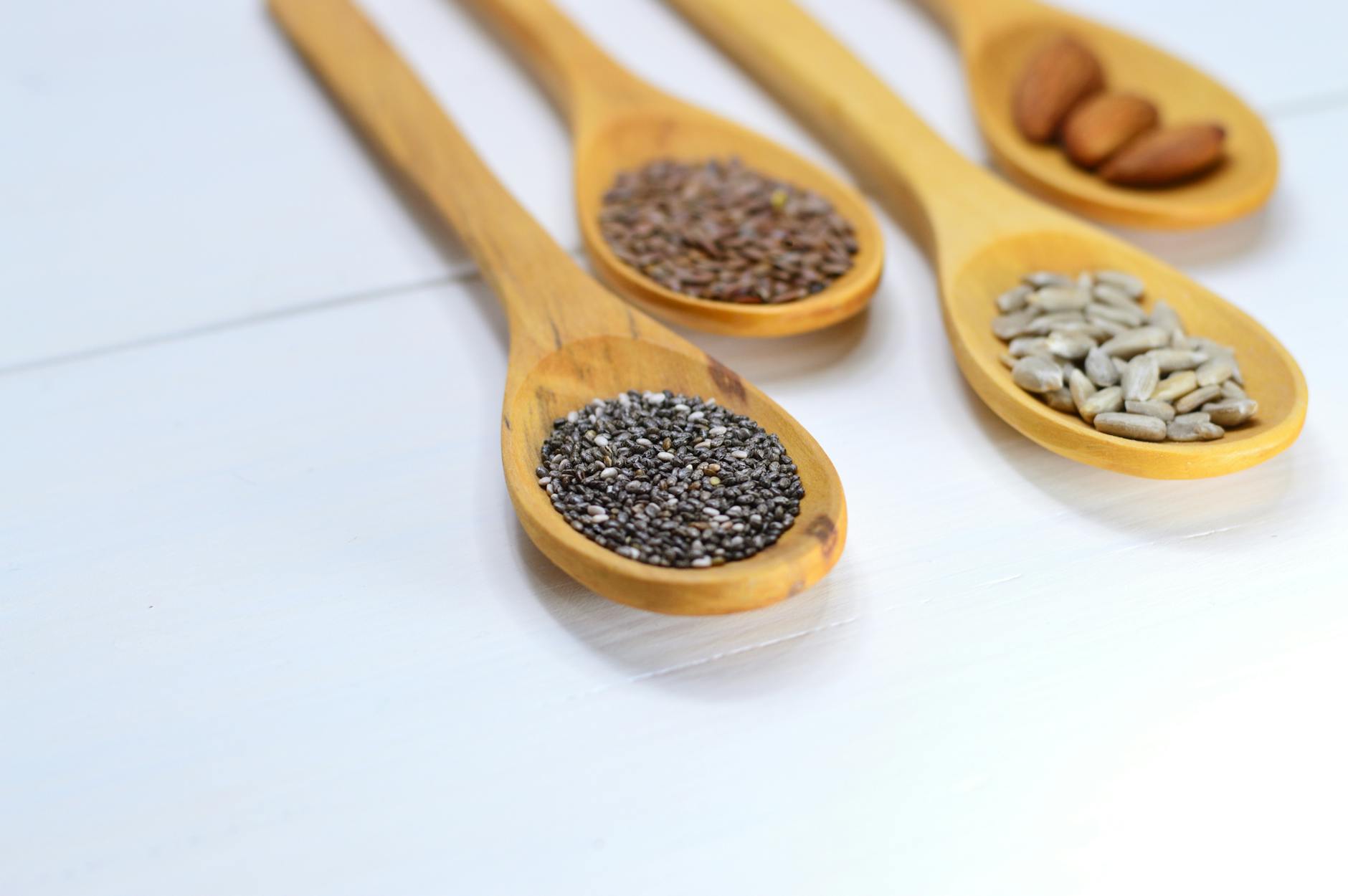
That comparison gets easier once you see how each plant protein behaves in a blender. Pea, soy, hemp, pumpkin seed, and brown rice protein each bring a different balance of digestibility, flavor, and amino acid coverage.
Pea protein isolate is the most common base in a low carb plant-based protein powder because it blends low carbs with a solid protein count. Soy protein isolate is complete on its own, while hemp and brown rice need more help from blends to round out the amino acid profile.
| Protein base | Amino acid profile | Keto fit | Digestibility note |
|---|---|---|---|
| Pea protein isolate | Strong in lysine, lower in methionine | Good | Usually gentle, but some formulas feel chalky |
| Soy protein isolate | Complete protein | Very good | Often smooth, yet soy is an allergen for some people |
| Hemp protein | Broad but less concentrated | Fair | Higher fiber can fill you up, then slow digestion |
| Pumpkin seed protein | Better than hemp, still often blended | Good | Earthy flavor can show through in plain shakes |
| Brown rice protein | Lower in lysine | Fair | Grainier texture and less complete alone |
Branched-chain amino acids, especially leucine, matter because they help trigger muscle protein synthesis. Whey protein isolate is the classic benchmark for leucine density, but a vegan keto protein powder can still get close enough for general training support through a blend of pea, soy, and seed proteins.
That blend strategy explains why single-source powders sometimes fall short. Brown rice protein brings complementary sulfur amino acids, pea brings lysine, and soy supplies a complete profile, so mixing sources can matter more than chasing the highest protein number on the front label.
Complete proteins change the equation
Soy protein isolate stands out because it is complete by itself. Pea protein, brown rice protein, hemp, and pumpkin seed protein work better once they share the formula with one another.
For your routine, that matters more than it sounds. A powder with 20 grams of mixed plant protein can offer better amino acid coverage than a single-source powder with 27 grams that leans too heavily on one incomplete base.
Once you know the protein source, the next job is catching hidden carbs before they push a good formula out of range.
Once those numbers are clear, the remaining options separate into familiar categories that vary widely in convenience and formulation.
A Label-Reading Framework For Net Carbs And Hidden Sugars
That label check starts with serving size, because the numbers only make sense when you know how much powder you will actually use. Total carbs, fiber, sugar alcohols, and protein grams need to be read together, not as separate promises.
Watch the serving size before anything else. A powder can look low-carb at 1 scoop, then turn much less friendly once you use the 2 scoop amount that makes a normal shake.
Maltodextrin is the clearest red flag because it can spike the carb total without sounding sweet on the tongue. Cane sugar, coconut sugar, brown rice syrup, tapioca starch, and oat flour can also push a powder out of keto range faster than the front label suggests.
- Check total carbs. Start with the full number before subtracting anything.
- Subtract fiber carefully. Fiber lowers net carbs, but huge fiber loads may upset digestion.
- Review sugar alcohols. Erythritol affects net carbs differently than maltitol or xylitol.
- Scan the order. Ingredients listed early weigh more than the trace items at the end.
- Compare serving size. A 20 gram scoop and a 40 gram scoop are not the same product in practice.
One label trick is a tiny serving that holds just enough powder to claim a low carb count. Once you double the scoop to reach a satisfying shake, the real carb load can look very different. That is where your calculator matters more than the packaging copy.
With the label decoded, you can compare the product styles that tend to fit keto without forcing guesswork.
Even among similar products, sweetness and blending behavior can make one feel smooth while another turns chalky.
The Leading Vegan Keto Protein Powders Compared
That comparison works best when you judge the formula by protein density, net carbs, and daily use. Price per serving matters too, because a powder that fits your carb limit but strains your budget can become hard to use every day.
Below, the standouts are grouped by practical use, not hype. Texture notes matter because a powder that tastes decent for one person can feel sandy or dense to another, especially in almond milk or coffee.
| Product type | Typical profile | Texture and taste | Best use case |
|---|---|---|---|
| ALOHA Organic Plant-Based Protein | Plant blend with moderate carbs and steady protein | Creamier than many pea-only powders, mild sweetness | Everyday shakes and meal-style blends |
| Orgain Keto Plant Protein style formula | Lower net carbs, added fats or fiber, keto leaning | Thicker, sometimes richer mouthfeel | Satiety focused shakes |
| Garden of Life Sport style vegan blend | Higher protein, blended plant sources, more active use focus | Earthier, can turn gritty without a strong blender | Training days and post-workout shakes |
| Sunwarrior keto style blend | Low net carbs, pea or seed centered, often sweetened | Smoother in cold liquid, lighter flavor | Low carb shakes and coffee blends |
| Unflavored pea isolate | Minimal ingredients, strong protein per calorie | Plain, slightly grassy, best with cinnamon or cocoa | Baking and custom shakes |
ALOHA remains a useful benchmark because it shows how a plant-based protein powder for keto can stay approachable without loading on sugar. Sunwarrior style blends and unflavored pea isolates serve a different need, especially for anyone who wants tighter control over sweeteners and carbs.
For weight loss support, the better match is often a powder with more fiber or MCT oil, since it may help you stay full between meals. For muscle-building support, a higher-protein blend with better amino acid coverage usually makes more sense than a thin, dessert-style shake.
Price per serving matters because the serving size itself can distort value. A product with 18 grams of protein in a small scoop can look efficient, while a larger serving that gives 28 grams of protein may cost more per use but still provide better amino acid density and satiety.
After product type, the next split is taste and mixability, since the wrong sweetener or texture can make an otherwise solid powder hard to keep using.
Different goals also change the ideal serving profile, whether the priority is satiety, recovery, or versatility in recipes.
Taste, Mixability, And Sweetener Tradeoffs
That daily-use question often comes down to whether the powder still tastes good on day ten. Stevia, monk fruit, erythritol, and unsweetened formulas all behave differently in a shaker cup.
Rattling a shaker for 20 seconds is not a real mixability test. A powder that disappears in almond milk after 2 minutes and a rest is the one that behaves well in daily use.
Plant proteins can turn gritty because their particles do not dissolve the same way whey protein isolate does. The physics is simple: lighter powders suspend longer, but larger particles settle fast and make the last sip sandy. High-fiber formulas can soften that texture, yet they can also thicken into pudding faster than you expect.
Chocolate powder with cocoa and monk fruit often masks earthy notes better than vanilla. Plain pea or hemp blends need more help, so cinnamon, espresso, or unsweetened almond milk can steady the flavor without adding much carbohydrate.
Sweetener choices shape aftertaste
Monk fruit tends to sit cleanly in neutral shakes, while stevia can show a licorice edge in water or black coffee. Erythritol brings bulk and a chilly finish, which some people like and others notice right away.
That tradeoff matters because the wrong sweetener can make you stop using a powder that otherwise fits your carb limit. In your kitchen, taste is not cosmetic, it decides whether the tub gets emptied or shoved to the back shelf.
Texture changes with fiber load
Very high-fiber powders can make a shake feel like a meal replacement instead of a drink. That may suit a long morning, yet it can backfire around workouts, where your stomach may want something lighter and faster.
Unflavored formulas are the opposite. They mix more cleanly into soups, coffee, and baking batters, which gives you control over sweetness and texture at the same time.
Once taste is settled, the next decision is purpose, because weight loss, muscle support, and baking call for different formulas.
Those priorities only hold if the formula meets basic quality standards, so a few simple checks can prevent disappointment.
Choosing By Goal, From Weight Loss To Muscle Support
That purpose-driven choice keeps the powder from fighting your routine. Satiety, recovery, baking, and meal replacement all pull the ingredient list in different directions.
Weight loss leans on fullness and simplicity
A powder with MCT oil, moderate fiber, and a short ingredient list can fit a lower-carb routine better than a dessert-like blend. The reason is practical, not magical: fullness helps you avoid extra snacks, and simple labels reduce the odds of unwanted carbs sneaking in.
Use case matters here. A midday shake with almond milk, ice, and cinnamon may fit better than a thick, high-calorie smoothie that adds nut butter, coconut cream, and fruit at the same time.
Muscle support leans on protein quality
For recovery after lifting, amino acid coverage matters more than sweetener style. A blend that combines pea, soy, and seed proteins can give you a steadier amino acid profile than a single-source powder with the same gram count.
Leucine density is part of that picture. Protein synthesis in muscle responds to a leucine trigger, so a powder that is high in total protein but weak in leucine-rich sources may feel less useful for training days.
Baking and meal replacement need different textures
Unflavored powder works best in pancakes, muffins, and fat bombs because sweetened powders can clash with other ingredients. Meal replacement shakes do better with fiber or MCT oil, since those ingredients make the drink hold you longer.
A quick kitchen example helps. Blend pea isolate with unsweetened almond milk for a fast morning shake, use soy or pea-seed blends after training, and keep a plain powder around for mug cakes or keto pancakes. That gives you flexibility without buying three separate tubs.
The final filter is quality control, because a clean-looking label can still hide a weak formula or a rough ingredient list.
That kind of label drift is the final warning sign before deciding whether a powder truly earns a place in your routine.
Red Flags, Quality Checks, And Easy Ways To Use Them
That quality check begins with the red flags you can spot in seconds. Maltodextrin, added sugar, starches, and vague proprietary blends belong near the top of your warning list.
- Skip vague blends. A named protein source gives you more clarity than a mystery mix.
- Check allergen lines. Soy, tree nuts, and coconut can matter for your tolerance and pantry setup.
- Look for batch data. Third-party testing or published lot transparency adds confidence in label accuracy.
- Watch gums and starches. Xanthan gum is different from maltodextrin, but both change texture and digestion.
- Match the use case. A baking powder and a post-workout shake do not need the same formula.
Third-party testing matters because plant powders can vary in protein content, heavy metal exposure, or flavor consistency from lot to lot. The cleanest signal is clear sourcing, visible allergen statements, and a company that shows what is in the tub without burying the details.
For daily use, keep the formula simple. Blend a scoop with unsweetened almond milk and ice, add cocoa and cinnamon for a dessert-style shake, or fold plain powder into chia pudding and almond flour baking. Those routines fit a vegan keto protein powder without forcing your carbs to creep upward.
A practical label check also helps with hidden carb traps. A formula that uses brown rice syrup solids, tapioca fiber plus sugar, or a flavor blend built on dextrose can look harmless on the front but drift away from keto once you read the back panel line by line.
Bottom Line
The smartest pick is the powder that keeps net carbs low, gives you enough protein per serving, and fits the way you actually eat. A clean isolate or well-built blend beats a flashy label every time, especially when your goals change from workout support to satiety to baking.
FAQ
Is vegan protein powder keto-friendly?
It can be, as long as the formula keeps net carbs low and avoids sugar-heavy fillers. Pea protein isolate, soy protein isolate, and some blended plant formulas fit that pattern better than concentrates or sweetened mass-market blends.
How many net carbs should a keto protein powder have?
A practical target sits around 2 to 5 grams net carbs per serving. Smaller carb counts leave more room for the rest of your day, especially once you add almond milk, nut butter, or berries.
What is the best plant-based protein powder for keto?
The best match depends on your goal. A pea or soy blend works well for general use, a higher-fiber formula may suit satiety, and an unflavored isolate gives you the most control over ingredients and flavor.
What ingredients should I avoid in vegan keto protein powder?
Maltodextrin, added sugar, starches, and vague proprietary blends are the main red flags. You should also watch serving size, since a small scoop can hide a carb total that rises fast in a normal shake.
Can vegan keto protein powder help with weight loss or muscle gain?
It can support those goals by making protein easier to fit into a low-carb routine. A fuller formula may help with satiety, while a blend with better amino acid coverage makes more sense around training.
