

On a per-ounce basis, walnuts provide more omega-3 fat, while pistachios usually deliver more protein and fiber. That difference changes calorie counts, heart health tradeoffs, and the way each nut fits your snack routine.
You can use the numbers below to choose the better nut for weight goals, portion control, cooking, and everyday snacking without guessing.
Key Takeaways
- Walnuts lead on omega-3s. Their alpha-linolenic acid content makes them the more specialized pick for fat quality.
- Pistachios lead on satiety data. Protein, fiber, and shelling slow the pace of eating and can help snacks feel more complete.
- Serving size changes the picture. A measured ounce gives you a fair comparison, while handfuls can vary a lot.
- Both nuts fit heart-healthy patterns. Unsaturated fats, magnesium, and plant compounds matter more than a single label claim.
- Your best choice depends on the goal. Omega-3s point toward walnuts, while protein, fiber, and portion control point toward pistachios.
A Fair Serving-Size Comparison
The comparison starts with a measured ounce, because a kitchen handful can easily swing by 30 percent in weight. USDA FoodData Central gives you a cleaner baseline for walnuts vs pistachios nutrition.
Standardizing both nuts to 1 ounce lets you compare calories, protein, fiber, fat, and minerals on equal ground. That matters for weight management, since a small difference per snack adds up across a week.
| Nutrient, 1 ounce | Walnuts | Pistachios |
|---|---|---|
| Calories | About 185 | About 159 |
| Protein | About 4.3 g | About 5.7 g |
| Fiber | About 1.9 g | About 3.0 g |
| Total fat | About 18.5 g | About 12.8 g |
| Omega-3 ALA | About 2.5 g | Trace amounts |
| Potassium | Lower than pistachios | Higher than walnuts |
The table shows a simple pattern. Walnuts are denser in fat, while pistachios stretch protein and fiber farther for the same serving. That is why a snack bag of pistachios can feel more structured than a small pile of walnut pieces.
Those nutrients matter most when their fatty acids and minerals are weighed against the demands of cardiovascular and cognitive health.
Where The Nutrition Gap Really Opens Up
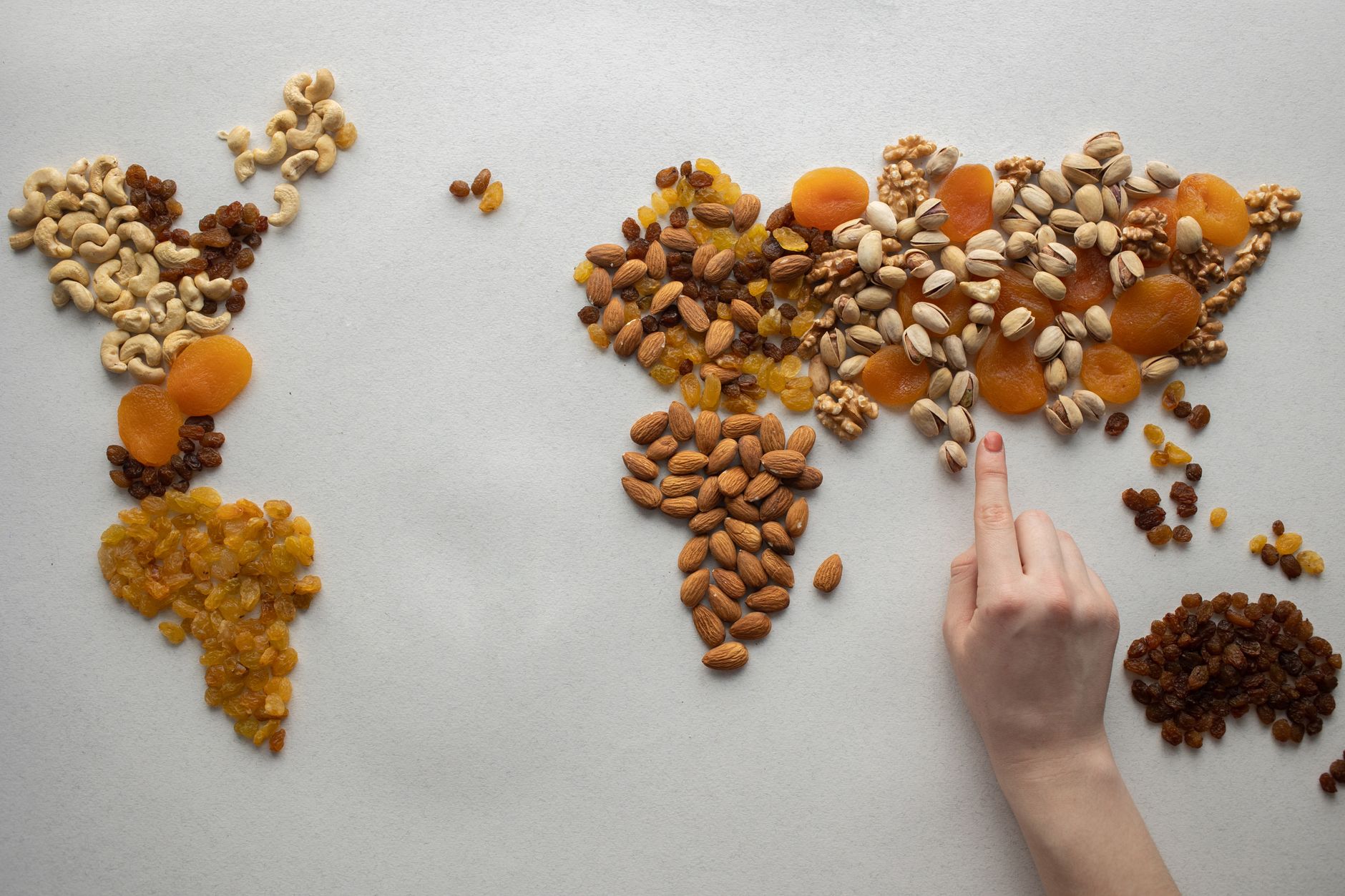
The gap becomes obvious once you look past calories and compare what the fat is doing. Walnuts are rich in polyunsaturated fat, especially alpha-linolenic acid, the plant form of omega-3 fatty acids, while pistachios lean more toward protein, fiber, and a lighter fat load.
Walnuts Bring The Omega-3 Advantage
Alpha-linolenic acid matters because it is one of the few plant fats tied to omega-3 intake. Walnuts are also a notable source of polyphenols, which are plant compounds linked with antioxidant activity in foods.
That profile makes walnuts feel more specialized. Your meal may not need a large amount, but a small ounce can shift the fat mix of oatmeal, yogurt, or a grain bowl in a way pistachios cannot match.
Pistachios Deliver More Protein And Fiber
A single ounce of pistachios typically contains more protein and more fiber than the same amount of many other nuts. That combination can slow digestion and make a snack feel steadier, especially in the afternoon stretch between lunch and dinner.
Potassium, vitamin B6, and manganese also show up in useful amounts. Potassium matters for fluid balance and nerve signaling, while vitamin B6 helps with amino acid metabolism and red blood cell chemistry.
Magnesium appears in both nuts, and copper shows up in walnuts in a meaningful way. Copper helps enzymes that handle iron use and connective tissue chemistry, so these nuts offer more than just fat and calories.
Micronutrients Shift The Final Choice
Walnuts and pistachios each bring their own mineral mix, so the better pick depends on the rest of your day. A breakfast already rich in protein can leave more room for walnuts, while a light snack slot may favor pistachios.
That mix matters in real life more than a headline number does. Your body uses the full pattern of fats, protein, fiber, vitamins, and minerals, not a single nutrient in isolation.
The next layer is how those fats and minerals fit a heart-focused eating pattern, since the nutrition gap is only part of the story.
When fullness matters, the type of fat and the crunch of each nut can shift hunger in noticeable ways.
Heart Health, Brain Support, And Fat Quality
The fat profile is the real divider here. Walnuts contain far more omega-3 ALA, while pistachios bring more of a protein-forward snack shape, and both still fit an unsaturated-fat pattern.
That aligns with guidance from the American Heart Association, which notes that nuts can fit a heart-healthy eating pattern because they supply unsaturated fats and other plant compounds in place of heavier saturated fats. The swap matters more than any single nutrient headline.
Walnuts get the edge for omega-3 intake, which is why they often show up in brain-leaning meal plans. The brain is lipid-rich tissue, and fatty acids help form cell membranes, so fat quality is more than a label detail.
Omega-3 Versus Omega-6 Balance
Among nuts, walnuts stand out for their closer omega-3 to omega-6 ratio. Pistachios contain more omega-6 relative to omega-3, which still fits a healthy diet but does not offer the same ALA lift.
That difference explains the common split in nutrition advice. Walnuts tend to be the more specialized choice, while pistachios act more like an all-purpose snack with a better protein return.
For heart health, both belong in a varied diet that also includes vegetables, legumes, fish, olive oil, and whole grains. Your best move is to match the nut to the rest of the plate, not to chase a single super-nut label.
The same tradeoff shows up again when your goal shifts from heart health to appetite control, because satiety changes the way each nut feels between meals.
A snack that satisfies is useful only if you actually enjoy preparing and eating it.
Satiety, Weight Management, And Snack Satisfaction
Pistachios often feel more filling because you get more protein and fiber for fewer calories than walnuts. That combination can slow eating and stretch snack time, which is useful when your goal is a calmer appetite before the next meal.
Why Portion Control Feels Easier With Pistachios
Shelling changes the pace. Empty shells pile up on the table, your hand keeps moving, and that physical friction can slow the snack down without any formal rule.
That matters for weight management because eating speed shapes how full a snack feels. Pistachios have been studied in controlled feeding settings for satiety, and the shelling ritual appears to matter as much as the nut itself.
Why Walnuts Still Work Well In Small Amounts
Walnuts can be satisfying, but their soft texture makes them easy to eat quickly. A trail mix heavy on walnut halves can disappear faster than a bowl of shelled pistachios, so portioning deserves more care.
For walnuts vs pistachios for weight loss, the more useful question is which snack format fits your habits. A controlled ounce of either nut works better than a loose handful from a large container.
- Use a small bowl. A visible portion keeps grazing from turning into a second serving.
- Pair with fruit. An apple or orange adds volume without changing the nut comparison.
- Choose shells for speed. Shelled pistachios tend to slow down eating more than walnut halves.
- Mix with yogurt. That adds protein and helps the snack feel more complete.
Digestibility matters too. Both nuts can feel rich for some stomachs, especially in larger amounts, so the snack that looks healthier on paper may still be the one that sits better in practice.
That practical difference leads straight into flavor and cooking, where texture often decides which nut actually ends up in your bowl or baking pan.
Real-life use often decides the winner, which makes the choice hinge on your priorities and the compromises each nut brings.
Taste, Texture, And Everyday Kitchen Use
Walnuts taste softer, earthier, and a little bitter, which makes them work well where deep flavor matters. Pistachios taste sweeter and brighter, with a crisp bite that holds up well in dry mixes and simple snacks.
Where Walnuts Fit Best
In quick bakes and snack mixes, walnuts blend into batter more easily than pistachios, which makes them a natural fit for banana bread, muffins, oat bars, and granola clusters. That soft texture also makes them useful in pesto, grain pilafs, roasted Brussels sprouts, and yogurt bowls with cinnamon.
A walnut piece can almost vanish into a dish and still change the flavor. That is useful in savory cooking, where you want richness without a loud crunch.
Where Pistachios Fit Best
Pistachios bring color as well as crunch. They work in salads with citrus, on top of Greek yogurt, in rice or farro bowls, and in desserts where a brighter, less heavy nut helps the dish stay light.
For on-the-go snacking, pistachios with shells slow the pace and make portions easier to see. That practical detail is part of the appeal, especially for anyone who wants a snack that feels organized instead of open-ended.
- Morning oats: Walnuts add richness and a bigger omega-3 boost.
- Lunch salad: Pistachios add crunch without weighing down the bowl.
- Afternoon yogurt: Either nut works, but pistachios bring more protein per ounce.
- Baking tray: Walnuts blend smoothly into muffins, breads, and cookies.
- Desk snack: Pistachios with shells can slow eating and help portions stay visible.
That use-case split matters because flavor, texture, and convenience often decide what ends up in your kitchen more than the nutrition chart does. The next step is deciding which nut fits the goal you care about most.
With that in mind, the best choice comes down to matching the nut to your goal and your habits.
The Better Pick By Goal And The Tradeoffs To Keep In Mind
For omega-3 intake and a brain-leaning nutrition profile, walnuts take the edge. For protein, fiber, and snack structure, pistachios make the stronger case. That is the cleanest answer to which is healthier walnuts or pistachios, because the goal changes the winner.
Price can tilt the decision just as much as nutrition. Walnut halves, pistachio kernels, and in-shell pistachios all land in different cost per serving ranges, so bulk format and local store pricing matter.
That variation shows up at the store, which is why walnuts vs pistachios price depends on form, harvest year, and packaging. In-shell pistachios may stretch your budget because the shells slow consumption, while walnut pieces can be a better value for baking and topping jobs.
Allergy concerns matter too. Tree-nut allergy can involve either nut, and cross-contact during processing is a real issue in mixed facilities. Digestive sensitivity can also shape the choice, since a large nut serving may feel heavy for some people.
A Simple Goal-Based Verdict
Choose walnuts for omega-3s, richer fat quality, and recipes that benefit from a softer nut. Choose pistachios for protein, fiber, a cleaner portion cue, and snacks that need more structure.
Buy both when your routine changes across the day. A walnut topping works on oatmeal, while a small bag of pistachios fits a work break, and that split gives you the best practical range without forcing one nut to do every job.
FoodData Central, the American Heart Association, and USDA guidance all point to the same practical lesson: the nut that fits your goal and your serving habit is the one that wins your plate. That is the real answer to walnuts vs pistachios.
Final Thoughts
Walnuts and pistachios both earn a place in a well-built snack pattern, but they do different jobs. Walnuts lean toward omega-3s and richer fat quality, while pistachios lean toward protein, fiber, and easier portion control. Your best pick is the one that matches the meal, the moment, and the result you want.
FAQ
Which is healthier, walnuts or pistachios?
Healthier depends on the goal you care about most. Walnuts bring more omega-3 ALA, while pistachios give more protein and fiber per ounce, so each fits a different nutrition need.
How do walnuts and pistachios compare in calories and protein?
Walnuts have more calories per ounce, about 185, while pistachios come in around 159. Pistachios also provide more protein per ounce, which can make them feel more substantial as a snack.
Are walnuts or pistachios better for weight loss?
For portion control, pistachios often work well in weight-conscious snacking because shelling slows eating and the protein-fiber mix can feel more filling. Portion size still matters with either nut, since both are calorie-dense foods.
Which nut is better for heart health?
Both can fit a heart-healthy eating pattern because they supply unsaturated fats, minerals, and plant compounds. Walnuts get a special edge for omega-3 intake, while pistachios offer a lighter fat profile.
Can you eat walnuts or pistachios if you have a nut allergy?
No tree nut should be treated casually in that situation. A tree-nut allergy can involve walnuts, pistachios, or both, and cross-contact risk makes label reading and qualified medical advice important.
Do walnuts have more omega-3s than pistachios?
Yes. Walnuts are a standout plant source of alpha-linolenic acid, while pistachios contain only trace amounts, so the omega-3 gap between them is large.
