

Cashews vs macadamia nuts is a straight nutrition trade-off: macadamias deliver more calories and fat per ounce, while cashews deliver more protein and carbohydrates. That difference changes snack fullness, recipe texture, and how far your budget stretches.
You can use that split to choose the better nut for low-carb meals, creamy sauces, or an everyday handful. The comparison below keeps the focus on serving size, heart health, satiety, and practical use.
Key Takeaways
- Lower-carb choice: Macadamias fit very low-carb eating more easily.
- Creamy recipe choice: Cashews blend smoothly for sauces and dairy alternatives.
- Fuel profile: Macadamias carry more fat and calories, while cashews bring more protein and carbohydrates.
- Portion control: Both nuts provide fiber and unsaturated fats, so serving size matters.
- Budget and taste: Price and flavor often shape the better buy as much as nutrition does.
What Cashews And Macadamias Offer At A Glance
Both nuts are calorie-dense, so a small handful can fit into a balanced day without crowding out other foods. Macadamias lean toward fat, especially monounsaturated fat, while cashews give you a little more protein and carbohydrate in the same serving. That is the real difference behind the casual question of which is better cashews or macadamia nuts.
A standard one-ounce serving, about 28 grams, makes the comparison concrete. Using USDA FoodData Central as the reference point, cashews land at about 157 calories, while macadamias land at about 204. You can see why the better choice changes with your goal and your portion size.
Flavor, texture, price, and recipe behavior all shape the real-world choice. A crunchy snack in trail mix asks for something different than a smooth cashew cream for curry, and that is where the decision gets practical.
The cashews vs macadamia nuts choice also makes more sense when you compare calories against what each nut does in a snack bowl or a recipe.
Those same numbers become more useful when they line up with a diet’s demands for satiety and carb control.
The Nutrition Trade-Offs That Matter Most
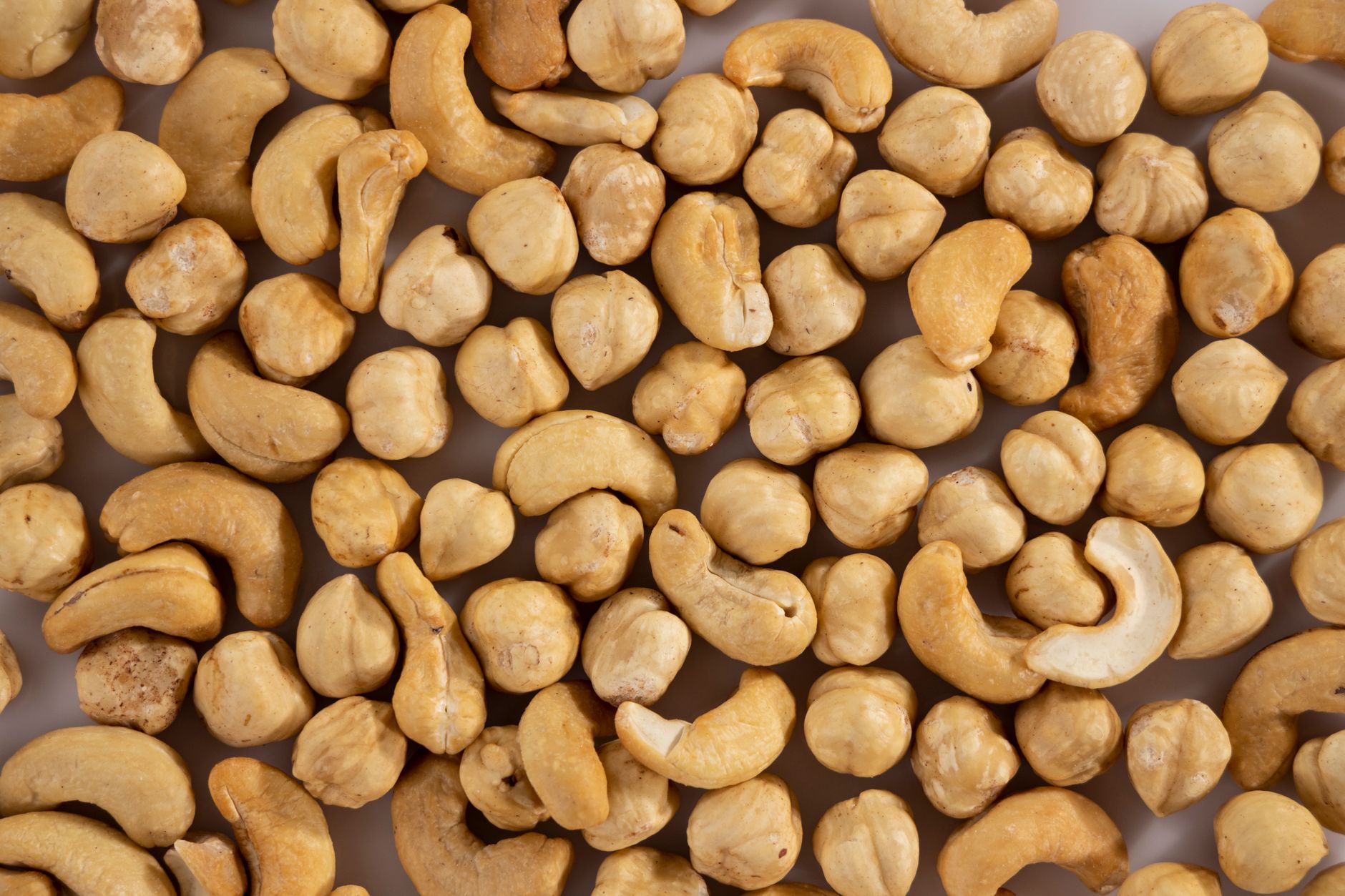
Macadamia nuts vs cashews for keto comes down to fat and carbohydrate balance. Macadamias are the more compact source of fat, while cashews bring more digestible carbs and a bit more protein, which can affect satiety and meal planning.
Nut fat is not one thing. Macadamias lean heavily toward monounsaturated fat, the same general class found in olive oil, while cashews also supply monounsaturated and polyunsaturated fats with a smaller share of saturated fat. That split is part of why macadamias taste richer in a small amount.
| Nutrient, per 1 oz | Cashews | Macadamias |
|---|---|---|
| Calories | About 157 | About 204 |
| Total fat | About 12 g | About 21 g |
| Protein | About 5 g | About 2 g |
| Carbohydrates | About 9 g | About 4 g |
| Fiber | About 1 g | About 2.5 g |
That table shows why cashews feel more balanced for mixed eating patterns. They supply more protein and carbohydrates, plus micronutrients such as copper, magnesium, manganese, phosphorus, and zinc. Macadamias still bring thiamin, manganese, and a strong unsaturated fat profile, but cashews often stand out as the broader everyday option because they fit more recipes and more diets. In a cashews vs macadamia nuts nutrition comparison, the serving size looks close, but the fuel mix is not.
Protein and fiber help slow how fast a snack disappears from your plate. They also shape fullness, which is why a smaller serving of macadamias can feel satisfying even though the calorie count climbs quickly. A handful of cashews, on the other hand, may feel more substantial after a workout or between meals.
Fat quality changes the feel of each nut
Macadamia nuts are known for their monounsaturated fat content, which gives them a soft, almost creamy mouthfeel. Cashews still contain plenty of unsaturated fat, but their higher starch share keeps them from tasting as slick or heavy.
That chemistry matters in the kitchen. Fat carries flavor, so macadamias can taste lush in baked goods, while cashews soften into a neutral base that takes on spices, garlic, lime, or nutritional yeast. Once you know that, the nutrition gap becomes easier to use instead of just memorize.
Micronutrients add more than a label comparison
Cashews bring more copper and magnesium per serving than many snack nuts, and those minerals matter for energy metabolism and nerve function. They also provide a little more iron and zinc than macadamias, which helps explain why cashews can feel like a more flexible pantry staple.
Macadamias still contribute minerals, but their bigger role is calorie and fat density. So the better question is not which nut is better in the abstract, but which one matches the amount of energy you want from a snack.
Those mineral and fat differences show up again when you match each nut to a specific diet, especially if you are tracking carbs or trying to stay satisfied between meals.
A richer fat profile changes more than nutrition, shaping how each nut behaves in everything from sauces to granola.
How Each Nut Fits Real Diet Goals
Keto eaters usually land on macadamias because the lower carbohydrate load makes planning simpler. A small serving can bring a lot of fat without pushing carbs much, which is why macadamia nuts vs cashews for keto is such an uneven matchup.
Weight-conscious eating points in a different direction. Cashews give you more protein for the calorie count, and that can help a snack feel less like pure energy and more like part of a meal. The catch is portion size, because a bag of either nut can disappear faster than you expect.
Low-carb and keto eating favor macadamias
Macadamias fit low-carb diets because they pair high fat with lower carbohydrate content. That makes them easier to place into meal plans that track net carbs or keep carbohydrate intake tight.
Cashews can still fit, but they use up more of the carb budget in the same ounce. For anyone counting grams, that difference shows up fast in the daily total.
Weight control and satiety favor cashews in many cases
Cashews bring a little more protein and fiber, which can help a snack feel more complete. They also cost less per ounce in many stores, so you can use them in modest servings without stretching the grocery list as far.
That said, macadamias are not a hunger fix. Their rich texture can make a small portion feel satisfying, but their calorie density means the serving can climb before you notice it.
Heart health and plant-forward eating require a wider view
Both nuts fit into heart-conscious eating patterns because they provide unsaturated fats instead of relying on refined starch or added sugar. The stronger move is portion control and regular use, not treating either nut as a cure-all for heart health.
Plant-forward eaters often choose cashews because they turn into cream, cheese, and sauce with very little effort. Macadamias work too, but their high fat content can make the texture richer than some recipes need. That difference leads straight into the kitchen behavior that matters day to day.
Kitchen performance eventually runs into budget reality, where serving size and shelf life can matter as much as flavor.
Use portion size as your filter. A small bowl of macadamias can match the calorie load of a larger bowl of cashews, so measure once or your snack can drift far past your target.
Taste, Texture, And Recipe Behavior
Macadamias taste rich, buttery, and a little luxurious, while cashews stay milder and slightly sweet. That contrast shapes how each nut behaves beside chocolate, curry, vanilla, salt, and savory spices.
Cashews are softer, so they blend into smooth sauces without much effort. Macadamias are firmer and better for a crisp bite, which is why they show up in roasted snacks and baked goods where a pronounced nut flavor matters.
Cashews melt into creamy recipes
Cashews make sense for vegan cheese, cream sauces, and blended dressings because their starch and fat content emulsify well. Soaked cashews can produce a texture that feels close to dairy cream in soups or pasta sauces, though the flavor stays more neutral.
That neutrality is an asset. Garlic, lemon, miso, or roasted pepper can lead the dish while the cashew base stays in the background, which is hard to do with a stronger nut.
Macadamias shine in snacks and baked goods
Macadamias hold their identity better in granola, cookies, and roasted mixes. Their buttery taste reads clearly even after heat, so a small amount can carry the whole bite.
They also work well with white chocolate, dark chocolate, and tropical flavors like coconut. For your recipe, that means a macadamia swap can shift the result from neutral to rich very quickly.
Simple swap rules keep texture from going sideways
Use cashews in any recipe that depends on blending, soaking, or thickening. Use macadamias in recipes that need a firm crunch, a rich flavor, or a more luxurious finish.
- Swap cashews in sauces: The result stays smooth and mild.
- Swap macadamias in trail mix: The mix feels richer and more filling.
- Avoid direct swaps in cheese: Macadamias change the texture and can taste heavier.
- Use macadamias in cookies: They hold shape and add a buttery edge.
Those kitchen rules help you avoid a texture mismatch, and they also make the price conversation easier because the right nut is not always the cheapest bag on the shelf.
Taken together, those trade-offs make the last decision less about the nuts themselves than about the job at hand.
Price, Portions, And Storage In The Real World
Macadamias often cost more and show up in fewer package sizes, so they can feel like a special-occasion nut rather than an everyday pantry item. Cashews are easier to find in bulk, snack packs, and cooking aisles, which makes them the more practical staple for many kitchens.
That difference matters because value is not only about the sticker on the bag. Value per ounce, value per serving, and value per recipe all tell a different story, and macadamias lose ground if you use them in large amounts.
Check the serving label before you judge value. A larger bag can still be a worse fit for your budget if the nut is so calorie-dense that your usual serving size is tiny.
Standard servings keep the comparison honest
One ounce is the cleanest way to compare nutrition and cost. It also keeps snack portions from drifting upward, which matters with both nuts because a handful turns into two very quickly.
For allergy-sensitive kitchens, separate scoop containers and clear labeling help prevent cross-contact with other nuts. Tree nut allergy can involve serious reactions, so any new food choice deserves care, especially in mixed snack bowls or shared storage jars.
Storage conditions shape freshness
Heat and air are the main enemies of nut flavor. Cashews and macadamias both keep better in a cool, dark pantry, and they last longer in airtight containers than in open bags clipped at the top.
Warm kitchens speed up rancid flavors, especially in high-fat nuts like macadamias. A refrigerator or freezer can slow that change, which matters more if you buy in larger containers or keep nuts around for baking.
By this point, the cashews and macadamia nuts comparison is less about a single champion and more about fit. One gives you more versatility and a better cooking base, while the other gives you richer fat, lower carbs, and a distinct snack profile. The final choice comes down to what you want your next serving to do.
Bottom Line
Your best choice depends on the job you want the nut to do. Macadamias fit low-carb snack plans and rich baked treats, while cashews fit sauces, plant-based recipes, and day-to-day pantry use with more protein per serving. Portion size still matters with both, because calorie density can sneak up fast.
FAQ
Which is healthier, cashews or macadamia nuts?
Health depends on your goal. Cashews bring more protein and minerals per ounce, while macadamias bring more monounsaturated fat and fewer carbs. For a mixed diet, either one can fit well in modest servings. The better answer depends on whether you want more satiety, fewer carbs, or a richer snack.
Are macadamia nuts better than cashews for keto?
Macadamias fit keto more easily because they supply fewer carbohydrates and more fat per ounce. Cashews can still fit in small amounts, but they use up carb limits faster. In a macadamia nuts vs cashews for keto comparison, macadamias usually win on simplicity.
How do cashews and macadamia nuts compare in calories and fat?
Macadamias carry more calories and far more fat per ounce, around 204 calories and 21 grams of fat. Cashews land lower, around 157 calories and 12 grams of fat, with more protein and carbs. That is the clearest split in the cashews vs macadamia nuts calories comparison.
Which nut is better for weight loss, cashews or macadamia nuts?
Cashews often fit weight-conscious eating better because they give you more protein for fewer calories. Portion control still matters, since both nuts are energy-dense and easy to overeat during snacking. In daily use, the cashews vs macadamia nuts health benefits debate usually comes down to fullness versus calorie density.
Can you substitute macadamia nuts for cashews in recipes?
Yes, but texture changes the result. Macadamias work better in baked goods and snack mixes, while cashews suit sauces, dairy alternatives, and creamy dishes that need a smoother base. In many kitchen tests, the cashews and macadamia nuts comparison turns on whether the recipe needs blending or crunch.
Are cashews and macadamia nuts safe if you have a nut allergy?
No nut is a safe default for every person with a nut allergy. Tree nut reactions can vary a lot, so you need individual guidance from a qualified healthcare professional before trying either one. Safety comes first, even when you are comparing cashews vs macadamia nuts nutrition for a recipe or snack plan.
